How to Transition Your Summer Wardrobe to Fall Effortlessly
The hardest part of dressing for fall comes when summer refuses to leave. Warm afternoons, cool mornings, and changing plans can make your closet feel impractical, even when it holds plenty of clothes.
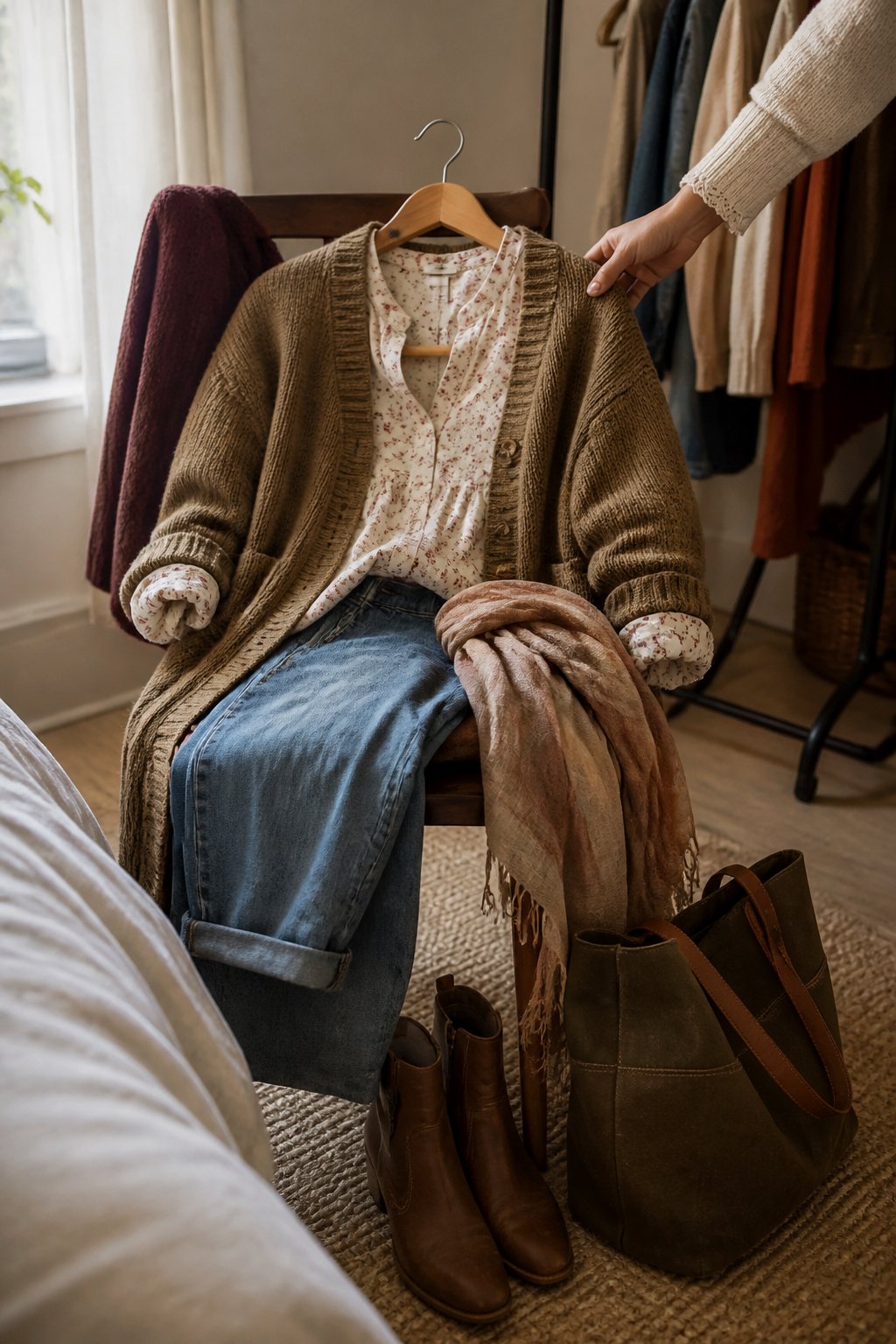
You can transition your summer wardrobe to fall by keeping lightweight pieces, adding smart layers, choosing richer colors, and updating shoes and accessories. You’ll learn how to work with what you own, adapt dresses and skirts, prepare for shifting weather, and shop only for the pieces you truly need.
Assess Your Existing Closet Before Fall
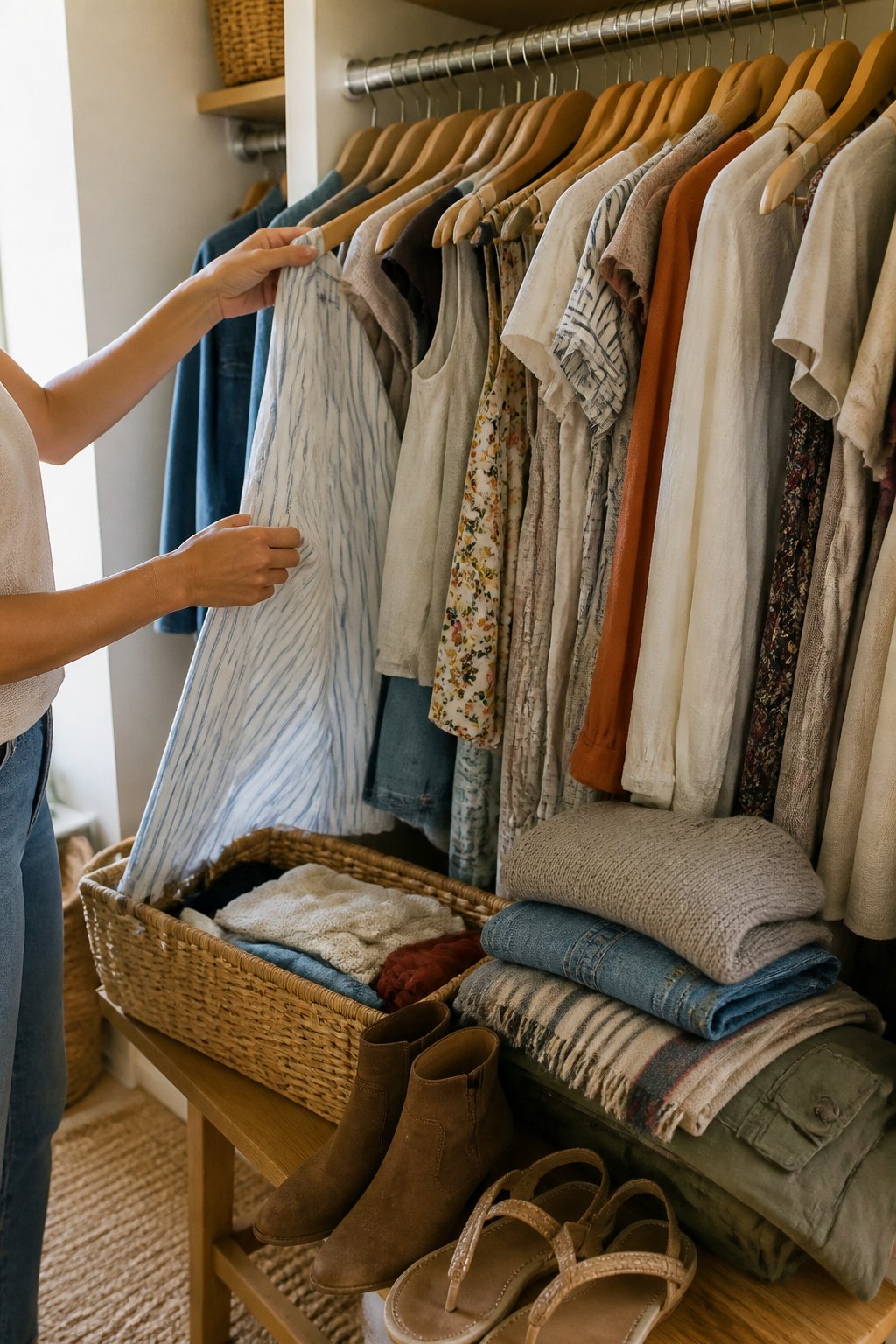
Start with a careful closet audit before you buy new fall clothing. Keep useful summer pieces that layer well, and remove items that no longer fit the weather, your body, or your daily routine.
Identify Warm-Weather Staples Worth Keeping
Keep summer clothing that works with fall layers. Look for cotton T-shirts, lightweight button-down shirts, midi skirts, dark jeans, casual dresses, and neutral trousers. These pieces can pair with cardigans, denim jackets, blazers, tights, or ankle boots as temperatures drop.
Check each item’s condition before you store or rehang it. Repair loose buttons, treat stains, and wash clothing according to its care label. Set aside anything stretched, faded, damaged, or uncomfortable. A white shirt with yellowing under the arms may need replacement, while a good cotton tee may only need a thorough wash.
Use the “three-outfit test”: keep a summer item only if you can picture wearing it with at least three fall pieces. For example, style a floral dress with a cardigan, a leather belt, and boots. This method helps you keep versatile clothing instead of holding on to items you rarely wear.
Set Aside Pieces That No Longer Fit the Season
Pack away clothing designed for hot weather, including linen shorts, swimwear, thin camisoles, mesh layers, and lightweight sandals. Clean and dry every item first, since moisture and body oils can cause stains or odors during storage.
Separate clothing into clear groups: store, donate, repair, and discard. Use breathable fabric bins or cotton garment bags for delicate items, and label each container by category. Avoid placing wool or leather near damp areas, and do not overfill storage containers because compressed clothing can crease and lose its shape.
Keep a few transitional pieces accessible for warm afternoons. You may still wear a linen shirt, sleeveless dress, or lightweight skirt with a sweater and closed-toe shoes. Before storing anything, try it on and check the fit; keeping an item that feels tight or uncomfortable only adds clutter to your fall wardrobe.
Build a Transitional Color Palette
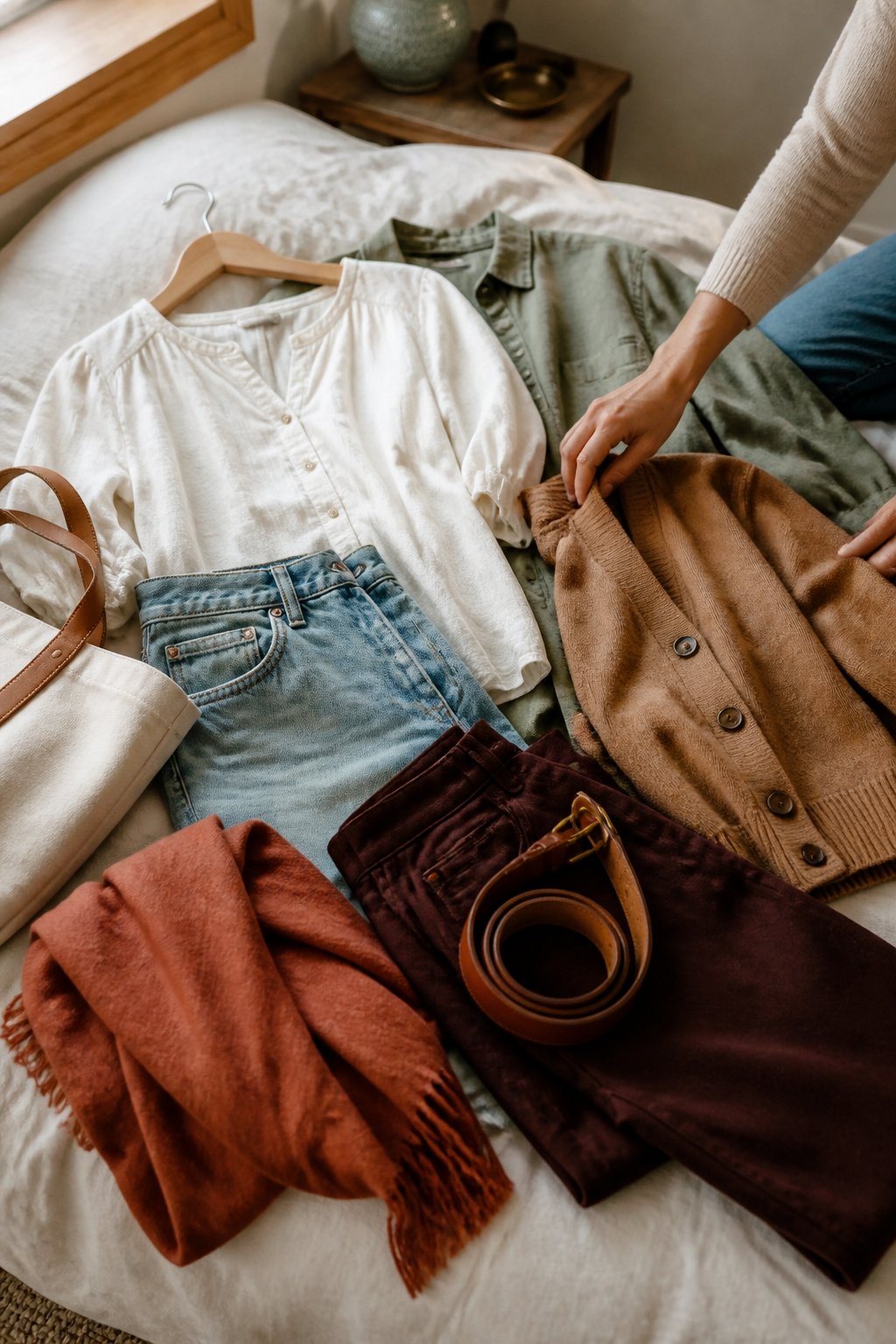
Treat color as a simple way to move summer outfits into fall without replacing your wardrobe. Keep light seasonal pieces, then ground them with richer neutrals and add small accents in warm autumn shades.
Introduce Richer Neutrals
Start with chocolate brown, camel, olive, charcoal, and cream. These shades make summer fabrics feel more suited to cooler weather while keeping outfits comfortable and easy to wear. For example, pair a white linen shirt with olive trousers, or wear a cream tank under a camel cardigan.
Use one darker neutral in each outfit to create balance. A brown leather belt, charcoal overshirt, or olive jacket can change the look of denim, linen, or cotton without making the outfit feel heavy. If you wear several light colors together, add dark shoes or a structured bag for contrast.
Avoid switching every item to black. Black works well, but too much can make soft summer colors look disconnected. Build around two or three neutrals, such as cream, brown, and olive, so your clothing remains easy to combine.
Add Autumn-Inspired Accent Colors
Add fall color through smaller pieces before buying major items. Try rust, burgundy, mustard, forest green, or deep teal in a scarf, cardigan, belt, handbag, or pair of socks. These accents bring warmth to summer staples without making you look overdressed for mild weather.
A rust cardigan can work with a white dress, while burgundy loafers can update a denim skirt and simple tee. If your outfit already has a bold print, choose one accent color from the pattern instead of adding another strong shade.
Check the fabric as well as the color. Lightweight cotton, silk, or fine wool keeps autumn shades practical during early fall. Avoid combining too many warm tones at once; pair one accent with neutral pieces so the color remains intentional.
Master Lightweight Layering
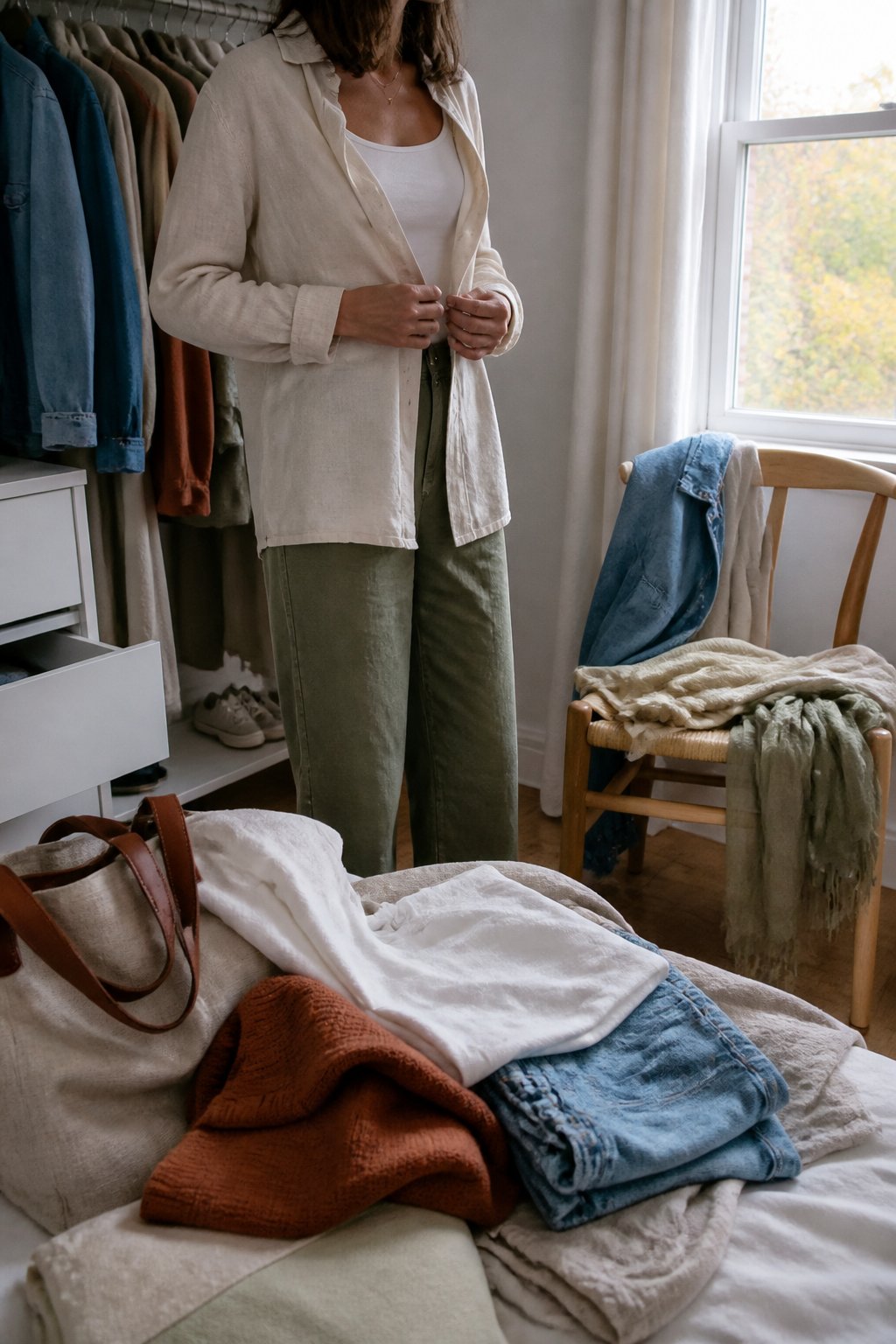
Use thin layers to manage warm afternoons and cool evenings without overheating. Cardigans, denim jackets, breathable knits, blazers, and utility jackets let you adjust your outfit while keeping summer pieces in regular rotation.
Use Cardigans and Denim Jackets
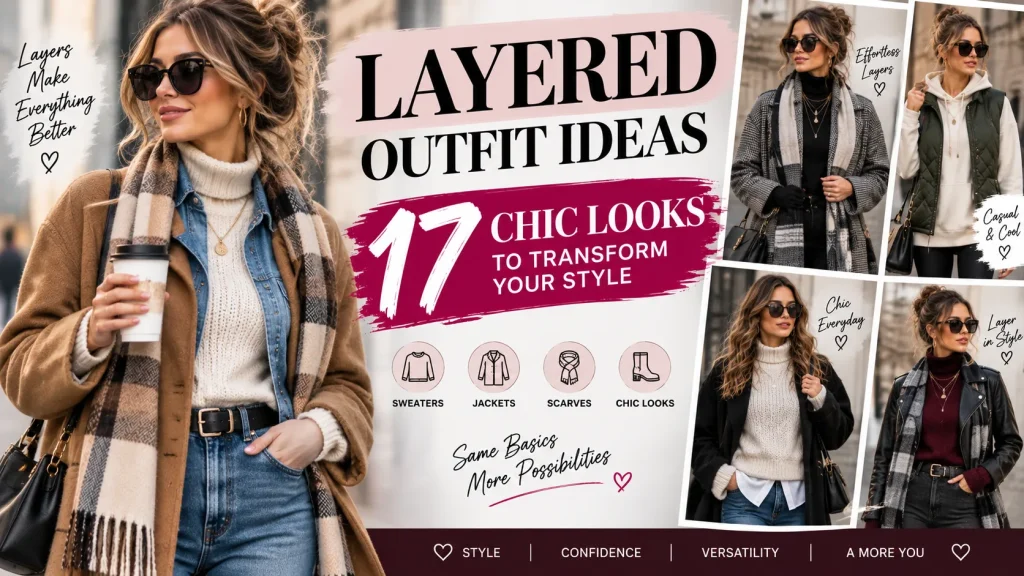
A cardigan works well over a linen dress, tank top, or short-sleeved blouse. Choose a fine-gauge cotton or cotton-blend style in cream, gray, navy, or camel. Wear it open during the day, then button it when the temperature drops.
Denim jackets add structure without the weight of a wool coat. Pair a medium-wash jacket with a floral dress and ankle boots, or wear a darker version over a white T-shirt, cropped trousers, and loafers.
Pay attention to proportion. A cropped jacket suits a high-waisted skirt or wide-leg pants, while an oversized cardigan pairs better with slim jeans or leggings. Avoid stacking bulky layers, such as a thick sweater under a close-fitting denim jacket.
Add Blazers and Utility Jackets
A lightweight blazer gives summer basics a sharper fall look. Wear a linen-blend blazer over a tank and tailored shorts during warm weather, or pair it with a T-shirt, straight-leg jeans, and loafers as temperatures fall.
Select an unlined or lightly lined blazer in cotton, linen, wool blend, or a soft twill. These fabrics provide structure without trapping too much heat. Roll the sleeves slightly to show a bracelet or watch and create a more relaxed finish.
Utility jackets offer a practical alternative. Their pockets and durable cotton fabric suit casual outfits, including a sundress with sneakers or a striped shirt with cargo pants. Choose olive, khaki, or navy for easy pairing.
Choose Breathable Knitwear
Look for open-weave cotton, linen, merino wool, or lightweight cashmere instead of thick cable knits. These fabrics add warmth while allowing airflow, which helps when you move between a warm street and an air-conditioned office.
A fine-knit sweater can replace a jacket over a slip dress. You can also drape it over your shoulders with a tank, midi skirt, and sandals, then put it on after sunset.
Check the fabric weight before buying. A sweater that feels comfortable indoors may become too warm when layered over a long-sleeved shirt. Keep one thin base layer underneath, and choose relaxed cuts that leave room for air without looking oversized.
Adapt Dresses and Skirts for Early Fall
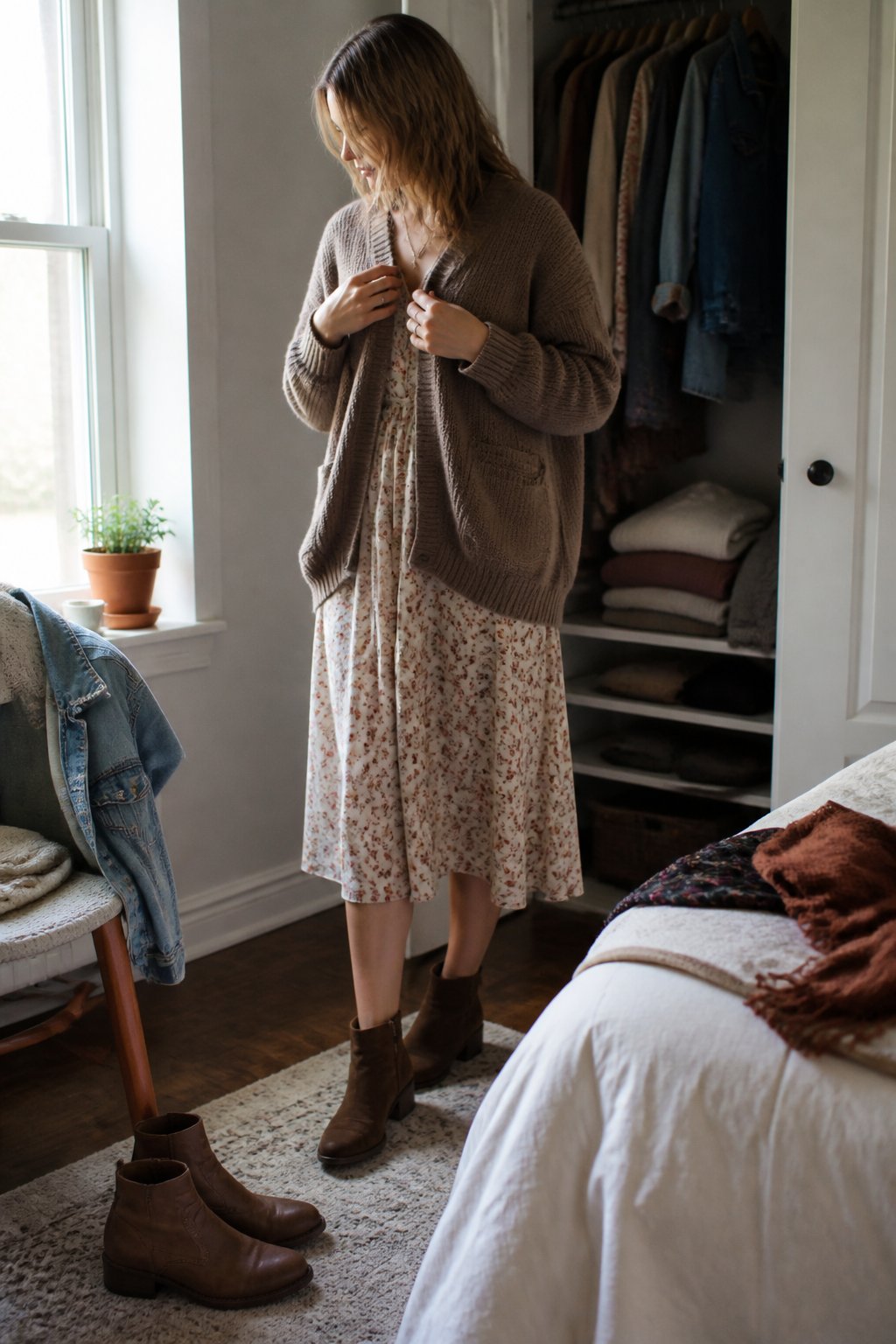
You can keep wearing summer dresses and skirts by changing the shoes, adding light insulation, and building layers around sleeveless pieces. Choose breathable fall fabrics and flexible layers so you stay comfortable when temperatures shift during the day.
Pair Dresses With Boots
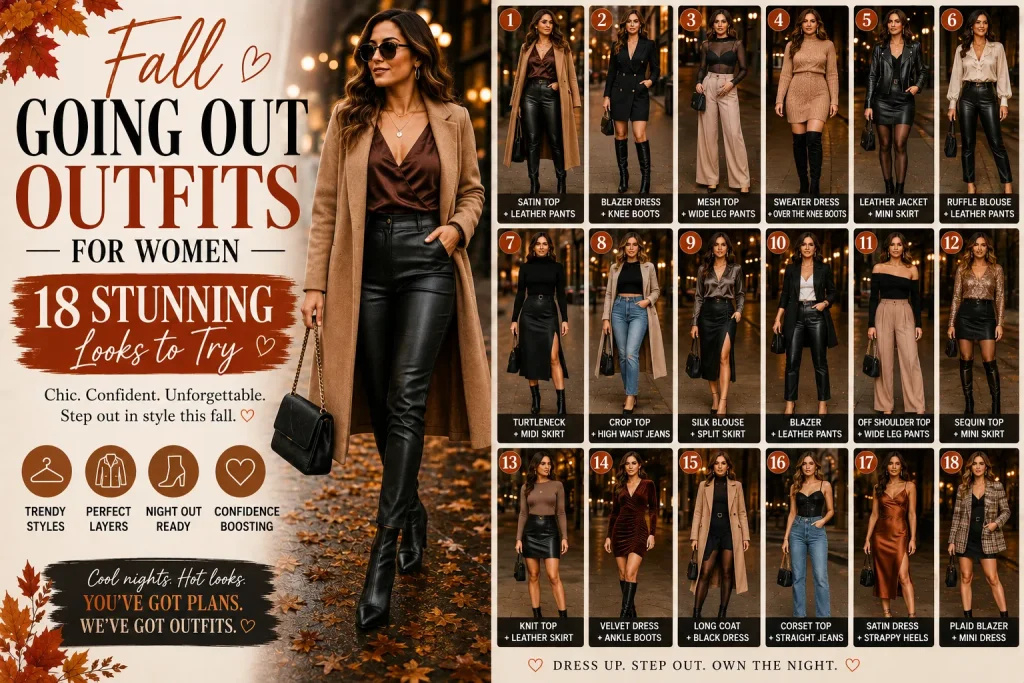
Boots make a summer dress feel ready for fall without adding heavy layers. Wear ankle boots with a midi dress, or choose knee-high boots with a shorter style for more coverage. Brown, tan, black, and burgundy pair well with common fall colors.
Match the boot shape to the dress. A fitted ankle boot works with a flowing dress, while a chunky boot balances a structured mini dress or denim skirt. Add a denim jacket for mild weather or a wool-blend coat when temperatures drop.
Avoid pairing delicate dresses with very heavy boots unless you want a strong contrast. If the outfit looks unbalanced, add another sturdy piece, such as a leather belt or structured shoulder bag.
Add Tights and Leggings
Tights let you extend the use of skirts and dresses as the weather cools. Start with sheer black tights for a polished look, then switch to opaque tights when you need more warmth. Ribbed or textured tights can add interest to a simple dress.
Wear fleece-lined tights under a short skirt on colder days, but check that they do not create bulky folds at the waist. Leggings work best under longer, loose-fitting dresses rather than fitted styles. Choose ankle-length leggings that sit smoothly inside boots.
For a softer transition, try dark brown, charcoal, or navy instead of black. These shades work well with cream, olive, rust, denim, and muted floral prints.
Layer Tops Beneath Sleeveless Styles
A fitted long-sleeve top can turn a sleeveless summer dress into a practical fall outfit. Choose thin cotton, ribbed jersey, or lightweight merino so the layer sits smoothly beneath the dress. Black, cream, and gray offer easy starting points, while a striped top adds clear contrast.
This method works especially well with slip dresses, pinafore dresses, and sleeveless shirt dresses. Keep the underlayer close to your body, then add a belt to define your waist if the outfit feels loose.
Avoid thick sweaters beneath fitted dresses, since they can bunch around the arms and waist. For a polished result, match the neckline of the top to the dress: a crew neck suits a simple shift, while a mock neck gives a slip dress a sharper fall look.
Update Footwear for Cooler Days
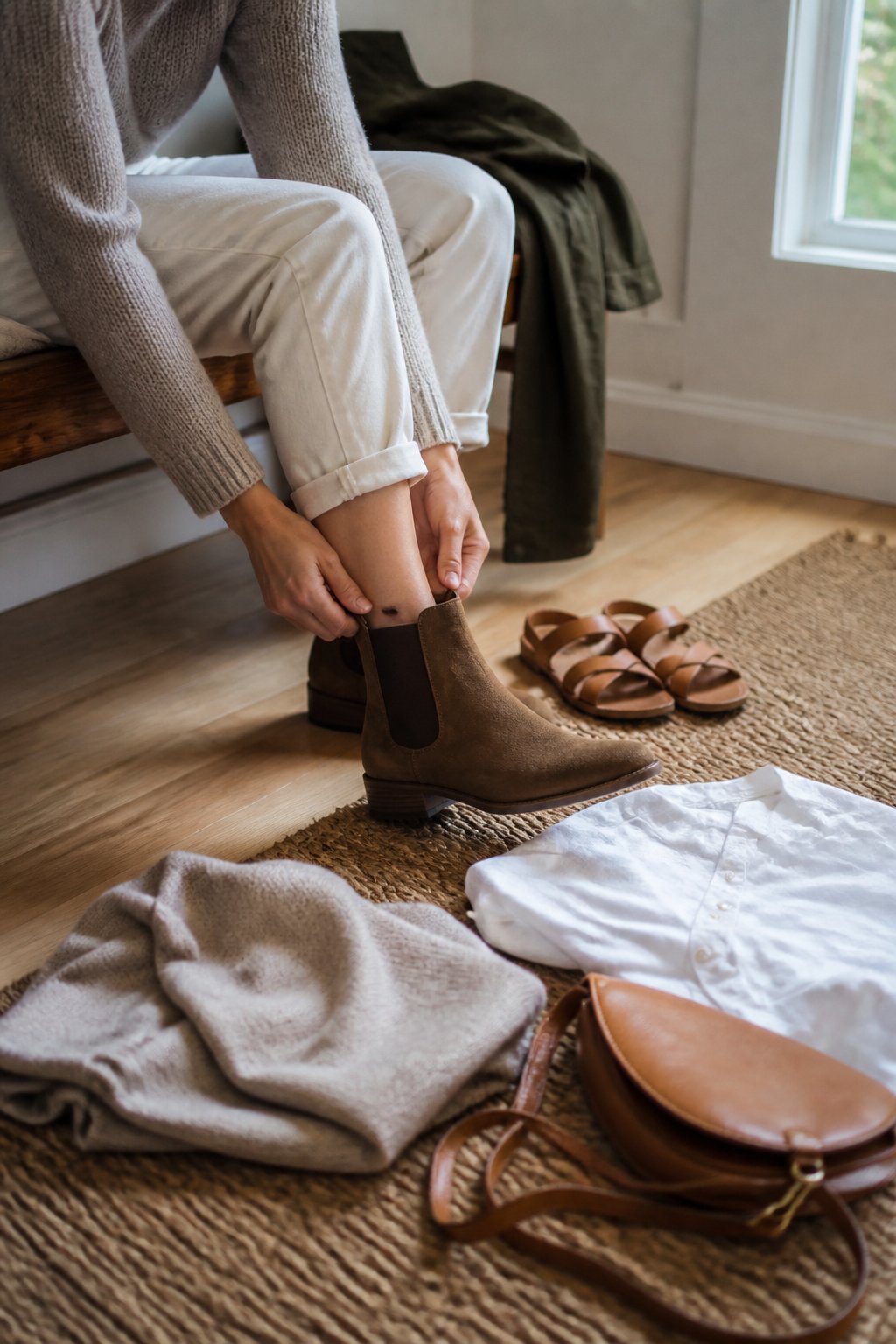
Use shoes to shift your summer outfits toward fall without giving up comfort. Loafers, ankle boots, and weather-ready sneakers add coverage while working with dresses, skirts, shorts, jeans, and lightweight trousers.
Move From Sandals to Loafers
Loafers offer more coverage than sandals while keeping outfits polished and breathable. Choose leather or suede styles in black, brown, burgundy, or tan. Pair them with a linen dress, cropped trousers, or straight-leg jeans.
Wear loafers with bare ankles during warmer afternoons. Add thin socks when mornings turn cool. Avoid thick athletic socks with slim loafers, since they can make the shoe feel tight and change the shape of your outfit.
For rainy days, choose treated leather instead of untreated suede. A rubber sole also gives you better grip on wet sidewalks. If your loafers rub, wear them at home with thin socks before taking them on a full day out.
Incorporate Ankle Boots
Ankle boots bring fall structure to summer pieces. Wear smooth leather boots with a floral dress, denim shorts, or a lightweight midi skirt. For a softer look, try suede boots with wide-leg jeans or a cotton shirt dress.
Select a low or stacked heel for daily wear. A rounded or almond toe gives your toes more room than a narrow pointed style. Keep the shaft close to your ankle when wearing cropped pants; excess fabric can bunch and make the outfit look untidy.
Suede works well on dry days but needs protection before use. For wet weather, choose leather or a water-resistant finish. Let damp boots dry naturally, away from direct heat, to help prevent cracking.
Select Weather-Ready Sneakers
Weather-ready sneakers help you handle cool mornings, light rain, and long walks. Look for a closed design, a firm rubber sole, and materials that resist moisture. Leather, treated canvas, and water-resistant mesh can work better than thin knit uppers.
Pair clean white sneakers with dark jeans and a light jacket. Choose gray, navy, or olive when you want less visible dirt. Low-profile sneakers suit dresses and skirts, while sturdier styles work well with cargo pants or relaxed denim.
Check the tread before fall begins. A smooth sole can slip on wet pavement, even when the shoe looks stylish. Keep a spare pair of dry socks in your bag on rainy days, especially when commuting.
Use Accessories to Signal the New Season
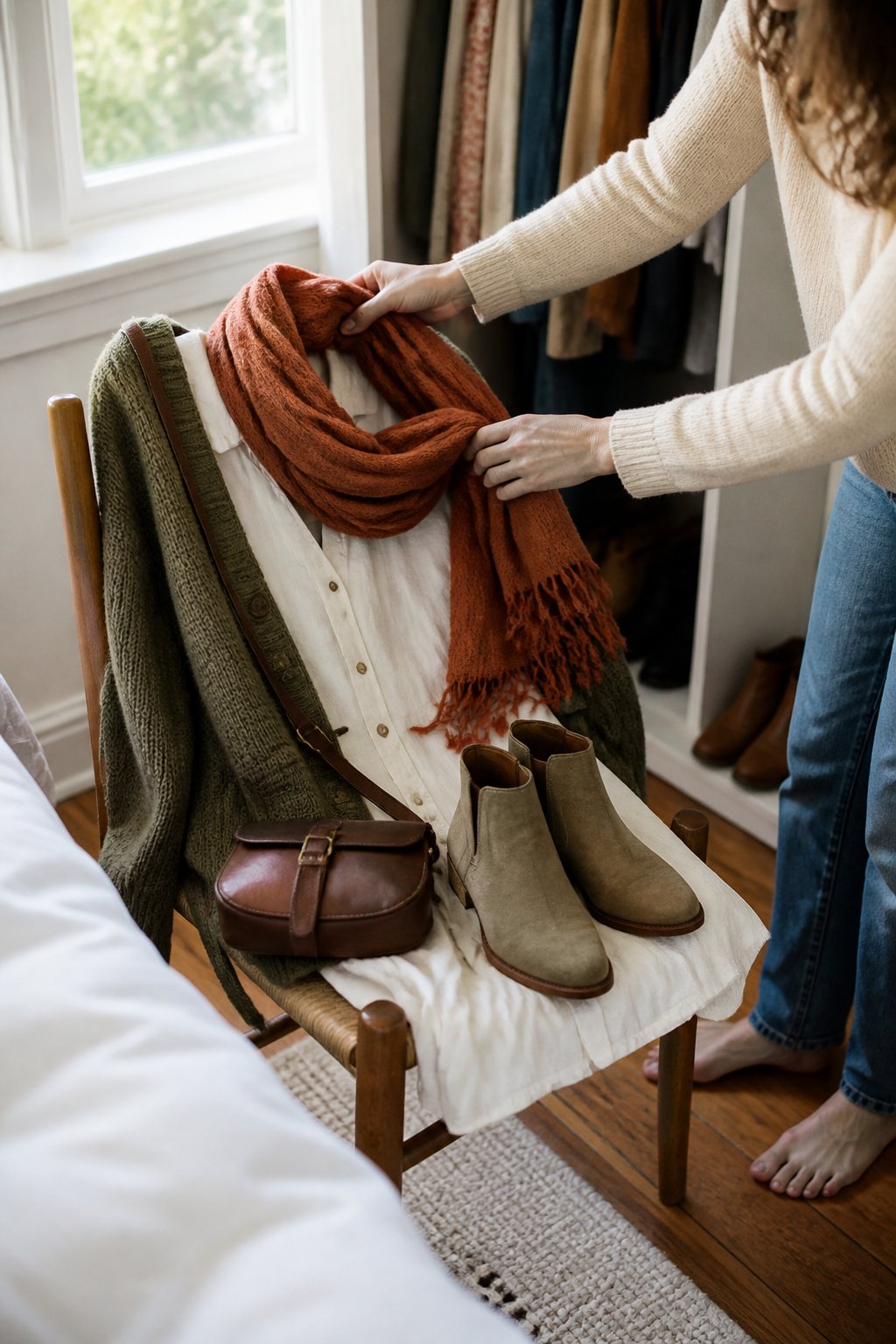
Small accessory changes can shift a summer outfit toward fall without replacing your entire wardrobe. Add texture, deeper colors, and practical shapes while keeping lightweight clothing in rotation.
Add Scarves and Structured Bags
A scarf adds warmth and autumn texture to a simple summer outfit. Choose cotton, light wool, or a thin knit for mild days. Wear a rust scarf with a white T-shirt and jeans, or loop a brown scarf around a linen shirt and midi skirt.
Use color to make the seasonal shift clear. Try olive, burgundy, camel, navy, or chocolate brown instead of bright tropical shades. Avoid wrapping a thick scarf with a lightweight dress if the weather remains warm; a loose drape looks more balanced.
A structured bag also makes an outfit feel more polished and suited to fall. Swap a woven beach tote for a leather, canvas, or sturdy faux-leather shoulder bag. Medium sizes work well because they hold a light layer without looking bulky.
Choose Seasonal Hats
Hats provide coverage on cool mornings and add fall detail without adding heavy layers. Try a felt fedora, wool-blend bucket hat, or simple knit beanie when temperatures drop. Choose breathable cotton or canvas before cold weather arrives.
Match the hat to your outfit’s shape. A structured hat balances a loose maxi dress, while a knit beanie works with jeans, sneakers, and a denim jacket. Neutral shades such as tan, charcoal, cream, and black pair easily with summer clothing.
Pay attention to fit. A hat that sits too tightly can leave marks, while one that slips distracts from the outfit. Keep the rest of your accessories simple so the hat supports the look rather than competing with it.
Refresh Jewelry Choices
Change bright, beach-inspired jewelry for pieces with warmer finishes and stronger shapes. Try gold hoops, brushed-metal earrings, a leather watch, or a pendant with a dark stone. These details work with summer dresses, tank tops, and linen shirts while adding a fall-appropriate tone.
Layer two or three delicate necklaces over a plain top, or wear one bold cuff with a short-sleeved dress. Combine metals carefully by repeating one finish, such as gold earrings with a gold buckle or watch.
Avoid wearing every seasonal accessory at once. A scarf, hat, large earrings, and statement bag can make a light outfit feel crowded. Choose one noticeable piece, then let the rest of your accessories support it.
Prepare for Changing Weather
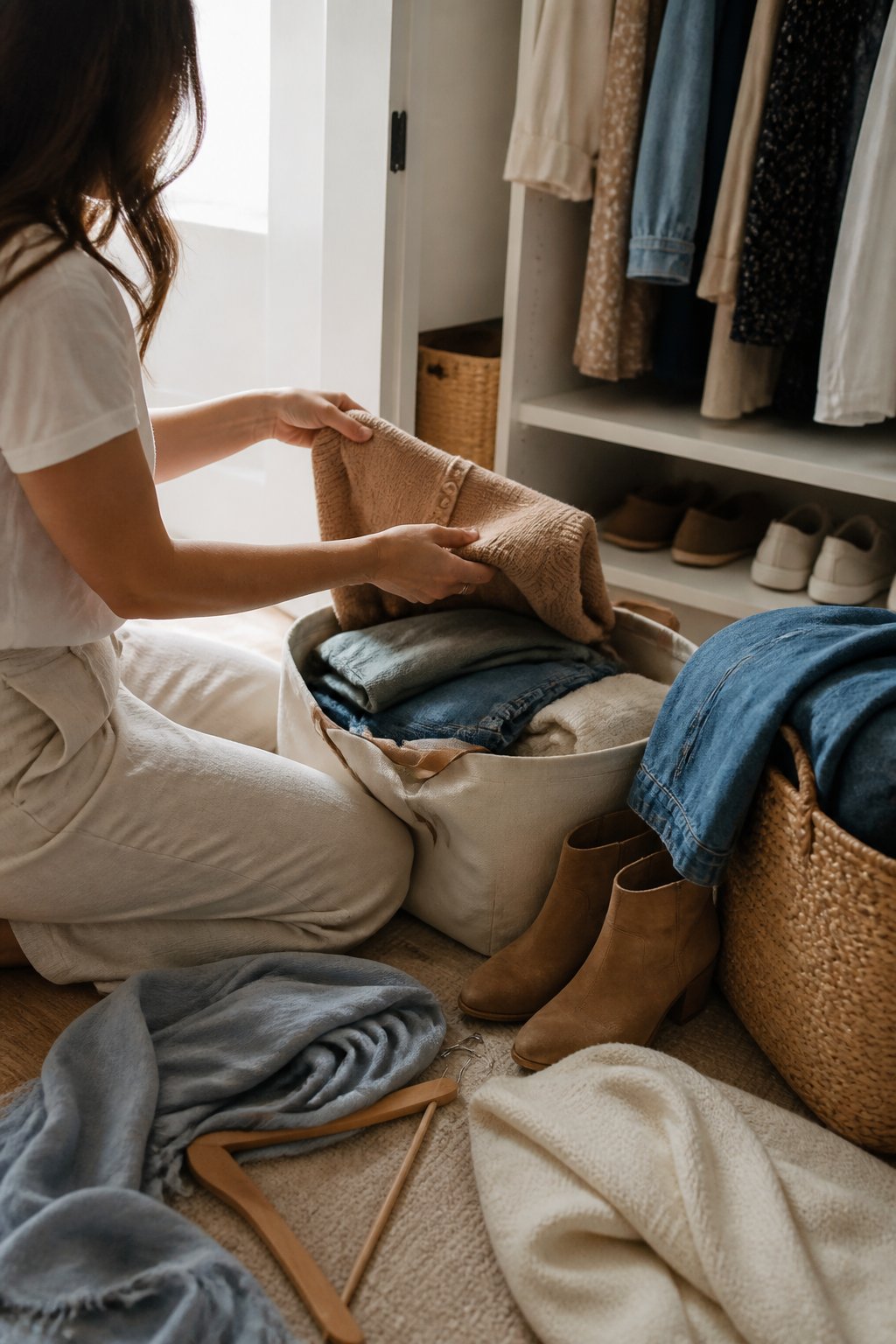
Dress in layers that you can add or remove as temperatures shift. A lightweight jacket, breathable midweight fabrics, and rain-ready shoes help you stay comfortable during cool mornings, warm afternoons, and sudden showers.
Keep a Lightweight Outerwear Option
Choose one versatile layer that works with most of your summer clothes. A cotton chore jacket, denim jacket, lightweight trench coat, or water-resistant windbreaker can cover a T-shirt, tank top, dress, or linen shirt without feeling too warm.
Look for a jacket with enough room for a thin sweater underneath. Neutral colors such as olive, navy, tan, black, and denim make outfit planning easier. If you commute, check the forecast before leaving and carry the jacket rather than wearing it when the afternoon will be mild.
Avoid packing away every summer piece too early. A floral dress with a denim jacket, or tailored shorts with a long-sleeved shirt, can suit early fall while the weather remains warm.
Balance Fabric Weights
Combine one lightweight summer fabric with one warmer fall fabric. For example, wear a linen shirt with dark jeans, a cotton dress with a fine-knit cardigan, or a silk camisole under a wool-blend blazer.
This approach prevents a common mistake: wearing heavy fabrics from head to toe before temperatures drop. Instead, let one item provide warmth while the rest of the outfit stays breathable.
Use thin knits, fine-gauge sweaters, and soft jersey first. Save thick wool, heavy corduroy, and lined boots for colder weeks. You can also adjust by area: wear a lightweight top with heavier trousers, or a summer skirt with an ankle boot and cardigan.
Plan for Rain and Temperature Swings
Build outfits around pieces that handle changing conditions. A water-resistant trench or shell works better than a heavy coat on a warm, wet day. Choose leather or treated boots, and avoid suede when rain is likely.
Keep a compact umbrella in your work bag or car. You can also carry a thin scarf, which adds warmth in air-conditioned offices and folds away when the temperature rises.
Check both the morning and afternoon forecast. A tank top may feel comfortable at noon but leave you cold after sunset, so pair it with a layer you can carry. Pack socks or shoes that dry quickly, and leave delicate fabrics at home when rain is expected.
Shop Strategically for Missing Fall Pieces
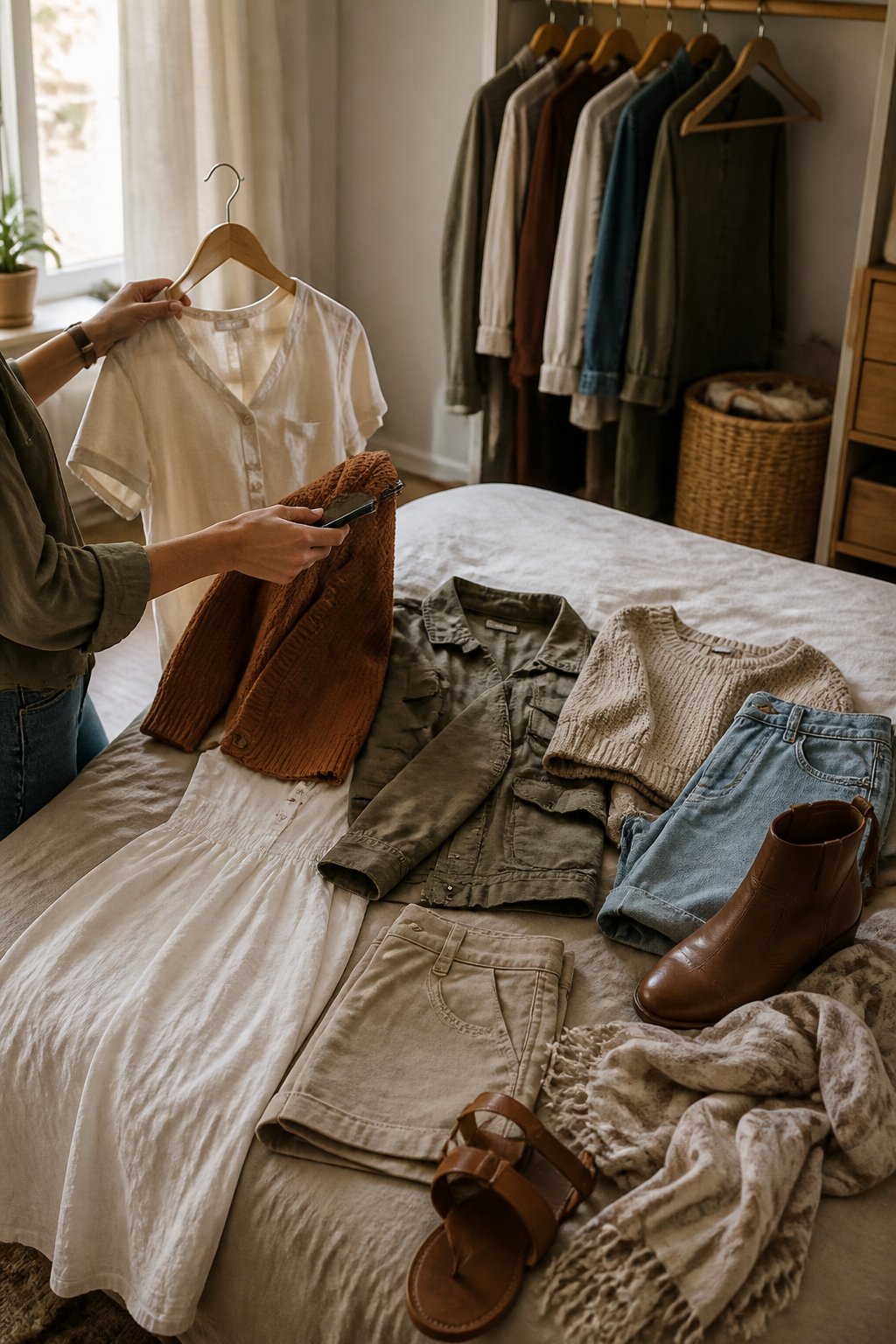
Build your summer-to-fall wardrobe around a few pieces that work across temperatures and outfits. Choose items that fill a real gap, then check your closet before buying anything similar.
Prioritize Versatile Investment Items
Start with pieces you can wear at least three ways. A lightweight jacket, such as a denim, utility, or suede style, can cover a summer dress, linen shirt, or simple T-shirt. A fine-gauge sweater also works over a slip dress, with jeans, or across your shoulders during warm afternoons.
Choose neutral colors when you need maximum use. Brown, olive, navy, cream, and charcoal pair easily with summer whites and brighter colors. Look for breathable fabrics and practical weights, especially if your area stays warm during the day.
Spend more on items you expect to wear often, such as well-fitting boots, a durable jacket, or straight-leg jeans. Check the fabric, stitching, comfort, and care instructions before buying. A costly piece that feels uncomfortable will not earn its place in your wardrobe.
Avoid Duplicate Purchases
Before shopping, group your current clothes by type. You may discover that you already own three light cardigans but lack a weatherproof layer or closed-toe shoes. A quick closet review prevents another purchase that solves no real problem.
Take photos of pieces you want to match, or keep a note with their colors and materials. This helps you avoid buying a jacket that clashes with your shoes or another sweater in nearly the same shade.
Use a simple test: Can you name three outfits with the new item using clothes you already own? If not, wait. Also check whether the piece suits your lifestyle, climate, and laundry routine. Buy the missing layer that makes several existing outfits easier to wear.
About the Author — Lena Harper
Lena Harper is a fashion writer and content strategist at Fashion Pops, known for creating thoughtful, trend-aware articles that feel both stylish and relatable. With a strong background in fashion journalism, she specializes in turning seasonal trends, outfit ideas, and styling concepts into easy-to-follow inspiration for modern women.
Her writing focuses on practicality without losing creativity — helping readers build outfits that feel current, wearable, and confident. When she’s not working on new articles, Lena enjoys exploring street style trends, discovering unique fashion finds, and curating inspiration boards that shape upcoming content at Fashion Pops.