What to Wear in 50 Degree Weather: Confident Layering Hacks for Chic Comfort
You want to step outside without guessing if you’ll freeze or sweat. You’ll learn simple, real-world ways to dress for 50°F so you stay comfortable all day, whether you’re running errands or heading to dinner.
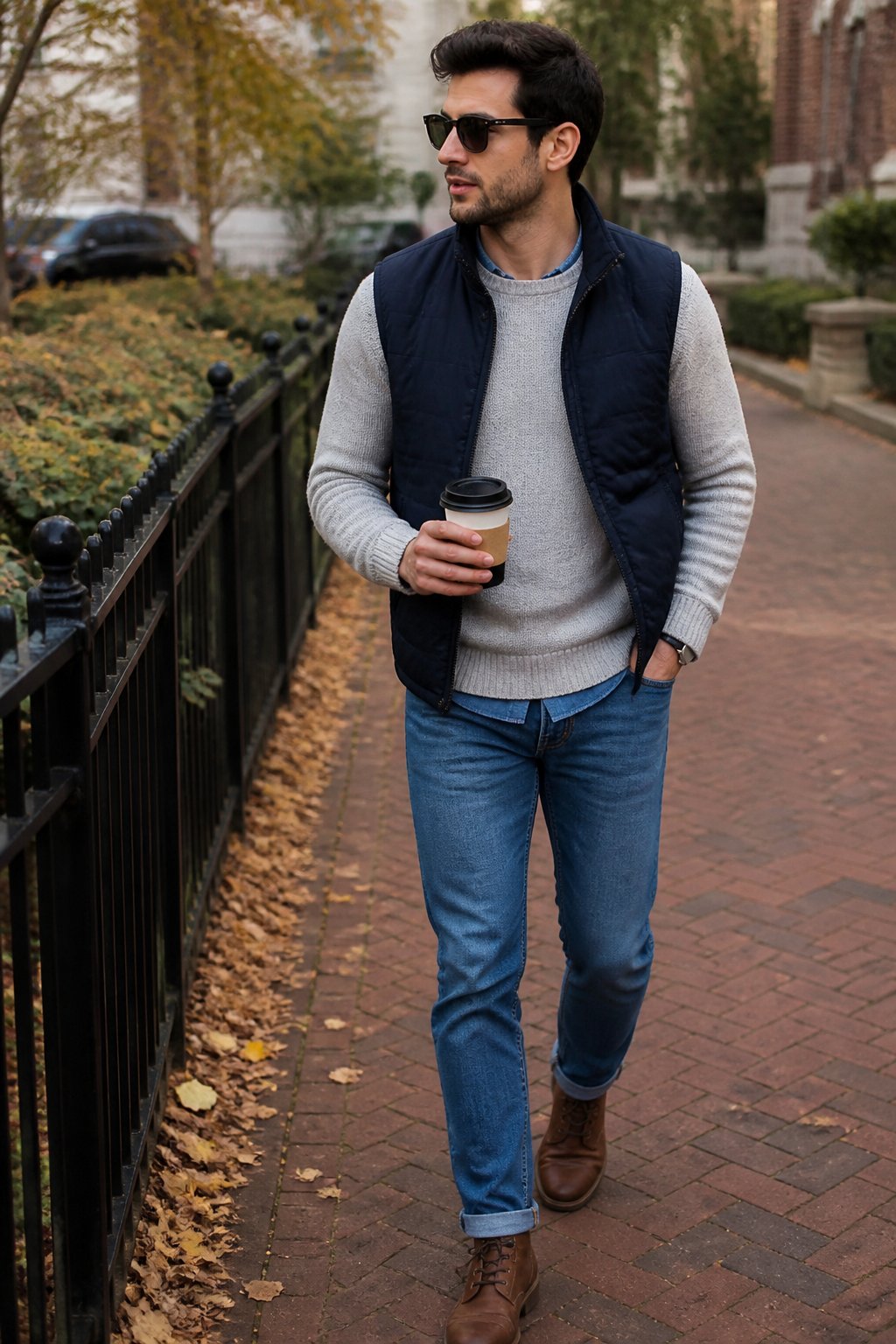
This article walks you through smart layering, practical outfit formulas, and weather checks that actually work. Expect easy examples, common mistakes to avoid, and clear steps to build looks from jackets and vests to shoes and accessories.
1. Layered lightweight trench coat with a cotton tee and denim jeans
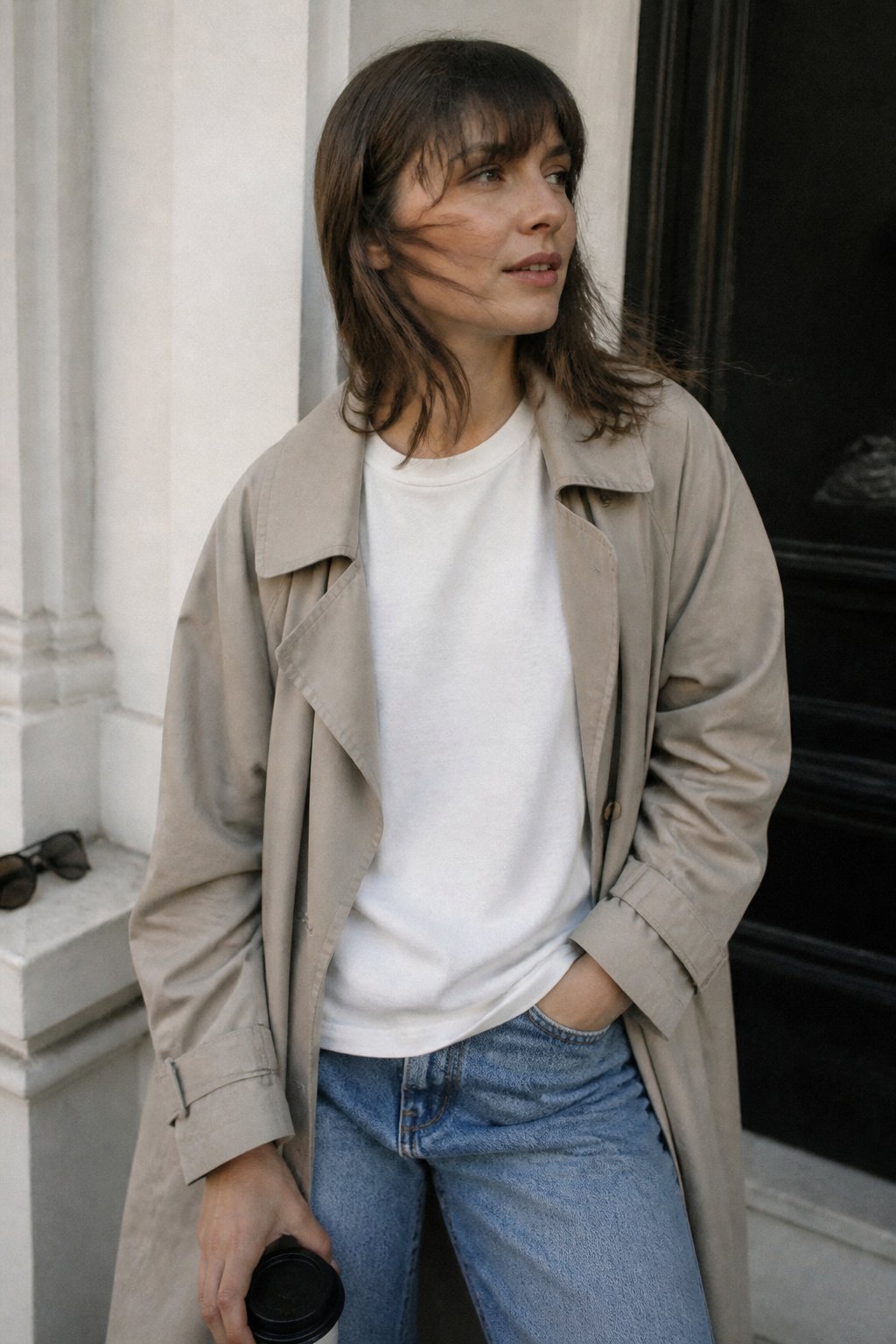
Guide: show you how to layer smart for 50°F without overheating.
Start with a fitted cotton tee as your base. It breathes and keeps you comfortable if the sun pops out.
Add a lightweight trench coat for wind and light rain protection. A neutral trench works with jeans and adds polish to casual looks.
Choose mid-weight denim — not too heavy, not too thin. Slim or straight cuts balance the trench and keep your silhouette clean.
Common mistake: wearing a bulky sweater under a trench. It limits movement and looks clumsy. Instead, grab a thin knit or long-sleeve tee if you need extra warmth.
Finish with ankle boots or clean sneakers and a simple belt. Try rolling the jeans cuff once to show your shoe and keep the outfit balanced.
2. Sleeveless knit vest over a long-sleeve button-down and wide-leg trousers
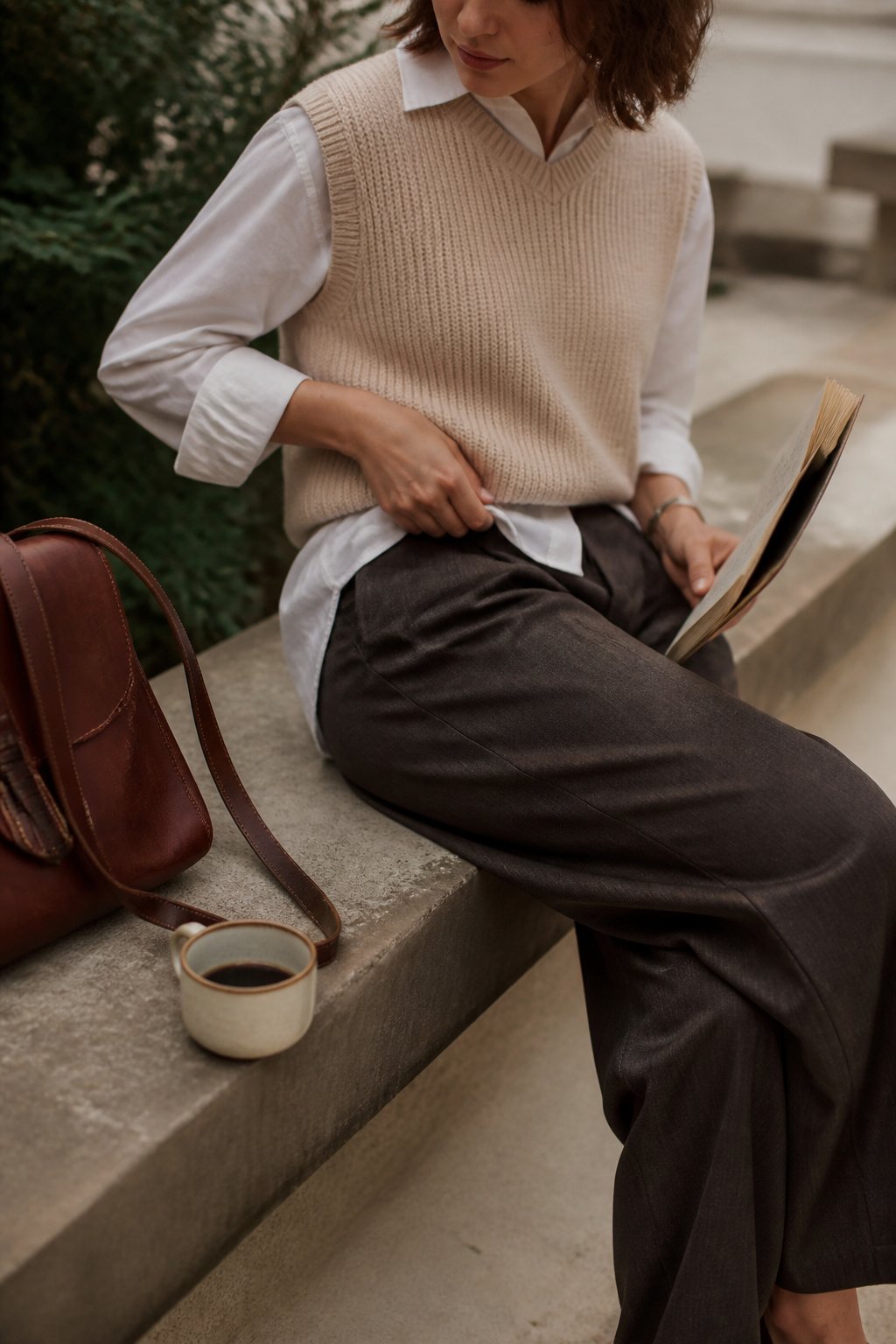
Guide: a layered outfit that keeps you warm without bulk in 50°F weather.
Layer a sleeveless knit vest over a crisp button-down to add insulation at your core while leaving arms free for movement. Choose a vest that hits at the hip so it doesn’t swamp wide-leg trousers; cropped or hip-length proportions look modern and balanced.
Pick a cotton or light wool shirt and tuck it into high-waist wide-leg trousers to keep your waist defined. Add ankle boots or loafers and a slim belt to avoid a boxy silhouette.
Common mistake: using an oversized vest with oversized trousers — that creates too much volume. Instead, mix one fitted or structured piece with one relaxed piece. Try a neutral vest with a patterned shirt for subtle interest.
3. Cropped wool blazer with a thin turtleneck and tailored chinos
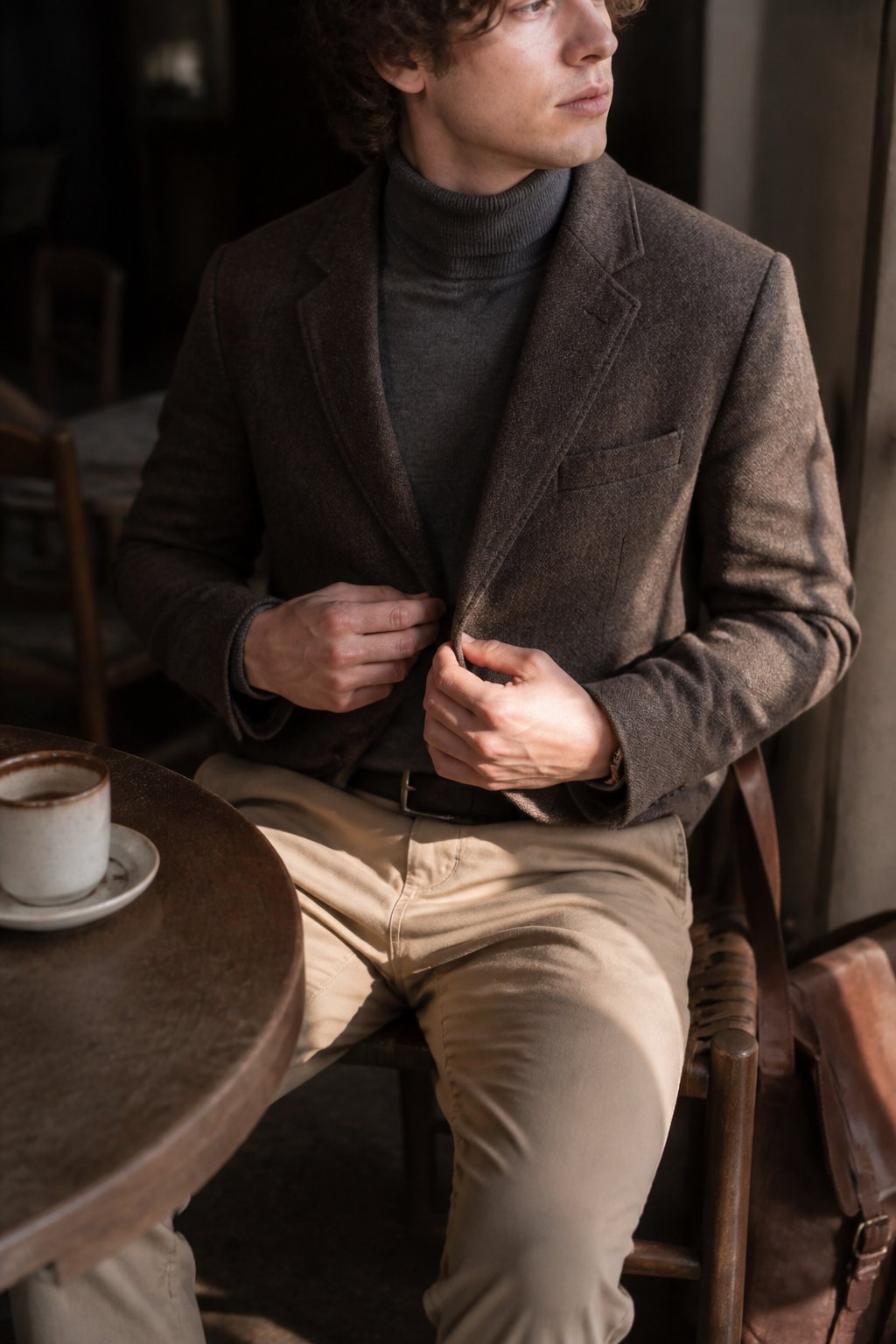
This outfit is a practical guide for 50-degree weather. Pair a cropped wool blazer with a thin merino or fine-cotton turtleneck to stay warm without bulk.
Choose a slim turtleneck so the blazer keeps a clean shoulder line; bulky knits will pull and look uneven. Match with tailored chinos to balance the cropped jacket—straight or slightly tapered legs work best.
Stick to neutral tones like camel, grey, or navy for easy pairing. Add ankle boots or loafers and a lightweight scarf if wind picks up. Common mistake: wearing an oversized blazer with a tight turtleneck—it bulks at the chest and ruins the silhouette.
Try swapping suede boots or leather sneakers to shift the look from smart to casual. Test your layers at home before you go out so you know you’ll be comfortable all day.
4. Fleece-lined moto jacket with a striped Breton top and black skinny jeans
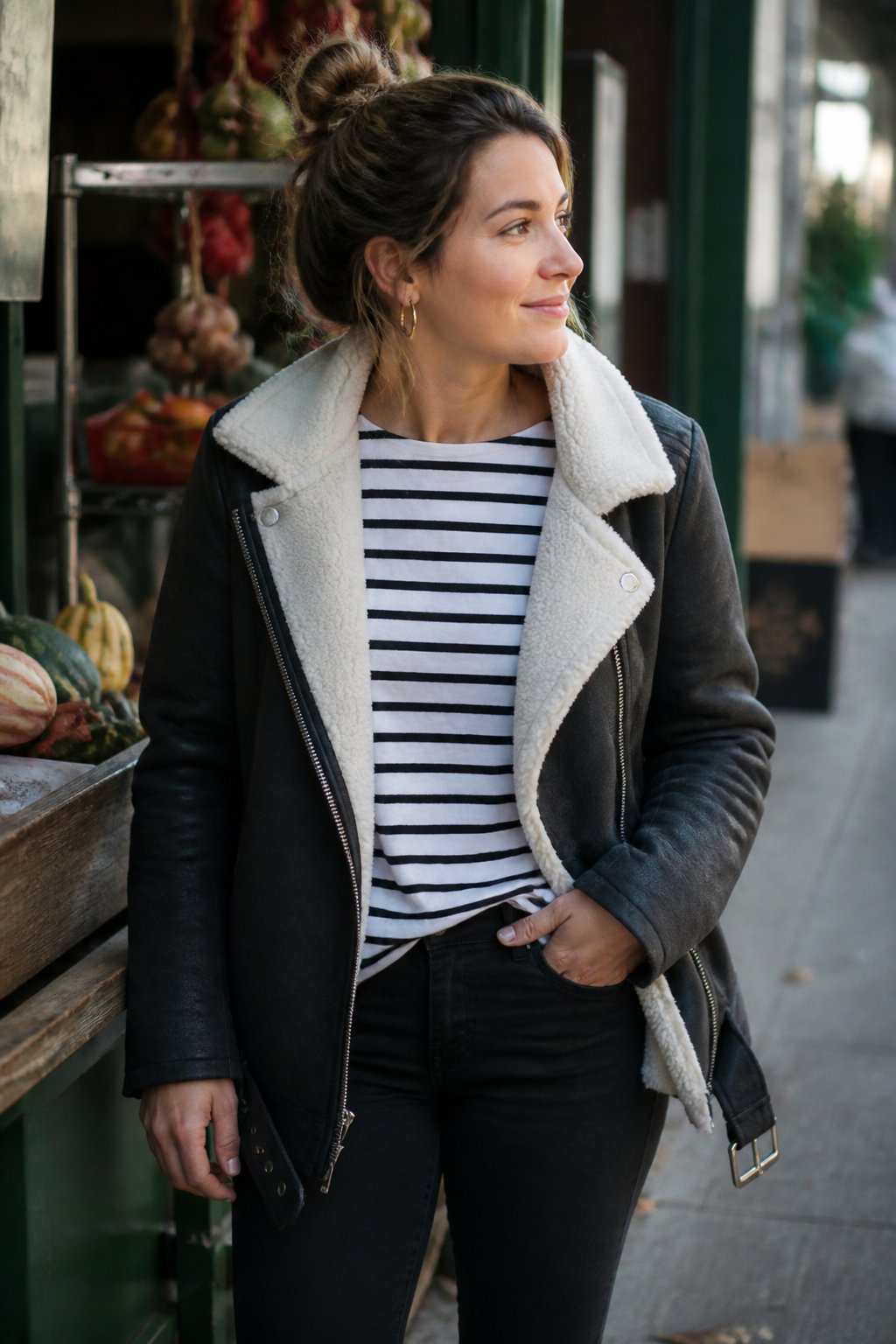
Guide: dress for warmth and style without bulk. Put on a fleece-lined moto jacket to block brisk 50°F wind while keeping a sharp silhouette.
Pair it with a Breton top for a clean, classic layer. The stripes add visual interest and balance the jacket’s edge.
Choose black skinny jeans to maintain slim lines and keep heat close to your body. Tuck the Breton into the waistband for a neat look and to avoid fabric bunching under the jacket.
Add ankle boots or low-profile sneakers to finish. Common mistake: wearing an oversized jacket—it hides the Breton and makes you look bulky. Try this outfit for errands, coffee dates, or a casual office day.
5. Oversized cardigan, graphic tee, and mid-length skirt with opaque tights
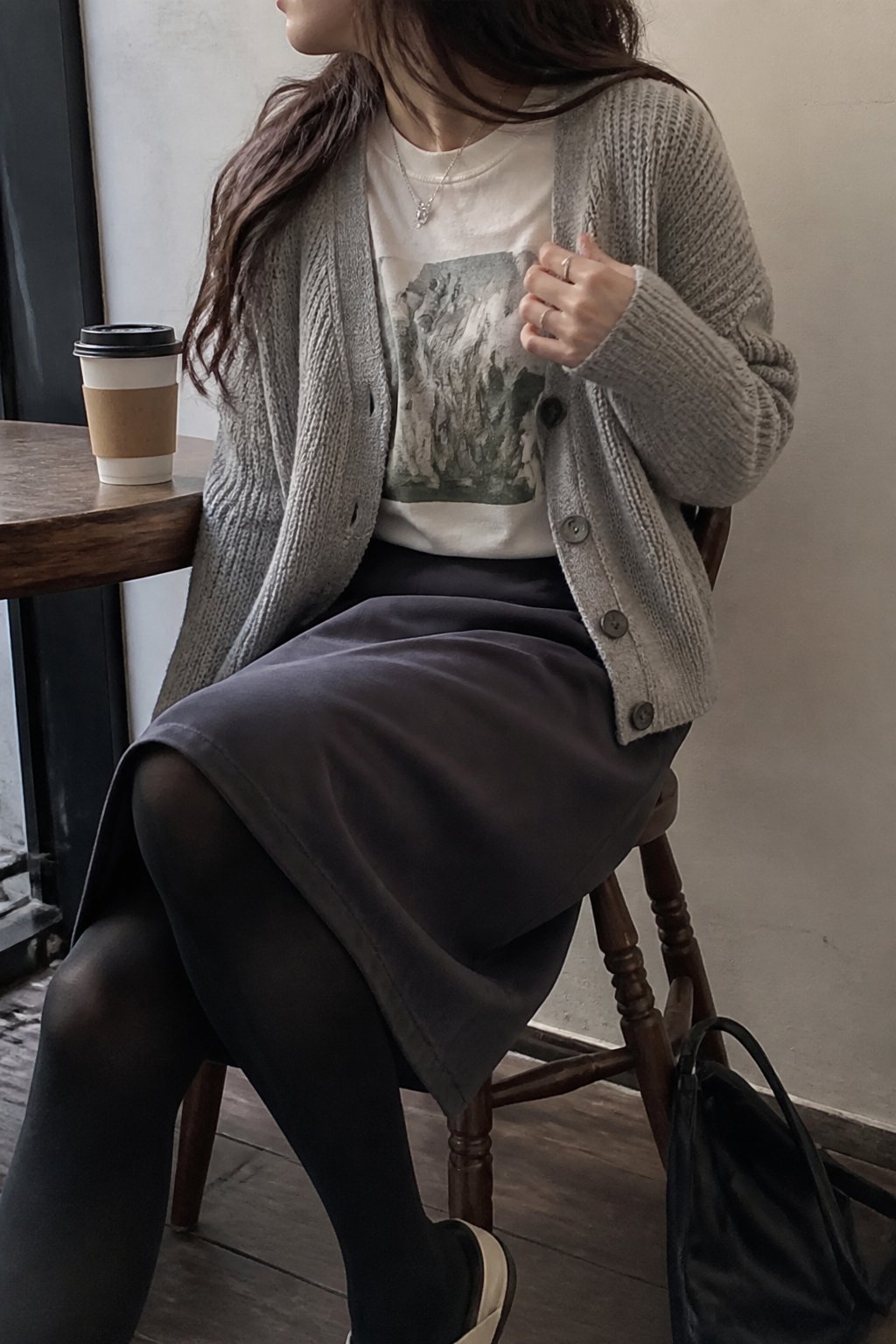
Guide: build a casual, layered look that keeps you warm without bulk.
Start with a soft oversized cardigan for cozy warmth and easy movement. Pair it with a graphic tee to add personality; tuck the tee into a mid-length skirt to keep the shape balanced. Opaque tights add insulation and let you wear skirts when it’s cool.
Choose a skirt fabric that moves—denim, corduroy, or a wool blend work well. Pick boots or chunky sneakers depending on the vibe. A belt over the cardigan can stop the outfit from looking too slouchy.
Watch for proportions: if the cardigan is very boxy, choose a more fitted skirt. If you’re unsure, try a neutral cardigan and a bold tee to test the combo. Try it once and tweak layers until it feels right.
6. Quilted bomber jacket with a crewneck sweater and slim joggers
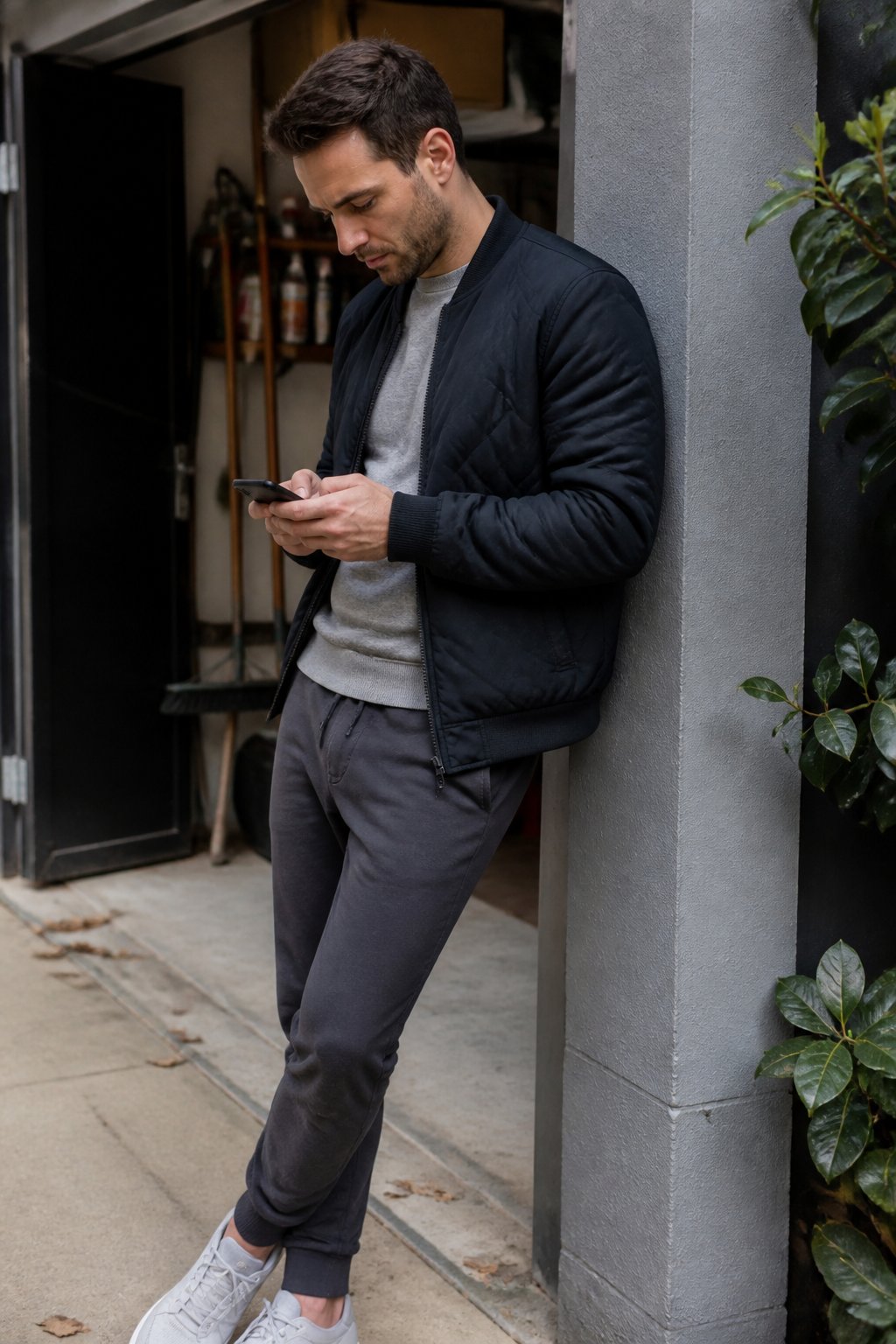
Guide: style and warmth for casual days.
Pair a lightweight quilted bomber with a fitted crewneck sweater to keep heat close to your body without bulk. Slim joggers balance the jacket’s boxy shape and keep the look modern and easy to move in.
Choose a thin knit crewneck in a neutral color so the quilted texture stands out. Avoid oversized sweaters that make the jacket look sloppy; a trim fit reads sharper and layers better. For shoes, go with low-profile sneakers or desert boots depending on the mood.
Common mistake: wearing thick fleece joggers that add bulk. Try tapered cotton or technical fabric joggers instead. Test the combo before you head out to ensure comfort and mobility.
7. Denim jacket, linen shirt, and chino shorts with calf-high socks

Guide: build a smart, layered outfit that handles cool mornings and warmer afternoons.
Start with a lightweight denim jacket for wind resistance and classic style. Pair it with a breathable linen shirt—leave it untucked for a relaxed look or button one or two buttons for warmth.
Choose chino shorts in a neutral tone like olive or stone to keep the outfit balanced. Keep shorts just above the knee so the proportions match the jacket and shirt.
Add calf-high socks and clean sneakers or suede loafers to bridge the gap between cool and warm. Avoid thick wool socks; pick a cotton blend to prevent overheating.
Common mistake: wearing bulky socks with a light jacket—this looks unbalanced. Try the outfit first indoors to tweak sleeve length and cuff placement.
8. Lightweight puffer vest over a hoodie and straight-leg jeans
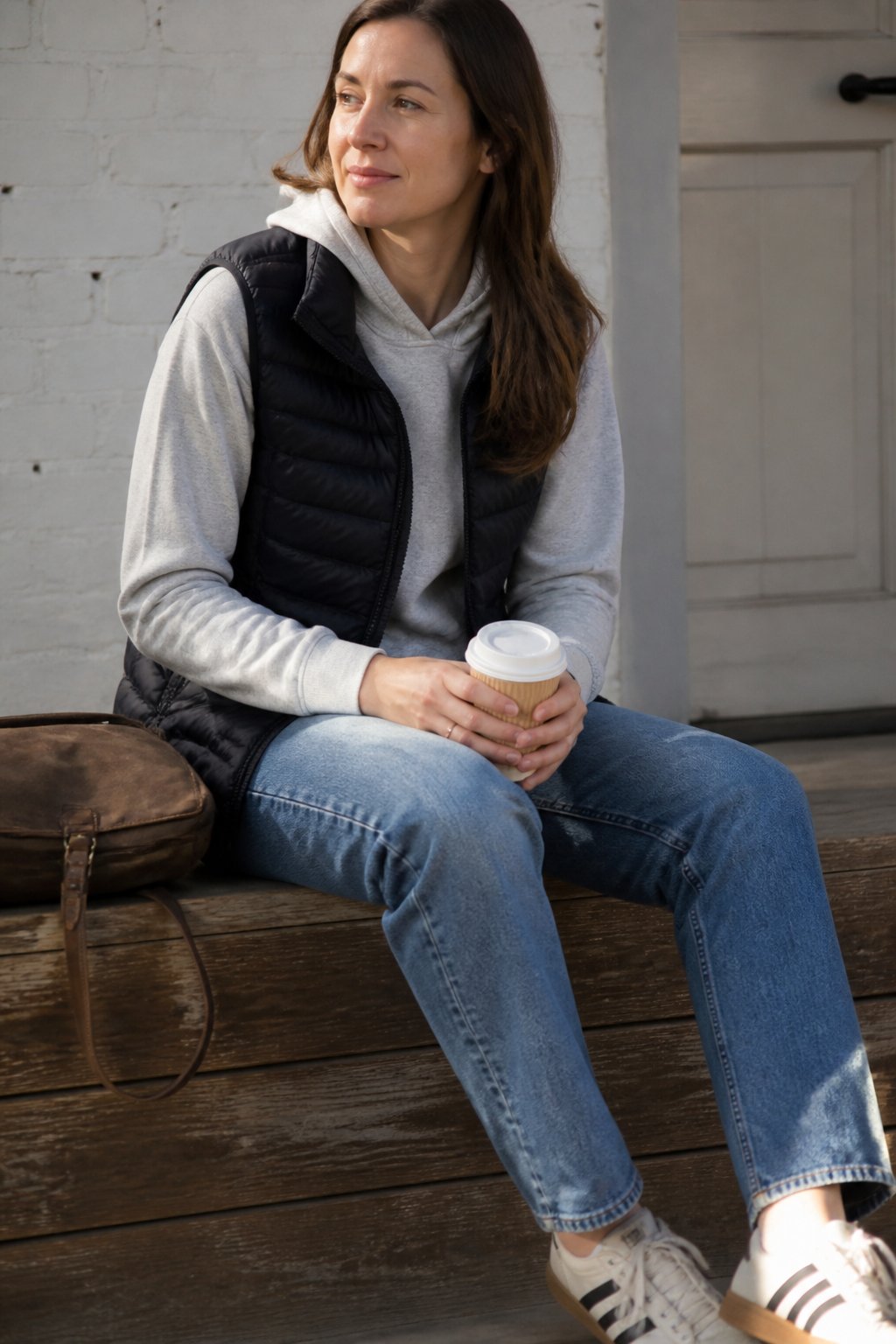
Guide: a simple layered outfit that keeps you warm without overheating.
Start with a fitted hoodie for a clean base. Pull a lightweight puffer vest over it to trap core heat while leaving your arms mobile. Choose a neutral vest and a contrasting hoodie to keep the look sharp.
Pair with straight-leg jeans for balance. The straight cut keeps the outfit modern and comfortable whether you walk or sit. Tuck the hoodie front slightly into the waistband for a tidy silhouette.
Common mistake: don’t pick an overly puffy vest—too bulky hides shape and adds heat. Also avoid baggy jeans or the outfit reads sloppy. Finish with low-top sneakers or ankle boots and a beanie if it’s breezy; small accessories matter.
9. Leather riding boots, midi dress, and a lightweight scarf
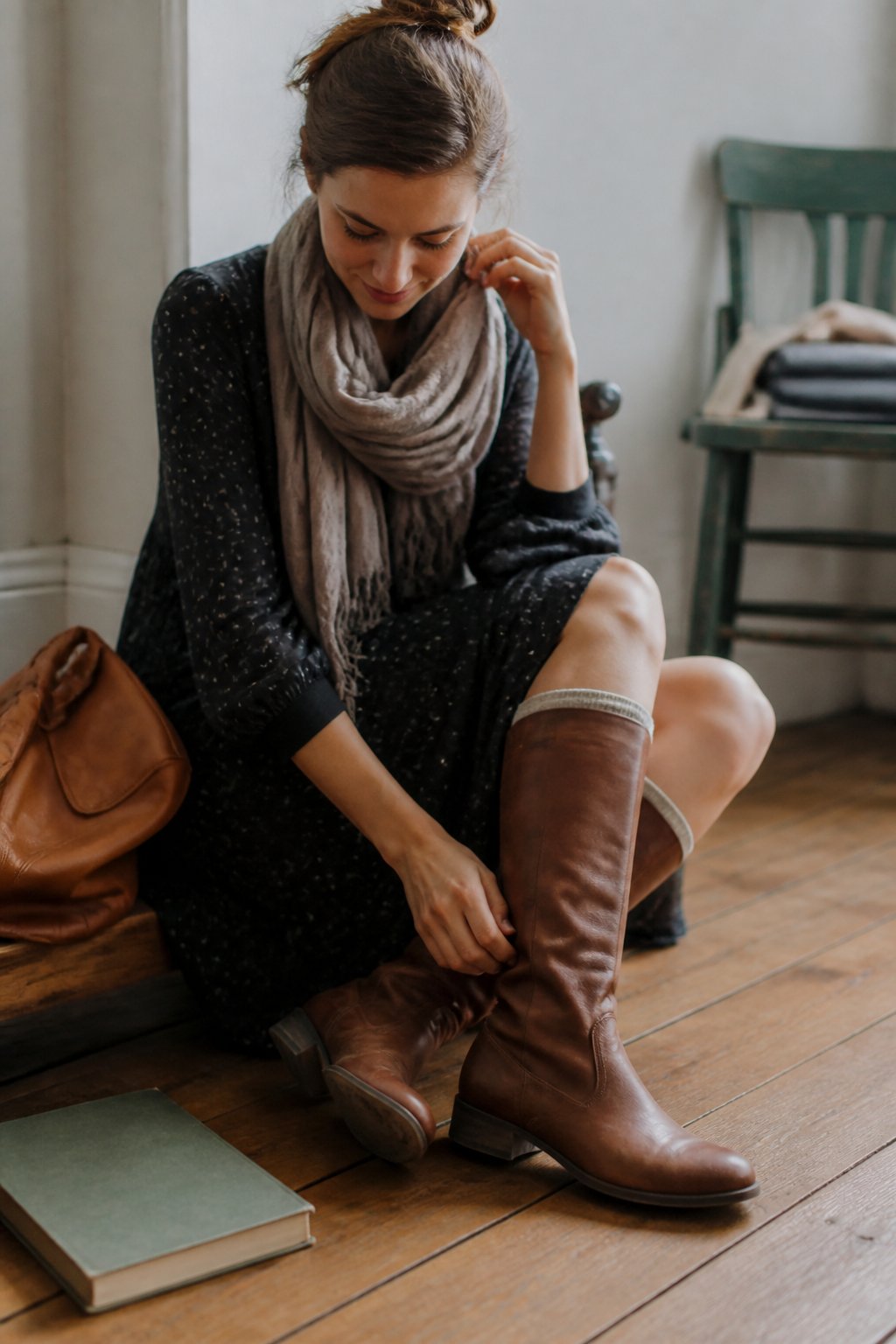
Guide: a polished, practical outfit for 50°F days that balances warmth and breathability.
Pair a long-sleeve midi dress with leather riding boots to keep your legs covered without bulk. Choose a dress in a light knit or cotton blend so you stay comfortable if the sun warms up.
Add a lightweight scarf for a quick layer around your neck or shoulders. Pick a neutral or patterned scarf to lift the outfit; avoid heavy wool that can overheat by midday.
Common mistake: wearing thick socks that bunch under the boots. Aim for thin, breathable socks or boot liners for comfort and a smooth fit. If the morning is chillier, throw on a cropped denim jacket for extra warmth that won’t hide your dress silhouette.
10. Chunky white sneakers with cropped jeans and a long-sleeve henley
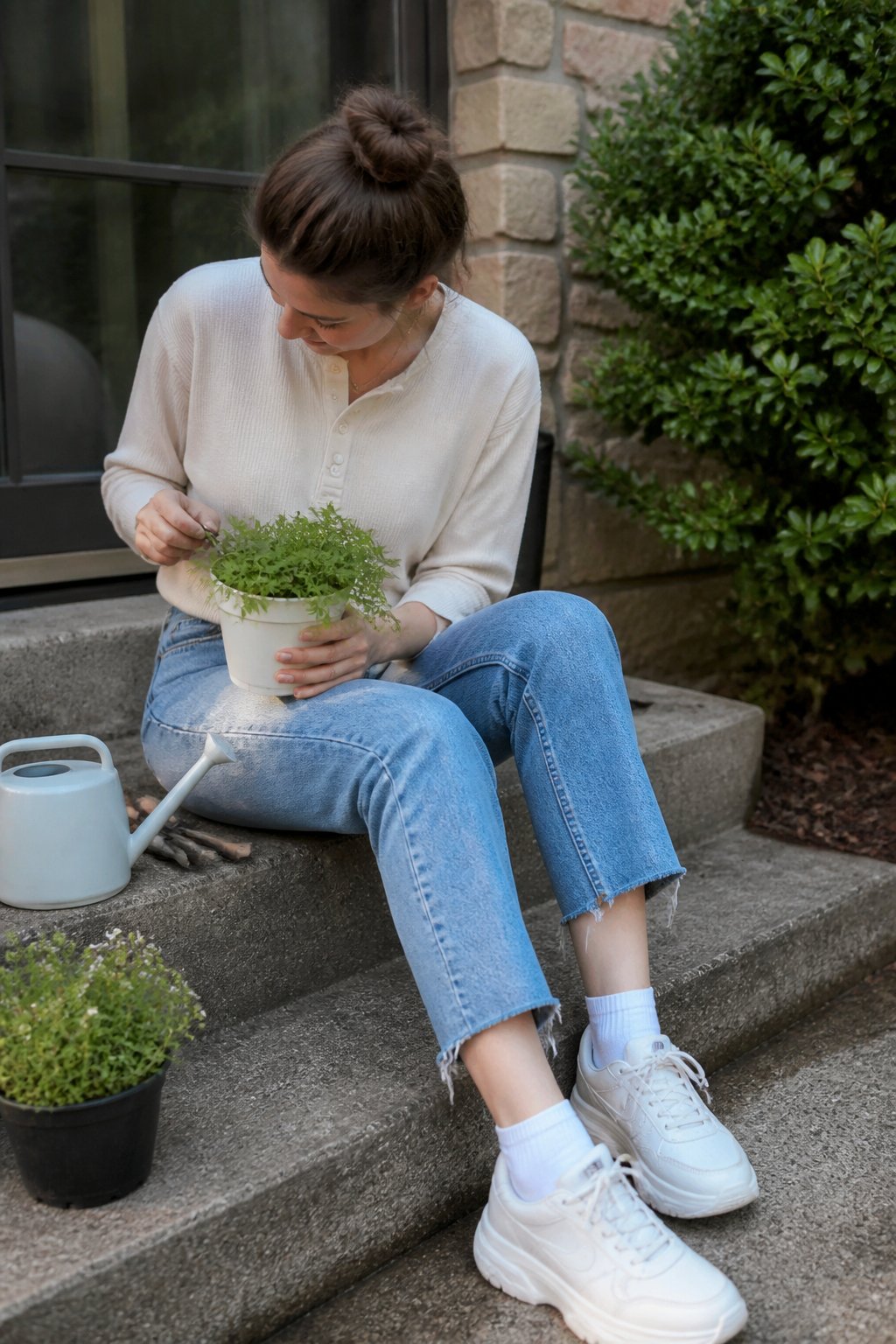
Guide: a casual, weather-ready outfit that balances warmth and breathability.
Pair cropped straight or slightly tapered jeans with chunky white sneakers to keep the look modern and grounded. The crop shows a bit of ankle and prevents the outfit from feeling heavy at 50°F, while the sneakers add a sporty edge.
Choose a long-sleeve henley in a midweight cotton or a cotton-blend for gentle warmth without bulk. Button the top one or two buttons to control airflow; layer a thin hoodie or lightweight jacket if wind picks up.
Watch for common mistakes: avoid overly baggy jeans that hide your shoe shape, and don’t pick spotless, stiff sneakers that look out of place with casual denim. Try a neutral henley (olive, gray, or navy) for easy mixing, and cuff the jeans slightly to show the shoe silhouette. Give this combo a try and adjust layers based on how cool your day feels.
Understanding Layering Principles
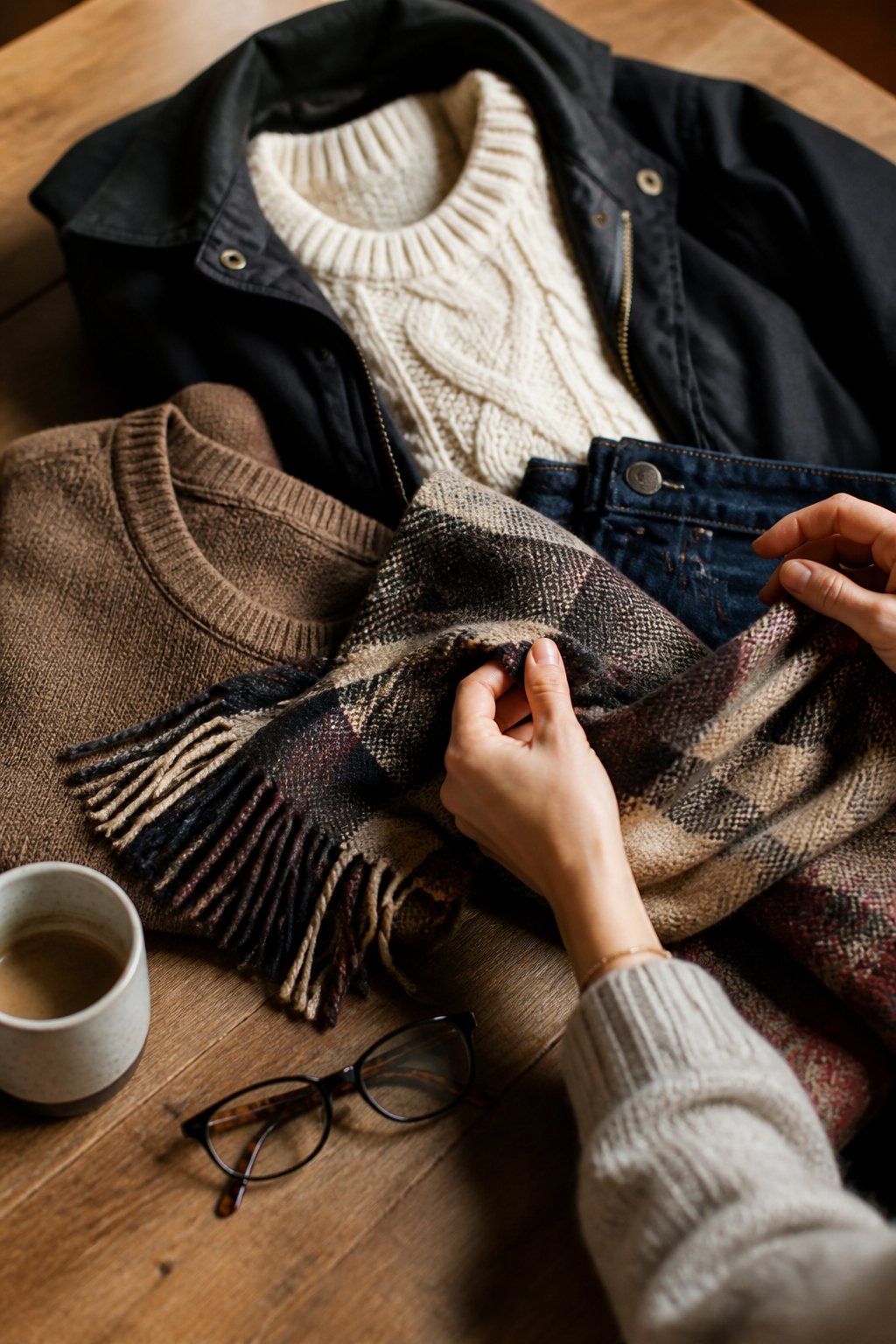
This section helps you pick the right fabrics, order pieces for warmth and breathability, and choose outerwear that adapts as the day changes.
Base Layers and Their Importance
Intent: guide you to choose a base layer that controls moisture and sets the stage for comfort.
Your base layer sits next to skin and decides whether you feel clammy or dry. Choose materials that wick sweat: merino wool or synthetic blends (polyester or nylon) work best. Avoid cotton; it holds moisture and chills you when temperatures drop.
Fit matters. A snug but not tight shirt traps a thin warm air film and moves sweat to the outer layers. For activities like brisk walking or a commute, pick a lightweight merino tee. For lower activity or windier mornings, select a slightly heavier-weight base.
Common mistake: layering purely for looks. If your base layer fails to move moisture, thicker mid-layers won’t help. Keep one or two reliable base shirts in neutral colors for mixing and matching.
Mid-Layer Benefits
Intent: show how to use the mid-layer to add warmth and regulate temperature.
The mid-layer provides insulation and can be changed through the day. Fleece, light down, or a synthetic insulated vest are your best bets. Fleece breathes and dries fast; thin down packs small and gives excellent warmth-to-weight.
Match mid-layer thickness to your activity. Walking around town? A light fleece or sweater works. Standing outside or sitting at a café? A thin down jacket or insulated sweater keeps you comfortable.
Tip: prefer zip fronts so you can vent quickly. Avoid bulky knits that trap moisture. Pocket placement matters—zip pockets keep your phone and hands warm without adding bulk.
Outerwear Considerations
Intent: guide you to pick an outer layer that blocks wind and moisture while letting heat escape.
Your outer layer protects from wind and light rain and must breathe. A lightweight shell with a water-resistant coating or a trench-style coat works well at 50°F. Look for adjustable cuffs, a hem drawcord, and a hood you can stow.
For style and function: a tailored raincoat or a casual bomber with a windproof lining both work. If rain is likely, prioritize a waterproof membrane (e.g., coated nylon) over just a water-repellent finish. If wind is the issue, a windbreaker with a smooth inner lining layers easily over mid-layers.
Common mistake: choosing an outer layer that’s too tight. Leave room for your mid-layer and mobility. Check for vents or zippers that let excess heat escape when the sun comes out.
Weather-Related Clothing Factors
This section helps you choose clothes that match real conditions, not just the number on the thermostat. Focus on wind, rain, and how much the temperature will drop after sunset when you plan outfits for 50°F days.
Wind and Precipitation Considerations
Wind makes 50°F feel colder fast. Bring a lightweight windbreaker or a thin, insulated jacket with a windproof shell. Look for jackets with elastic cuffs and a drawcord hem to seal out drafts. If you expect gusts over 15 mph, add a thin fleece or a sweater under your shell for core warmth.
Rain changes fabric choices. Choose water-resistant outer layers and avoid cotton next to your skin; it soaks and chills. Pack a compact umbrella and wear shoes with some traction and water resistance. Common mistake: wearing a heavy coat that traps sweat—layer instead so you can remove pieces if you warm up.
Quick checklist:
- Windproof jacket with adjustable cuffs
- Thin midlayer (fleece or knit)
- Water-resistant outer or umbrella
- Non-cotton base layer and water-resistant shoes
Daytime vs Evening Temperature Shifts
Daytime highs near 50°F often climb a few degrees in sun but can dip quickly after sunset. Plan a removable midlayer like a cardigan or vest you can tuck into a bag. For evening plans, add a slightly warmer jacket (insulated or lined) rather than relying on a single light layer.
Consider activity level. If you’ll be walking or biking, choose breathable fabrics to avoid sweating. If you’ll be standing outdoors, favor a thicker midlayer and a hat to retain body heat. A common error is underestimating evening wind chill—bring a scarf or neck gaiter if you’ll be outside after dark.
Simple evening kit:
- Packable insulated jacket
- Scarf or neck gaiter
- Layer you can easily add or remove
About the Author — Lena Harper
Lena Harper is a fashion writer and content strategist at Fashion Pops, known for creating thoughtful, trend-aware articles that feel both stylish and relatable. With a strong background in fashion journalism, she specializes in turning seasonal trends, outfit ideas, and styling concepts into easy-to-follow inspiration for modern women.
Her writing focuses on practicality without losing creativity — helping readers build outfits that feel current, wearable, and confident. When she’s not working on new articles, Lena enjoys exploring street style trends, discovering unique fashion finds, and curating inspiration boards that shape upcoming content at Fashion Pops.