What to Wear in Greece Summer: 10 Must-Have Stylish Essentials to Wow
You want to look and feel good in Greece without overpacking or overheating. Travel light, pick breathable fabrics, and balance comfort with simple style so you can move easily from ferry rides and cobbled streets to seaside dinners.
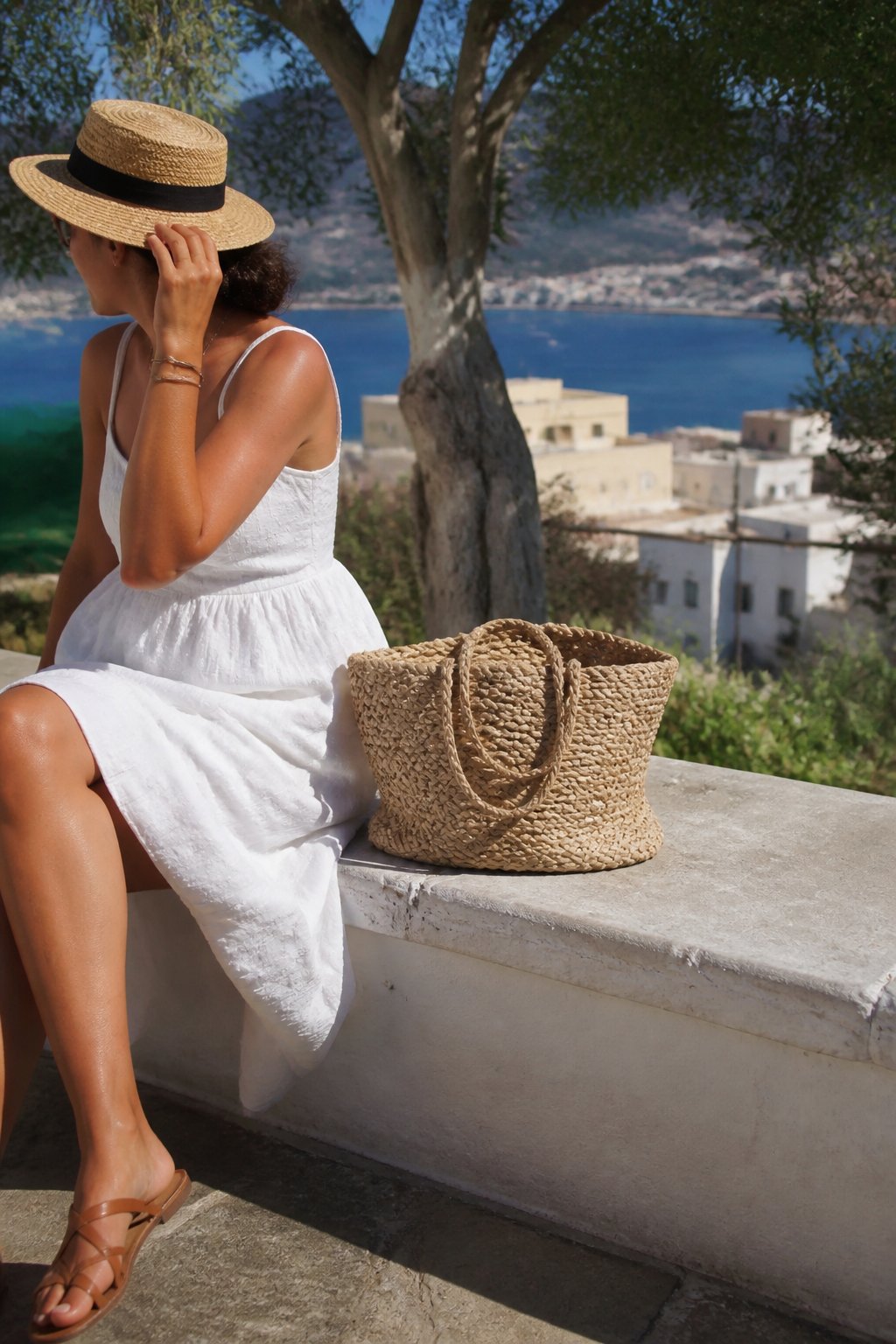
You’ll learn exactly which lightweight pieces, shoes, and sun protection to pack so you stay cool, respectful of local norms, and ready for every summer activity. Expect practical tips, common packing mistakes to avoid, and clear guidance on fabrics, hats, bags, and footwear that suit islands and cities alike.
1. Lightweight linen shirt (white)
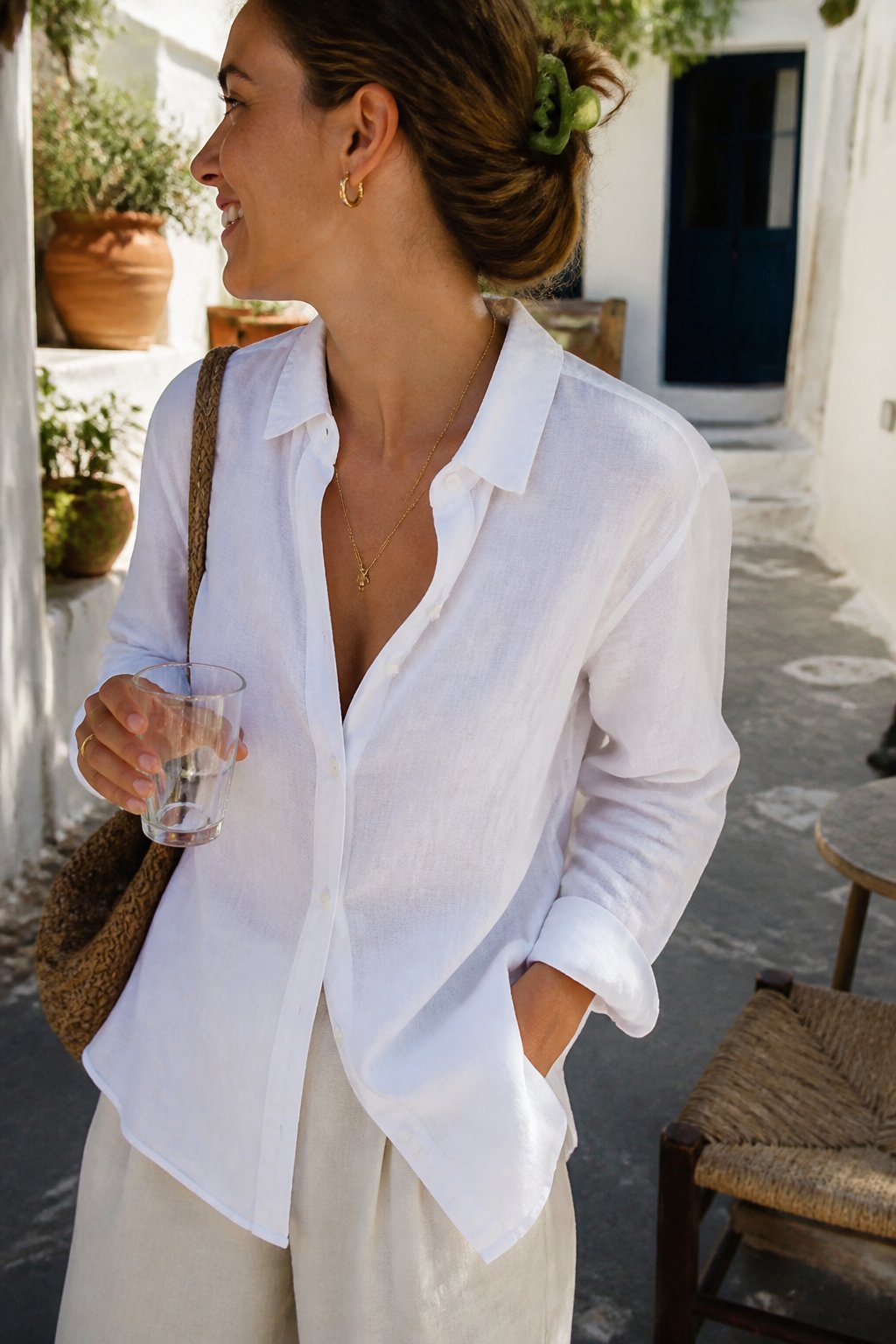
Guide: choose a breathable white linen shirt to stay cool and look sharp in Greece.
Pick a loose-fit shirt with natural linen; it breathes and dries fast. Roll the sleeves for day trips and unroll them for dinner to shift from casual to tidy.
Wear it with chino shorts, wide-leg linen pants, or over a swimsuit on the beach. A thin undershirt helps with sun protection and prevents see-through in bright light.
Avoid stiff, heavy linens that trap heat or shirts that cling when wet. Test a shirt before travel—move, sit, and tuck to spot awkward seams or bunching.
Bring one you can machine wash or hand-wash easily. Pack a travel-size fabric spray to refresh it between wears.
2. Breathable cotton sundress (midi)
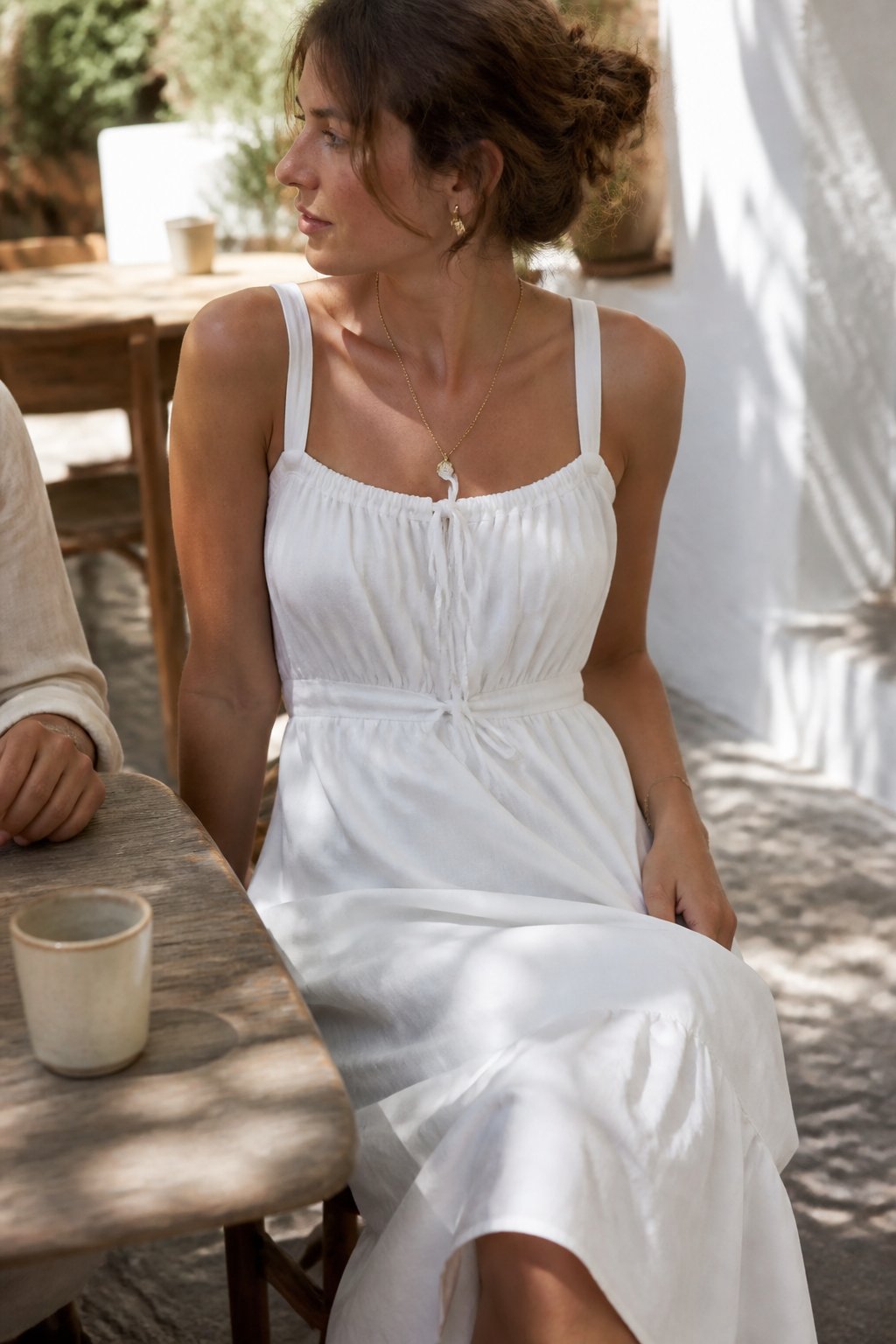
Guide: choose a lightweight cotton midi that keeps you cool while looking put-together.
A cotton midi hits mid-calf, so it protects from sun and feels breezy on hot island afternoons. Pick natural cotton or gauze for airflow; avoid thick blends that trap heat. Neutral colors or small prints hide sunscreen smudges and pair easily with sandals.
For styling, add a wide-brim hat and low-heeled espadrilles for a day of sightseeing. If you plan to enter churches, bring a light scarf to cover shoulders — many dresses work with a thin wrap. Common mistake: buying a tight silhouette; opt for a looser cut to allow air and movement.
If you expect evening breezes, layer a thin linen shirt or cardigan over the dress. Try it on with your shoes before packing to check length and comfort.
3. Wide-brim straw hat (packable)
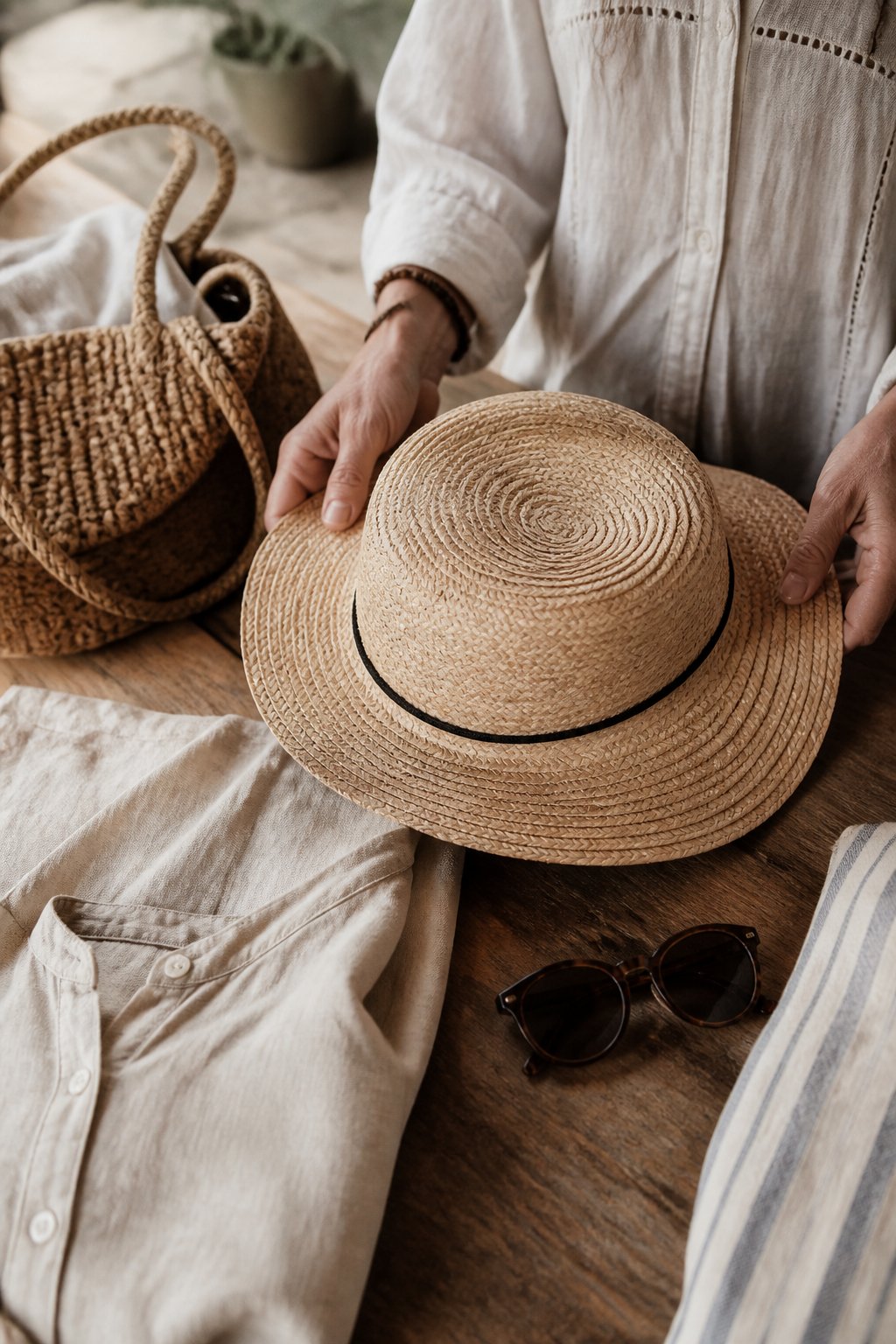
Guide: wear a packable wide-brim straw hat to stay cool and shaded while exploring islands and towns.
Choose a hat with a 3-inch or larger brim and breathable weave. It should fold or crush into your bag without losing shape so you can toss it in your suitcase between beaches.
Style it with a sundress, linen shirt, or a simple tee and shorts. Neutral tones like beige or tan match most outfits; add a thin ribbon for a touch of polish.
Watch for cheap straw that frays easily. Test the brim’s memory before you buy and bring a small hat box or cloth bag to help it keep its shape on travel days.
4. Leather slide sandals (neutral color)
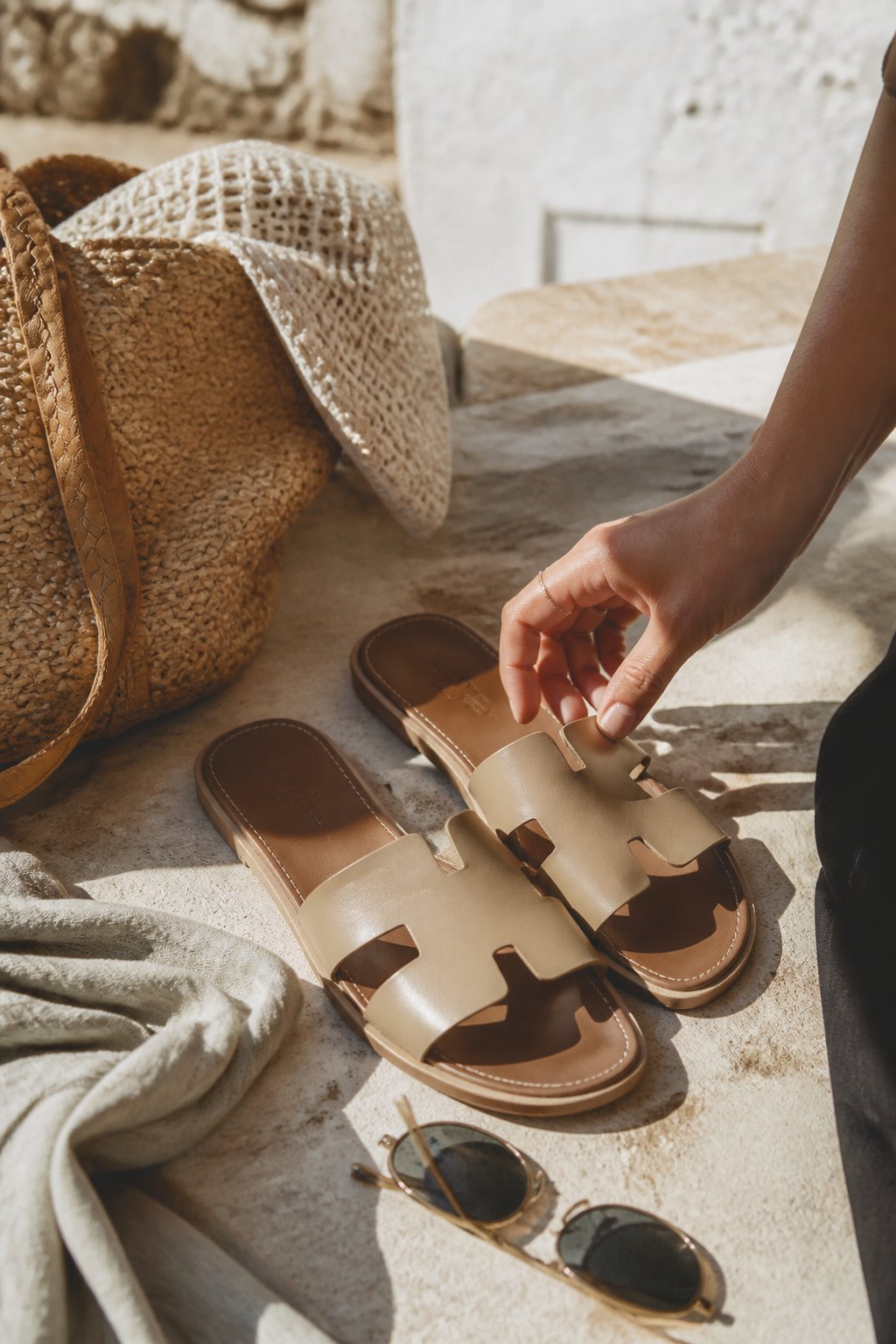
Guide: Choose simple leather slide sandals in tan, black, or white for day-to-night wear.
You want sandals that breathe and won’t rub on hot days. Look for soft leather footbeds and a low arch so you can walk cobblestones and boardwalks without pain.
Pair them with linen trousers, sundresses, or cutoff shorts for a clean, local look. Avoid flimsy soles—thin rubber wears out fast and can feel unstable on ancient stone.
A common mistake is buying fashion-first slides with no support. Try them on later in the day when your feet swell, and walk a block to check comfort. Pack a tiny tube of leather balm to soften straps and extend life.
5. Quick-dry swimsuit (one-piece)
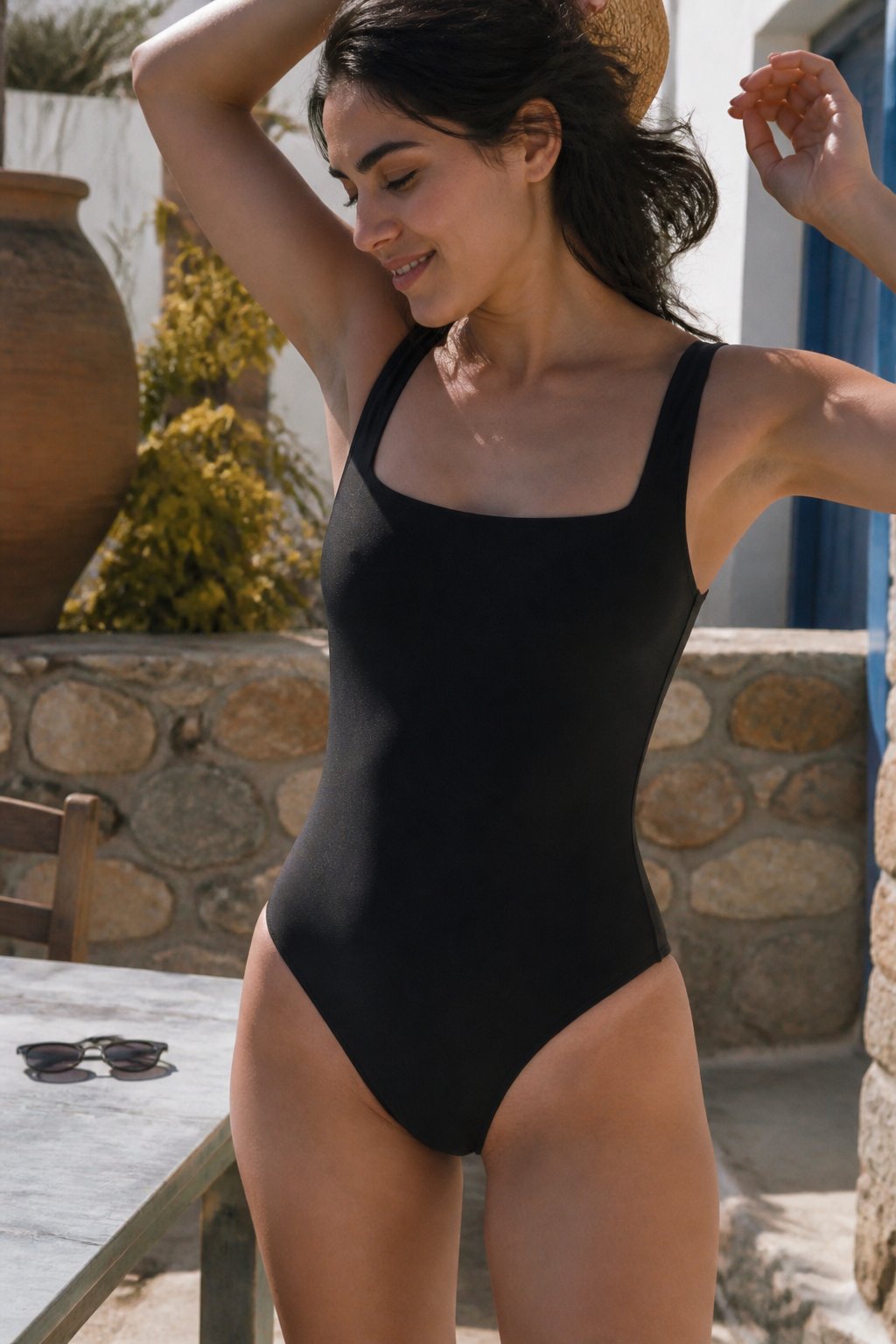
Guide: pack a quick-dry one-piece that doubles as a top for lunches and island walks.
Choose a suit made from nylon or polyester blend so it dries fast between swims and ferry rides. Pick a neutral color like black, navy, or terracotta to pair with linen shorts or a wrap skirt.
Avoid thin lining that stays wet and causes chafing; look for built-in modesty panels or adjustable straps for comfort. I once forgot a cover-up and wore my one-piece to a taverna—felt smart, stayed dry, and saved time.
Bring one with a modest cut for historical sites and a higher-leg or scoop-back for beach days. Test it at home: sit, bend, and towel-dry to check comfort and quick-dry performance before you leave.
6. UV-protective sunglasses (polarized)
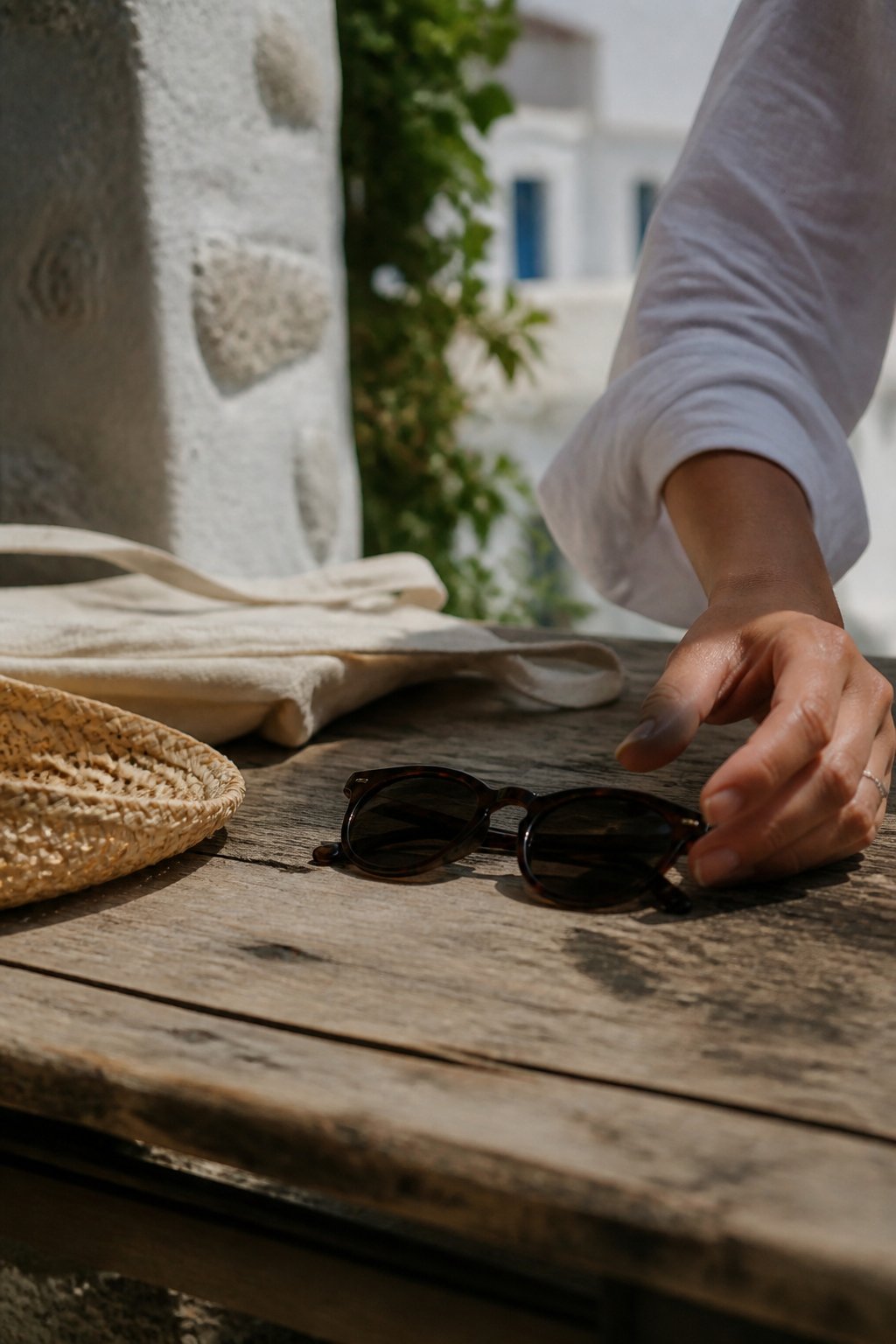
Guide: protect your eyes and cut glare while exploring beaches and islands.
Choose sunglasses that block 100% of UV-A and UV-B rays. Polarized lenses reduce glare on water and white stone, making cliffs and waves easier to see. Try on frames with a snug fit; wind and boat rides can toss light frames off your face.
Common mistake: buying dark lenses without UV coating. Check labels or ask the seller for UV400 protection. Pack a backup pair in your day bag and consider a strap for boating or hiking.
If you’ll drive between islands, polarized lenses improve contrast and reduce eye strain. Pick a style that suits your face so you’ll wear them all day.
7. Lightweight scarf or pashmina
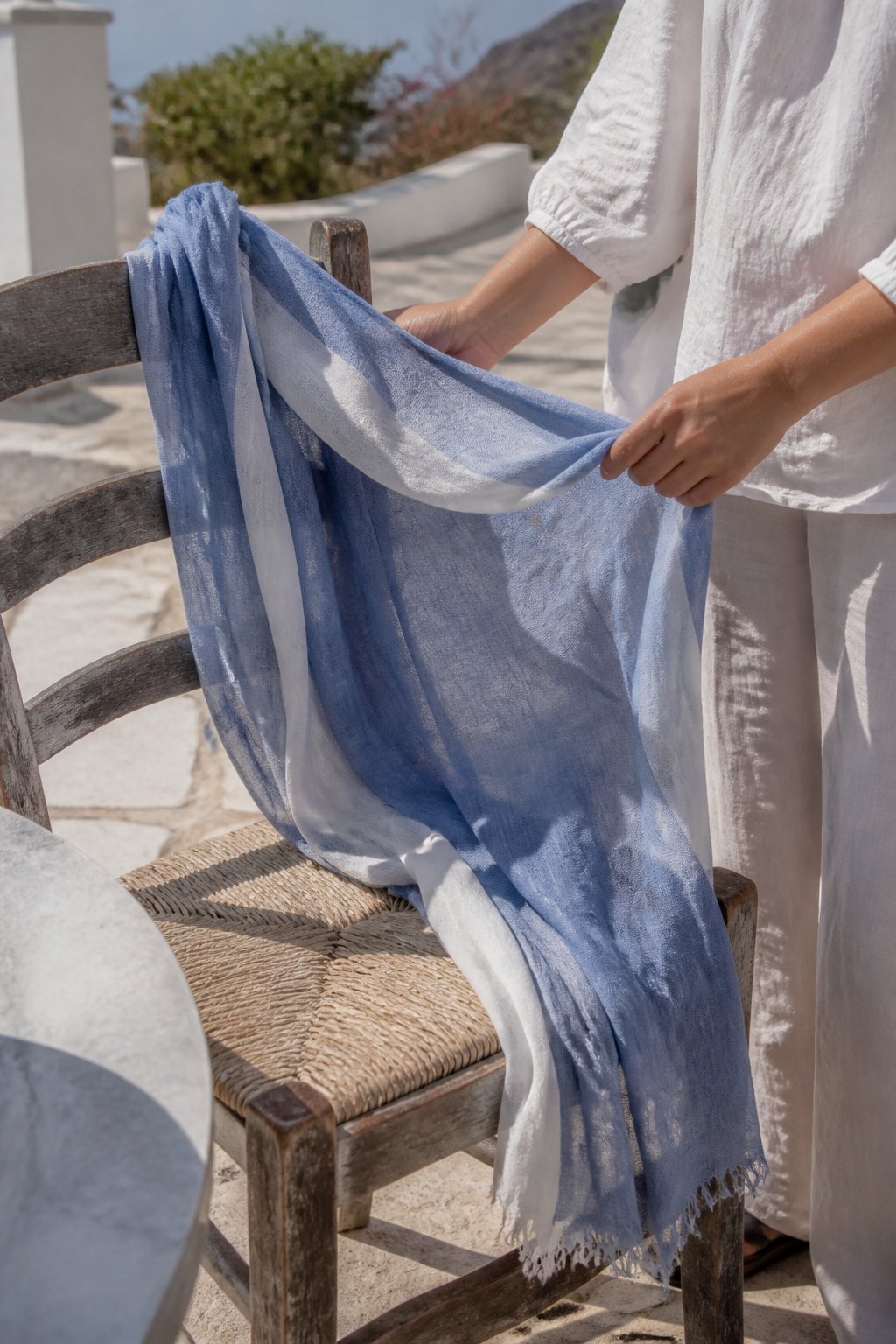
Guide: Pack a lightweight scarf or pashmina to handle wind, sun, and quick style changes.
A scarf is small but hugely useful. Use it as a wind shield on ferries, a shoulder cover for churches, or a wrap when evenings turn cool on island cliffs. Choose breathable fabrics like linen or thin cotton so it won’t trap heat.
Pick a neutral color or a simple pattern to match many outfits. Avoid heavy or bulky knits that take up suitcase space. Common mistake: bringing only beach towels—those don’t work for modesty or sudden chills.
Try rolling it to save space and keep it in your day bag. When you wear it as a headscarf on windy walks, it keeps hair in place and adds a polished touch to simple outfits.
8. High-SPF reef-safe sunscreen (face & body)
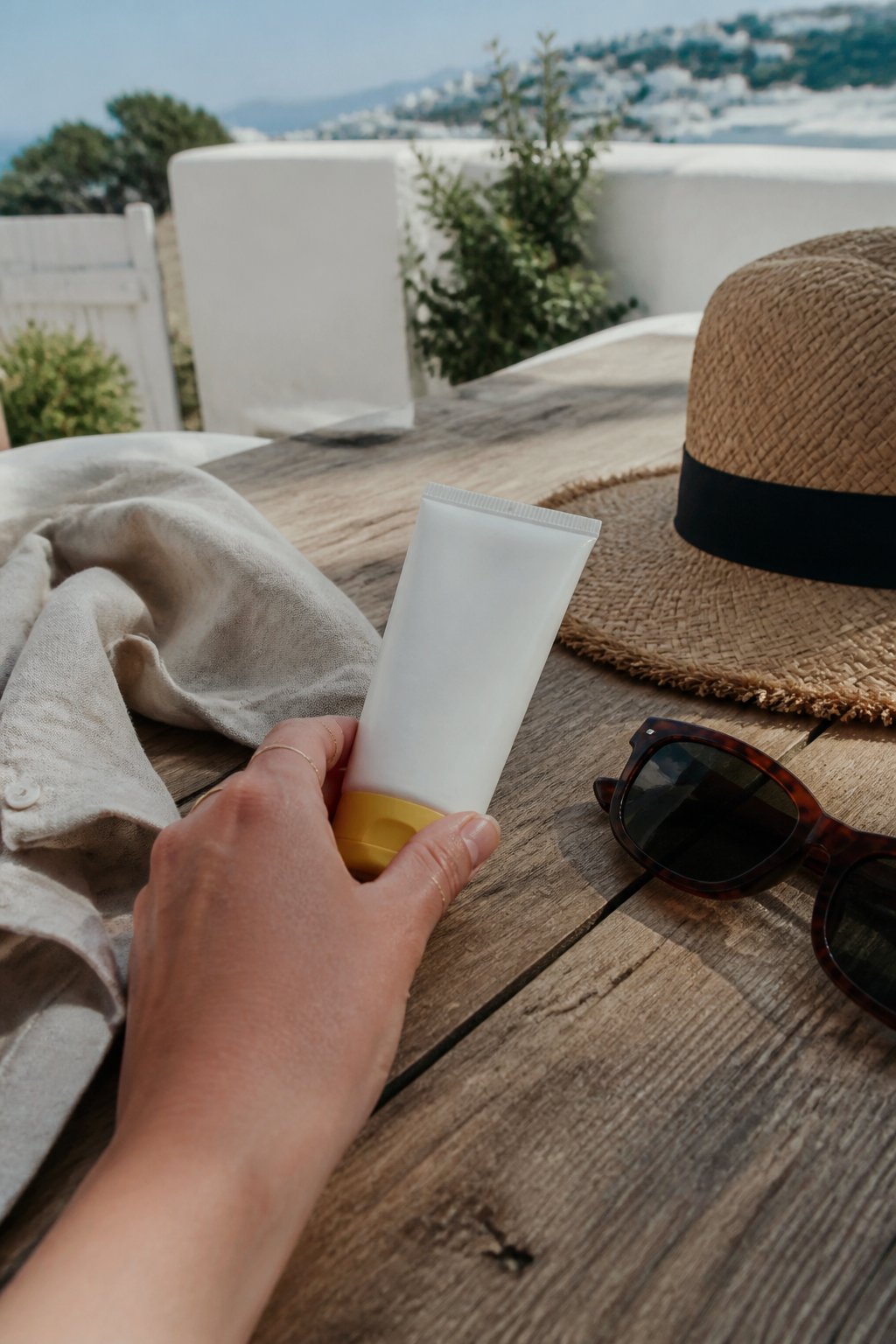
Choose a mineral, reef-safe sunscreen with SPF 30–50 for face and body. Apply a nickel-sized dollop to your face and about a shot-glass amount for your body; reapply every two hours or after swimming.
Pick formulas labeled “zinc oxide” or “titanium dioxide.” These protect skin and avoid common reef-damaging chemicals. Look for non-greasy or tinted face sunscreens if you wear makeup or want less shine.
Common mistake: skimping on ears, neck, and tops of feet. Carry a travel tube for touch-ups and a lip balm with SPF. If you plan heavy sun exposure, pair sunscreen with a wide-brim hat and UPF clothing for extra defense.
9. Crossbody anti-theft bag (small)
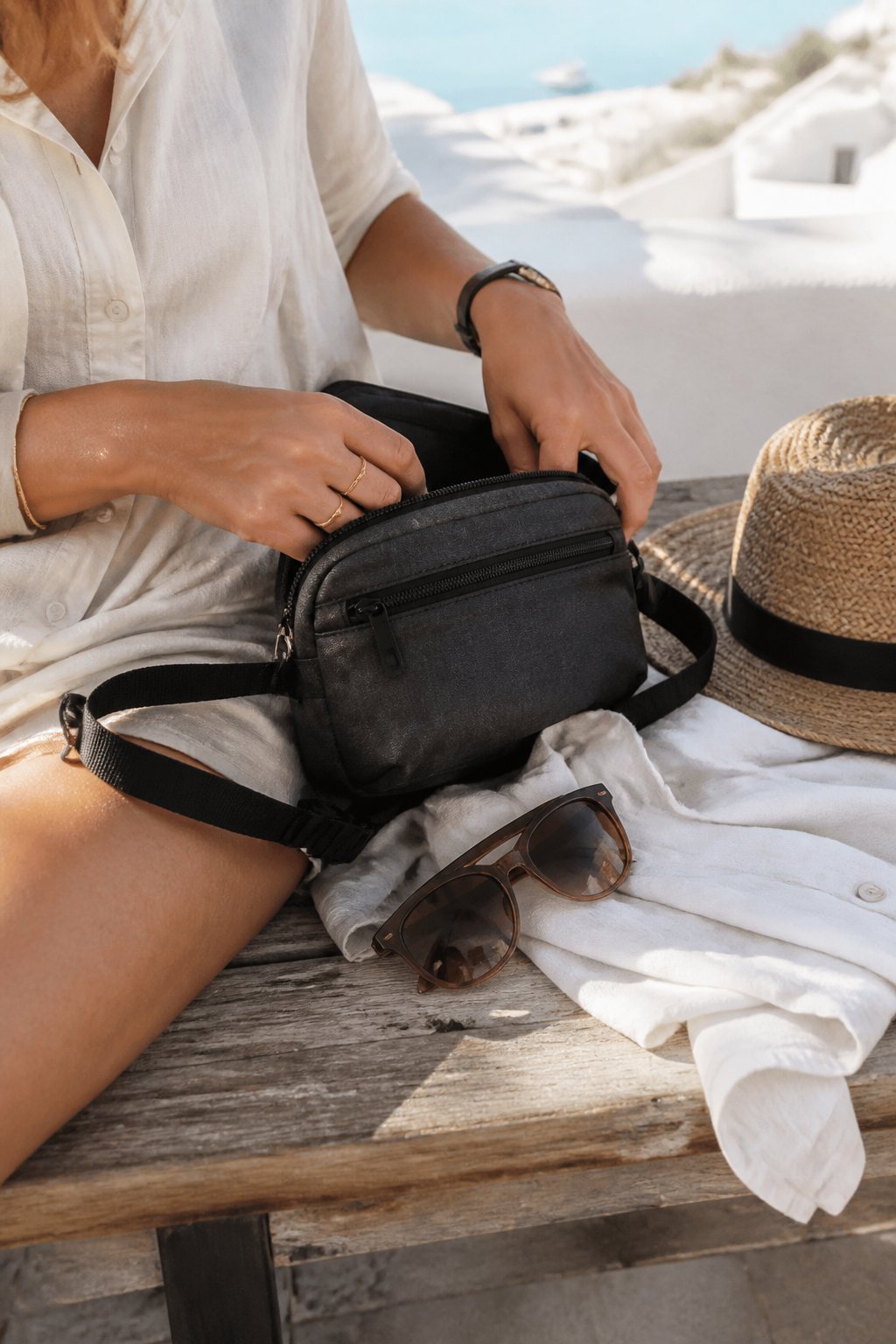
Guide: pick a small anti-theft crossbody that keeps your phone, passport, and cash secure without bulking up your outfit.
Choose a bag with lockable zippers, slash‑resistant fabric, and an RFID pocket. Aim for a neutral color that matches sandals or a light summer dress so it looks like part of your outfit, not a travel accessory.
Wear it across your body and keep it in front in crowded spots like ferries, Athens markets, and busy Santorini lanes. A common mistake is overpacking—leave the hotel card and extras at the room to stay light and nimble.
Try a bag with an adjustable strap so it sits high on your hip. Test the weight before long walks; even small bags feel heavy when stuffed. If you need help choosing, compare two styles back-to-back on a short city stroll.
10. Breathable athletic sneakers (for cobbled streets)
Choose breathable athletic sneakers when you plan long days on uneven cobbles. You want mesh uppers to keep feet cool and a cushioned midsole for shock absorption.
Look for a grippy rubber outsole with deeper lugs so you don’t slip on wet stones. Try shoes with a snug heel fit to prevent blisters from repeated heel lift.
Avoid brand-new shoes on your first day; break them in during short walks to spot pressure points. I once switched to lightweight knit runners mid-trip and walked twice as far without foot pain.
Bring a compact pair of blister patches and quick-dry socks. Test traction on a short cobbled street before committing to a full day of sightseeing.
Climate Considerations
Plan for high heat, strong sun, and occasional island wind. Choose breathable fabrics, sun protection, and layers that you can add or remove quickly when moving from ruins, beaches, or taverna evenings.
Typical Weather Patterns
This is a practical guide to what weather to expect so you pack right. Mainland cities like Athens and Thessaloniki hit 32–40°C (90–104°F) in July–August. Expect long, dry stretches with almost no rain then. Island groups such as the Cyclades are similar on temperature but often cooler at night by 3–5°C due to sea breezes.
If you visit shoulder months (May, September) temperatures usually sit between 22–30°C and mornings can be pleasantly cool. Bring a light layer for dawn and dusk, and avoid heavy fabrics that trap heat when walking ruins or waiting in lines. Carry a small packable jacket if you plan mountain day trips where temperatures drop faster.
Humidity and Sun Exposure
Humidity varies by region and affects how hot you feel. The Aegean islands are typically dry and breezy, which makes 34°C feel manageable. The mainland and coastal plains near Thessaloniki can be more humid, making 30°C feel sticky and tiring.
Sun intensity is high; UV levels often reach 8–11. Wear broad-brim hats, UV-blocking sunglasses, and reef-safe sunscreen (SPF 30+). Choose light-colored, loose clothing with UPF or tightly woven cotton/linen to reduce sunburn risk. A common mistake is relying only on a t-shirt—swap it for a long-sleeve linen shirt when you’ll be outside all day.
Cultural Etiquette and Fashion Norms
You should dress to show respect at religious sites and blend with local tastes in cities and islands. Focus on modesty for temples, lightweight fabrics for heat, and simple colors that match Greek everyday style.
Temple and Monastery Visits
Guide: dress modestly and expect strict rules at churches, monasteries, and sacred sites.
Wear clothes that cover shoulders and knees. Men should avoid sleeveless shirts; women should bring a scarf or a lightweight shawl to cover shoulders. Some monasteries require women to wear skirts; carry a long wrap or skirt in your daypack to avoid being turned away.
Choose breathable fabrics like cotton or linen so you stay cool while still covered. Avoid sheer materials and low-cut tops. Slip-on shoes are handy because you’ll often remove them or need to step carefully on marble and stone. A common mistake is assuming a sundress is fine without a wrap—bring one even on hot days.
Local Style Influences
Guide: blend comfort with clean, simple looks to fit in with Greek everyday fashion.
Greeks favor neutral tones, well-fitted basics, and polished shoes. Pack a few crisp t-shirts, lightweight shirts, and tailored shorts or chinos for men. For women, simple dresses, linen trousers, and flat sandals work well for both daytime sightseeing and casual restaurants.
Add one smarter outfit for Athens nightlife or a nicer taverna—think a collared shirt or a midi dress. Avoid overly sporty clothes in the evening; locals dress neatly. Watch for sun—bring a wide-brimmed hat and sunglasses; these are both practical and common in local outfits.
About the Author — Lena Harper
Lena Harper is a fashion writer and content strategist at Fashion Pops, known for creating thoughtful, trend-aware articles that feel both stylish and relatable. With a strong background in fashion journalism, she specializes in turning seasonal trends, outfit ideas, and styling concepts into easy-to-follow inspiration for modern women.
Her writing focuses on practicality without losing creativity — helping readers build outfits that feel current, wearable, and confident. When she’s not working on new articles, Lena enjoys exploring street style trends, discovering unique fashion finds, and curating inspiration boards that shape upcoming content at Fashion Pops.