How to Make Your Skin Glow Overnight: 10 Powerful Hacks for Radiant Results
You want glowing skin by morning without waking up to irritated, tight, or greasy results. You can boost overnight skin repair with simple steps that hydrate, calm, and protect so you wake up with brighter, smoother skin.
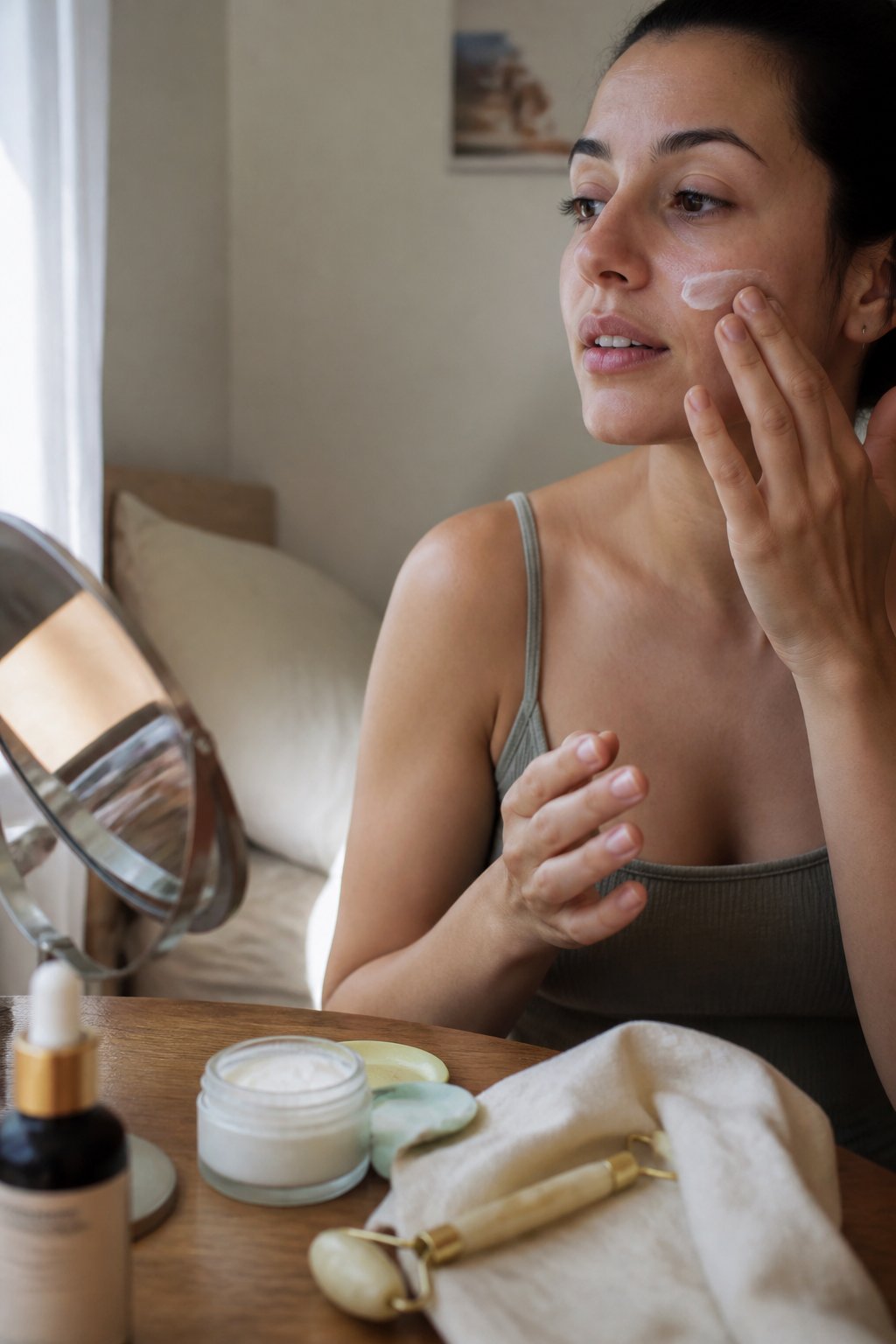
This article guides you through a clear, science-backed nighttime routine—cleansing, targeted serums, smart exfoliation, and occlusion—so you avoid common mistakes like over-drying or mixing active ingredients the wrong way. Expect practical tips, product types to look for, and small habit changes (like pillowcase choice and sleep time) that make a real difference by morning.
1. Double cleanse (oil-based cleanser then gentle foaming cleanser)
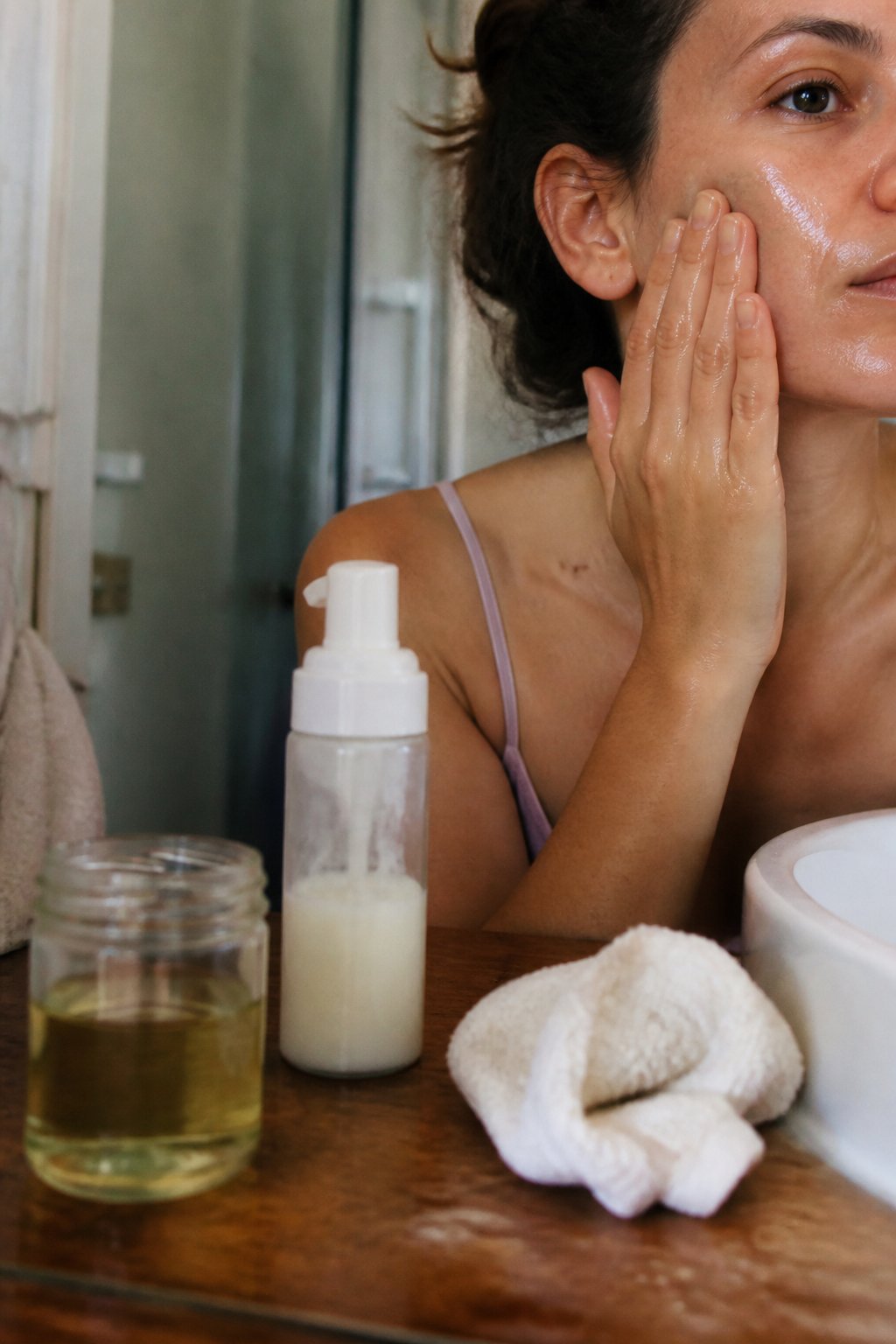
Intent: tutorial. Start with oil to lift makeup, sunscreen, and excess oil so your skin truly gets clean.
Begin with a small pump of oil or balm and massage onto dry skin for 30–60 seconds. You’ll feel makeup and sunscreen break down; don’t scrub hard. Rinse or emulsify with water until the oil turns milky.
Follow with a gentle foaming or gel cleanser to remove sweat and residue. Use lukewarm water and a soft touch. If you have dry skin, pick a creamy foam; oily skin can use a clear gel.
Common mistake: over-cleansing or using harsh soaps. That strips moisture and makes skin look dull. Try this routine at night after wearing SPF or makeup, and notice smoother, clearer skin by morning.
2. Exfoliate with a chemical AHA/BHA toner (10% Glycolic or 2% Salicylic)
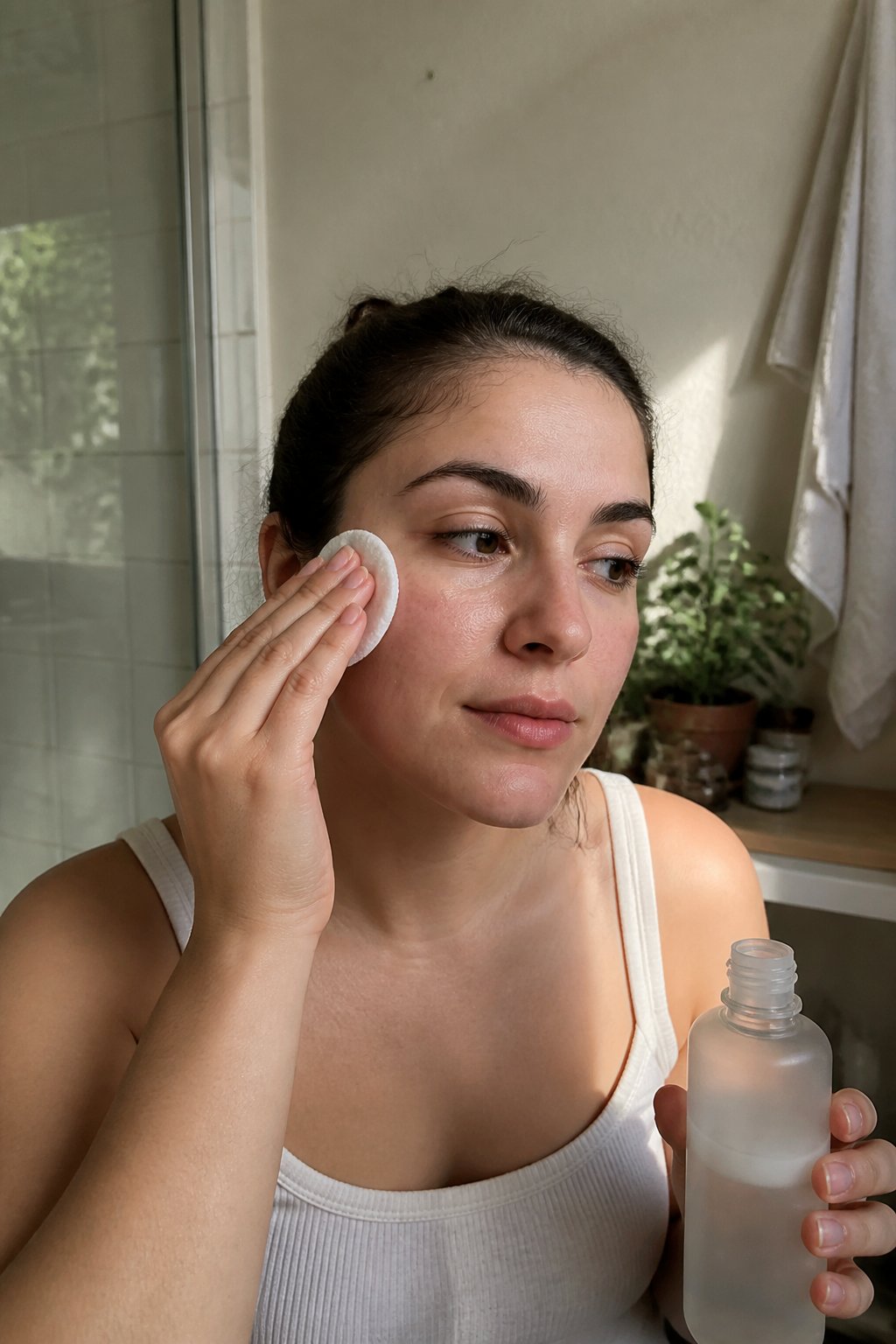
This is a quick, targeted tutorial to brighten and smooth your skin overnight. Use a 10% glycolic AHA for dull, dry, or aging skin, or a 2% salicylic BHA if you’re oily or prone to blackheads.
After cleansing, apply a few drops to a cotton pad and sweep across your face—avoid the eye area. Start twice a week to test tolerance; increase slowly if your skin stays calm. A common mistake is daily use right away, which causes redness and dryness.
If you spot stinging or peeling, stop and use a hydrating toner and barrier-repair cream. Finish with a moisturizer and always wear SPF the next day. Try one week and note texture changes to tweak frequency.
3. Apply a hydrating serum with 2% Hyaluronic Acid
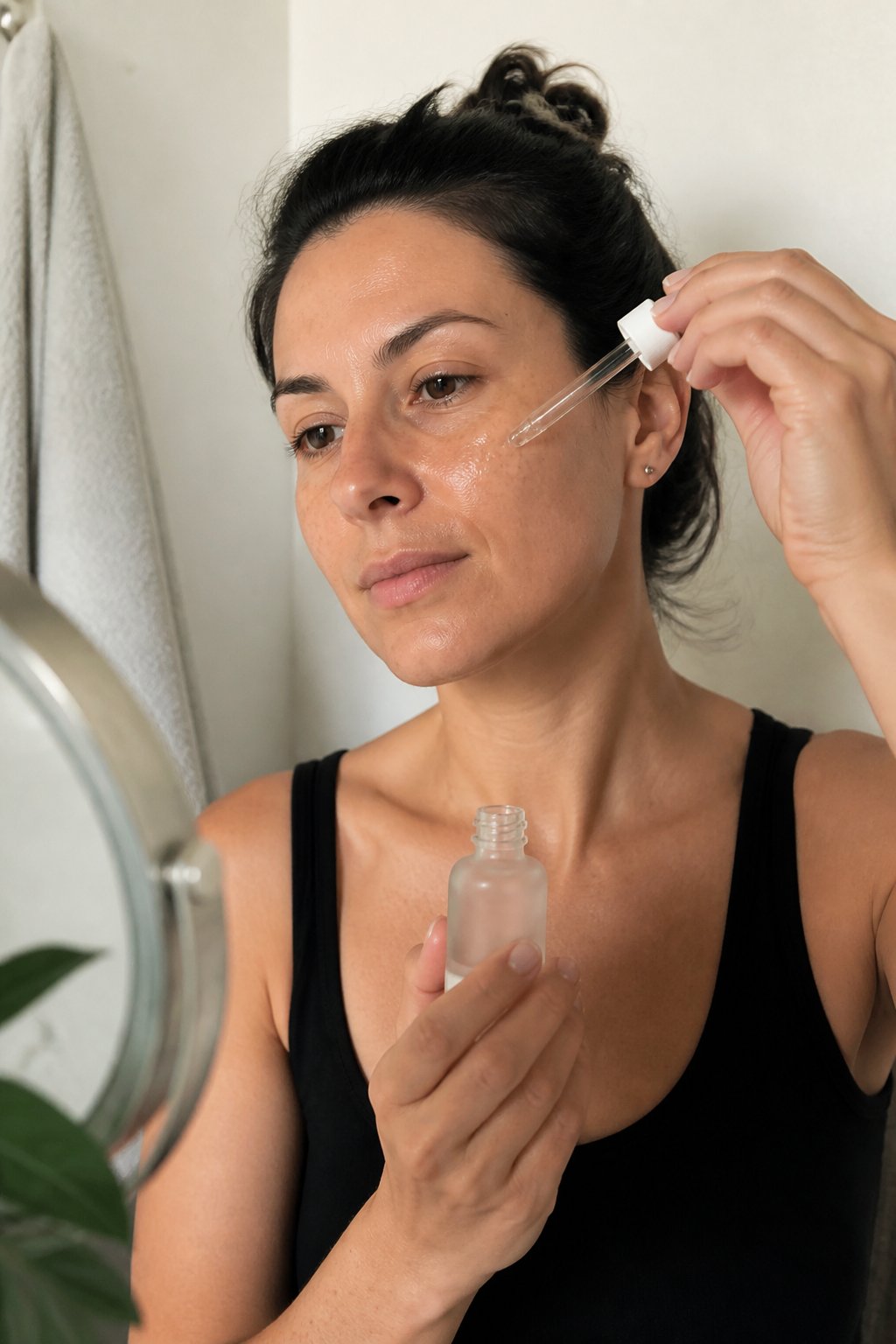
Guide: a simple, step-by-step tip to lock in moisture overnight.
After cleansing and while your skin is slightly damp, dispense a pea-sized amount of 2% hyaluronic acid serum. Gently press the serum into your face and neck—patting helps it absorb without stretching the skin.
Seal the serum within 60 seconds by applying a moisturizer or night cream. Without a seal, hyaluronic acid can pull moisture from deeper layers, which may make skin feel drier in low-humidity rooms.
Common mistake: using too much product or rubbing hard. That can cause irritation and waste the serum. If you wake with tight skin, try adding a humidifier or switching to a richer night cream.
Try this three nights in a row to see how your skin responds, and adjust if you notice redness or excess oil.
4. Use a vitamin C serum (10–20% L‑ascorbic acid)
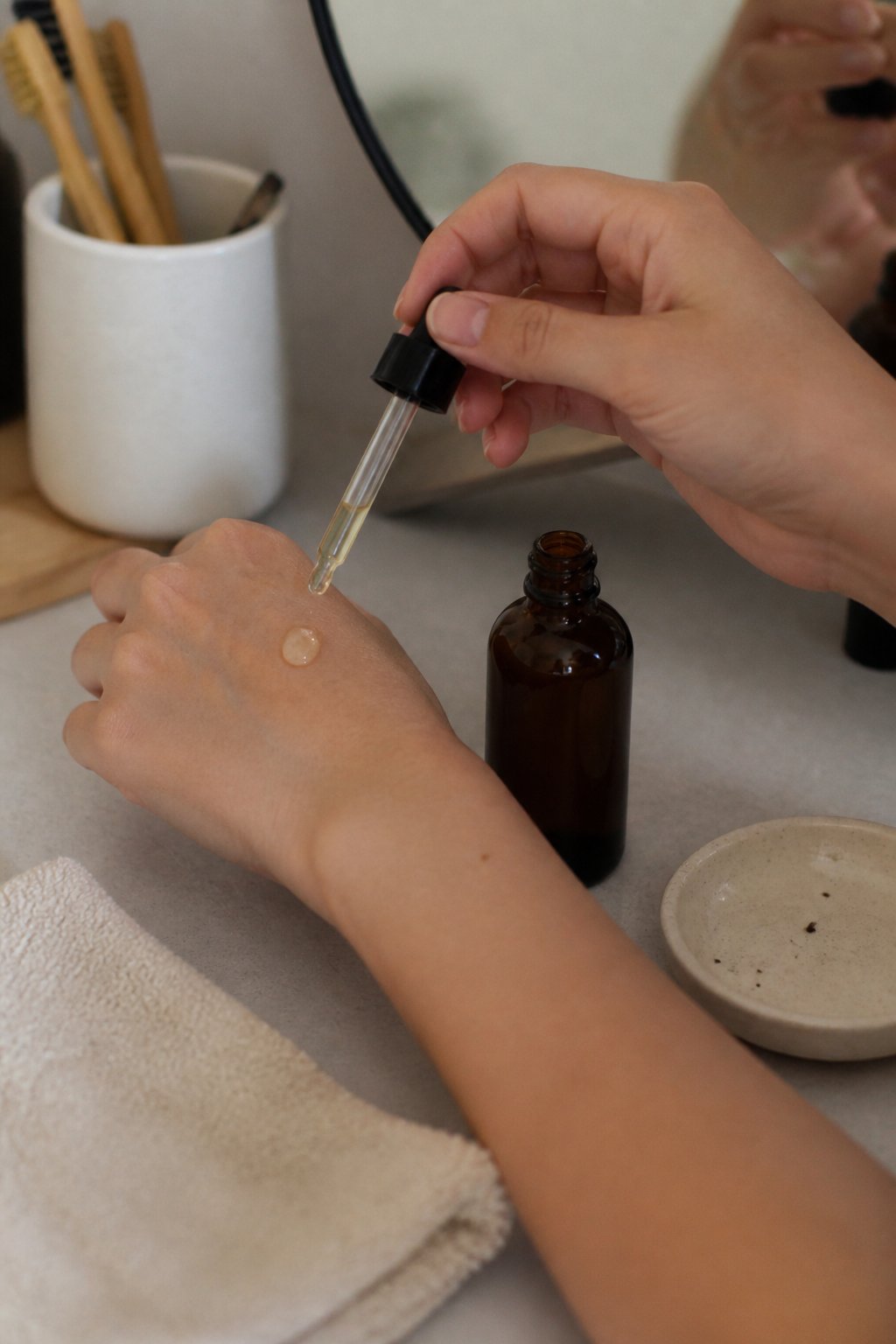
This guide shows you how to add vitamin C serum to your routine to boost overnight glow. Use a serum with 10–20% L-ascorbic acid for a balance of potency and gentleness.
After cleansing and toning, apply 2–3 drops to slightly damp skin. Pat it in gently; let it absorb for a minute before your moisturizer. If you have sensitive skin, start at 5–10% and work up.
Common mistakes: mixing vitamin C with strong acids or benzoyl peroxide can irritate skin. Don’t skip sunscreen the next day—vitamin C helps repair and protect, but sun exposure still causes damage.
If your serum smells off or turns brown, toss it. Track results for 4–8 weeks and adjust concentration if you get redness or stinging. Try a patch test behind your ear first to stay safe.
5. Layer a niacinamide 5% serum before moisturizer
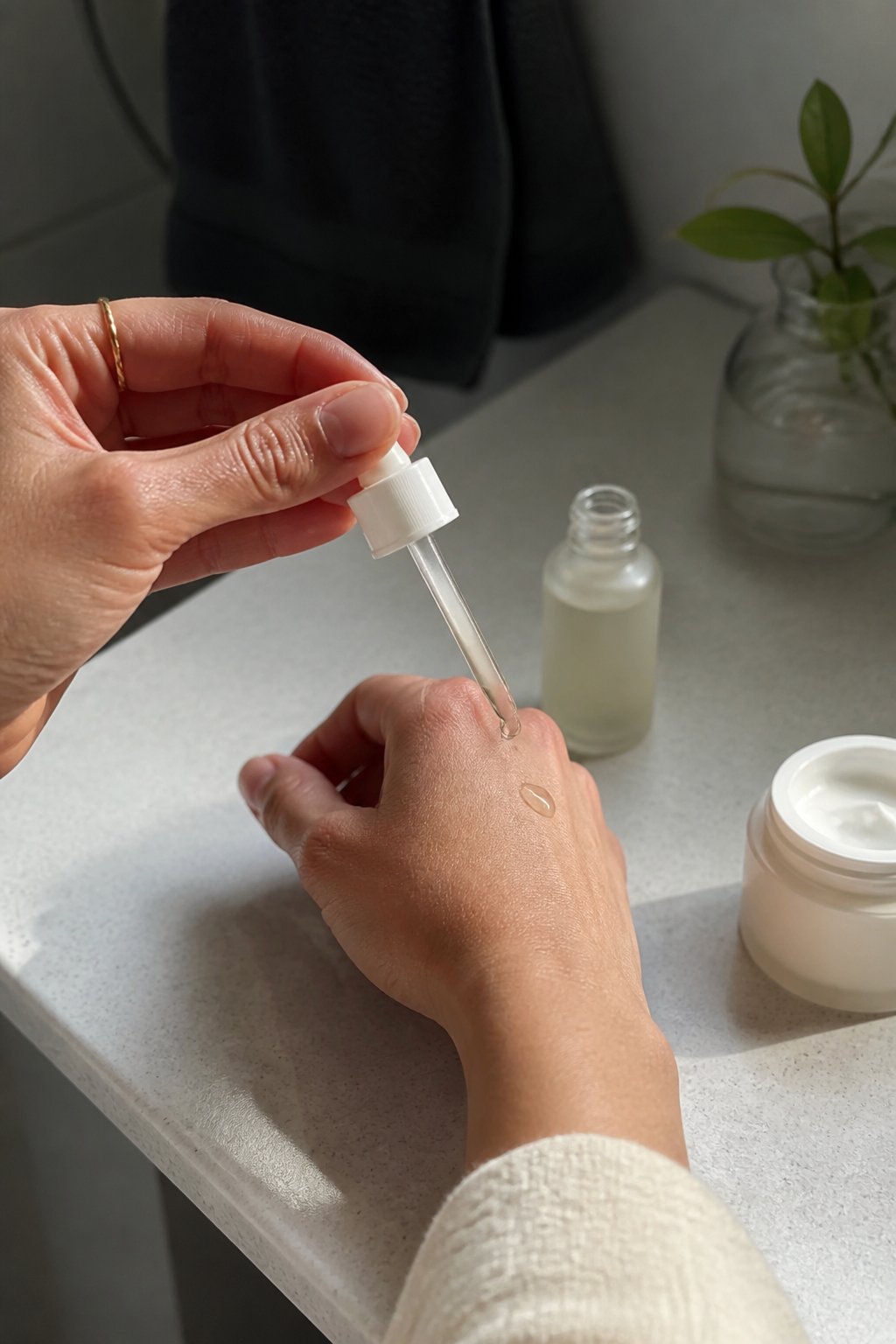
Use this as a simple guide: apply niacinamide after cleansing and any lightweight water-based serums, but before your moisturizer. Niacinamide at 5% is gentle and effective for most skin types; it helps even tone and reduce redness overnight.
Pat a few drops onto slightly damp skin so it spreads evenly. If you spot-test first, you avoid irritation—try a small area for 3–4 days before full use.
Common mistake: stacking thick creams over wet serums that never absorb. Wait 30–60 seconds for the serum to sink in, then seal it with your moisturizer. If you use actives like retinol, apply niacinamide in the same routine to buffer irritation, not to replace prescription treatments.
Try this for a week and note brighter, calmer skin.
6. Overnight sheet mask (hydrating essence, e.g., Mediheal NMF)
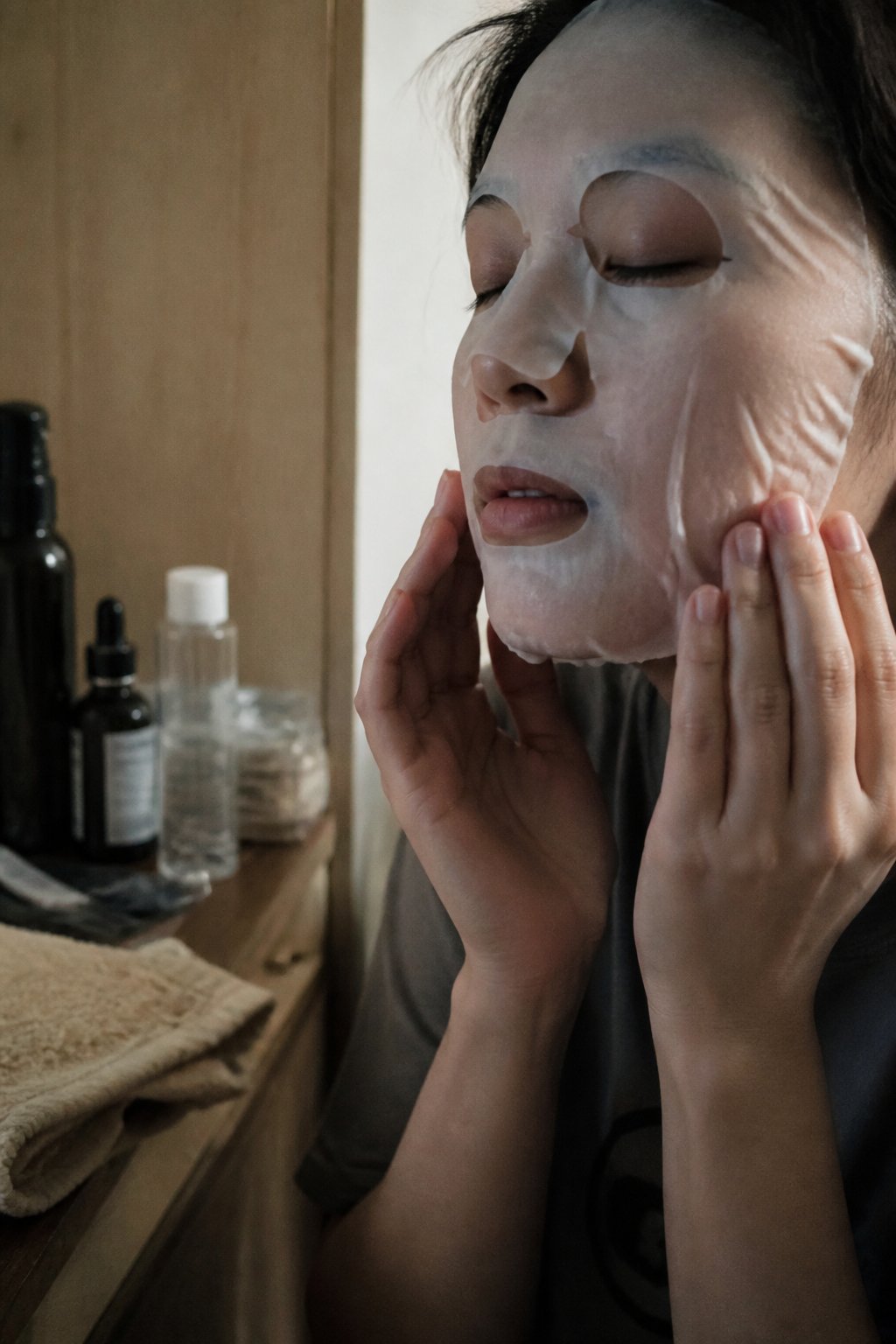
Use this as a guide to hydrate your skin while you sleep. Apply the sheet mask to clean, toned skin and smooth it so the essence touches your face evenly.
Pick a mask with hyaluronic acid, amino acids, and natural moisturizing factors to bind water and soften texture. Mediheal’s N.M.F masks are made for deep hydration, but any mask with similar ingredients works.
Avoid sleeping with a dry sheet or one that slides off; reapply a light layer of serum under the mask if you feel it needs more slip. Common mistake: leaving on too long or using masks with strong actives if your skin is sensitive.
Wake up, gently pat remaining essence into skin, and skip heavy cleansers afterward. Try this 1–3 nights a week and track how your skin responds.
7. Apply a thin layer of facial oil (rosehip or squalane)
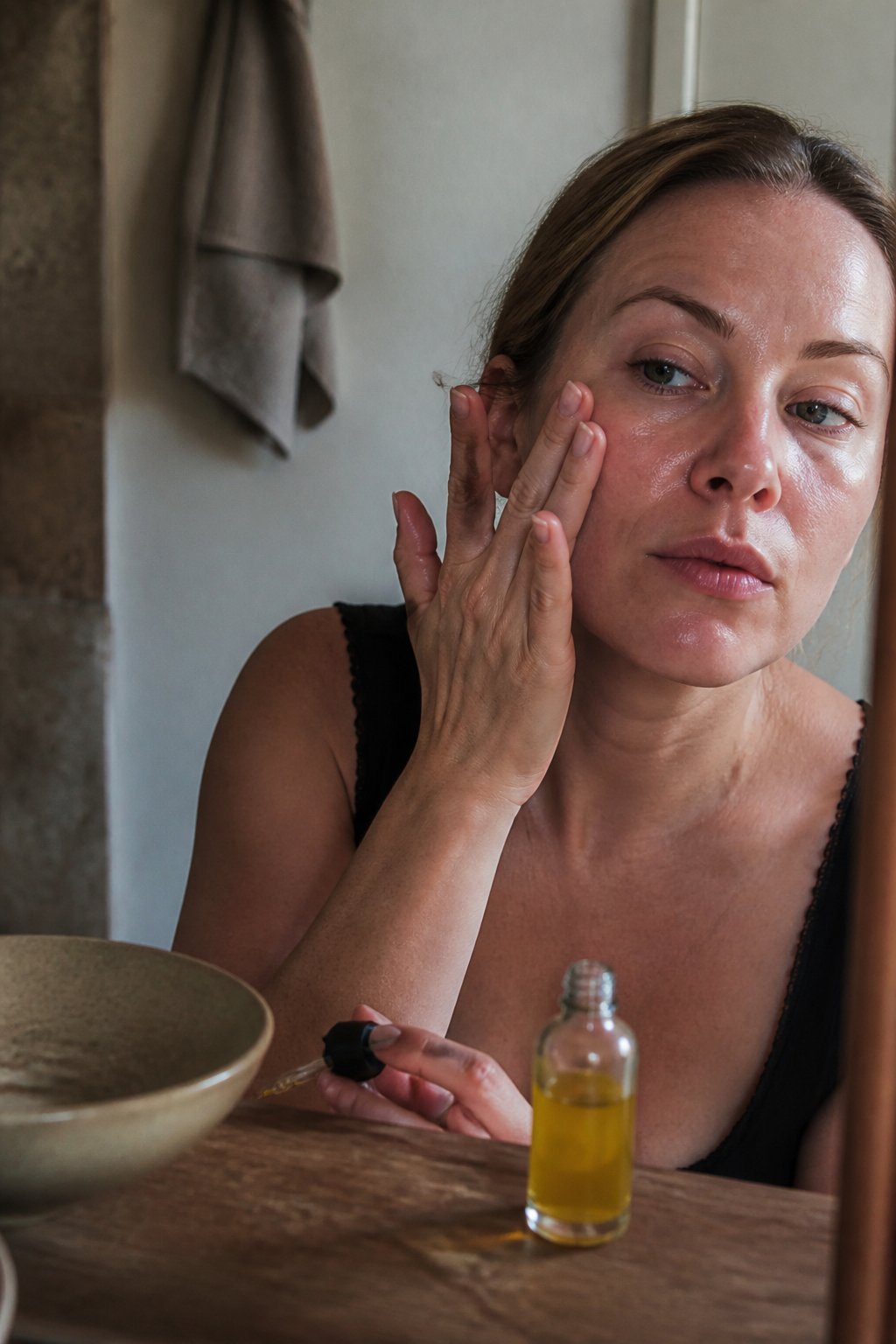
Guide: use a light facial oil at night to lock in moisture and support skin repair.
After cleansing and any serums, warm 2–3 drops between your palms. Press the oil gently into dry areas like cheeks and around the mouth; avoid the eyelids. Rosehip adds nourishing fatty acids and skin-brightening nutrients, while squalane feels lighter and won’t clog pores.
If you have oily or acne-prone skin, try squalane first and use less. A common mistake is rubbing too much oil — that leaves a greasy film and can lead to breakouts. For dry skin, mix a drop of rosehip into your night cream for extra slip.
Let the oil absorb for 10–15 minutes before bed. Test one oil at a time so you can notice benefits or irritation. Try this routine for a week and adjust the amount based on how your skin responds.
8. Spot-treat acne with 2.5%–5% benzoyl peroxide or salicylic acid
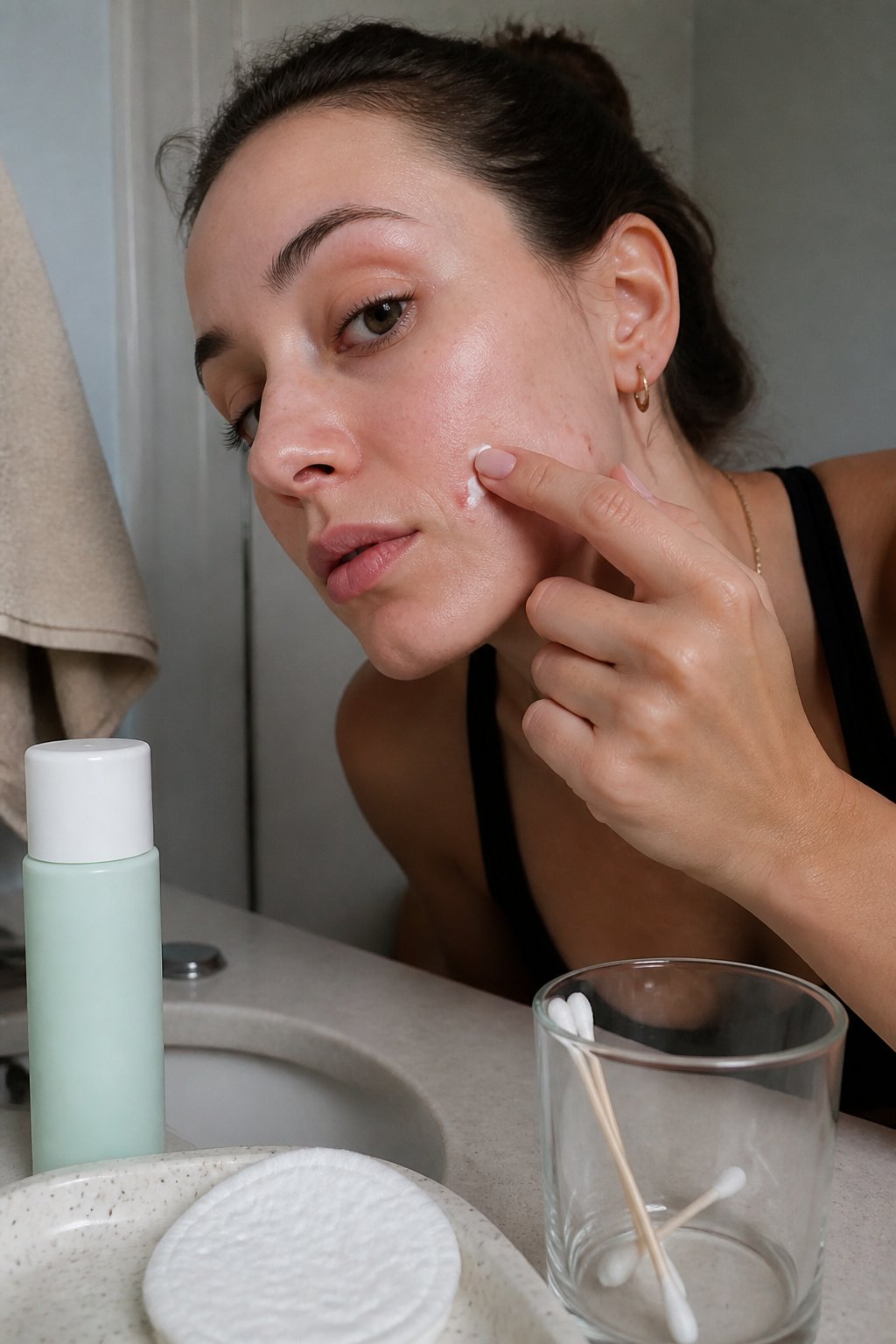
Guide: use a targeted spot treatment to shrink pimples overnight without over-drying your skin. Dab a small amount of 2.5%–5% benzoyl peroxide or salicylic acid directly on the blemish after cleansing and before moisturizer.
Benzoyl peroxide kills acne-causing bacteria and can reduce redness fast. Salicylic acid clears pore buildup and helps the spot fade; it works best on blackheads and whiteheads.
Start with a thin layer and test one night to check irritation. If your skin stings or peels, cut frequency to every other night or switch to the lower strength.
Common mistake: slathering product over large areas. That causes dryness and slows recovery. Keep it precise, and pair with a gentle, hydrating moisturizer to protect skin while the spot heals.
9. Use an occlusive night cream with ceramides

Guide: use an occlusive night cream to lock in moisture and support your skin barrier. Apply it as the last step of your evening routine on damp skin for best absorption.
Ceramides act like skin mortar, repairing gaps between cells. Pick a product with petrolatum, dimethicone, or rich oils plus ceramides if your skin is dry or barrier-compromised.
A common mistake is layering too many actives under the occlusive. Keep it simple: gentle cleanser, hydrating serum or humectant, then the occlusive. If you’re acne-prone, test a thin layer first to avoid clogged pores.
Try CeraVe or similar ceramide-rich ointments and watch for reduced dryness by morning. If irritation appears, stop and consult a dermatologist.
10. Get 7–9 hours of sleep and sleep on a silk pillowcase
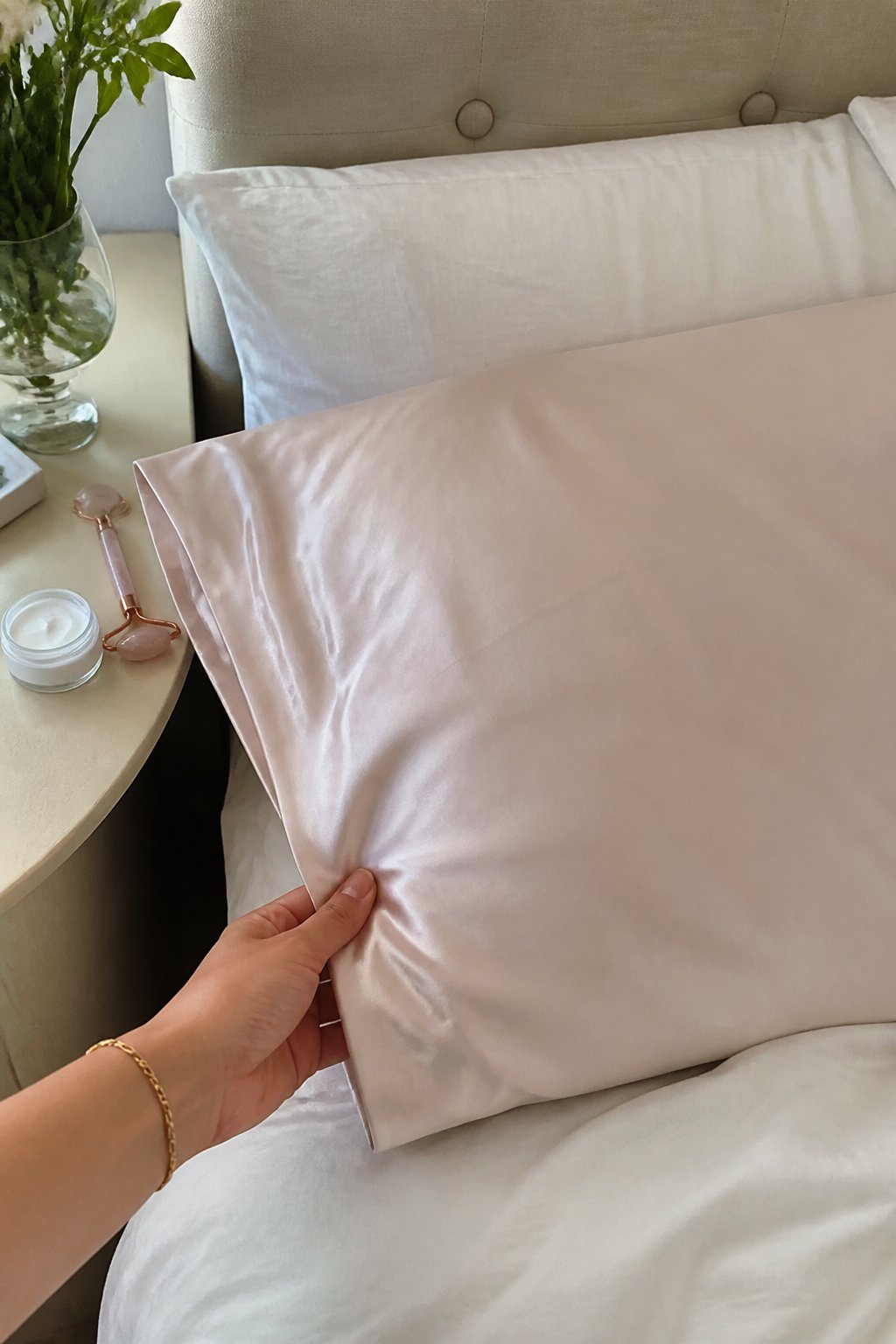
Guide: prioritize sleep and bedding to boost skin repair overnight.
Aim for 7–9 hours so your skin completes repair cycles and builds collagen. If you skimp, your skin can look dull and puffy the next day. Treat sleep as part of your skincare routine.
Switch to a silk pillowcase to cut friction and lock in moisture. Unlike cotton, silk won’t soak up your night creams, so serums stay on your face where they belong. A common mistake is skipping washing—wash silk gently every 1–2 weeks to avoid oil build-up.
Try pairing this with a simple bedtime routine: cleanse, apply a lightweight moisturizer, then sleep. You’ll wake with less creasing and softer skin—test it for two weeks and note the change.
The Science of Nighttime Skin Renewal
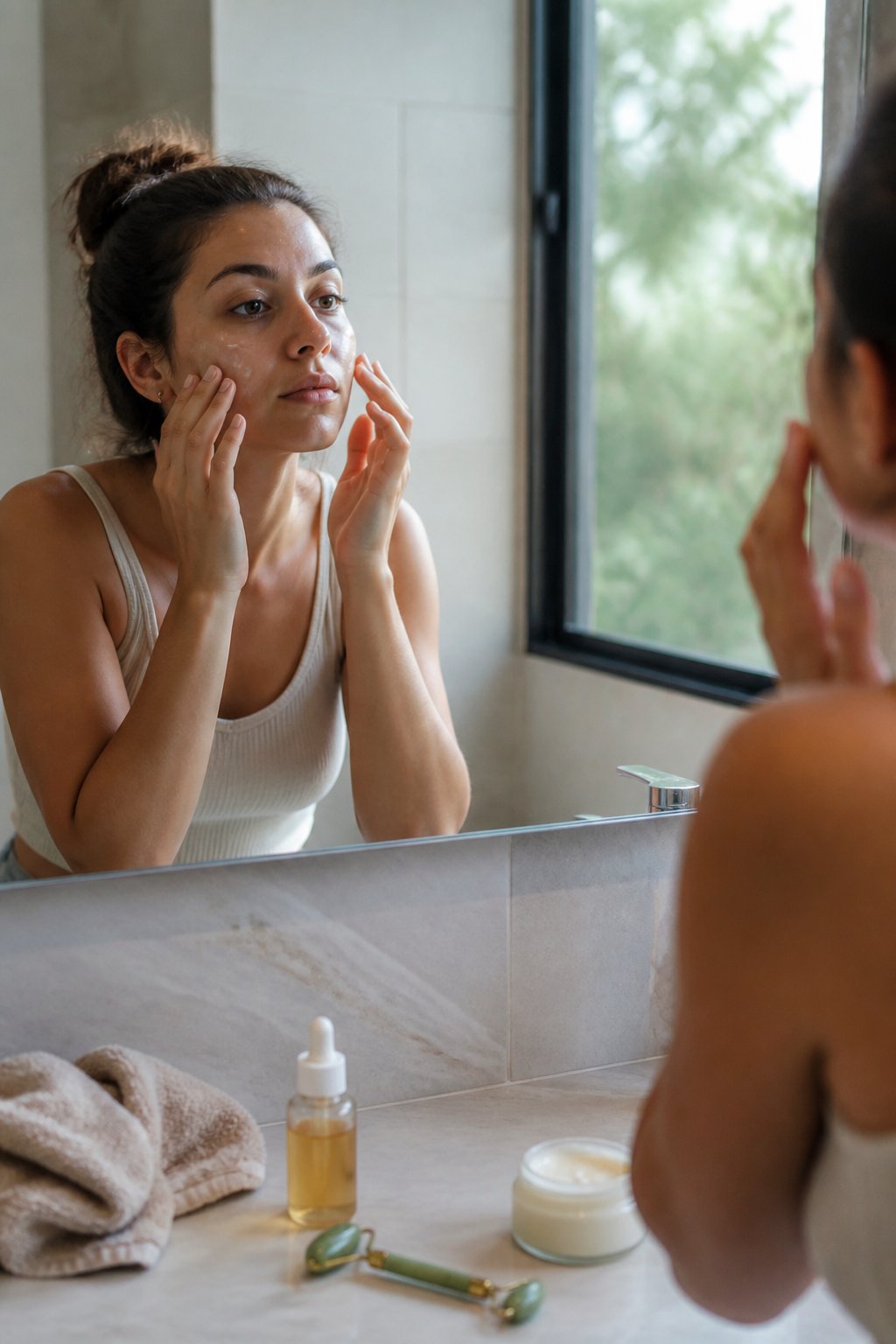
You can use sleep to boost repair, hydration, and cell turnover. Nighttime is when your skin focuses on fixing damage and restoring moisture, so the right routine makes a real difference.
How Circadian Rhythms Affect Skin Health
Intent: guide. Your skin follows a circadian clock tied to your sleep-wake cycle. This clock controls when cells divide, when oil production rises, and when barrier repair ramps up. Disrupting sleep or keeping late, bright screens shifts these rhythms. That can raise inflammation and slow repair.
Practical tip: keep a steady bedtime and dim lights an hour before sleep. That helps melatonin signaling, which links to lower oxidative stress in skin cells. Common mistake: using strong retinol or acids right before a night you’ll stay up late. If you lose sleep, skip active treatments and favor calming, hydrating products instead.
What to watch for:
- Increased oil at night when rhythms shift
- Slower healing after late nights
- More visible redness with chronic rhythm disruption
Key Regenerative Processes During Sleep
Intent: tutorial. Your skin does three key things while you sleep: repair DNA damage, boost collagen synthesis, and restore moisture. Collagen-building peaks overnight, so using peptides or gentle retinoids earlier in the evening can support that process. DNA repair enzymes work most at night, so antioxidants like vitamin C or topical melatonin at dusk help reduce oxidative stress before repair starts.
Hydration matters because transepidermal water loss rises between about 11 PM and 4 AM. Seal with a night cream or occlusive layer to trap moisture and support barrier recovery. Example routine: cleanse, apply antioxidant serum, target treatment (retinoid/peptide), then a moisturizer or sleeping mask. Avoid heavy exfoliation the night before an important event; it can expose skin and increase sensitivity during overnight repair.
Try tracking one change—consistent sleep time or a nightly moisturizer—for two weeks to notice brighter morning skin.
Common Obstacles to Radiant Morning Skin
You can wake up with brighter skin, but a few predictable issues often block results. Know the real culprits so you can fix them tonight and see a difference by morning.
Environmental Factors That Dull Complexion
Intent: guide you to identify and reduce external causes that strip glow overnight.
Air quality, indoor heating, and pollution all sap moisture and break down skin’s barrier while you sleep. Dry air from heaters or AC can pull oil and water from your face, leaving texture that looks dull by morning. Outdoor pollution and smoke settle on skin and can cause tiny inflammation that blurs radiance.
Simple steps make a big difference: use a humidifier in dry rooms, wash off sunscreen and makeup before bed, and choose a gentle cleanser that removes grime without overstripping. Place a clean pillowcase on your bed every few days to cut oil and pollutant transfer. If you live in a high-pollution area, rinse with water once you wake to lift lingering particles.
Impact of Lifestyle Choices on Overnight Results
Intent: teach practical habits that improve the skin’s overnight repair and morning glow.
What you do during the day changes how your skin repairs at night. Late heavy meals, alcohol, and poor sleep reduce circulation and disrupt collagen repair, so your skin can look puffy or sallow in the morning. Stress spikes cortisol and increases oil production or breakouts while you sleep.
Aim for a light dinner at least two hours before bed, limit alcohol, and wind down 30 minutes before sleeping to lower stress. Nail your routine: apply a hydrating serum or occlusive moisturizer after cleansing to lock in repair ingredients overnight. Track patterns—if you notice mornings after late nights look worse, adjust sleep and food timing. Your nightly habits directly shape how your skin greets the morning.
About the Author — Lena Harper
Lena Harper is a fashion writer and content strategist at Fashion Pops, known for creating thoughtful, trend-aware articles that feel both stylish and relatable. With a strong background in fashion journalism, she specializes in turning seasonal trends, outfit ideas, and styling concepts into easy-to-follow inspiration for modern women.
Her writing focuses on practicality without losing creativity — helping readers build outfits that feel current, wearable, and confident. When she’s not working on new articles, Lena enjoys exploring street style trends, discovering unique fashion finds, and curating inspiration boards that shape upcoming content at Fashion Pops.