How To Get Rid Of Forehead Acne: Proven Clear-Skin Solutions
Forehead pimples can appear overnight, leaving you wondering whether your hair products, sweat, or skin-care routine caused them. Scrubbing harder often makes the problem worse by irritating your skin.
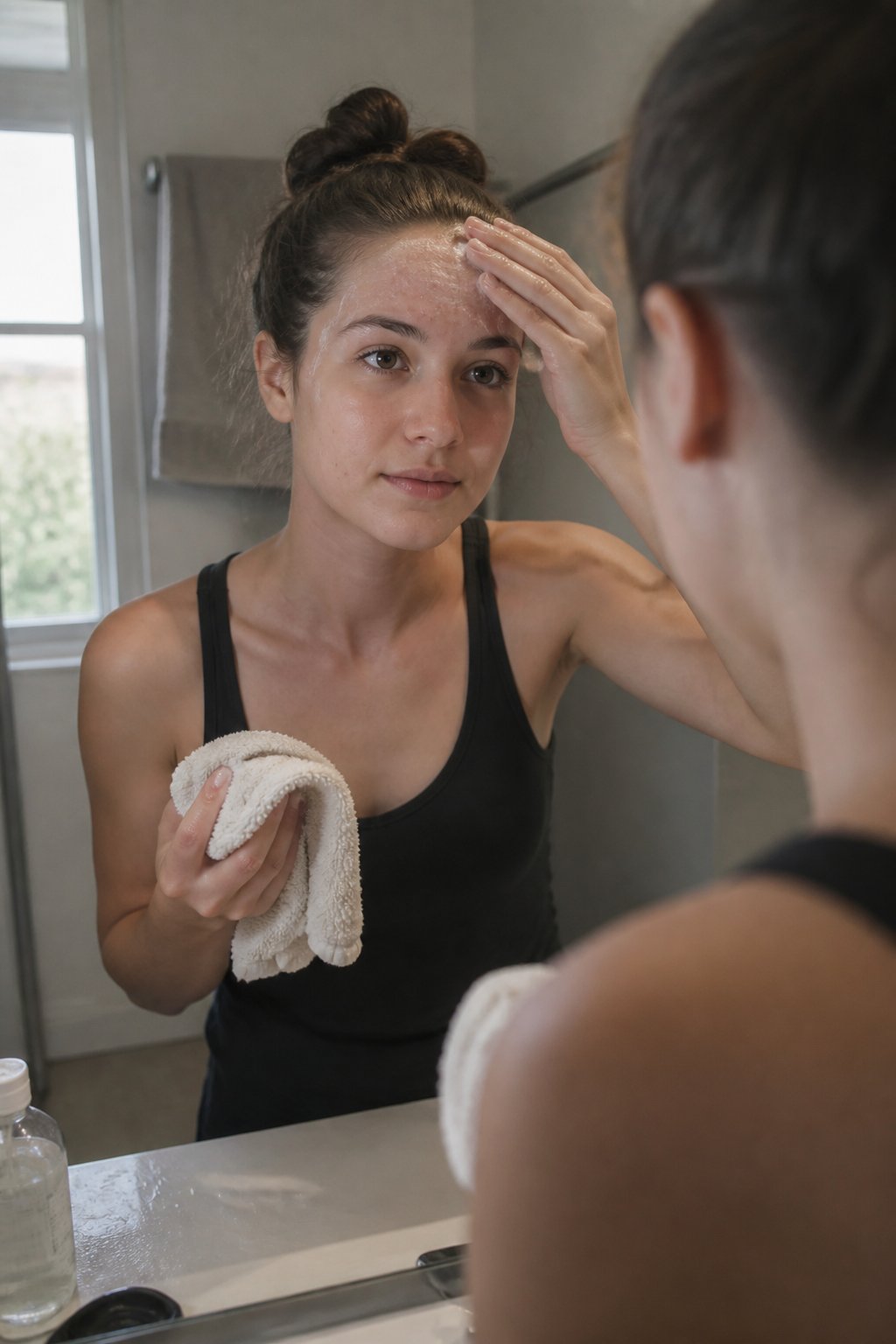
You can reduce forehead acne by using gentle cleansing, proven treatments such as salicylic acid or benzoyl peroxide, and habits that limit oil, sweat, hair-product buildup, and friction. You’ll learn how to spot common triggers, tell acne from other types of bumps, and build a simple plan you can follow consistently. You’ll also see which home remedies to avoid and when persistent forehead breakouts need a dermatologist’s care.
Start With a Simple Forehead-Clearing Plan
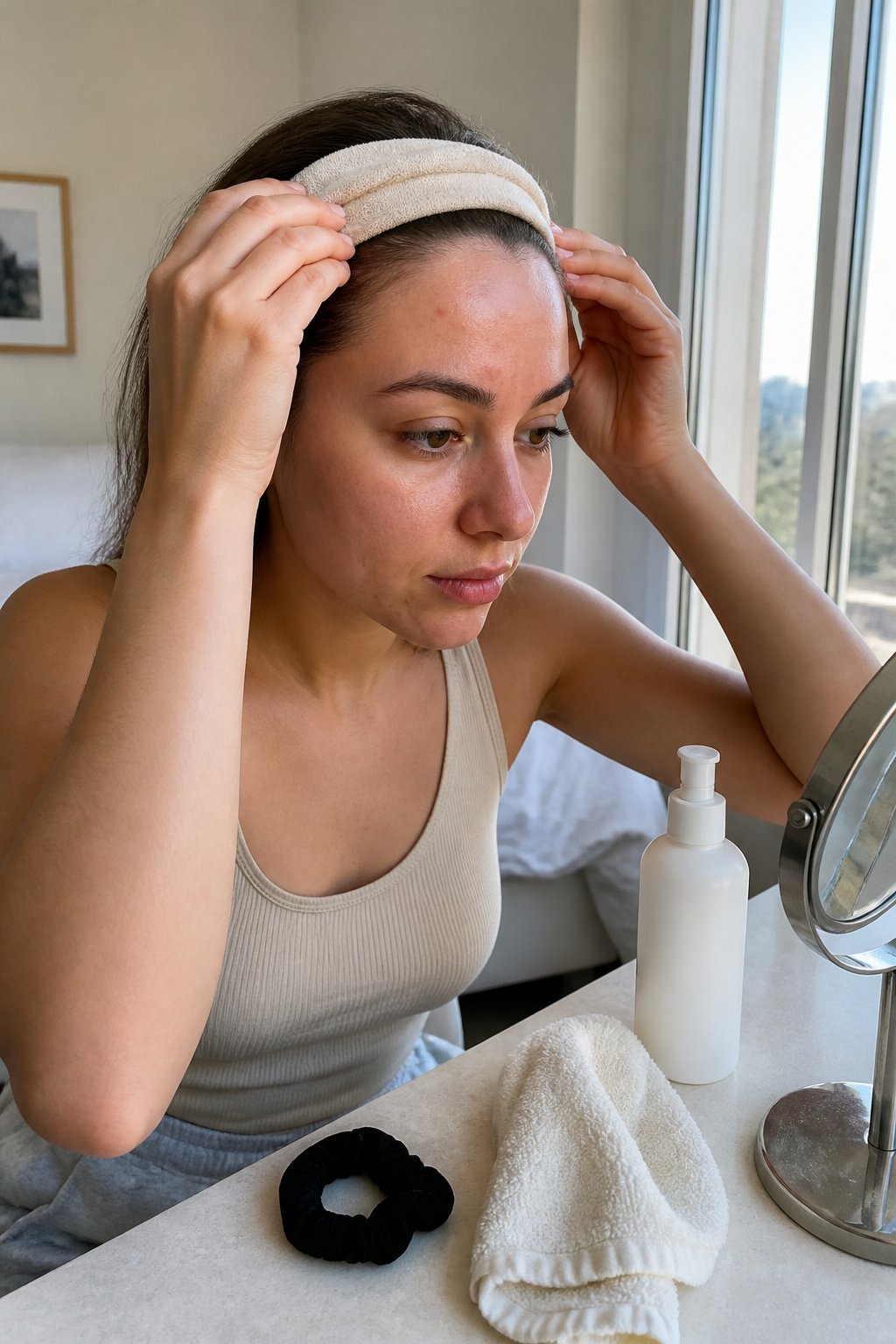
A steady skincare routine works better than using several harsh products at once. Cleanse gently, add one proven acne treatment, and protect your skin with moisturizer and sunscreen.
Cleanse Gently Twice Daily
Wash your face in the morning and before bed with a mild, fragrance-free cleanser. Use lukewarm water and your fingertips, then rinse well and pat your skin dry with a clean towel. Scrubbing, rough cloths, and hot water can increase skin irritation without clearing blocked pores.
If you exercise or sweat heavily, rinse your forehead afterward. Remove makeup and sunscreen before sleep, but avoid washing your face repeatedly during the day. Too much cleansing can dry the skin and may make your skincare routine harder to tolerate.
Keep hair products away from your forehead when possible. Oils from bangs, styling creams, and dry shampoo can transfer to acne-prone skin. Wash pillowcases regularly, especially if your hair becomes oily.
Choose One Proven Active Ingredient
Start with one acne treatment so you can see how your skin responds. Salicylic acid helps remove excess oil and clear dead skin from pores. A cleanser containing it may suit mild forehead bumps, while a leave-on product can provide stronger treatment.
Benzoyl peroxide helps reduce acne-causing bacteria and may work better for red, inflamed pimples. Apply a thin layer as directed, and remember that it can bleach fabric. Use only one new active ingredient at first, applying it every other day if your skin feels sensitive.
Do not pick or squeeze spots. This can worsen inflammation and increase the chance of dark marks. Give a new treatment several weeks of consistent use unless severe irritation develops.
Protect the Skin Barrier While Treating Breakouts
Apply a non-comedogenic moisturizer after cleansing and acne treatment. Choose a light lotion or gel if your forehead becomes oily, but do not skip moisturizer because dryness can cause stinging, peeling, and poor treatment tolerance.
Use a broad-spectrum SPF 30 or higher sunscreen each morning. Sun exposure can make leftover acne marks look darker, even when active pimples improve. Pick an oil-free or non-comedogenic formula and apply enough to cover your face and forehead.
Introduce products one at a time. Stop an acne treatment if you develop intense burning, swelling, blistering, or a spreading rash. For painful cysts, widespread acne, or breakouts that do not improve after about eight to twelve weeks, arrange an appointment with a dermatologist.
Understand What Is Causing the Breakouts
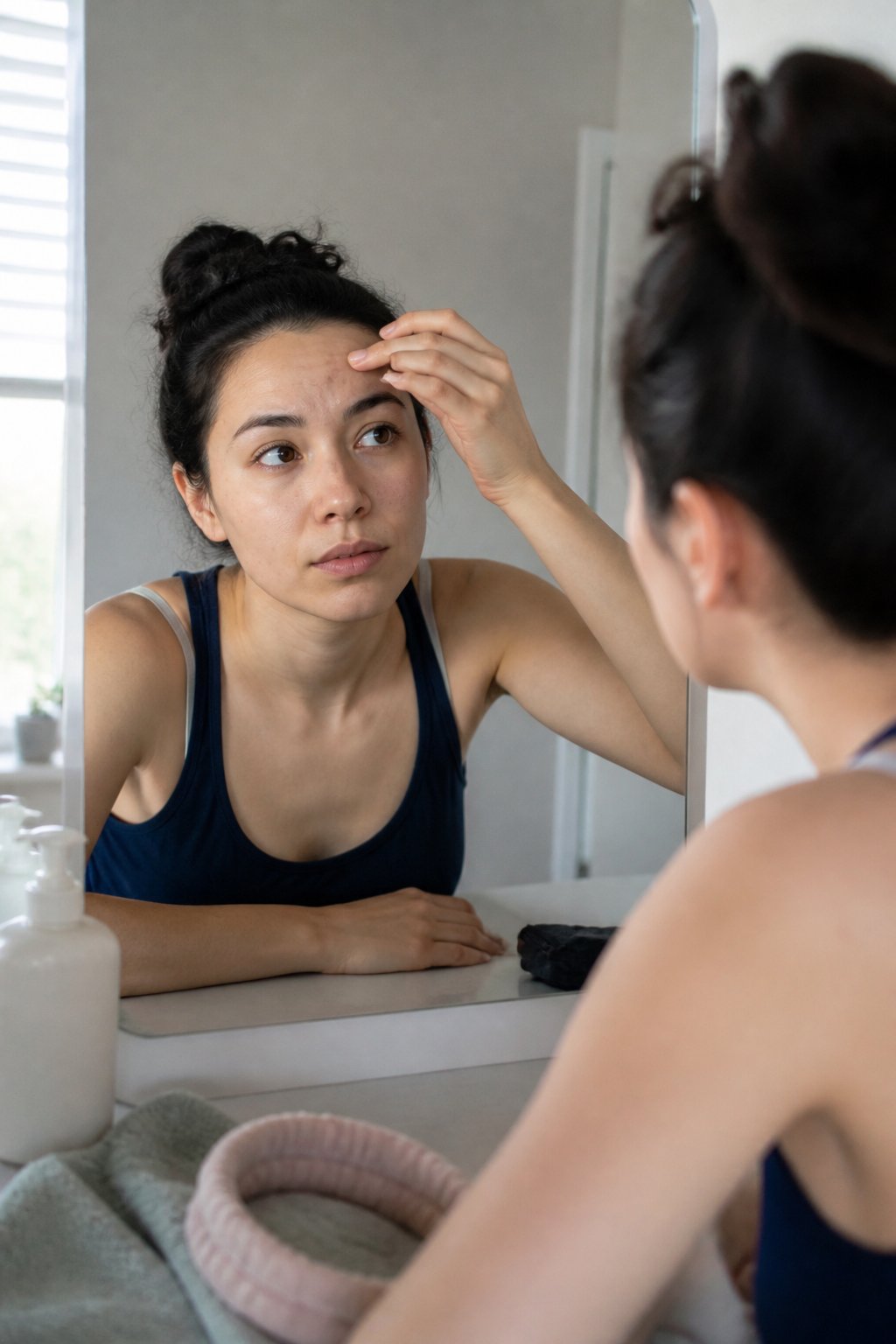
Forehead acne usually starts when excess sebum, dead skin cells, and irritation collect around hair follicles. Your skin type, genetics, hormones, hair products, and daily habits can affect how quickly pores become blocked and inflamed.
Why the T-Zone Is Prone to Oil Buildup
Your forehead sits within the T-zone, which also includes your nose and chin. This area contains many sebaceous glands, so it often produces more sebum than your cheeks. Oily skin can make the forehead look shiny, but oil alone does not cause acne. Breakouts develop when excess oil mixes with dead skin cells and blocks a follicle.
Hormonal changes, stress, and genetics can increase oil production. Hats, helmets, bangs, and greasy hair products may also trap oil and sweat against your forehead. If you notice small bumps near your hairline, check whether pomades, oils, dry shampoo, or conditioner touch your skin.
Avoid scrubbing harder to remove shine. Harsh washing can irritate your skin and may lead you to apply more products, making the problem worse. Use a gentle cleanser and choose products labeled non-comedogenic.
How Dead Skin Cells and Oil Block Pores
Each hair follicle contains a pore and normally sheds dead skin cells. When your skin produces too much oil, these cells can stick together inside the follicle. The mixture forms a plug, creating a clogged pore. A closed plug may appear as a whitehead, while an open one may look like a blackhead.
Heavy creams, oily hair products, and makeup can add to this buildup. Sweat and friction from hats or headbands may also worsen clogged pores, especially when you leave them on for long periods.
Cleanse gently twice daily and after heavy sweating. Do not squeeze or pick at bumps, because this can push material deeper into the follicle and increase the risk of dark marks. Ingredients such as salicylic acid can help loosen oil and dead skin cells, but introduce them slowly to limit dryness.
The Role of Bacteria and Inflammation
A clogged follicle creates an environment where acne-causing bacteria can grow more easily. Your immune system responds to this activity, causing inflammation. That process can turn a small blockage into a red, tender papule or a pus-filled pustule.
Not every forehead bump comes from acne. Itching, burning, or a rash that appears after using a new product may suggest irritation or contact dermatitis instead. Small, similar-looking bumps around the hairline can also result from product buildup or follicle irritation.
Keep your hands, phone, hats, and pillowcases clean, but avoid trying to sterilize your skin. Acne does not mean your face is dirty. If painful bumps, scarring, or persistent breakouts continue despite gentle care, a dermatologist can identify the cause and recommend treatment.
Identify the Type of Bumps on Your Forehead
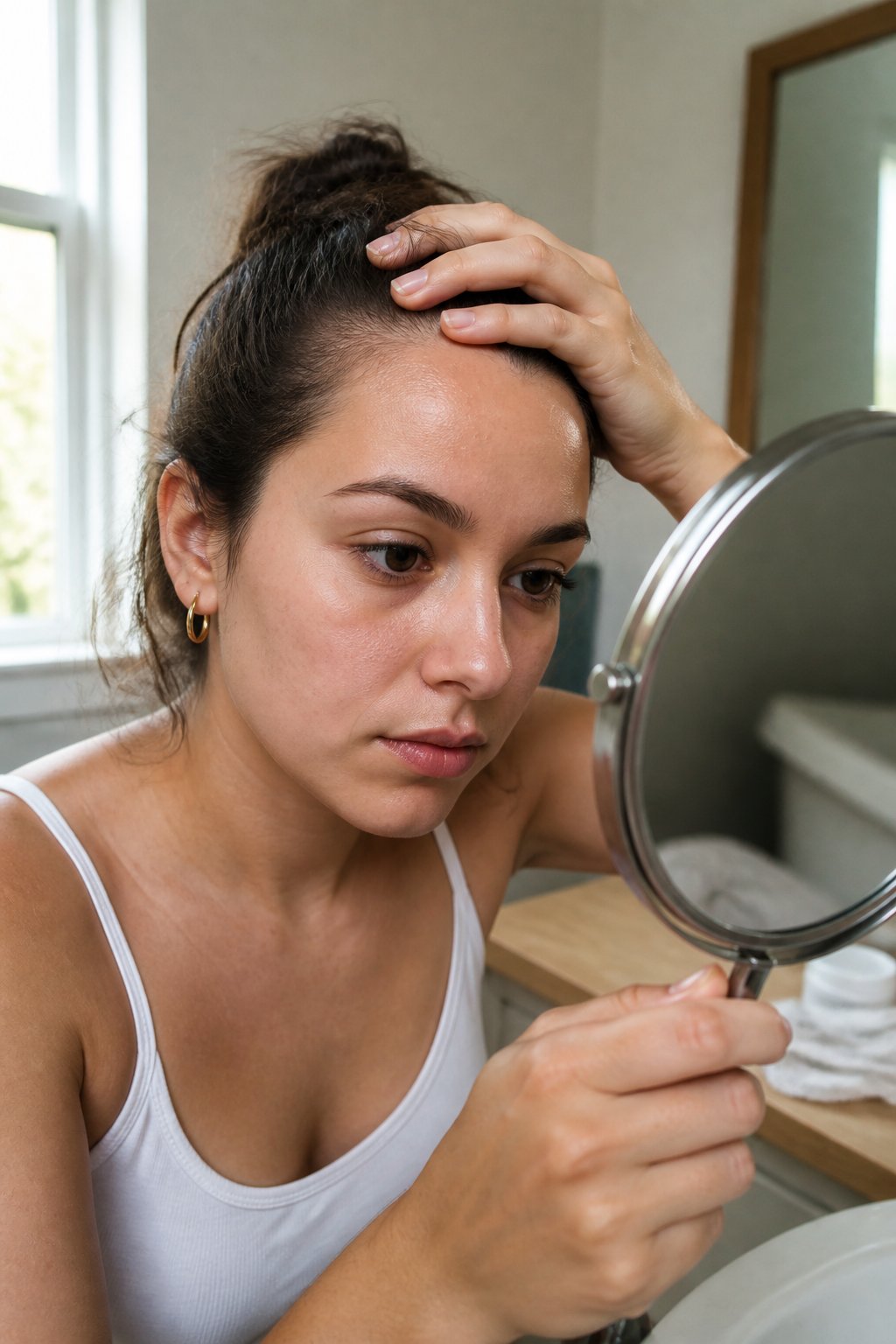
Your forehead bumps may be clogged pores, inflamed acne, or a condition that needs different care. Their color, size, texture, and symptoms can help you choose safer treatment and avoid picking or using the wrong products.
Blackheads and Whiteheads
Blackheads and whiteheads are forms of comedonal acne. They develop when oil and dead skin cells block a hair follicle.
A blackhead stays open at the surface. The dark color comes from a reaction with air, not dirt. A whitehead has a closed surface, so it usually looks like a small, flesh-colored or white bump.
These bumps often appear across the forehead, especially when oil, sweat, hats, or hair products block pores. They usually do not hurt or feel warm. You can often manage them with a gentle cleanser and a noncomedogenic moisturizer. Products containing salicylic acid may help clear clogged pores.
Avoid squeezing them. Picking can cause irritation, dark marks, or infection. Heavy hair oils and styling products can also worsen forehead acne, so keep them away from your skin and wash pillowcases regularly.
Red Papules and Pus-Filled Pustules
Papules are small, raised red or pink bumps caused by inflammation. Pustules look similar but contain visible white or yellow pus. Both are forms of inflammatory acne and may feel tender when you touch them.
You may notice these bumps after clogged pores become irritated. Sweat, friction from headbands, and hair products can make the problem worse. Do not pop papules or pustules, even when a white center appears. Squeezing can push inflammation deeper and increase the risk of scars.
Wash your face gently twice daily and after heavy sweating. Benzoyl peroxide can reduce acne-causing bacteria, while salicylic acid helps clear blocked pores. Start one product at a time because using several strong treatments together may cause dryness and burning.
See a dermatologist if the bumps spread, keep returning, or leave lasting marks despite several weeks of consistent care.
Deep Nodules and Cystic Acne
Nodular acne causes hard, deep lumps under the skin. These bumps often feel painful and do not form a clear whitehead. Cystic acne can feel softer or fluid-filled, remain tender, and cause swelling that lasts for weeks.
Deep acne can leave permanent scars if you squeeze, press, or repeatedly rub it. Over-the-counter creams may not control severe nodules or cysts because the inflammation sits deeper in the skin.
Use a gentle cleanser, avoid scrubs, and keep your hands away from the area. A cool compress may reduce discomfort for a short time. Do not try to drain the bump yourself.
Make a dermatology appointment if you have several deep lesions, painful swelling, scars, or acne that affects your confidence. A dermatologist may prescribe treatments that reduce inflammation and prevent new nodules.
When Small Uniform Bumps May Not Be Acne
Tiny bumps that all look alike may point to another condition rather than typical acne. Milia are firm, pearly white cysts that commonly appear near the eyes but can affect the forehead. They do not respond well to squeezing or ordinary acne treatments.
Folliculitis develops when hair follicles become inflamed. It may cause itchy, red, or pus-filled bumps. A yeast-related folliculitis, sometimes called fungal acne, often causes many same-sized itchy bumps that worsen with heat and sweat.
A fungal infection such as ringworm can create an itchy, scaly patch with a clearer center, rather than many small acne-like bumps. Do not use steroid cream on a suspected fungal infection without medical advice, because it can worsen the infection.
If your bumps itch intensely, form a rash, spread quickly, or fail to improve with acne care, ask a health professional to identify the cause before changing treatments.
Use Evidence-Based Over-the-Counter Treatments
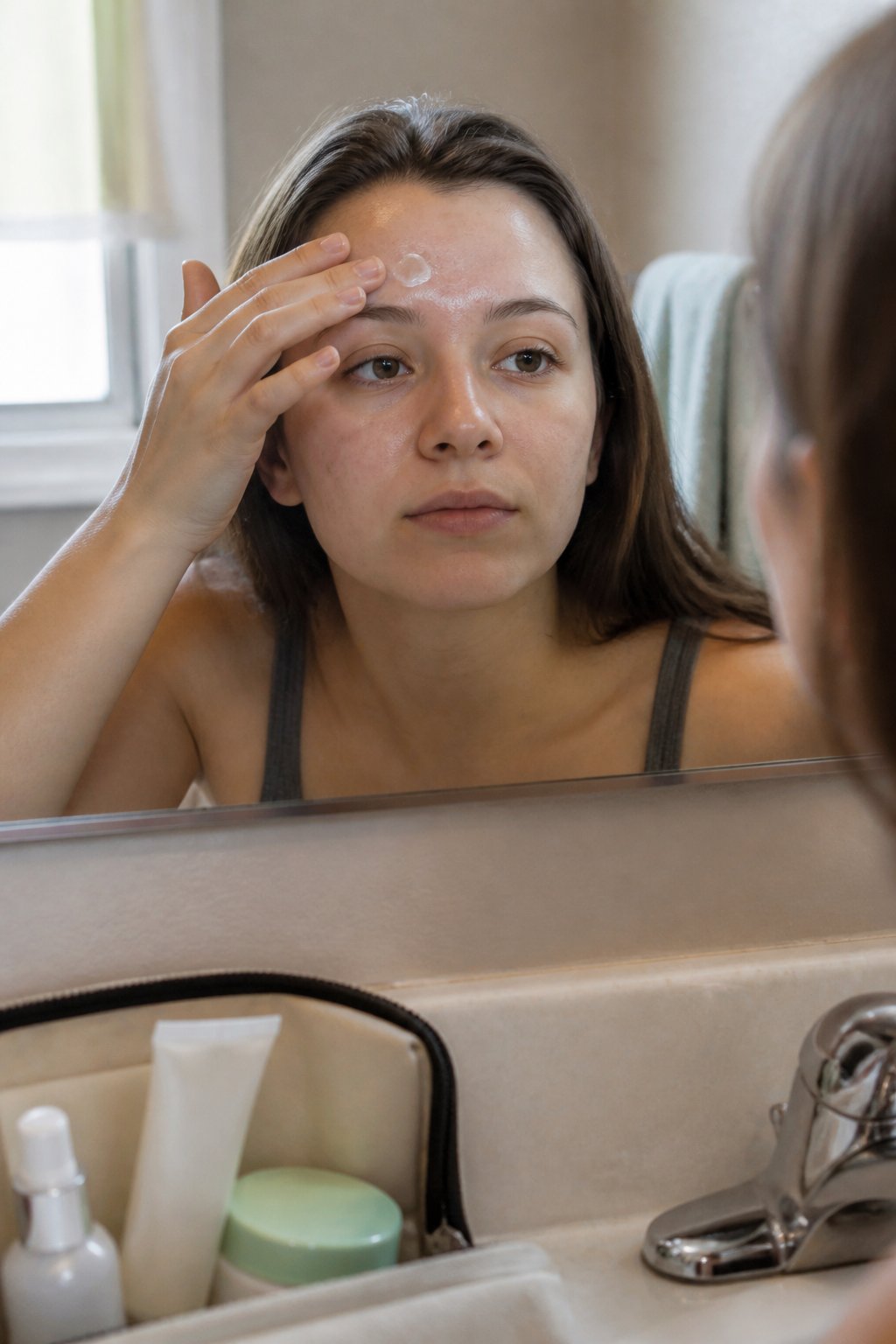
A simple routine can target clogged pores, inflamed pimples, and the marks breakouts leave behind. Start with one active ingredient, use non-comedogenic products, and give it several weeks before judging the result.
Salicylic Acid for Clogged Pores
Salicylic acid helps loosen dead skin and oil inside pores. It works well for small forehead bumps, blackheads, and whiteheads, especially when sweat, hats, or hair products contribute to clogged pores.
Choose a cleanser with 0.5% to 2% salicylic acid, or use a leave-on product if your skin tolerates it. Apply it once daily at first. If your skin becomes dry, tight, or irritated, use it every other day and apply a plain moisturizer.
Avoid scrubbing your forehead while using salicylic acid. Rough scrubs can increase irritation without clearing the pore more effectively. Also check styling products for oils or ingredients that may clog pores, and choose non-comedogenic options when possible.
Benzoyl Peroxide for Inflamed Pimples
Benzoyl peroxide reduces acne-causing bacteria and helps calm red, swollen pimples. A 2.5% formula often works as well as stronger products while causing less dryness, so start with the lower strength.
Apply a thin layer to acne-prone forehead skin once daily after cleansing. You can also use a benzoyl peroxide wash and rinse it off after a short period. Keep it away from your eyes, eyebrows, and hair because it can irritate skin and bleach fabrics.
Dryness and mild peeling can occur during the first few weeks. Use a non-comedogenic moisturizer, and do not combine several harsh acne products at once. Topical antibiotics may treat inflamed acne, but you should use them only with medical guidance, usually alongside benzoyl peroxide to limit antibiotic resistance.
Adapalene and Other Retinoids for Prevention
Adapalene helps prevent clogged pores before they become pimples. It belongs to a group called topical retinoids, which also includes prescription treatments. Use a pea-sized amount over your entire acne-prone forehead, not just on visible spots.
Apply it at night to clean, completely dry skin. Start two or three nights per week, then increase use as your skin adjusts. Applying moisturizer before or after adapalene can reduce dryness and stinging. Do not apply extra product to speed up results; that usually causes irritation instead.
Topical retinol and other retinoids may also support skin renewal, but over-the-counter adapalene has stronger evidence for acne prevention. Avoid retinoids during pregnancy unless your clinician approves them. Wear sunscreen each morning because irritation can make dark marks more noticeable.
Azelaic Acid for Sensitive or Discolored Skin
Azelaic acid can help mild acne, clogged pores, redness, and dark marks left after pimples heal. It may suit you if benzoyl peroxide or retinoids cause too much irritation. Over-the-counter products commonly contain 10% azelaic acid.
Apply a thin layer once daily after cleansing. If your skin remains comfortable after one or two weeks, you may use it twice daily according to the product directions. Follow with a non-comedogenic moisturizer and use sunscreen during the day.
You may notice mild tingling at first, but burning, swelling, or a severe rash means you should stop. Avoid layering azelaic acid with several other active ingredients until you know how your skin reacts. Consistent use matters more than applying a large amount, and improvement in acne or discoloration can take several weeks.
Remove Hair, Sweat, and Friction Triggers
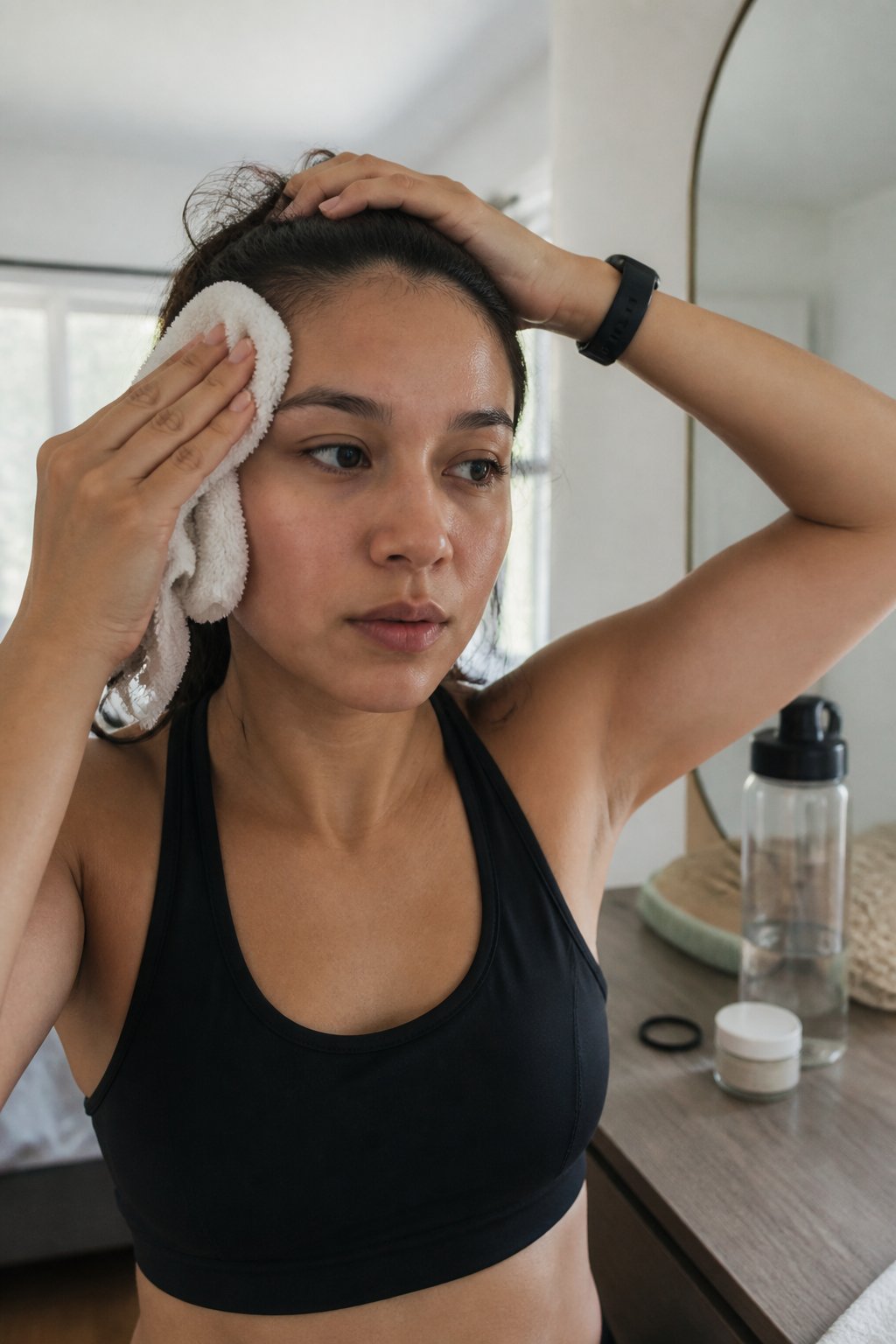
Small changes to your hair routine, headwear, and hygiene habits can reduce clogged pores along your forehead. Keep oily products away from your skin, wash sweat off soon after exercise, and clean anything that presses against your forehead.
Stop Pomade Acne Along the Hairline
Pomade acne develops when thick styling products block the pores near your hairline. Pomades, waxes, oils, and some hair gels can spread onto your forehead when you style your hair, sleep, or sweat.
Choose oil-free, non-comedogenic hair products when possible. Apply styling products to the middle and ends of your hair instead of the roots. Use less product, and wash your hands before touching your face. If breakouts began after starting a new product, stop using it for several weeks and watch for improvement.
Wash your pillowcase regularly because it can collect hair products, oil, and sweat. Clean your forehead gently after removing heavy styling products, but do not scrub or use harsh alcohol-based products. If bumps continue after you change your routine, a dermatologist can check whether acne or another condition causes them.
Manage Oily Hair and Product Transfer
Oily hair can transfer oil and hair care products to your forehead, especially when bangs or loose strands rest on your skin. Wash your hair as often as needed to control oil, particularly after sweating. Avoid brushing oily hair across your face during the day.
Rinse shampoo and conditioner completely, then wash your face after rinsing your hair. This step removes residue that may otherwise remain along your hairline. Keep conditioner, masks, and leave-in products on the lower lengths of your hair.
Check products labeled non-comedogenic or designed for acne-prone skin, but remember that labels cannot predict every reaction. If small bumps appear after using a new spray, gel, or oil, stop that product first. Acne cosmetica, or breakouts caused by cosmetics and personal-care products, often improves after removing the trigger.
Reduce Acne Mechanica From Headwear
Hats, headbands, and helmets can cause acne mechanica when pressure, rubbing, heat, and trapped sweat irritate your pores. Tight headwear creates more friction, while dirty fabric transfers oil and bacteria to your forehead.
Choose a properly fitted hat or helmet that does not press hard against your skin. Wash headbands and hat liners regularly, following the care label. Clean helmet padding when possible, and let it dry fully before wearing it again. Avoid sharing headwear.
Wear a clean, moisture-wicking headband during sports, and replace it when it becomes soaked. Do not wear a sweaty hat for hours after an activity. If you notice bumps only where the material touches your skin, reduce the contact and friction before adding stronger acne treatments.
Clean Up After Exercise and Sweating
Sweat does not directly cause acne, but trapped sweat, oil, and friction can clog or irritate your pores. After exercise, remove your hat or headband, rinse your face with lukewarm water, and use a mild cleanser when you can.
Pat your skin dry with a clean towel instead of rubbing it. Change out of sweaty clothing, and avoid wiping your forehead with shared gym towels. If you cannot shower right away, use clean water or gentle cleansing wipes without fragrance, then wash properly later.
Clean exercise equipment before use, especially helmets, straps, and anything that touches your forehead. Tiny, itchy, same-sized bumps that worsen with heat may not be typical acne and could reflect folliculitis. Seek medical advice if they persist, spread, or fail to improve with basic hygiene changes.
Address Hormonal and Lifestyle Contributors
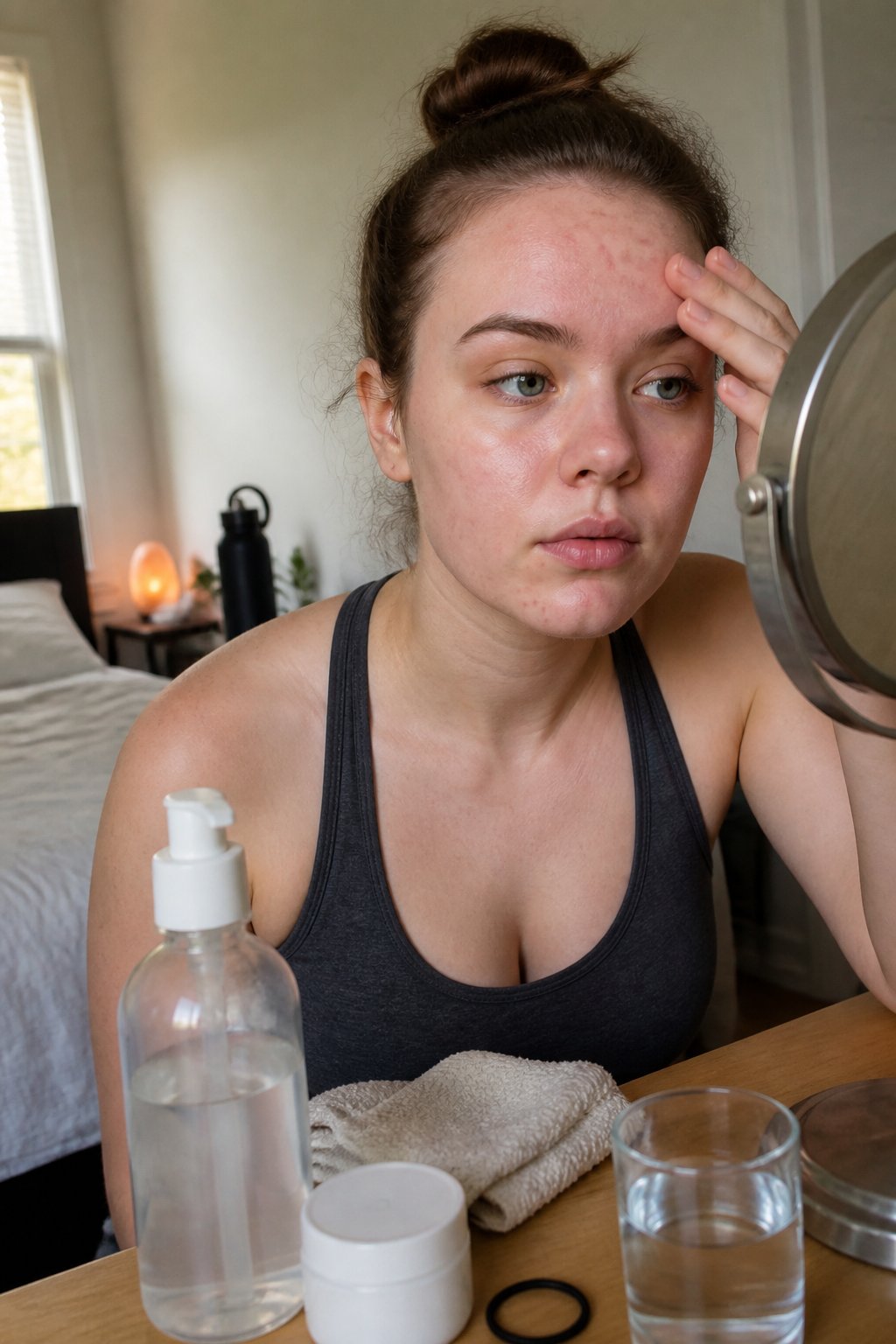
Forehead acne often reflects a mix of oil production, clogged pores, hormonal changes, stress, sleep, and daily habits. You can track patterns, remove common triggers, and discuss persistent or severe breakouts with a clinician.
Puberty, Menstrual Cycles, and Testosterone
During puberty, rising testosterone can increase oil production and make pores clog more easily. Similar hormonal fluctuations may cause acne before or during your menstrual cycle. You may notice small bumps on your forehead, oilier skin, or breakouts that appear at the same time each month.
Track your skin, cycle, new products, and medications for at least two or three months. Wash gently twice daily, avoid scrubbing, and choose products labeled noncomedogenic. Benzoyl peroxide or salicylic acid may help mild acne, but introduce one active ingredient at a time to limit irritation.
Hormonal birth control can improve acne for some people, while other contraceptives may worsen it. Do not start, stop, or switch oral contraceptives only to treat acne. Ask a clinician about benefits, risks, and other options, especially if you also have irregular periods or excess facial hair.
Stress, Cortisol, and Sleep
Stress can raise cortisol and other signals that may increase oil production and inflammation. This does not mean stress alone causes every breakout, but it can make existing acne harder to control. Poor sleep may add to this effect by affecting stress responses and your ability to follow a steady skin-care routine.
Aim for a regular sleep schedule and about seven to nine hours of sleep when possible. Use simple stress-control habits, such as walking, exercise, breathing exercises, or short screen-free breaks. Avoid picking your forehead, since touching can spread oil and bacteria and increase the risk of dark marks.
Check practical triggers, too. Oily hair products, tight hats, helmets, and unwashed pillowcases can transfer residue to the forehead. Keep hair products off your skin and wash hats or headbands regularly.
Pregnancy, PCOS, and Menopause
Pregnancy can change oil production and cause new acne, but not every acne treatment is safe during pregnancy. Avoid starting retinoids without medical advice, and ask your obstetric clinician or dermatologist which ingredients you can use. Do not assume that a “natural” product is automatically safe.
Polycystic ovary syndrome, or PCOS, may cause hormonal acne along with irregular periods, increased facial hair, scalp hair thinning, or weight changes. These signs need medical assessment rather than a skin-care change alone. Treatment may include acne medicine, hormonal treatment, or care for insulin-related problems.
During menopause, lower estrogen and relative androgen effects can trigger acne, often around the lower face but sometimes on the forehead. A clinician can review hormone therapy, other medicines, and treatment choices that fit your health history.
Diet Changes Worth Discussing With a Clinician
A balanced diet supports general health, but no single food reliably cures hormonal acne. Some studies link high-glycemic foods, such as sugary drinks, sweets, and refined grains, with more acne in certain people. Try replacing them with vegetables, beans, whole grains, fruit, and protein instead of following a highly restrictive diet.
Cow’s milk, especially skim milk, may relate to acne for some people. If you suspect dairy, discuss a short, planned trial with a clinician or dietitian so you can protect calcium and vitamin D intake. Do not take high-dose vitamin A, vitamin D, zinc, or omega-3 supplements without guidance. Excess vitamin A and zinc can cause harm, and supplements may interact with medicines.
Use Home Remedies Carefully
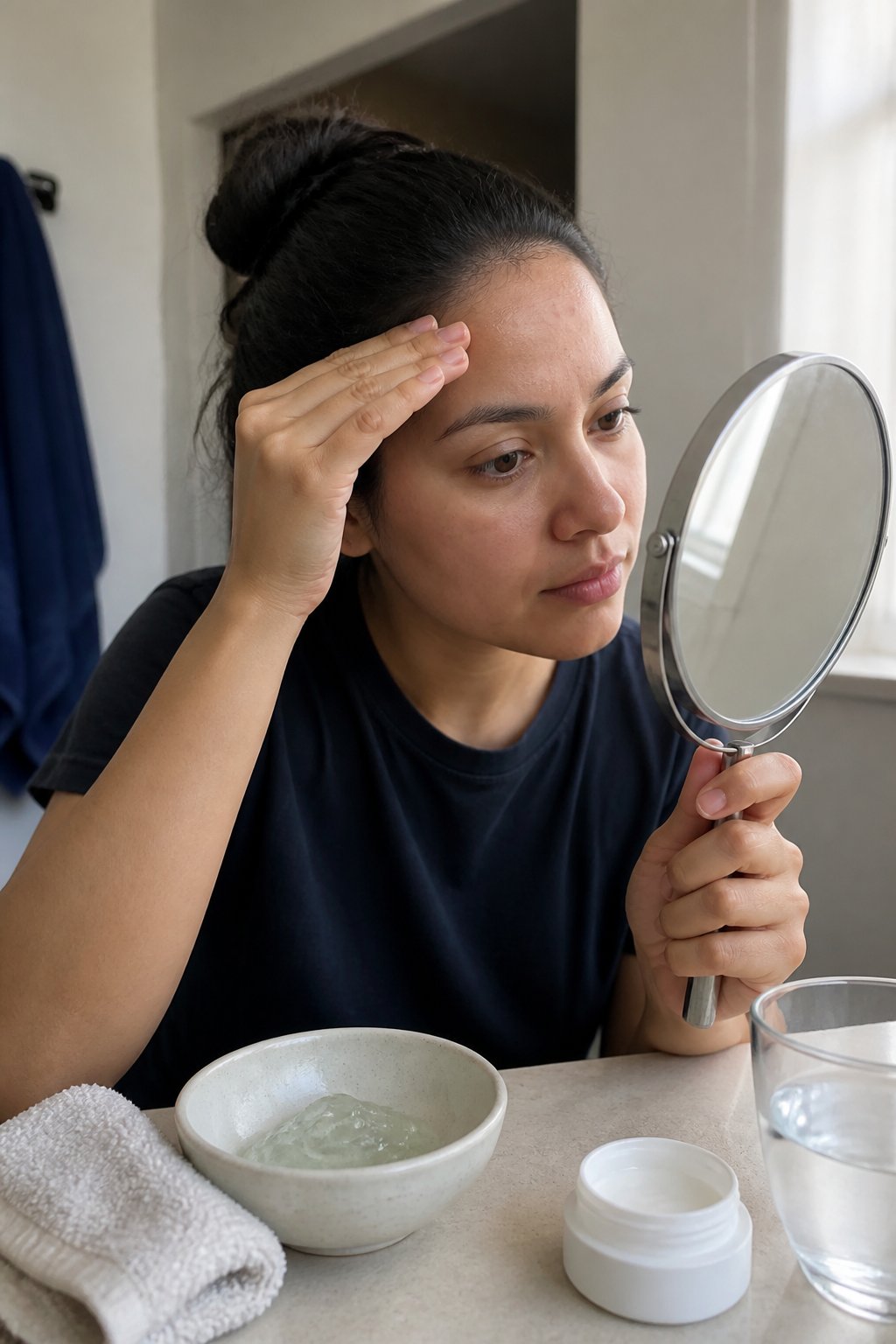
Some home remedies may calm mild acne, but they cannot replace proven treatments for persistent or painful breakouts. Choose gentle ingredients, avoid harsh mixtures, and stop using any product that causes burning, swelling, or a rash.
Options With Some Supporting Evidence
Aloe vera may soothe irritation and support healing when you use a plain, fragrance-free gel. It does not unclog pores on its own, so treat it as a calming product rather than a complete acne treatment.
Diluted tea tree oil may reduce acne-causing bacteria in some people. Never apply the essential oil directly to your skin. Use a product made for the face or dilute it according to the label. Tea tree oil can cause dryness or contact dermatitis.
Green tea may also help reduce inflammation. You can use a fragrance-free product containing green tea extract. Drinking green tea may support general health, but it will not clear forehead acne by itself. Zinc can help some people with acne, but supplements may cause side effects and drug interactions. Ask a health professional before taking them.
Why Apple Cider Vinegar and Honey Need Caution
Apple cider vinegar does not have strong evidence as a safe acne treatment. Its acidity can cause stinging, burns, dryness, and skin irritation, especially when you apply it undiluted or leave it on too long. Do not use it on broken skin or after shaving.
Honey has mild antibacterial and soothing properties, but kitchen honey is not sterile and may contain additives. If you try it, choose plain, fragrance-free honey, apply a thin layer for a short time, and rinse it off gently. Honey may still trigger irritation or an allergic reaction.
Never combine apple cider vinegar with other irritating products, such as benzoyl peroxide, retinoids, or exfoliating acids. Stop immediately if you notice itching, swelling, blistering, or a spreading rash.
How to Patch-Test Natural Products
Patch-test one new product at a time. Apply a small amount to an area such as the inner arm or behind your ear, then wait 24 to 48 hours. Watch for redness, itching, swelling, burning, bumps, or peeling.
If the test area stays clear, apply a small amount to one part of your forehead every other day. Keep the product away from your eyes, hairline cuts, and irritated skin. Do not patch-test several remedies at once because you will not know which one caused a reaction.
A rash that persists after you stop using a product may signal contact dermatitis. Wash the area with a gentle cleanser, avoid the suspected ingredient, and seek medical advice if symptoms become severe or do not improve. Choose skin safety over a remedy that makes your forehead feel raw.
Know When to See a Dermatologist
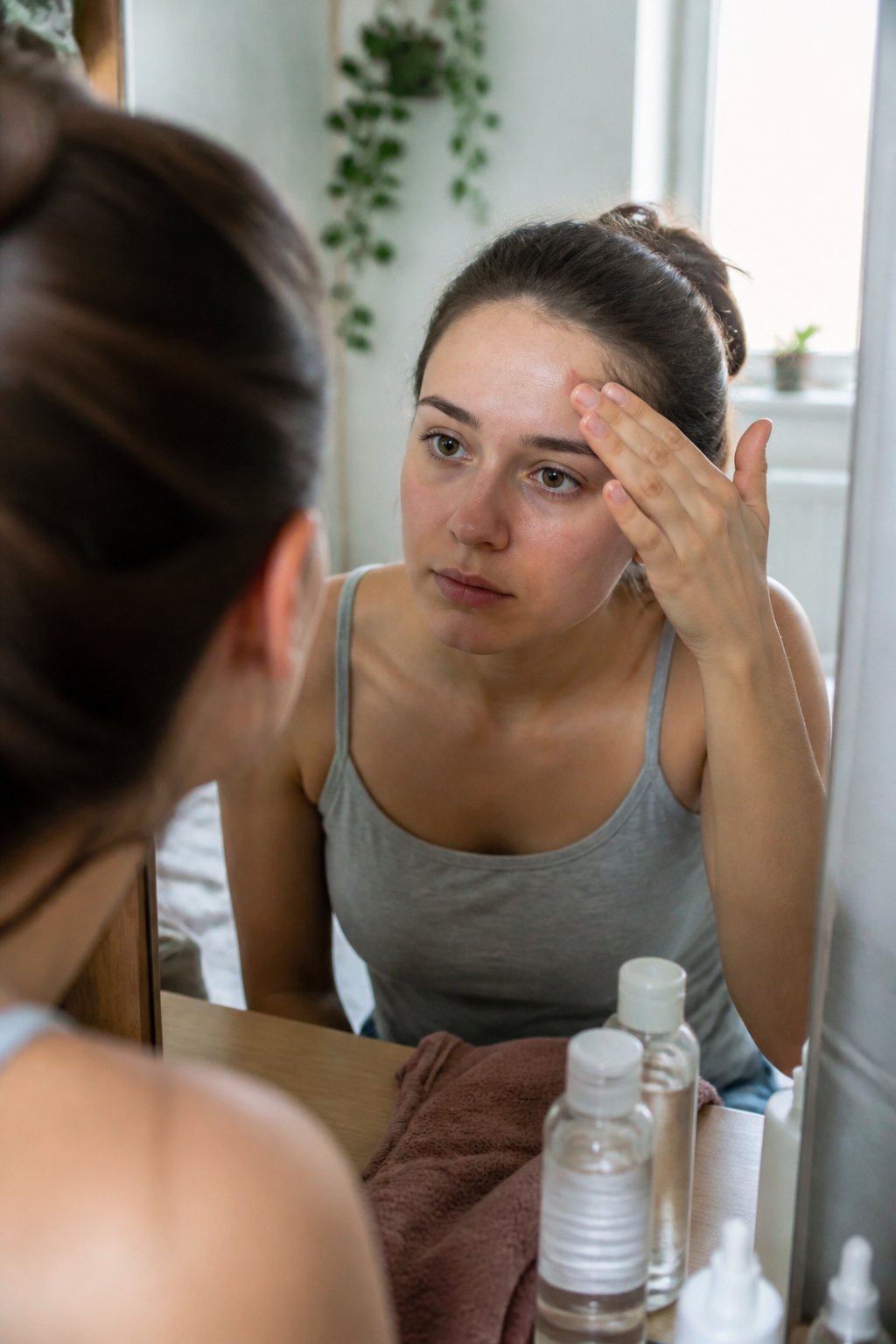
A dermatologist can identify the type and severity of your acne and match it with safe treatment. Early care can control painful breakouts, reduce dark marks, and lower the risk of permanent scars.
Signs You Need Prescription Treatment
Book a dermatology visit if forehead acne lasts more than two or three months despite consistent over-the-counter care. You should also seek help for cystic or nodular acne, painful lumps, spreading breakouts, or acne that leaves dents or dark marks.
Prescription care may help if acne affects your sleep, confidence, or daily activities. Do not keep switching products every few days. Frequent changes can irritate your skin and make it harder to tell what works.
A dermatologist can also check whether small, itchy, same-sized bumps near your hairline have another cause, such as folliculitis. Tell your doctor about pregnancy, menstrual changes, medications, and hair products. These details can affect your treatment plan.
Medical Options for Persistent or Severe Acne
Your dermatologist may prescribe a retinoid, such as tretinoin, to prevent clogged pores. They may also add topical antibiotics, usually with benzoyl peroxide, for inflamed pimples. Using benzoyl peroxide helps reduce the chance of antibiotic resistance.
For widespread or painful acne, your doctor may recommend oral antibiotics for a limited period. Some women may benefit from hormonal treatment, including spironolactone, when breakouts follow a hormonal pattern. Your clinician will review risks and monitor your progress.
Severe, scarring, or treatment-resistant acne may require isotretinoin, often called Accutane. It needs close medical monitoring because it can cause serious side effects and must not be used during pregnancy. Chemical peels may help some marks or clogged pores, but a professional should perform them.
Preventing Scars and Treatment Setbacks
Treat painful acne early, because deep inflammation can damage the skin. Do not squeeze, scratch, or scrape forehead bumps. These habits increase inflammation and can cause scars or lingering discoloration.
Use a gentle cleanser, a noncomedogenic moisturizer, and broad-spectrum SPF 30 or higher each day. Sun protection helps prevent acne marks from becoming darker. Keep hats, headbands, pillowcases, and makeup tools clean, and keep oily hair products away from your hairline.
Follow your prescription exactly, even when your skin starts improving. Apply irritating products less often only after discussing it with your dermatologist. If treatment causes severe burning, swelling, or a rash, stop and contact the prescriber. Consistent acne prevention protects the progress you have made.
Frequently Asked Questions
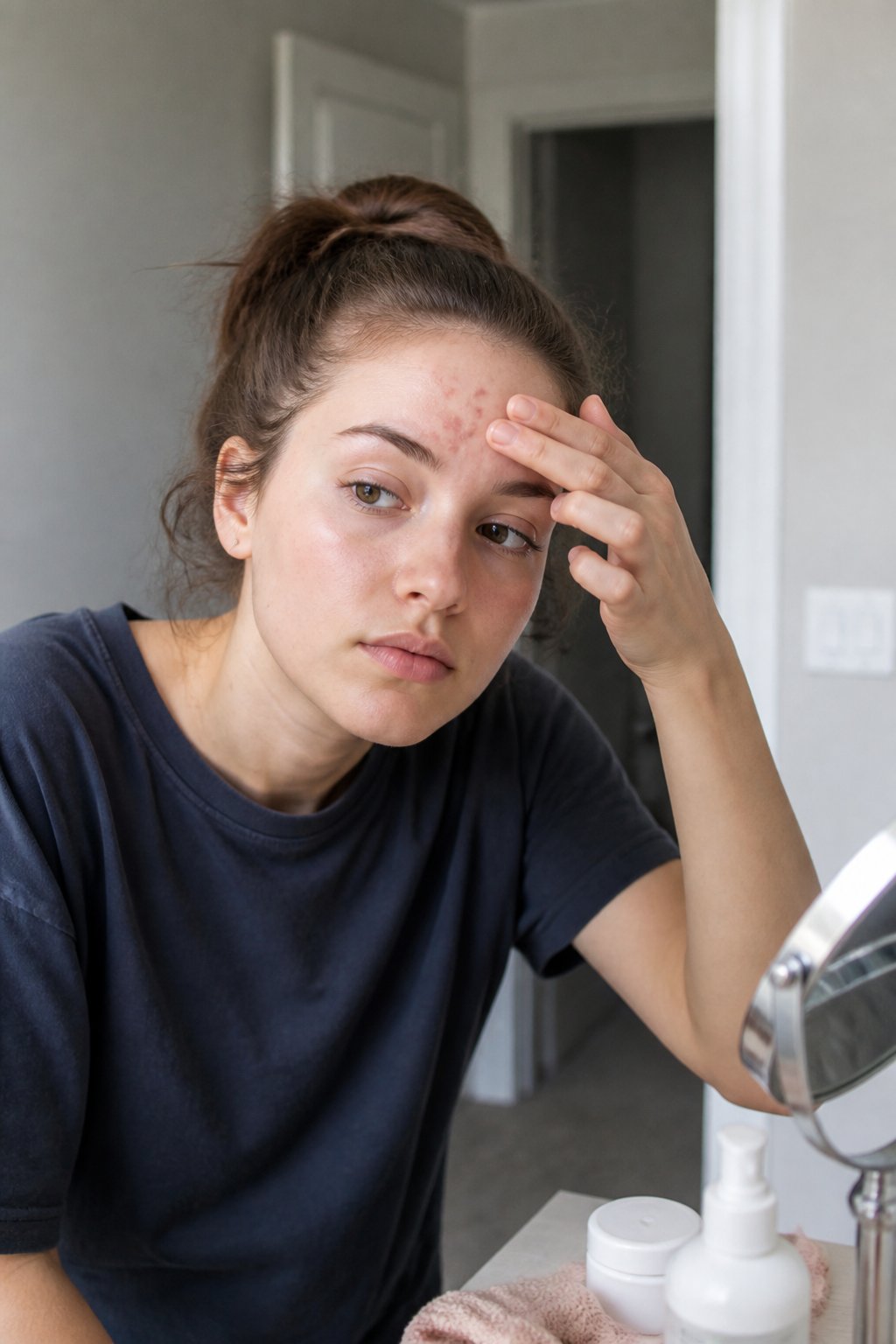
Forehead acne often results from clogged pores, excess oil, hair products, sweat, hormones, or skin irritation. Gentle cleansing, proven acne treatments, and consistent habits can help you clear existing pimples and reduce new breakouts.
What causes pimples and breakouts on the forehead?
Your forehead forms part of the T-zone, which contains many oil glands. Extra oil can mix with dead skin cells and clog pores, leading to blackheads, whiteheads, and inflamed pimples.
Hair products often play a role. Oils, waxes, gels, dry shampoo, hats, and bangs can transfer residue to your forehead. Sweat, friction, stress, hormonal changes, and some medicines may also trigger breakouts.
If small, itchy bumps appear along your hairline, the cause may differ from typical acne. See a dermatologist if the bumps persist, spread, or do not improve with standard acne care.
How can I clear forehead acne quickly?
You can reduce irritation and begin clearing pimples by washing your face gently twice daily with a mild cleanser. Avoid scrubbing, picking, and squeezing, which can worsen swelling and increase the risk of dark marks or scars.
Apply one acne treatment consistently rather than layering several harsh products. Salicylic acid helps unclog pores, while benzoyl peroxide targets acne-causing bacteria and inflammation.
Keep hair away from your face, wash pillowcases regularly, and remove makeup before bed. Most treatments need several weeks to show clear improvement, so changing products every few days can delay progress.
What are the best treatments for forehead acne bumps?
Choose treatment based on the type of bumps you have. Salicylic acid can help with clogged pores, blackheads, and small whiteheads. Benzoyl peroxide may work better for red, inflamed pimples.
Apply a thin layer to clean, dry skin and start every other day if your skin feels sensitive. Use a non-comedogenic moisturizer to reduce dryness, and wear sunscreen because irritation can make dark marks more noticeable.
Do not apply thick layers or combine multiple strong ingredients at once. If painful cysts, scarring, or widespread acne continues, a dermatologist can recommend prescription retinoids or other suitable treatment.
Can benzoyl peroxide help treat forehead acne?
Yes. Benzoyl peroxide can reduce acne-causing bacteria and calm inflamed pimples. Start with a low-strength product and apply a thin layer once daily or every other day.
The ingredient may cause dryness, redness, peeling, or stinging. Use moisturizer, reduce the frequency if irritation develops, and avoid applying it near your eyes, lips, or broken skin.
Benzoyl peroxide can bleach towels, pillowcases, clothing, and hair. Wash your hands after applying it, and use white fabrics when possible. Stop using it and seek medical advice if you develop severe swelling, hives, or trouble breathing.
How long does forehead acne usually take to heal?
Small pimples may improve within several days, but complete healing often takes longer. With regular treatment, you may notice fewer breakouts after 4 to 8 weeks, while clearer skin can take several months.
Dark spots may remain after a pimple heals, especially if you pick at it. Daily sunscreen and gentle skin care can help prevent these marks from becoming darker.
If your acne shows no improvement after about 8 to 12 weeks, or if it leaves scars, arrange a dermatology appointment. Persistent acne may need prescription treatment or a closer review of possible triggers.
How can I prevent forehead acne from coming back?
Wash your face after sweating and keep hats, headbands, and helmet liners clean. Rinse hair products thoroughly, choose non-comedogenic formulas, and avoid letting oily conditioners or styling products sit on your forehead.
Change pillowcases regularly and clean makeup tools often. Use a gentle cleanser, moisturizer, and sunscreen every day, even when your skin looks clear.
Continue your acne treatment for prevention instead of stopping as soon as the last pimple disappears. Track new products, medicines, stress, and hormonal changes so you can identify patterns and address recurring forehead acne early.
About the Author — Lena Harper
Lena Harper is a fashion writer and content strategist at Fashion Pops, known for creating thoughtful, trend-aware articles that feel both stylish and relatable. With a strong background in fashion journalism, she specializes in turning seasonal trends, outfit ideas, and styling concepts into easy-to-follow inspiration for modern women.
Her writing focuses on practicality without losing creativity — helping readers build outfits that feel current, wearable, and confident. When she’s not working on new articles, Lena enjoys exploring street style trends, discovering unique fashion finds, and curating inspiration boards that shape upcoming content at Fashion Pops.