How to Glow Up: Powerful Steps to Transform Your Look
A glow up does not require a costly makeover or a complete personality change. You may simply want clearer skin, more energy, better style, or the confidence to feel comfortable in your own routine.
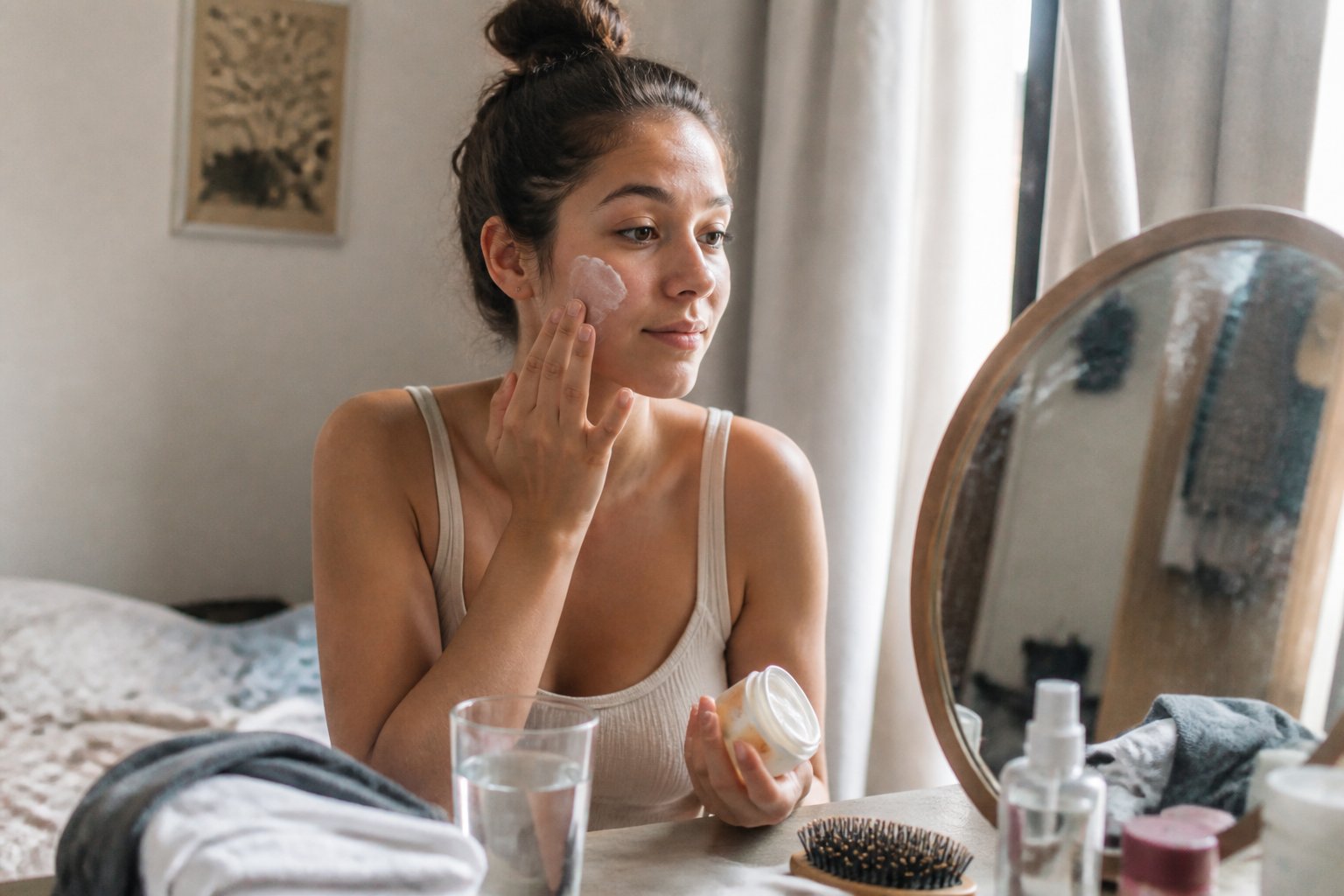
You can glow up by building healthy habits, practicing consistent self-care, and making intentional changes that support your appearance and well-being. This guide will help you create a realistic plan, avoid quick fixes, and become the best version of yourself without losing what makes you unique.
You will learn how sleep, movement, skincare, grooming, mindset, and personal style work together. You will also find practical glow up tips that fit your schedule and budget, so you can make changes that last beyond one week.
Build The Foundation For Lasting Results
A lasting glow up starts with achievable goals, steady self-care, and habits that support your health. Focus on better sleep, balanced nutrition, regular movement, emotional well-being, and small actions you can repeat.
Set Realistic Goals And Track Small Wins
Treat personal growth as a gradual process, not a sudden makeover. Choose two or three achievable goals, such as walking for 20 minutes four days a week, drinking more water, or following a simple evening skincare routine.
Make each goal specific and easy to measure. Write down your starting point, then track actions rather than appearance. A calendar, notes app, or habit tracker can show progress when changes feel slow.
Avoid changing everything at once. Trying a strict diet, intense workout plan, and complicated self-care routine together often leads to burnout. Start with one habit, repeat it for two weeks, and add another when it feels manageable.
Celebrate small wins without using perfection as the standard. Missing one day does not erase your progress. Adjust the plan and continue with the next useful step.
Prioritize Sleep, Hydration, And Stress Management
Sleep supports your energy, mood, skin, and ability to make healthy choices. Most adults need about seven to nine hours each night, so set a regular bedtime and wake time when possible.
Create a simple wind-down routine. Dim bright lights, limit blue light from phones and laptops before bed, and keep your room cool and dark. Avoid treating “beauty sleep” as a beauty trick; consistent rest helps your whole body function well.
Hydration also affects energy and physical performance. Keep a water bottle nearby, drink with meals, and increase your intake during hot weather or exercise. Your needs vary, but thirst, dark urine, and headaches can signal that you need more fluids.
Manage stress with practical tools. Try five minutes of slow breathing, meditation, journaling, or a short walk. If stress affects your sleep or daily life for weeks, consider speaking with a qualified therapist.
Eat For Energy, Skin Health, And Strength
Build meals around a balanced diet instead of cutting out large food groups without medical advice. Include fruits and vegetables, whole grains, lean protein, and healthy fats across the day.
Colorful produce supplies antioxidants and other vitamins and minerals. Beans, eggs, fish, poultry, tofu, nuts, seeds, and yogurt can support strength and recovery. Iron-rich foods include lentils, leafy greens, meat, and fortified cereals, while zinc appears in seafood, meat, beans, and seeds.
Vitamin D comes from sunlight, fortified foods, and some fish, but supplements may help only when a health professional recommends them. Green tea can fit into a healthy routine, though it cannot replace sleep or nutritious meals.
Limit highly processed foods when they crowd out nourishing choices, but avoid rigid rules. A practical meal might include salmon, brown rice, roasted vegetables, and olive oil. If you have fatigue, hair changes, or other concerns, ask a clinician before taking vitamins.
Create A Movement Routine That You Enjoy
Regular exercise works best when you can maintain it. Choose activities that match your interests, schedule, and fitness level instead of copying someone else’s routine.
Start with a weekly mix of movement. You might walk briskly on three days, practice yoga or Pilates on two days, and add strength exercises such as squats, rows, and wall push-ups twice a week. Running, swimming, cycling, and dance also count.
Increase time or intensity slowly, especially if you have been inactive. Warm up, use comfortable shoes, and stop if you feel sharp pain, chest pain, dizziness, or unusual shortness of breath. Rest days help your body recover.
Do not judge exercise only by changes in your appearance. Movement can improve stamina, posture, strength, sleep, and confidence. Schedule it like an appointment, but keep the plan flexible enough to survive busy weeks.
Strengthen Confidence And Emotional Well-Being
Confidence grows when your actions match your values. Keep promises you can realistically make to yourself, speak to yourself with respect, and notice skills that have nothing to do with appearance.
Replace harsh thoughts with accurate positive self-talk. Instead of saying, “I always fail,” try, “This plan did not work, so I will adjust it.” Positive affirmations can support this practice when they feel believable, such as, “I can care for myself today.”
Journaling, gratitude, and meditation may help you understand patterns in your mood. Spend time with positive people who respect your boundaries, and reduce contact with those who pressure you to change for approval.
Self-love does not require liking every part of yourself every day. It means meeting your needs, asking for help, and treating your mental health as important. Therapy can provide skilled support when anxiety, low self-esteem, or sadness becomes difficult to manage. Choose one supportive action today and repeat it tomorrow.
Refresh Your Look With Intentional Self-Care
A polished appearance comes from simple habits that support your skin, hair, grooming, clothing, and posture. Choose routines that fit your needs, budget, and schedule instead of copying every trend.
Build A Skin-Type-Appropriate Skincare Routine
Start by identifying whether your skin feels oily, dry, combination, or sensitive. Your routine does not need many products: use a gentle cleanser, a moisturizer, and sunscreen each morning. At night, cleanse again and moisturize while your skin is still slightly damp.
If you have sensitive skin, choose fragrance-free products and introduce one new item at a time. Oily skin may benefit from a light, non-comedogenic moisturizer, while dry skin often needs a cream with ingredients such as ceramides or glycerin.
Use an exfoliator only once or twice a week if your skin tolerates it. Over-exfoliating can damage the skin barrier and cause redness, dryness, or breakouts. Patch-test new products near your jaw before applying them across your face.
Protect And Brighten Your Complexion
Apply broad-spectrum sunscreen with SPF 30 or higher every morning, even on cloudy days. Use enough to cover your face, ears, and neck, then reapply when you spend extended time outdoors, sweat, or swim. Sun protection supports skin health and helps prevent uneven tone and early visible damage.
A vitamin C serum may help brighten dull-looking skin when you use it consistently. Apply it after cleansing and before moisturizer, but stop if it causes burning or lasting irritation. Keep the product away from direct heat and sunlight, and follow its label.
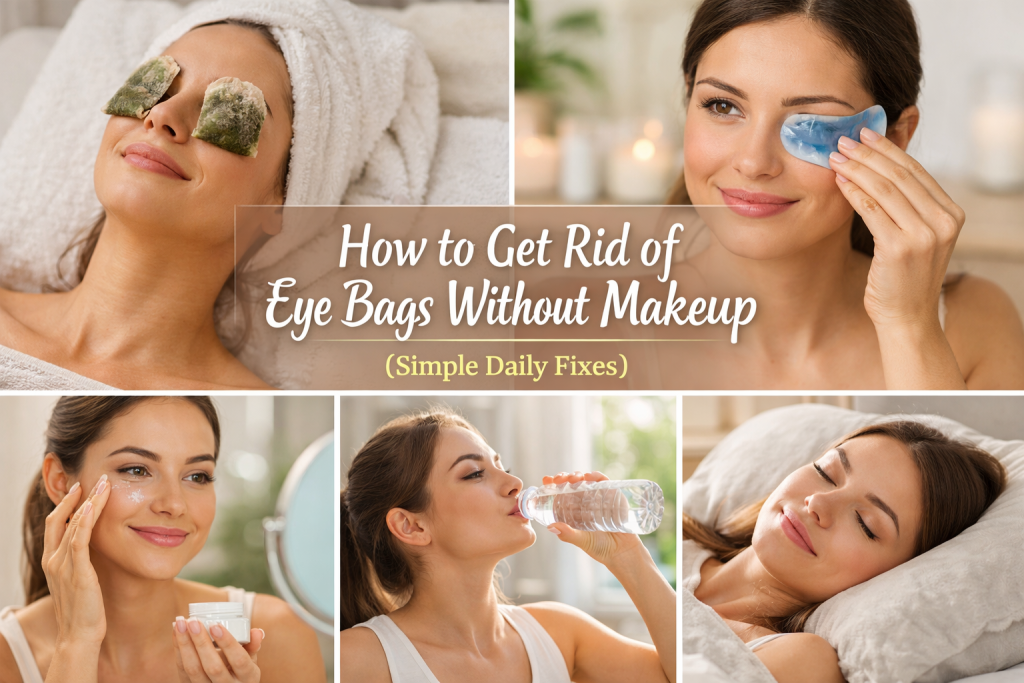
You can also use a lip balm with SPF. Face masks, eye masks, facials, gua sha, and facial massage may make you feel refreshed, but they should support—not replace—basic daily care.
Improve Hair Health And Try A Fresh Style
Healthy hair begins with a clean, comfortable scalp. Wash as often as needed for oil, sweat, or product buildup, and massage shampoo into your scalp rather than scrubbing the lengths. A sulfate-free shampoo may feel gentler for dry or color-treated hair, but your scalp needs determine the best choice.
Apply conditioner from the middle of your hair to the ends. Use a deep conditioner or hair mask weekly if your hair feels dry, tangled, or damaged. Limit high heat, use heat protection, and avoid tight styles that pull on the roots. A silk pillowcase may reduce friction, though it will not create new hair growth.
For a visible change, ask a stylist for a haircut that suits your face shape, hair texture, and daily routine. Bring photos, explain how much time you want to spend styling, and choose a new hairstyle you can maintain.
Use Grooming, Makeup, And Fragrance Thoughtfully
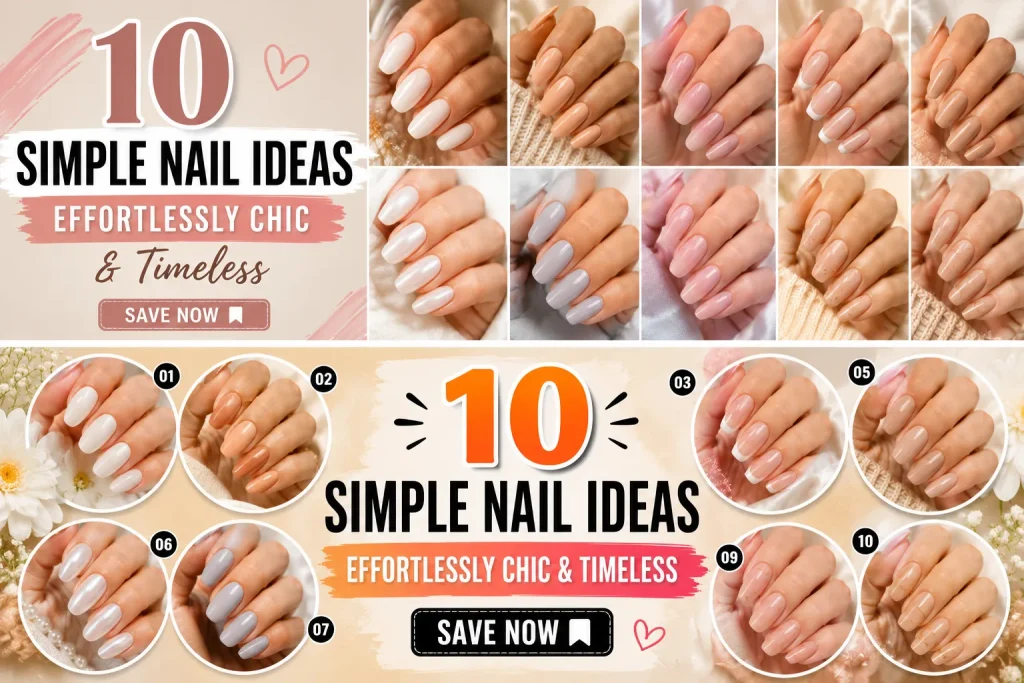
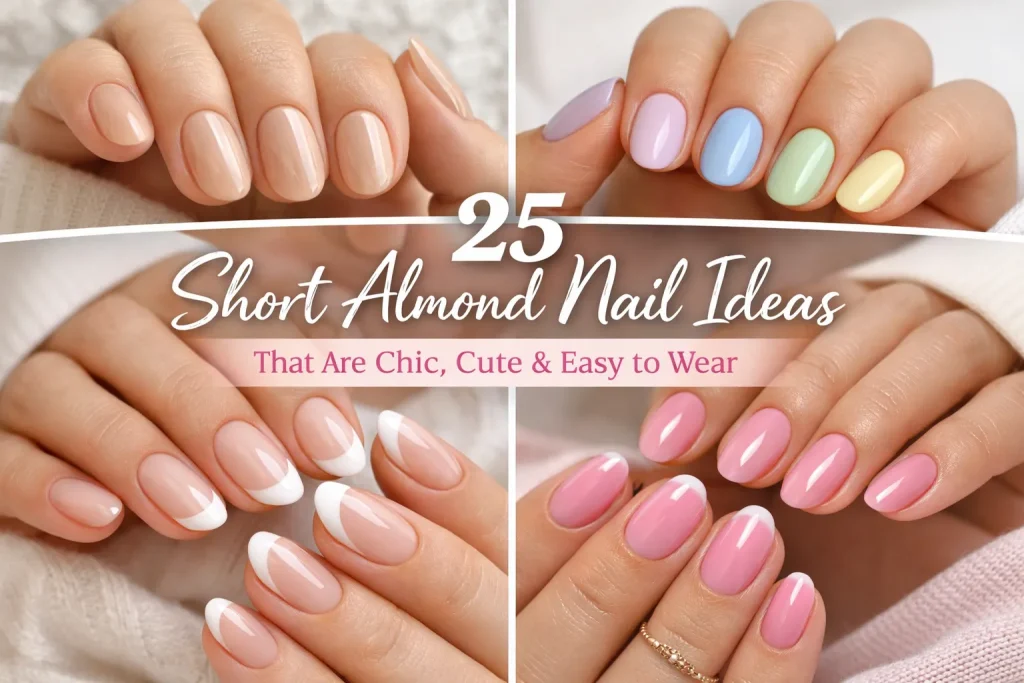
Small grooming details can make you look prepared without making your routine complicated. Keep nails clean and shaped, and choose a manicure or pedicure style that fits your work, school, or personal taste. If you remove facial or body hair through waxing, follow aftercare advice and avoid irritating products for a day or two.
For makeup, focus on one or two features. Tinted moisturizer, concealer, brow gel, mascara, blush, and lip balm can create a fresh daily look. Remove makeup fully before bed, and replace old eye products to reduce the risk of irritation or infection.
Teeth whitening may brighten your smile, but use approved products and follow directions. Avoid excessive treatment, especially if you have sensitive teeth. Choose a perfume or fragrance with a light application on pulse points, and remember that clean skin and clothing matter more than a strong scent.
Develop A Personal Style That Feels Like You
Build outfits around clothing that fits well, feels comfortable, and suits your real life. Start with reliable basics in colors you enjoy, then add accessories or statement pieces that show your personality. A well-fitting shirt, clean shoes, and tidy layers often create more impact than expensive clothing.
Review your wardrobe and remove items that no longer fit, feel comfortable, or match your current lifestyle. Before buying something, ask whether you can wear it with at least three outfits. This habit helps you invest in useful pieces rather than short-lived trends.
Use clothing to support your goals. Neutral outfits may suit a formal setting, while color, texture, or jewelry can add interest in casual settings. Keep garments clean, repair loose buttons, steam wrinkles, and check hems before leaving home.
Refine Posture And Everyday Presentation
Good posture changes how your clothes fit and how confidently you move. Keep your shoulders relaxed, your chin level, and your feet grounded. Avoid forcing your chest forward or holding your body rigidly; aim for a balanced position that feels natural.
At a desk, place your screen near eye level and keep both feet supported. During the day, take short movement breaks and gently roll your shoulders. Strengthening your back and core can also make upright posture easier, but do not ignore pain or persistent stiffness.
Your everyday presentation includes small actions: make eye contact, speak clearly, keep your phone away during conversations, and check your clothing before leaving. These habits cost nothing, yet they can make your grooming, outfit, and self-care efforts look more intentional.
Frequently Asked Questions
A practical glow-up starts with steady habits: better sleep, basic skincare, regular movement, clean grooming, and clothes that fit well. Small changes can improve how you look and feel without expensive products or extreme routines.
How do I start a glow-up routine?
Start with three habits you can repeat every day: wash your face gently, drink water with meals, and follow a regular sleep schedule. Add a short walk, light workout, or stretching session most days.
Keep your routine simple for two weeks before adding more steps. Track habits in your phone instead of buying many products. Common mistakes include changing everything at once, copying routines made for another skin type, and expecting fast results from expensive products.
How can I improve my face naturally?
Focus on habits that support healthy-looking skin. Sleep about eight hours when possible, eat regular meals with protein and produce, wash pillowcases often, and avoid picking at spots.
Use shade, a hat, and broad-spectrum SPF 30 or higher when outdoors. Gentle facial massage may reduce temporary puffiness, but it cannot change your bone structure. Avoid lemon juice, baking soda, toothpaste, and harsh scrubs because they can irritate your skin.
What skincare routine helps achieve clearer, healthier-looking skin?
Use a gentle cleanser, a fragrance-free moisturizer, and sunscreen in the morning. At night, cleanse again and moisturize. If you have acne, consider a product with salicylic acid or benzoyl peroxide, starting a few times per week.
Apply one new product at a time and patch-test it first. Stop using it if you develop severe redness, swelling, or burning. A dermatologist can help with painful acne, scarring, or skin problems that do not improve.
How can I look better in one week?
Choose visible, low-risk changes. Get consistent sleep, tidy your hair, clean your shoes, trim or shape facial hair if you have it, and wear clothes that fit your shoulders and waist well.
Improve posture by keeping your shoulders relaxed and your head level. Wash your bedding, moisturize dry areas, and use sunscreen daily. Do not crash diet, over-exfoliate, or try a new strong treatment just before an event.
How long does it take to see glow-up results?
You may notice better energy, less puffiness, and improved grooming within one to two weeks. Skin changes often take four to eight weeks, while fitness, hair growth, and body-composition changes usually take longer.
Results depend on your starting point, health, sleep, and consistency. Take photos once a month in similar lighting instead of checking the mirror several times a day. If your skin suddenly changes or your mood and energy stay low, speak with a health professional.
How can I glow up at home with strict parents?
Choose changes that look like normal self-care. Keep your room and clothes tidy, follow a simple shower and skincare routine, exercise quietly, improve your sleep schedule, and practice better posture.
You can style your hair, organize outfits, and care for your nails without buying costly products or breaking household rules. Ask your parents before using treatment products or changing your diet. Start with one respectful habit today, then build from there.
About the Author — Lena Harper
Lena Harper is a fashion writer and content strategist at Fashion Pops, known for creating thoughtful, trend-aware articles that feel both stylish and relatable. With a strong background in fashion journalism, she specializes in turning seasonal trends, outfit ideas, and styling concepts into easy-to-follow inspiration for modern women.
Her writing focuses on practicality without losing creativity — helping readers build outfits that feel current, wearable, and confident. When she’s not working on new articles, Lena enjoys exploring street style trends, discovering unique fashion finds, and curating inspiration boards that shape upcoming content at Fashion Pops.