How to Get Clear Skin: Powerful Tips for a Radiant Glow
Clear skin does not require a complicated routine or harsh products. If pimples, breakouts, dark spots, or hyperpigmentation keep returning, the right approach starts with understanding your skin type and its needs.
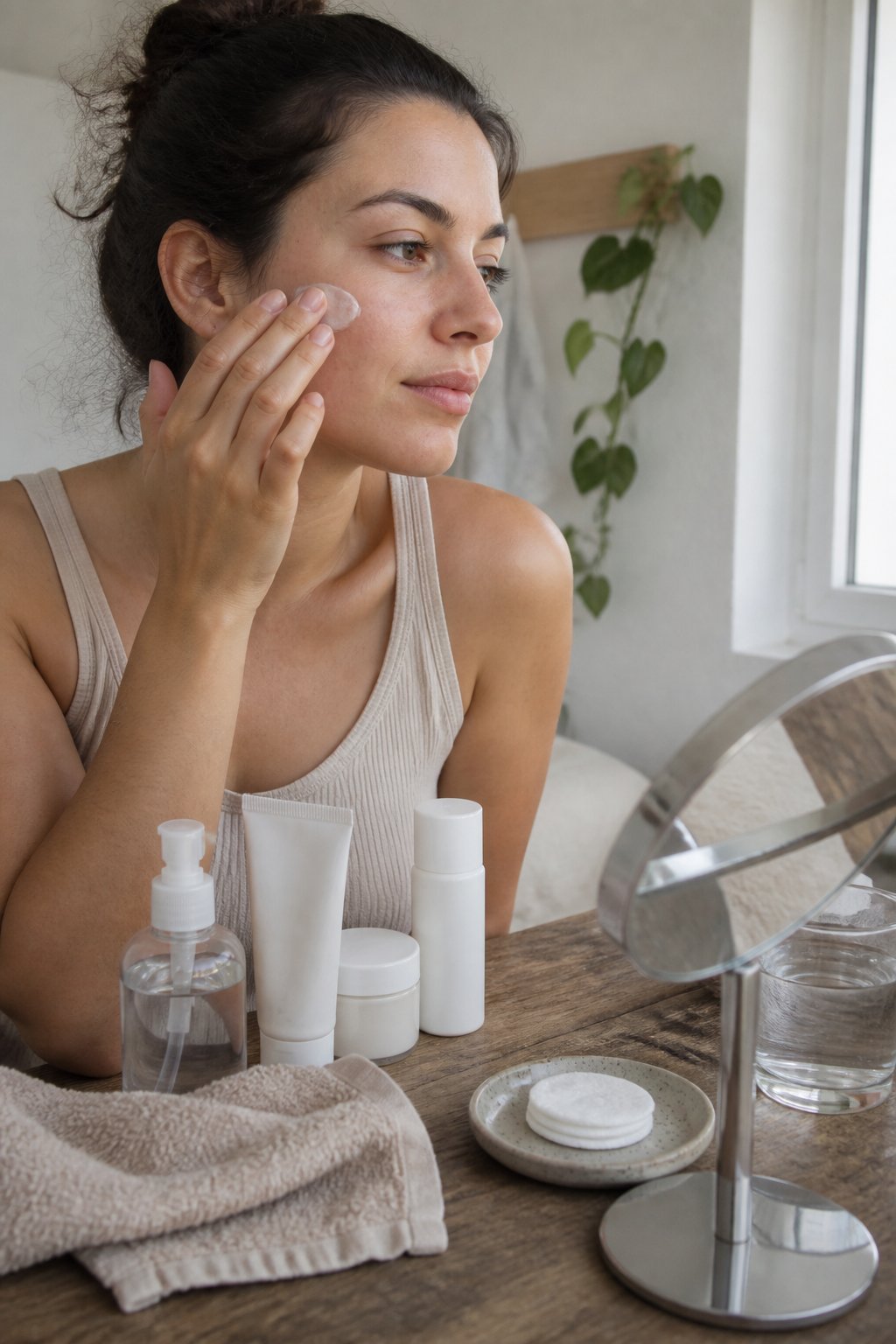
You can improve clear, healthy skin by using gentle, consistent care, protecting your skin from the sun, and treating your specific skin condition without overloading your routine. You’ll learn how to build a daily routine for your skin type, avoid common mistakes that worsen blemishes, support lasting results, and recognize when professional medical help makes sense.
Small changes can make a meaningful difference, especially when you give your skin time to respond. Read on to create a routine that supports healthier skin without chasing quick fixes.
Build A Skin-Type-Appropriate Daily Routine
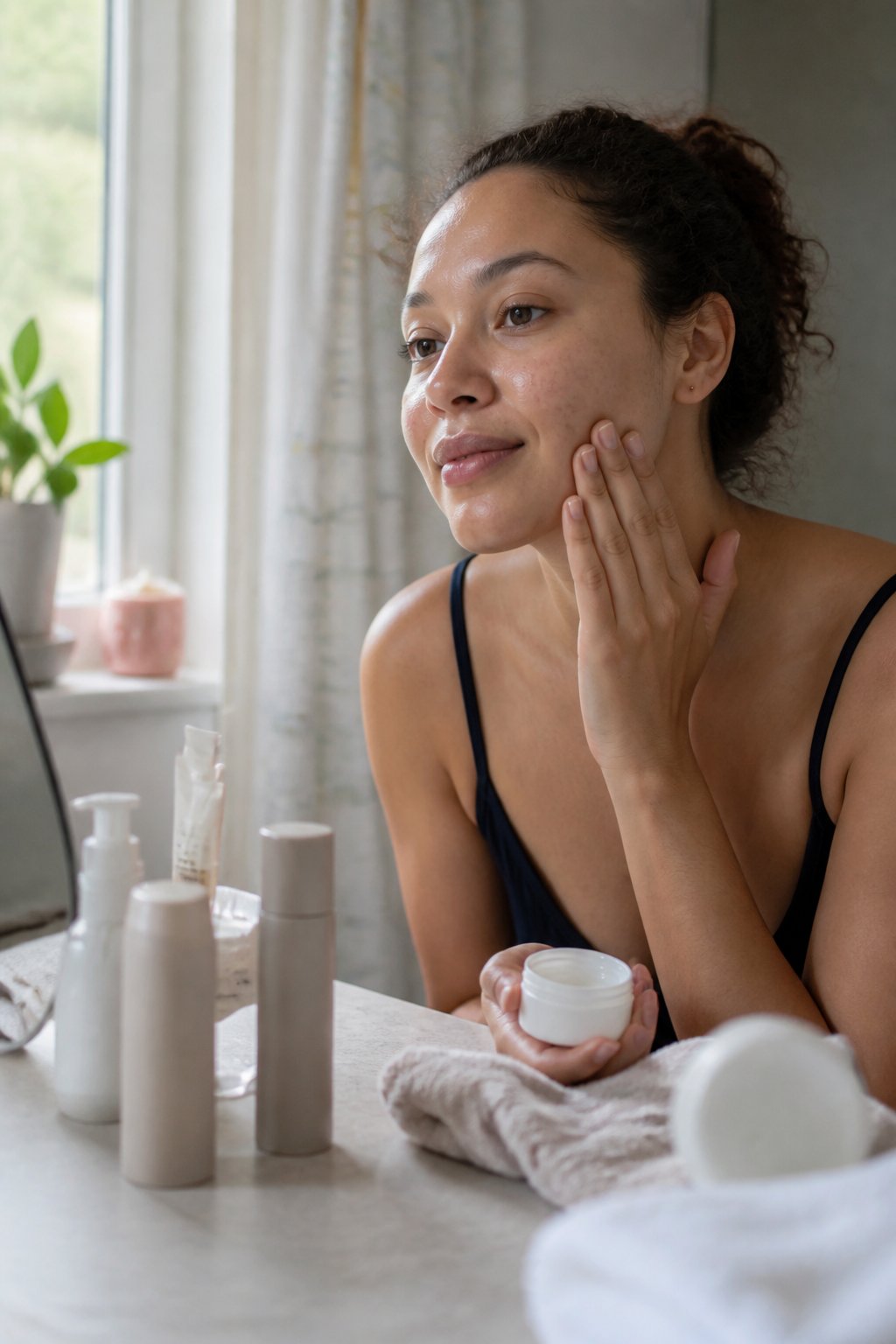
A clear-skin routine works best when you keep the basics consistent: cleanse gently, treat one concern at a time, moisturize, and protect your skin from UV rays. Choose products based on your skin type, acne risk, and sensitivity rather than copying someone else’s routine.
Cleanse Gently Morning And Night
Use a gentle cleanser or mild face wash to remove sweat, excess sebum, sunscreen, and makeup. Wash with lukewarm water, not hot water, which can increase dryness and irritation. Massage the cleanser with clean fingertips for about 30 seconds, then rinse and pat your face dry.
Cleanse at night even if you do not wear makeup. In the morning, rinse with water or use a cleanser if your skin feels oily. Avoid harsh facial cleansers, rough washcloths, and frequent scrubbing. These habits can weaken your skin barrier and may trigger more oil or irritation.
If you wear waterproof sunscreen or makeup, remove it first with micellar water or a cleansing balm. Follow with your regular cleanser so residue does not remain in your pores.
Use Targeted Treatments Without Overloading Skin
Add one acne treatment at a time and give it several weeks to work. Salicylic acid can help loosen dead skin cells inside pores and may reduce blackheads. Benzoyl peroxide targets acne-causing bacteria and works well for inflamed breakouts, but it can dry skin and bleach fabric.
A retinoid, such as retinol or prescription tretinoin, can support clearer pores and smoother skin. Start two or three nights per week with a pea-sized amount, then increase slowly. Azelaic acid may help acne and uneven skin tone while often remaining suitable for sensitive skin.
Avoid combining several strong products at once. For example, using retinoids, glycolic acid, lactic acid, and benzoyl peroxide together may cause burning and peeling. Skip rough physical exfoliants, frequent scrubs, and at-home chemical peels when your skin feels irritated.
Moisturize To Support The Skin Barrier
Apply moisturizer after cleansing, while your skin still feels slightly damp. Moisturizers reduce water loss and help maintain the skin barrier, even when you have oily or acne-prone skin. Look for glycerin, hyaluronic acid, ceramides, or other ingredients that support hydration.
Choose a light, oil-free moisturizer for oily or combination skin. Dry skin may need a thicker cream with ingredients that reduce water loss. If a product stings, causes persistent redness, or creates new clogged pores, stop using it and try a simpler formula.
Natural oils do not suit every face. Coconut oil, for example, may clog pores for some people. A fragrance-free moisturizer usually makes a safer choice for sensitive skin than products containing essential oils, rose water, or strong botanical extracts.
Wear Daily Broad-Spectrum Sun Protection
Use a broad-spectrum sunscreen with SPF 30 or higher every morning. Broad-spectrum protection helps shield your skin from UVA and UVB rays, which contribute to dark spots, premature aging, fine lines, and wrinkles. Sunscreen also helps prevent acne marks from becoming darker.
Apply enough to cover your face, ears, neck, and any exposed skin. Reapply every two hours when you stay outdoors, swim, or sweat. Mineral formulas with zinc oxide may suit sensitive skin, while lightweight fluid formulas often feel better on oily skin.
Apply sunscreen as the last morning skincare step, after moisturizer. Do not rely on makeup with SPF alone unless you apply enough to provide the labeled protection.
Adjust Products For Oily, Dry, Combination, And Sensitive Skin
For oily skin, choose a gentle foaming cleanser, a non-comedogenic moisturizer, and salicylic acid if clogged pores or blackheads concern you. Do not strip away all oil; excessive dryness can increase irritation and make your routine harder to maintain.
For dry skin, use a creamy cleanser, lukewarm water, and a richer moisturizer with glycerin or ceramides. Limit exfoliation because dry, peeling skin does not need more scrubbing. For combination skin, use lighter products across your face and add moisturizer to dry areas as needed.
For sensitive skin, choose fragrance-free products and introduce one new item at a time. Patch-test treatments before applying them widely. If you have painful acne, spreading redness, or scarring, a dermatologist can recommend an acne treatment that fits your skin and medical history.
Support Results And Know When To Get Medical Help
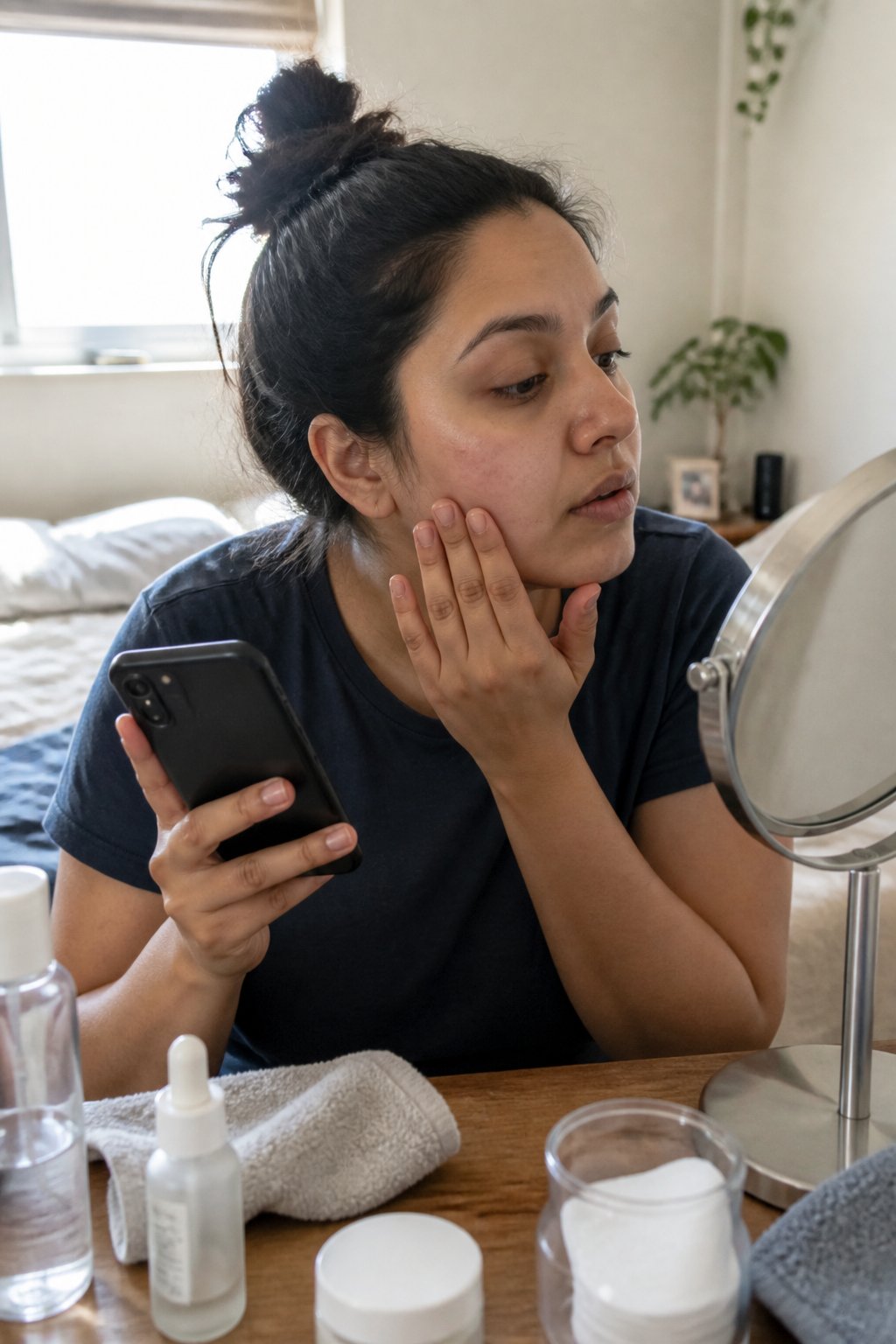
Clearer skin depends on steady care, fewer irritants, healthy daily habits, and timely medical advice. Protecting healing skin can also reduce inflammation, dark spots, and the risk of lasting acne scars.
Avoid Picking, Irritating DIY Remedies, And Contaminated Tools
Do not squeeze or scratch pimples. Picking pushes inflammation deeper, spreads bacteria, and raises the risk of acne scarring and hyperpigmentation. If a spot feels painful, use a clean, warm compress for a few minutes instead.
Avoid harsh DIY treatments such as lemon juice, undiluted tea tree oil, baking soda, coconut oil, or olive oil. These products can irritate your skin, clog pores, or cause a rash. Honey and cucumber may feel soothing, but they do not replace proven acne treatment.
Clean makeup brushes weekly with mild soap and water, then let them dry fully. Do not share brushes, towels, or pillowcases. Remove makeup before bed and choose products labeled non-comedogenic, which means they are less likely to block pores.
Use Lifestyle Habits That May Reduce Flare-Ups
A balanced diet may help some people manage breakouts. Try meals built around vegetables, beans, whole grains, nuts, lean proteins, and healthy fats. A low-glycemic diet may help reduce blood sugar spikes, but food does not cause every case of acne. Zinc, antioxidants, and amino acids support general health, yet supplements can cause side effects and should not replace treatment.
Aim for regular sleep and use stress-management methods that fit your routine. Stress and acne can occur together, so try walking, exercise, yoga, meditation, or slow breathing. Rinse sweat from your skin after workouts, but avoid vigorous scrubbing.
Manage Post-Acne Marks And Scars Safely
Flat brown, red, or gray marks often reflect inflammation rather than permanent scars. Daily broad-spectrum sunscreen with SPF 30 or higher helps prevent dark spots from becoming darker. Apply it even on cloudy days, especially when you use products that make your skin more sensitive.
Do not use strong acids or bleaching products without professional guidance. A dermatologist may recommend ingredients such as adapalene, azelaic acid, or hydroquinone, depending on your skin and the type of mark. Raised or indented acne scars may need procedures that support collagen remodeling, such as microneedling, chemical peels, or laser treatment.
If a product burns, swells, or causes a lasting rash, stop using it. Skin conditions such as rosacea can resemble acne and need different care.
See A Dermatologist For Persistent Or Severe Acne
Make an appointment if acne lasts despite consistent care, causes painful deep pimples, leaves scars or dark spots, or affects your mood. A dermatologist can check for acne, folliculitis, rosacea, or another condition and create a plan based on your age, skin type, and pregnancy status.
Prescription treatment may include topical retinoids, benzoyl peroxide, antibiotics, hormonal treatment, or isotretinoin. Results often take several weeks, so follow the plan unless your clinician changes it. Tell the dermatologist about allergies, current medicines, and any supplements.
Seek prompt medical advice for sudden swelling, severe pain, spreading redness, fever, or breathing problems after using a skin product. Early treatment can limit inflammation and protect your skin from lasting changes.
Frequently Asked Questions
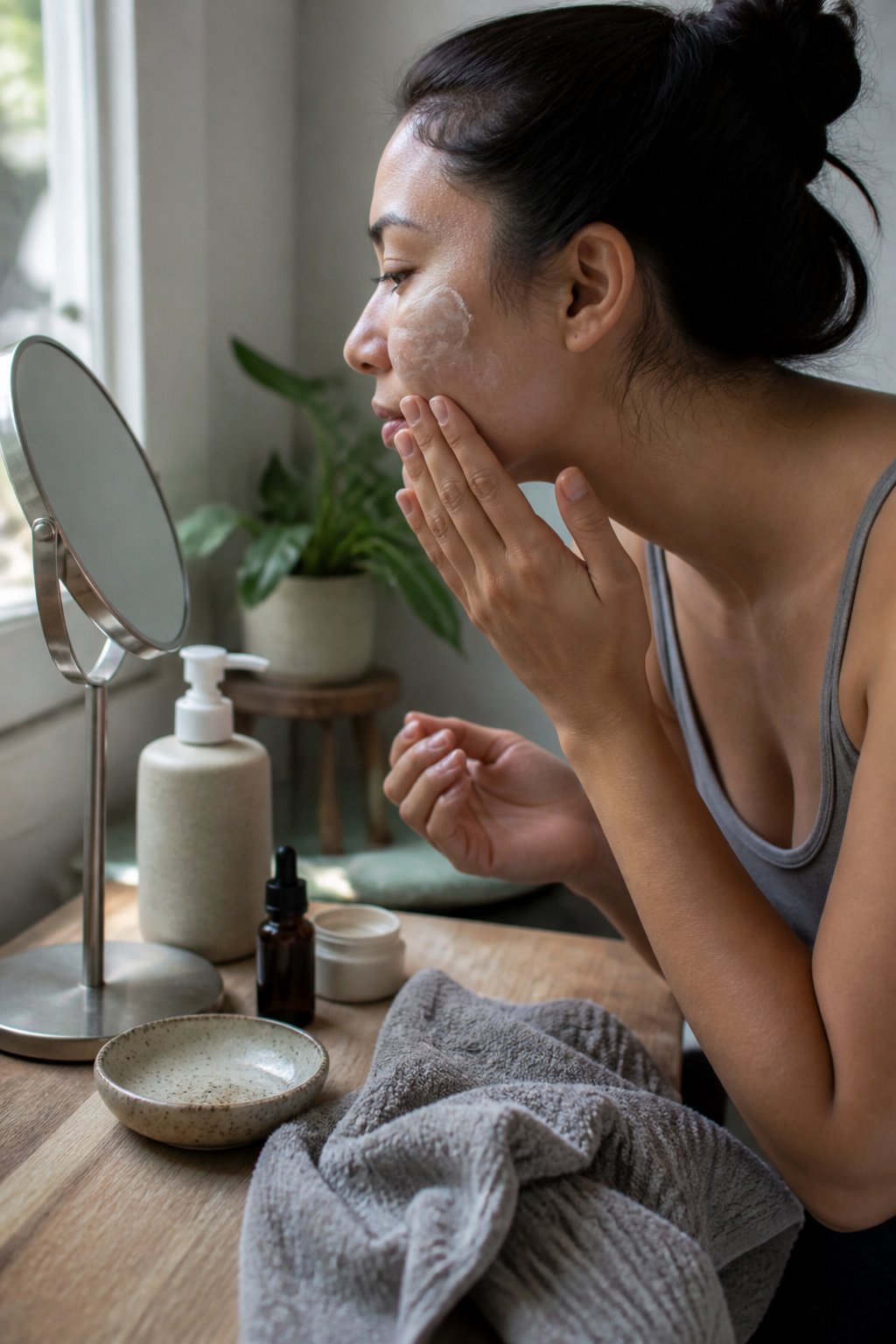
Clearer skin usually comes from a gentle routine, consistent sunscreen, proven acne treatments, and patience. Your age, skin type, acne severity, medications, and daily habits can affect the best approach.
What is the fastest way to clear up acne-prone skin?
Use a gentle cleanser twice daily, then apply one proven acne treatment. Benzoyl peroxide can reduce acne-causing bacteria and inflamed pimples, while salicylic acid helps unclog pores. Start with one active ingredient to reduce dryness and irritation.
Apply a non-comedogenic moisturizer and broad-spectrum SPF 30 or higher each morning. Do not scrub, squeeze, or switch products every few days. Most treatments need 6–8 weeks to show clear improvement. See a dermatologist for painful, deep, spreading, or scar-forming acne.
Can clear skin be achieved naturally at home?
You can improve mild acne at home with gentle cleansing, regular sleep, stress management, and products that do not clog pores. Wash after sweating, keep pillowcases clean, and avoid picking at blemishes.
Natural does not always mean safe or effective. Lemon juice, baking soda, toothpaste, and undiluted essential oils can burn or irritate your skin. If you use a plant-based product, patch-test it first and stop if you develop redness, itching, or swelling.
What skincare routine helps improve skin clarity?
Keep your routine simple. In the morning, wash with a gentle cleanser, apply moisturizer, and finish with broad-spectrum SPF 30 or higher. At night, cleanse again and use one acne treatment, such as salicylic acid, benzoyl peroxide, or adapalene.
Apply products gently with clean hands. Avoid using several exfoliants at once because this can damage your skin barrier and cause more redness. If your skin feels tight, burning, or unusually flaky, reduce the treatment frequency and add moisturizer.
How can teenagers get clearer skin?
Teenagers can start with three steps: a mild cleanser, an oil-free moisturizer, and daily sunscreen. For frequent pimples, an over-the-counter product containing benzoyl peroxide or salicylic acid may help when used as directed.
Wash your face after sports, but do not scrub hard or wash repeatedly. Choose “non-comedogenic” makeup and hair products, and remove makeup before bed. A parent, doctor, or dermatologist can help if acne causes pain, scarring, or distress.
Which products are best for clearing acne and blemishes?
Choose products based on the type of acne you have. Salicylic acid often helps blackheads and whiteheads. Benzoyl peroxide can help red, inflamed pimples. Adapalene helps prevent clogged pores and treats several types of acne.
Look for gentle, fragrance-free cleansers and non-comedogenic moisturizers. Introduce one new product at a time, and follow its label. Stop using a product if it causes severe swelling, blistering, or persistent burning.
Can diet and hydration improve skin clarity?
Food and water can support skin health, but they do not replace acne treatment. Some people notice fewer breakouts when they reduce high-glycemic foods, such as sugary drinks, sweets, and refined grains. A balanced diet with vegetables, fruit, beans, whole grains, and protein supports overall health.
Drink when you feel thirsty, rather than forcing large amounts of water. Dairy, whey protein, or specific foods may affect some people, but keep a simple food and skin diary before removing major food groups.
About the Author — Lena Harper
Lena Harper is a fashion writer and content strategist at Fashion Pops, known for creating thoughtful, trend-aware articles that feel both stylish and relatable. With a strong background in fashion journalism, she specializes in turning seasonal trends, outfit ideas, and styling concepts into easy-to-follow inspiration for modern women.
Her writing focuses on practicality without losing creativity — helping readers build outfits that feel current, wearable, and confident. When she’s not working on new articles, Lena enjoys exploring street style trends, discovering unique fashion finds, and curating inspiration boards that shape upcoming content at Fashion Pops.