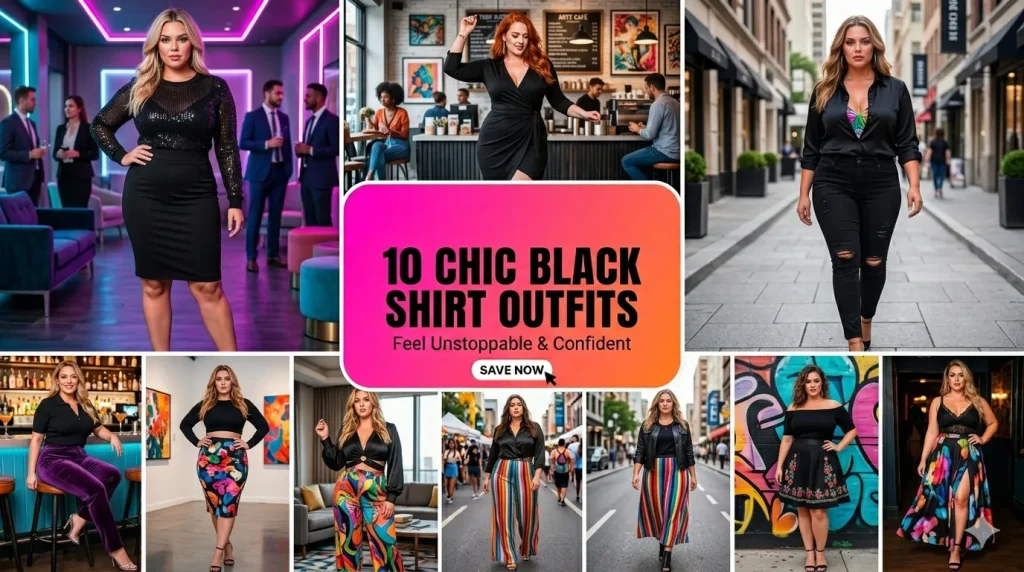
How to Dress for Your Body Type: 15 Effortless Style Secrets
Finding clothes that fit well can feel harder than getting dressed should. Trends, size labels, and online advice often distract you from what matters most: how your clothes work with your proportions, comfort, and personal style.
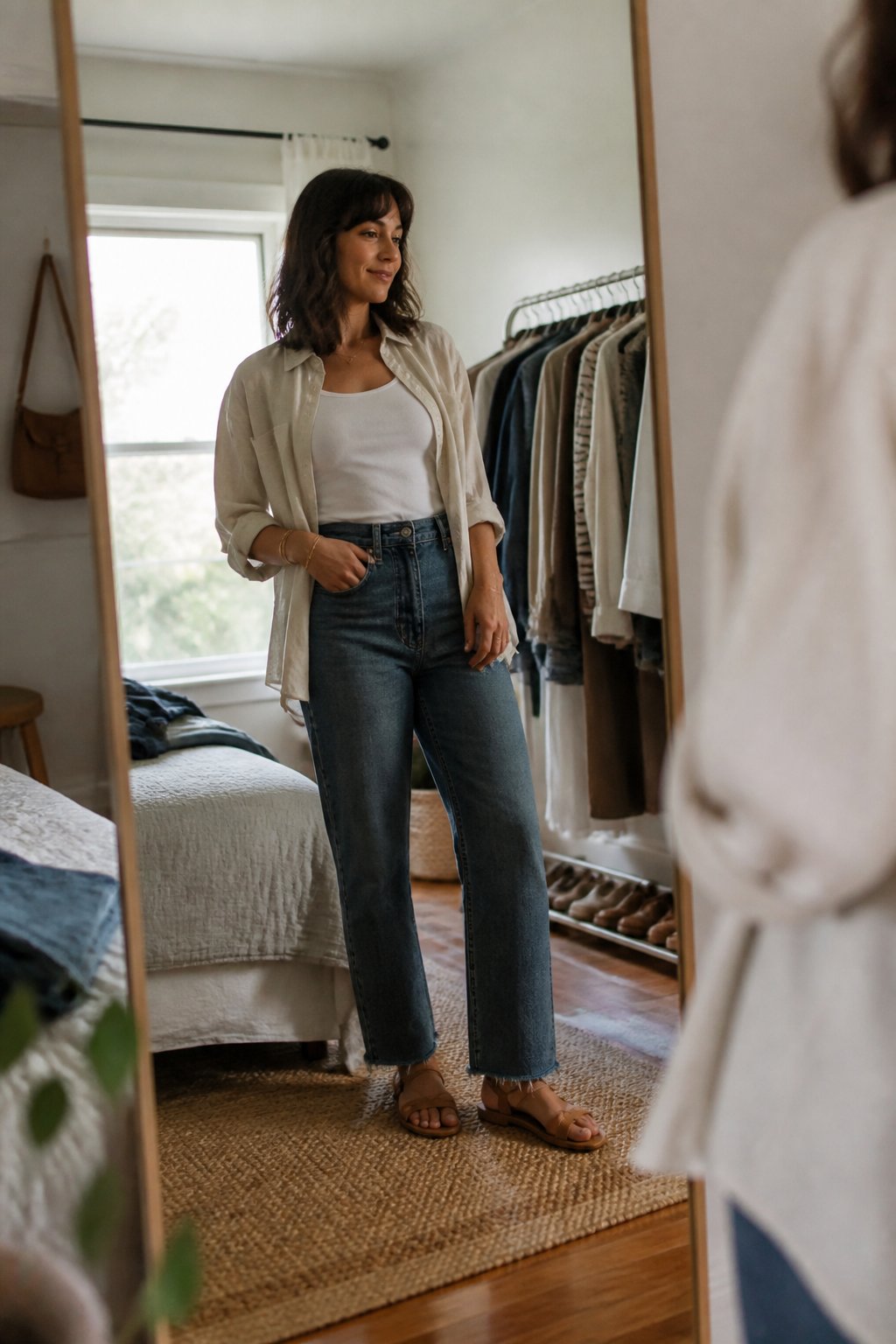
You can dress your body type with greater ease by understanding your proportions, choosing balanced shapes, and prioritizing fit over rigid rules. This guide will help you identify your shape, select flattering cuts, use color and accessories with purpose, and build a versatile wardrobe that feels natural to wear.
1. Identify your body shape without rigid rules
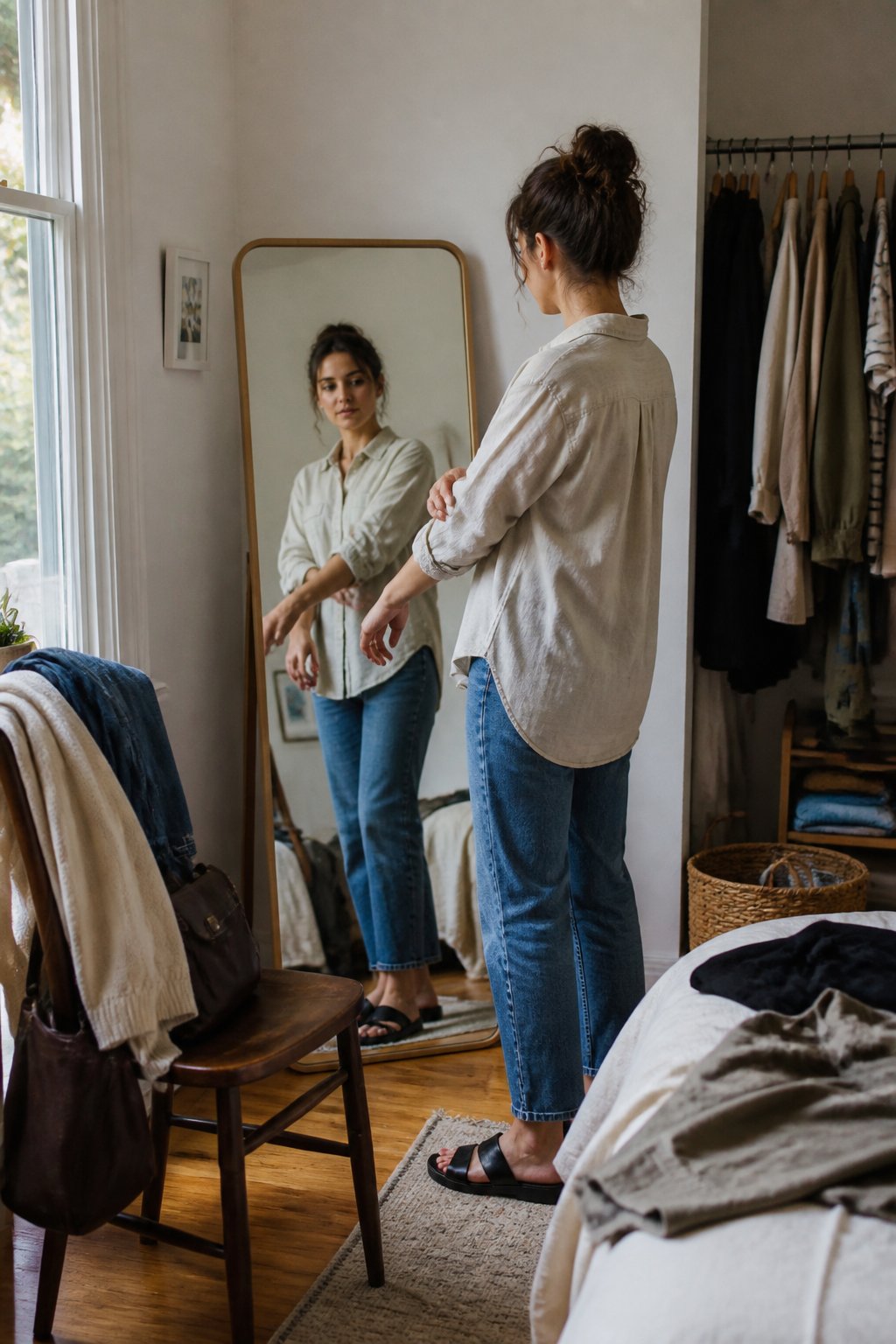
Treat body shape as a styling guide, not a set of rules about what you can wear. Look at your shoulders, waist, and hips together, then notice where your clothes feel tight or loose. You may see a balanced hourglass, a straighter rectangle, fuller hips in a pear shape, more fullness through the middle in an apple shape, or broader shoulders in an inverted triangle.
For a clearer view, wear fitted clothing and stand naturally in front of a mirror. You can also measure your shoulders, bust, waist, and hips, but numbers only offer clues. Your shape may shift with clothing, posture, and body changes, so avoid forcing yourself into one category.
A common mistake involves choosing clothes only to “hide” one area. Instead, note which necklines, rises, fabrics, and jacket lengths make you feel comfortable and balanced. Use your shape as a starting point, then let your personal style lead.
2. Measure Your Shoulders, Waist, and Hips Accurately
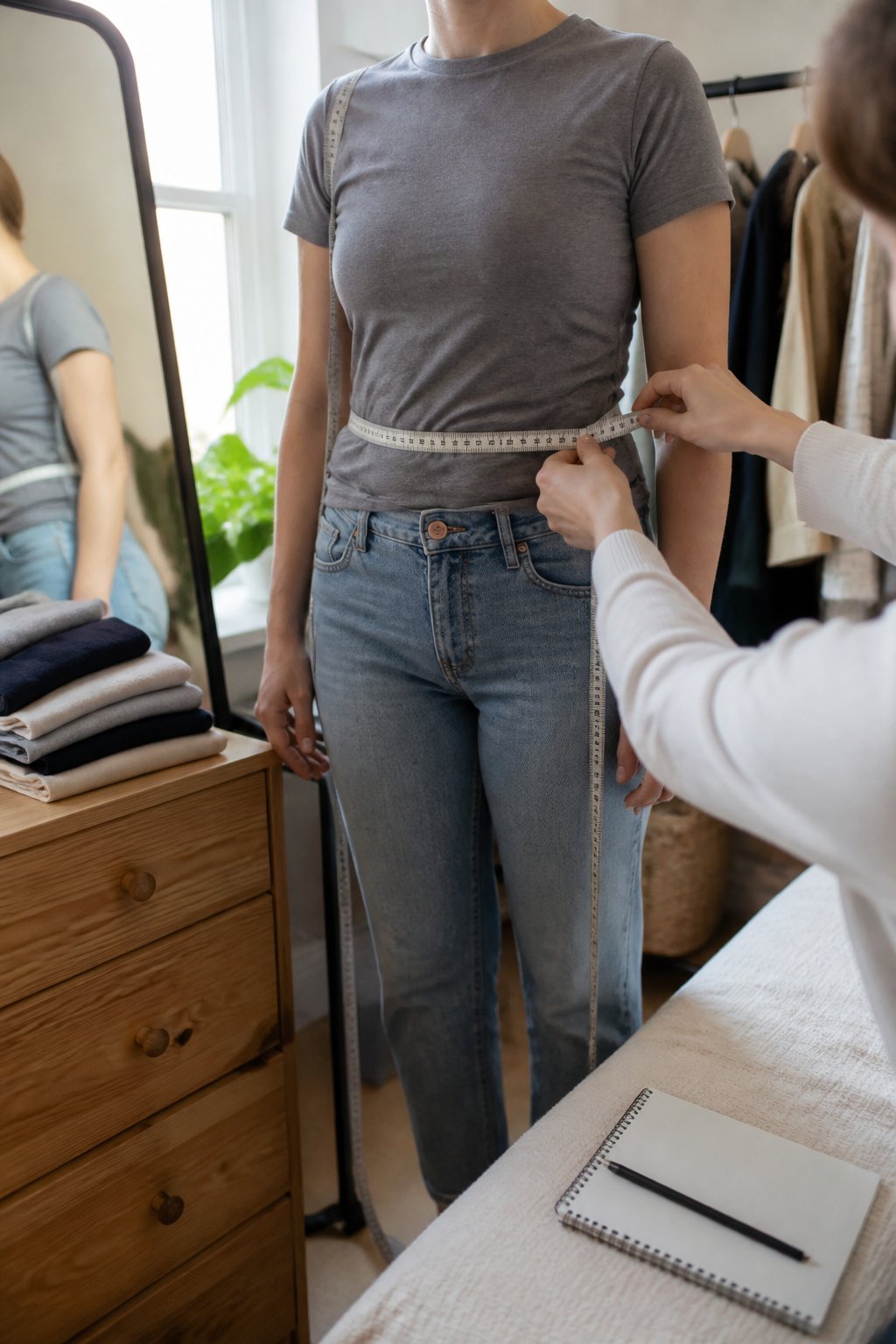
Accurate measurements help you understand your proportions and choose clothing with more confidence. Use a soft measuring tape, stand naturally, and wear thin clothing or underwear. Keep the tape level and close to your body without pulling it tight.
Measure your shoulders across the widest point, from one shoulder edge to the other. For your waist, wrap the tape around the narrowest part of your torso, often just above your navel. Measure your hips around the fullest part of your seat, keeping the tape parallel to the floor.
Take each measurement twice and write it down. A common mistake involves measuring the waist after holding your stomach in or placing the hip tape too high. Your measurements may vary slightly, so focus on consistent technique rather than perfection. Use these numbers as a guide, then check how garments fit across your shoulders, waist, and hips.
3. Choose balanced silhouettes for pear shapes
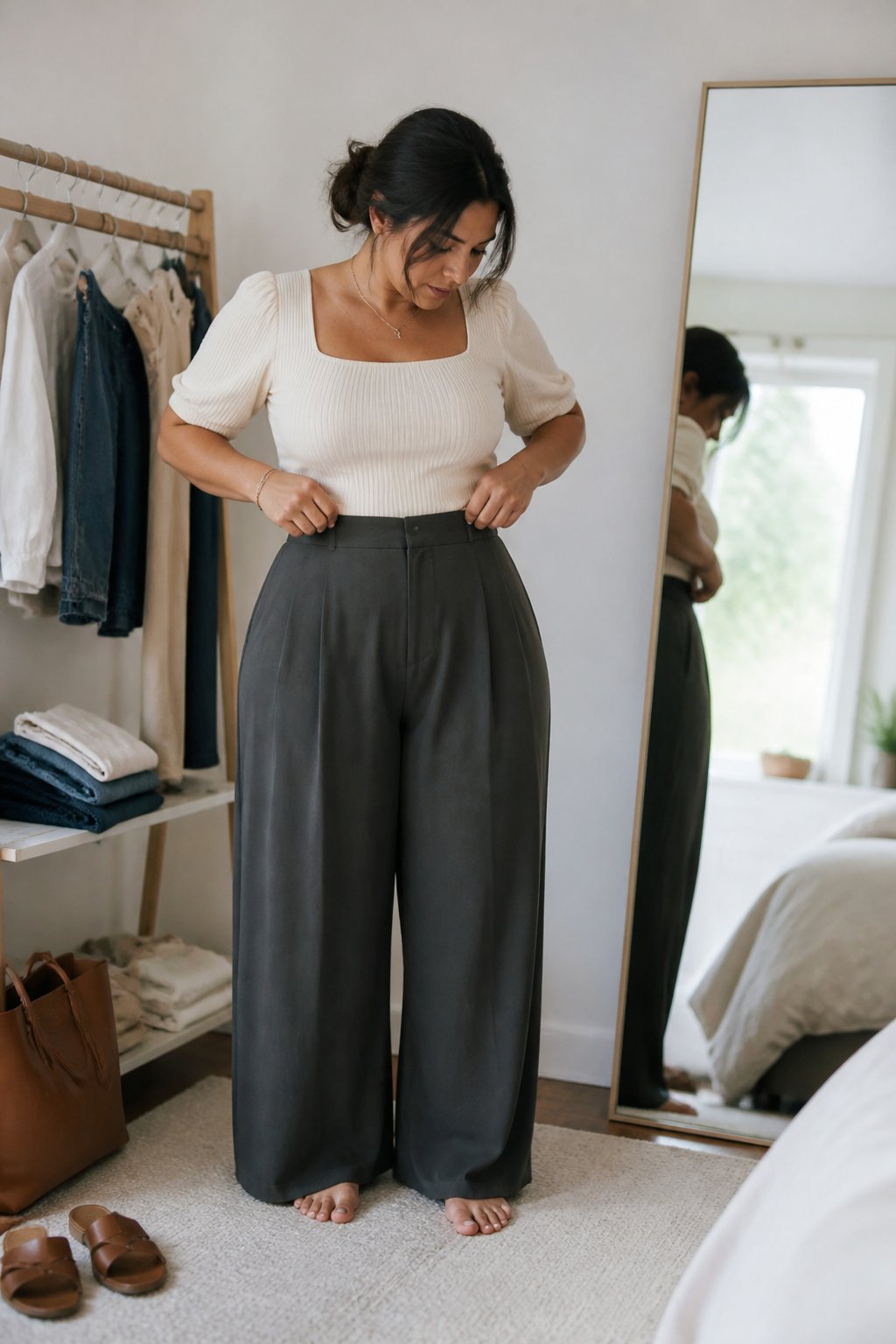
For a pear shape, choose clothing that defines your waist while creating visual balance between your shoulders and hips. A-line dresses, fit-and-flare styles, and skirts that skim the hips give you room below without clinging.
Draw attention upward with square, boat, or bateau necklines, structured shoulders, bright colors, or subtle details such as pleats and textured sleeves. Keep bottoms streamlined with darker shades, simple fabrics, and clean lines. Straight-leg or bootcut trousers can also balance your proportions.
A common mistake is wearing oversized tops with wide bottoms. This can hide your waist and make your shape look less defined. Instead, try a tucked-in blouse with high-rise trousers, or add a cropped jacket that ends near your waist.
When shopping, assess the full outfit rather than judging each piece alone. Use contrast, fit, and waist definition to create a polished silhouette that feels comfortable and distinctly yours.
4. Highlight the Waist on Hourglass Figures
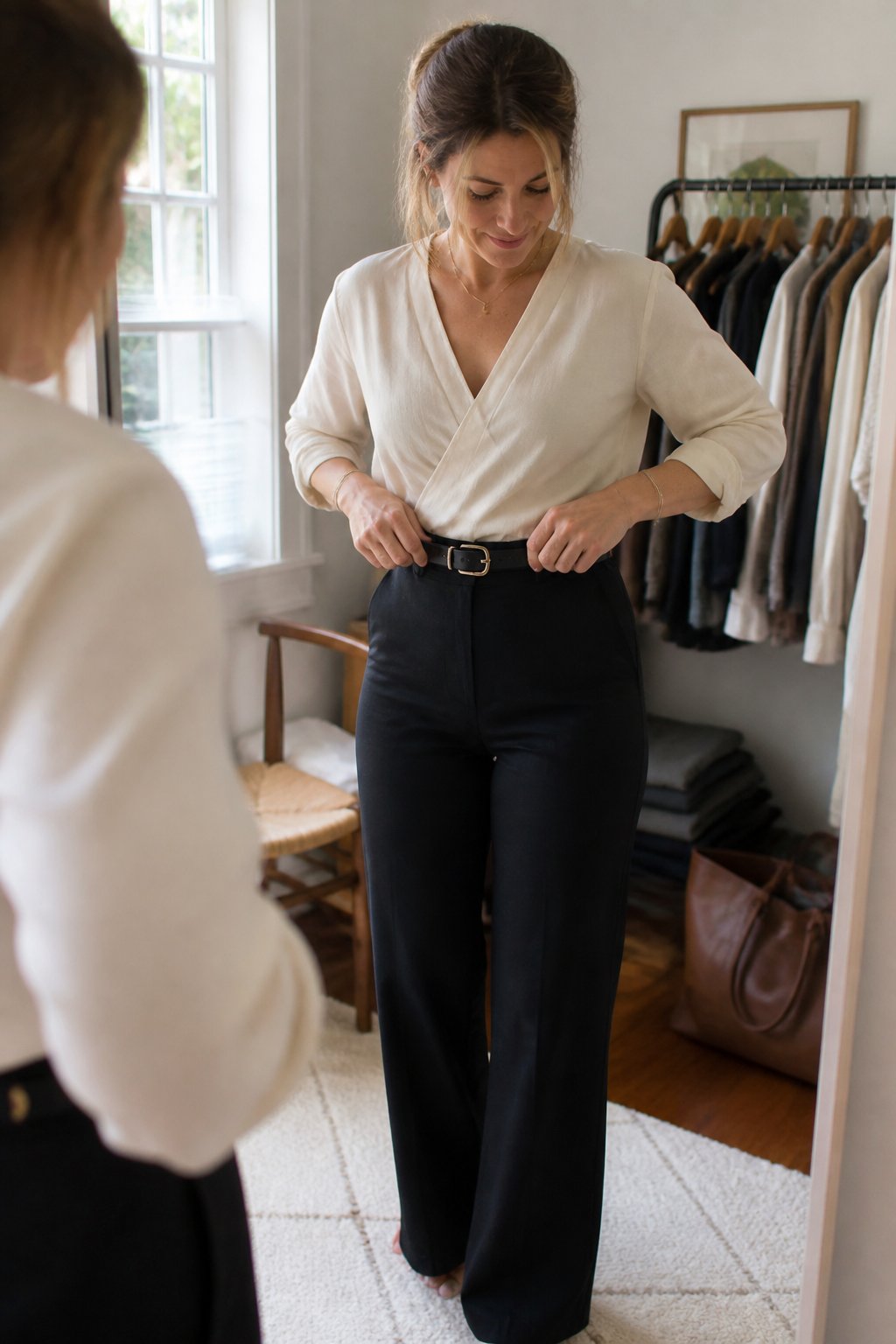
If your bust and hips have similar width with a noticeably narrower waist, choose clothes that follow your natural shape. Wrap tops, belted dresses, and high-rise trousers draw attention to the waist without adding bulk.
Look for fitted styles with clean lines. A softly tailored blazer, tucked-in shirt, or pencil skirt can define your middle while allowing room through the bust and hips. V-neck, scoop, and sweetheart necklines also balance the upper body without hiding your shape.
Avoid oversized pieces that fall straight from shoulder to hem. They can make your proportions look less defined. If you prefer a relaxed outfit, add a slim belt or choose a jacket with waist shaping.
Check the fit at the bust, waist, and hips separately. You may need tailoring, especially with dresses, trousers, and structured jackets, to keep the waist visible and comfortable.
5. Create definition for rectangle shapes
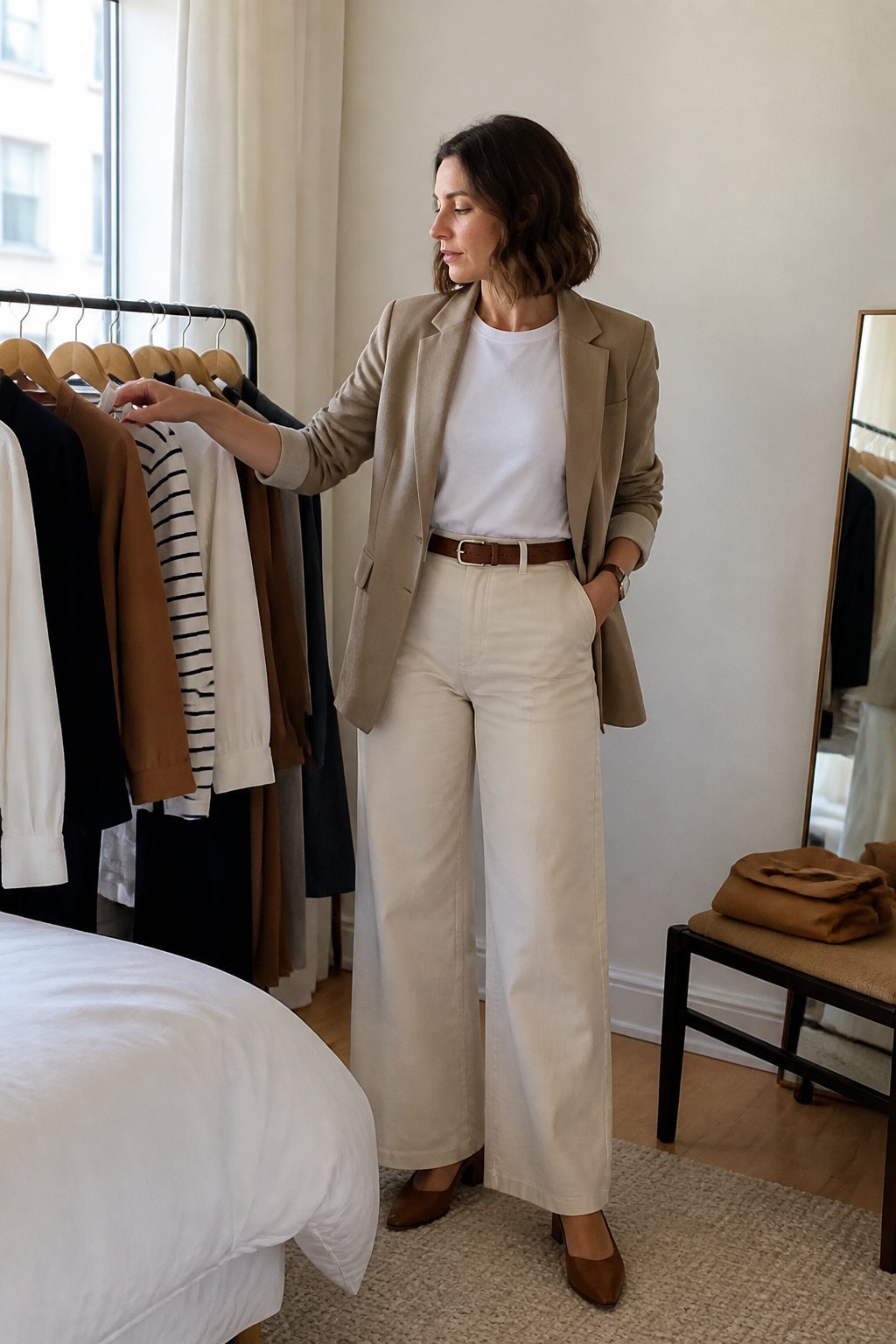
You can create definition by adding shape at the waist, shoulders, or hips. Choose wrap tops, belted dresses, peplum styles, and high-rise bottoms to give your outfit a clear focal point. A tucked-in blouse with wide-leg trousers also adds contrast without feeling forced.
Use structure where you want more shape. A cropped jacket can highlight your waist, while an A-line skirt adds gentle volume below it. Look for details such as gathers, pleats, color blocking, and curved seams.
Avoid hiding your frame under loose clothing from head to toe. If you prefer an oversized sweater, balance it with slim jeans or a shorter skirt. For example, add a belt over a relaxed shirt dress, then wear simple shoes to keep the outfit clean. Choose definition that feels comfortable rather than trying to create dramatic curves.
6. Use structured layers for apple shapes
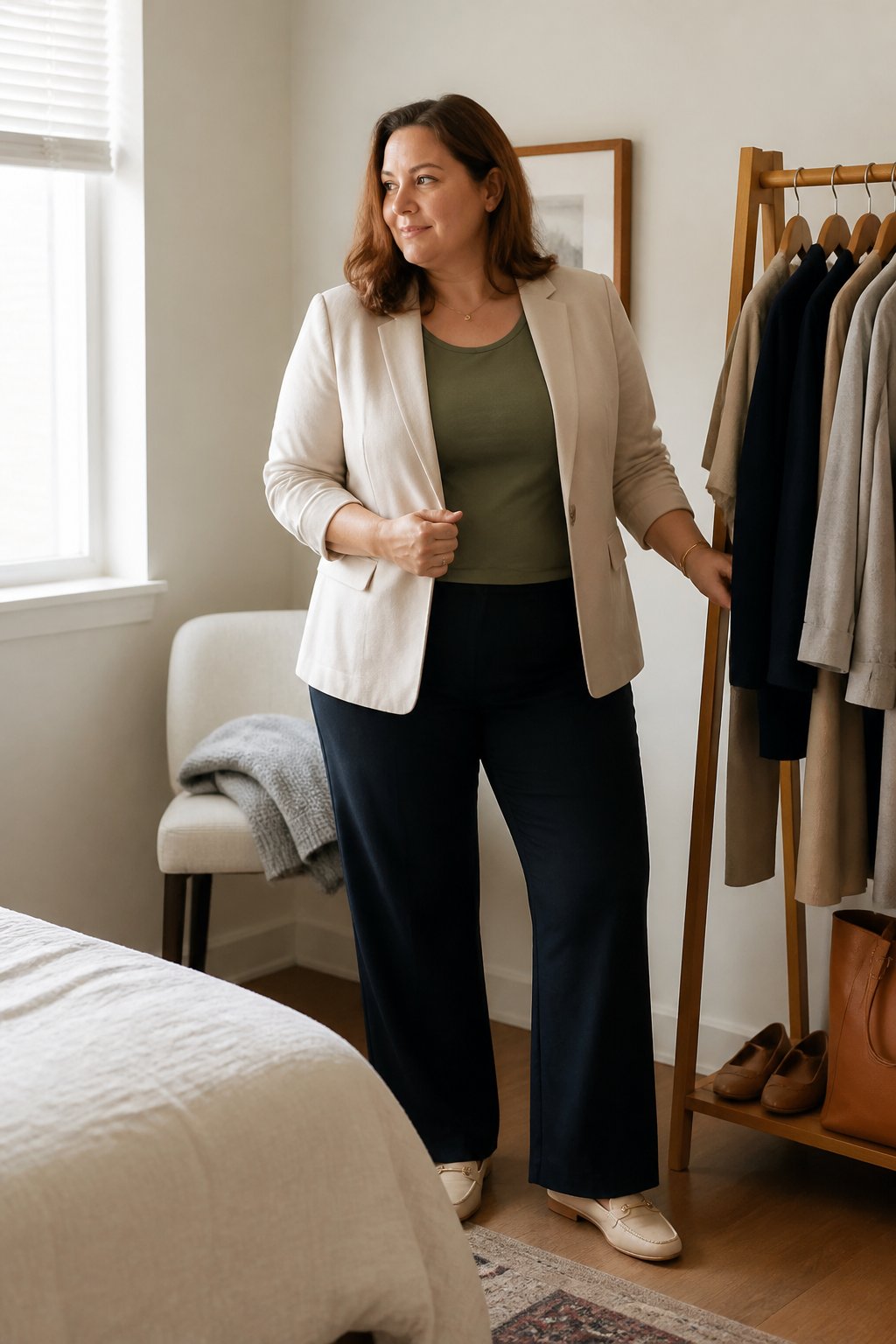
Choose structured layers to create clean lines without adding bulk around your midsection. A longline blazer, open vest, or lightweight jacket can frame your torso and guide the eye vertically.
Look for fabrics that hold their shape, such as cotton twill, ponte, or soft suiting. Wear an open blazer over a V-neck top and straight-leg trousers for a polished outfit. If you prefer dresses, add a structured jacket that ends below your widest point.
Avoid stiff, boxy layers that stop at the fullest part of your stomach. They can make your torso look wider and hide your natural proportions. Keep shoulder details simple, and choose smooth layers that sit flat rather than bulky pockets or thick belts.
Use one darker outer layer over a lighter top to create gentle contrast and definition. With the right length and fit, structured layers make everyday outfits look intentional and comfortable.
7. Balance proportions on inverted-triangle figures
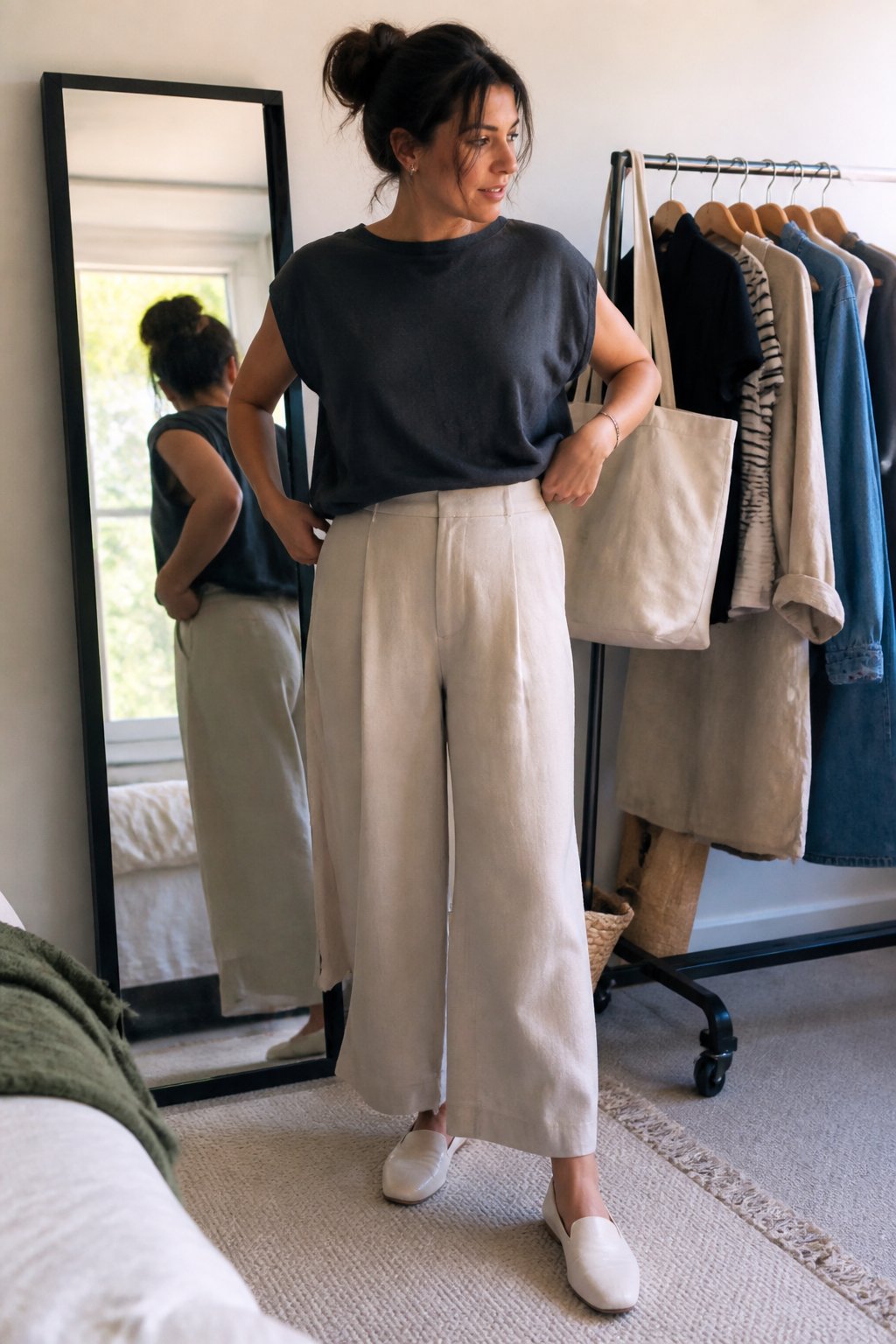
If your shoulders or bust appear wider than your hips, dress to create visual balance rather than hide your shape. Keep tops simple with soft fabrics, open necklines, and minimal shoulder detail. V-necks, scoop necks, and tailored wrap tops can draw the eye inward.
Add interest below the waist with wide-leg trousers, pleated pants, A-line skirts, or jeans with lighter washes and pocket details. For example, pair a plain V-neck top with printed trousers and a structured belt. This shifts attention downward while defining your waist.
Avoid bulky sleeves, shoulder pads, boat necks, and heavy embellishment across the chest when you want a softer line. A common mistake involves wearing loose clothing everywhere, which can make your frame look larger instead of balanced.
Choose dresses with fitted waists and fuller skirts, then finish with shoes or bags that add subtle visual weight below. Start with one proportion change and notice how your outfit feels.
8. Select necklines that complement your proportions
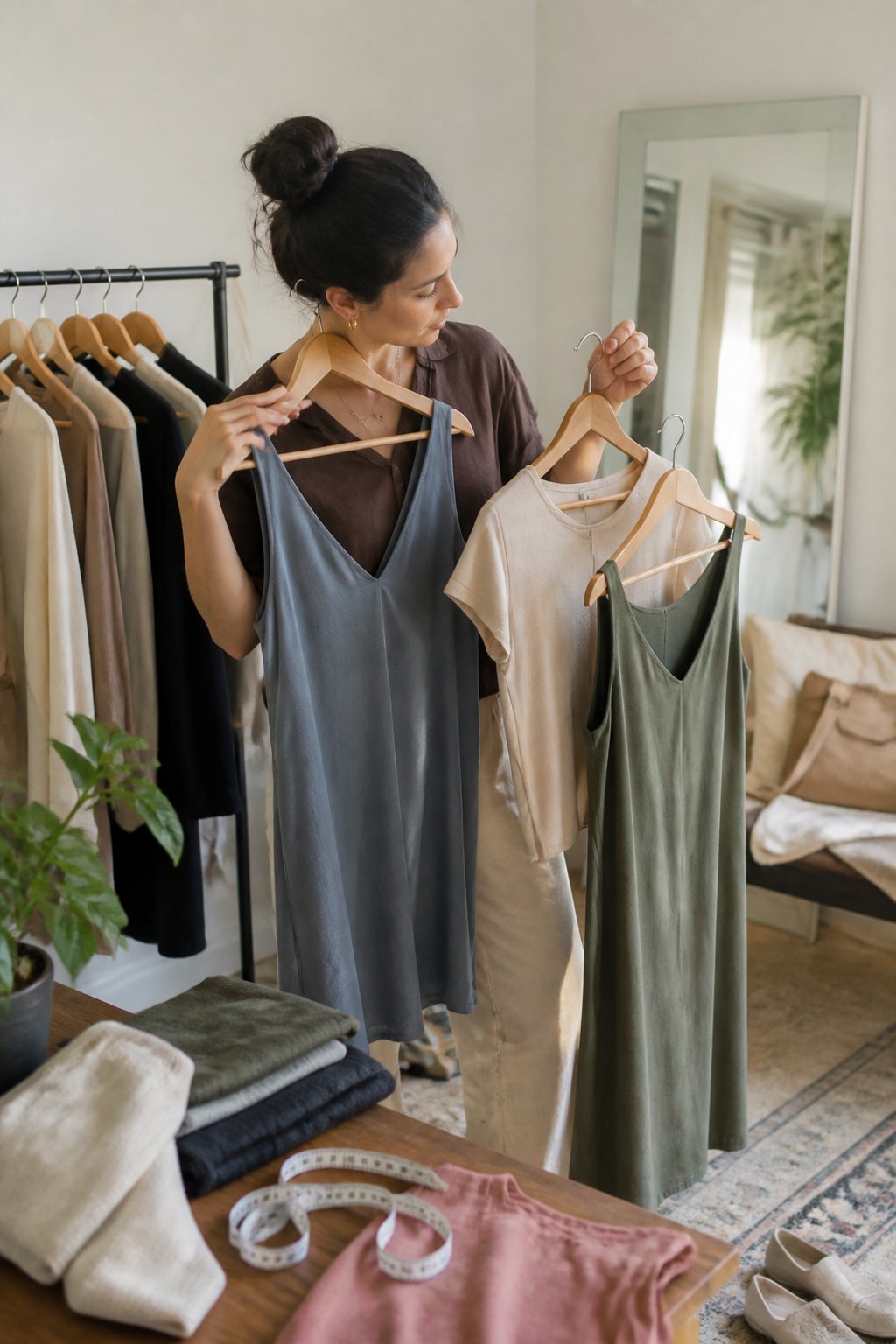
Choose a neckline by considering your shoulders, bust, neck length, and torso—not just your body-shape label. A V-neck or scoop neck creates a longer vertical line, while a square or sweetheart neckline adds structure and frames the bust.
If you have broader shoulders, try a soft V-neck or scoop neck to draw attention toward the center. A bateau or boat neck can emphasize shoulder width, so wear it when you want that effect. If you have a fuller bust, look for supportive fabric, enough coverage, and a V that ends above the fullest point.
For a smaller bust, square, sweetheart, halter, and gathered necklines can add shape and detail. If your neck looks short, avoid tight high necklines and choose open styles instead. Always check the fit: gaping, pulling, or fabric that presses across the chest can make a good neckline look wrong.
9. Match rise and leg shape to your body
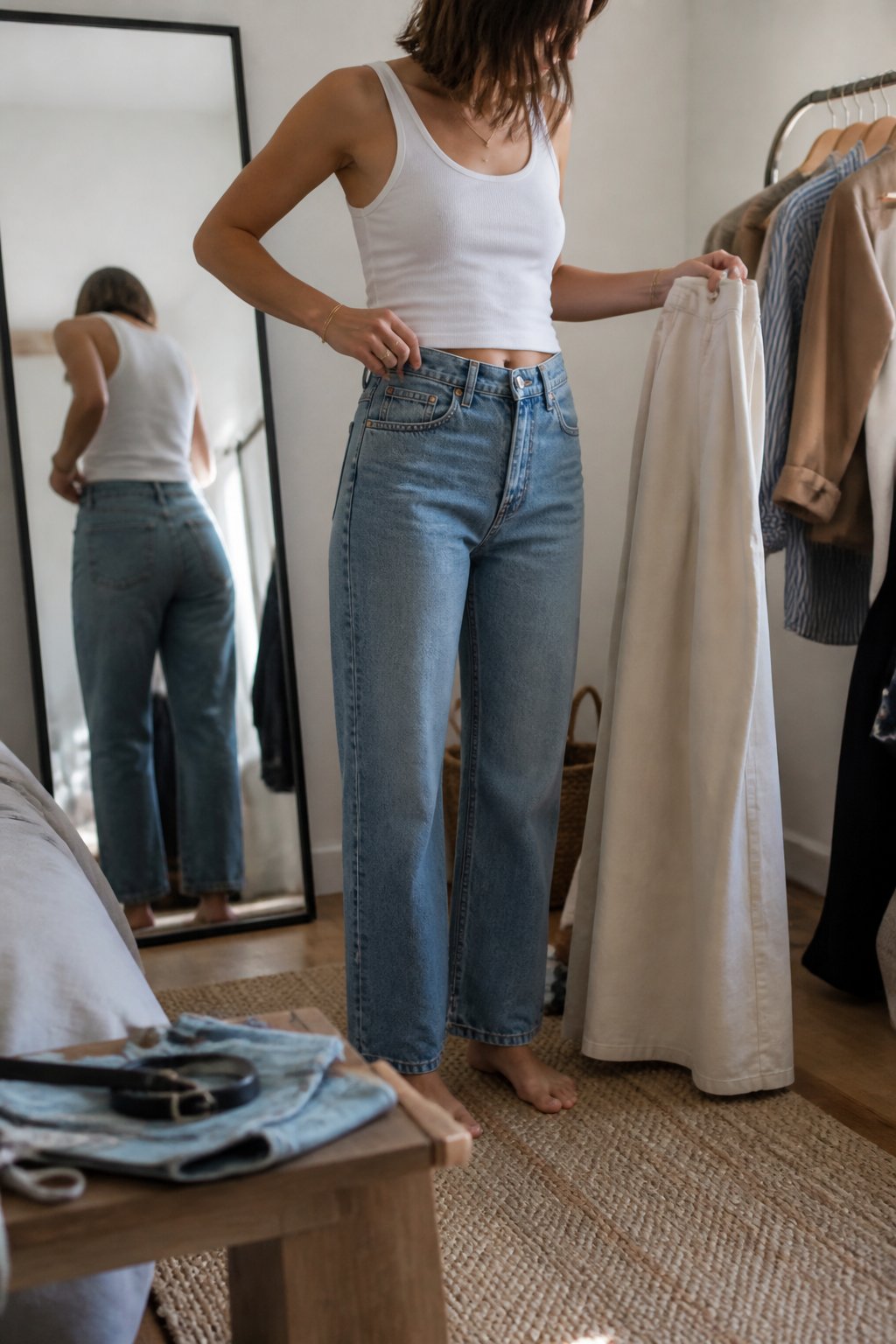
Choose pants by rise and leg shape, not by size alone. A mid- or high-rise waistband can define your waist and create a smooth line, while a lower rise may feel more comfortable if you have a short torso. Check that the waistband lies flat without pulling or folding.
Your leg shape also affects balance. Straight-leg and bootcut pants create a clean, even line, while wide-leg styles add volume from the hip down. If your hips are fuller, try a smooth-front, straight-leg pair with a firm waistband. If your shoulders are broader, wide-leg or flared pants can balance your proportions.
Avoid choosing very loose pants with an oversized top unless you want a relaxed look. Pair wide legs with a fitted or tucked-in top, and pair slim pants with a longer jacket or relaxed shirt. Try sitting, walking, and bending before you buy; a flattering fit should also move comfortably.
10. Use tailoring to improve everyday fit
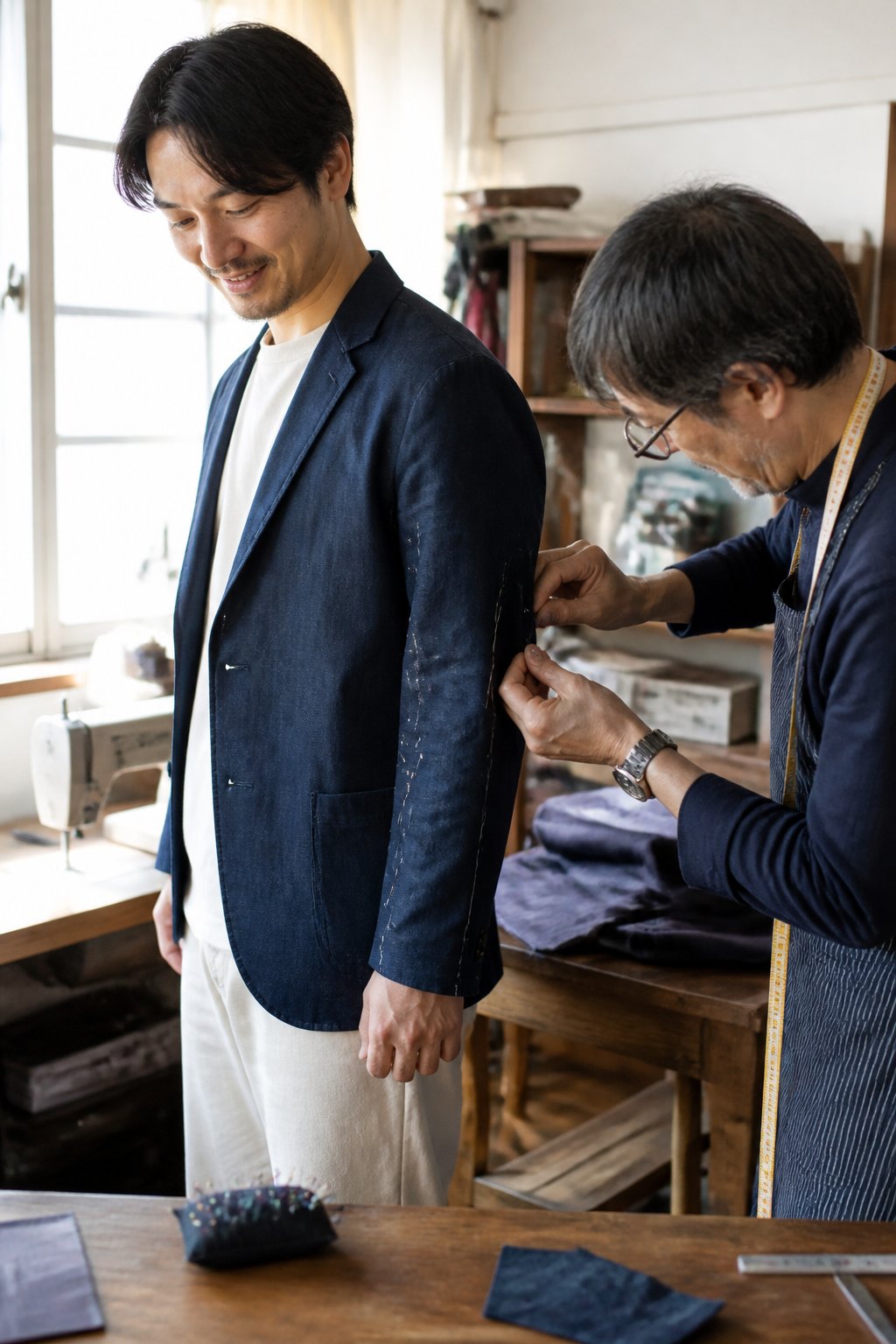
Treat tailoring as a practical style tool, not a luxury. Small adjustments can make your clothes sit correctly on your shoulders, waist, hips, and ankles, which helps your outfits look more polished.
Start with the pieces you wear most. A tailor can shorten trouser hems, adjust a loose waistband, narrow shirt sides, or fix sleeves that extend too far. For example, trousers should usually rest neatly on your shoes without bunching heavily at the ankles.
Check the garment’s structure before paying for alterations. Shoulder seams, armholes, and jackets that feel tight across the chest often cost more to change or cannot be adjusted easily. Choose a size that fits your widest area, then tailor smaller areas as needed.
Try each item on before approving the work, and bring the shoes or underlayers you plan to wear with it. Begin with one useful alteration, then build a better-fitting wardrobe from there.
11. Build Outfits Around Comfortable Core Pieces
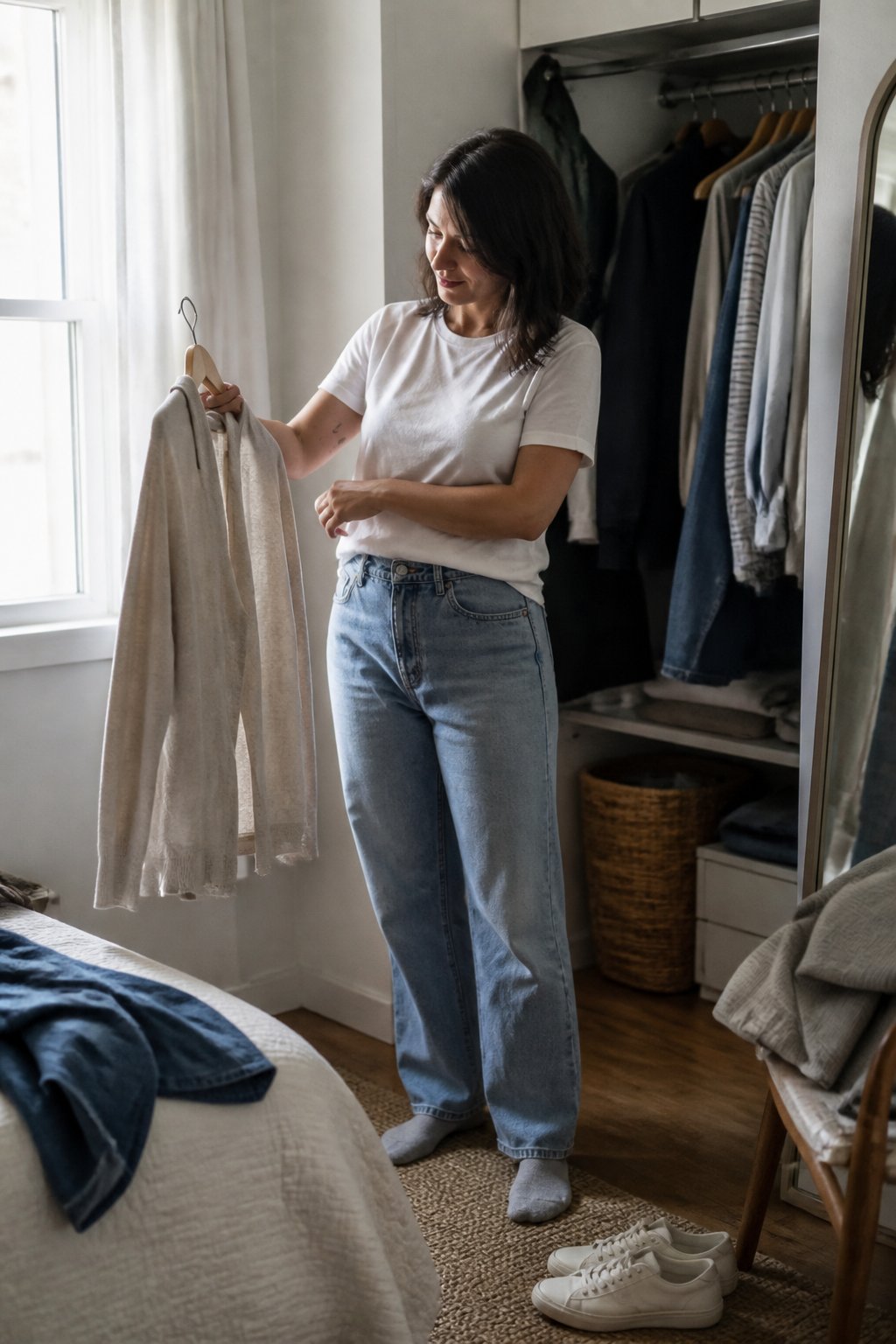
Start with clothes you can wear for hours without adjusting, pulling, or shifting. A soft knit top, straight-leg jeans, comfortable trousers, a simple skirt, and supportive shoes can form the base of many outfits.
Choose core pieces that fit your body well rather than forcing a size or trend. If your waistband digs in or your shoulders feel tight, the outfit will not look polished because you will keep trying to fix it.
Build from one reliable item at a time. For example, pair high-rise trousers with a tucked-in shirt and a relaxed jacket, or wear a comfortable knit dress with a belt and low heels. Add color, texture, or jewelry only after the base feels right.
Avoid buying statement pieces that match nothing in your closet. When your core pieces feel good and work together, getting dressed becomes faster and more personal.
12. Choose fabrics that drape without clinging
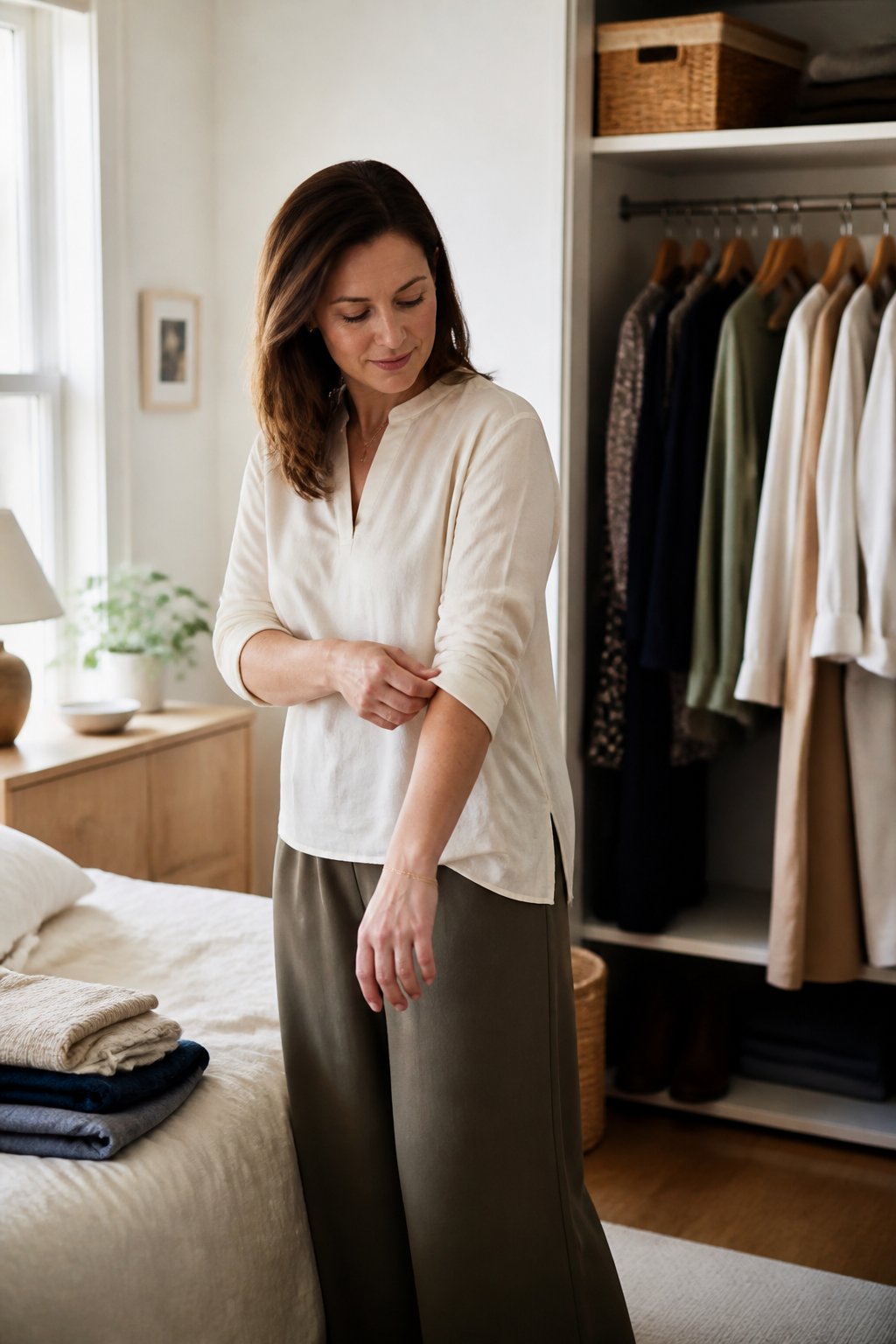
Choose fabrics that skim your body instead of gripping every curve. Medium-weight rayon, silk blends, crepe, and soft cotton often create a smooth line while allowing comfortable movement. Lightweight fabric can drape beautifully, but very thin material may cling or show every seam.
Test the fabric before you buy it. Hold it by one corner, let it hang, and watch how it falls. Then press it lightly against your hand; if it sticks rather than slides, it may need a lining or a looser cut.
Avoid pairing clingy fabric with tight silhouettes, especially around areas you prefer to soften. A fluid blouse with straight-leg trousers can look polished, while a loose knit dress may need structure from a belt, jacket, or clean hem. Choose fabric and fit together, so your clothes follow your shape without outlining it.
13. Use color placement to create visual balance
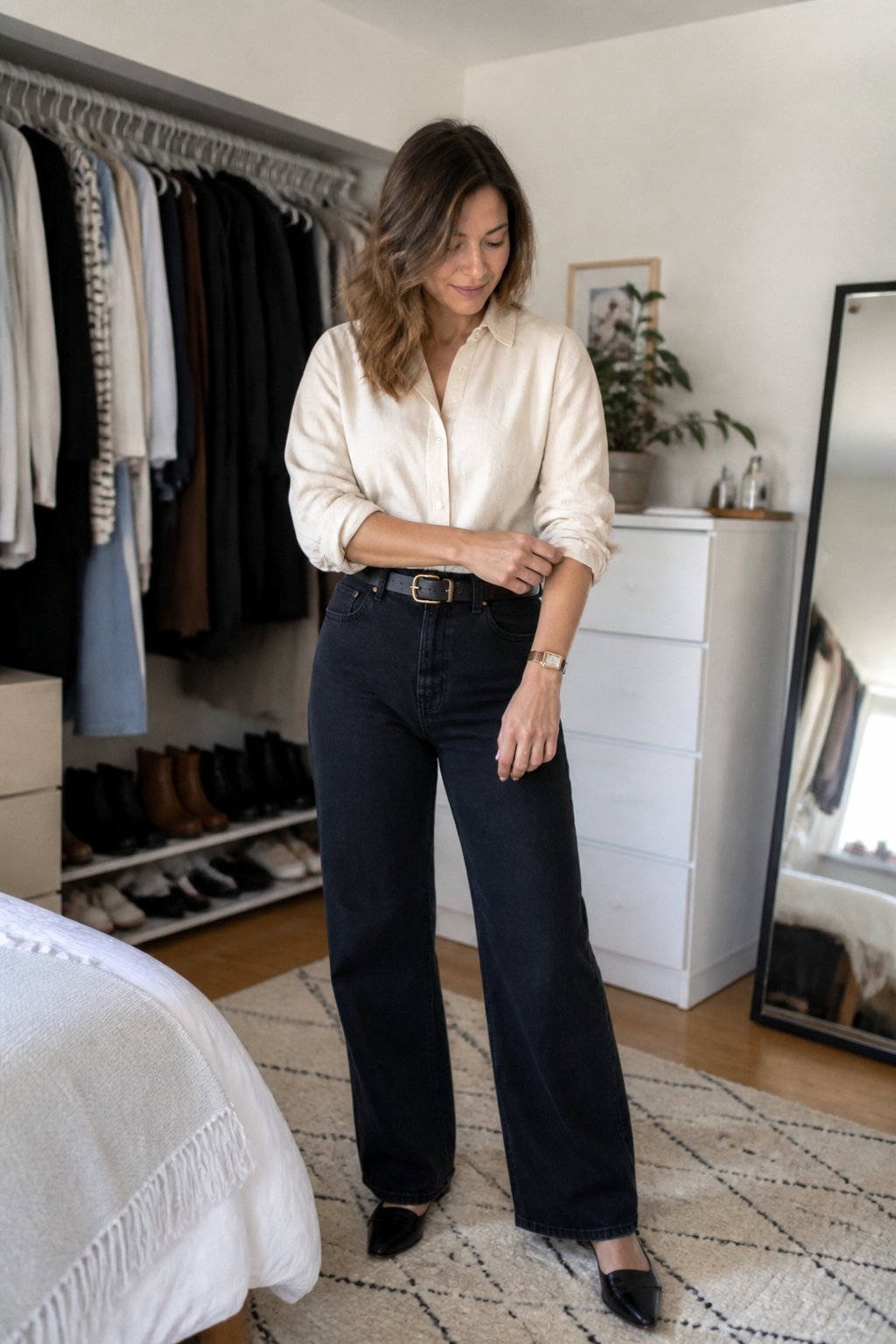
Use color placement to guide the eye and balance your proportions. If your shoulders look narrower than your hips, try a lighter or brighter top with darker trousers or a skirt. For a broader upper body, reverse the approach with a darker top and lighter bottom.
You can also create balance with one continuous color. A single-color outfit, such as navy trousers with a matching navy top, creates a clean vertical line and can make your frame look longer. Add contrast through shoes, a bag, or jewelry instead of breaking the outfit at your waist.
Watch where color changes. A bright belt or a sharply contrasting top can draw attention to the exact area where the shades meet. Try the outfit in natural light, then adjust the contrast until the color supports your shape and personal style.
14. Style vertical lines for a streamlined look
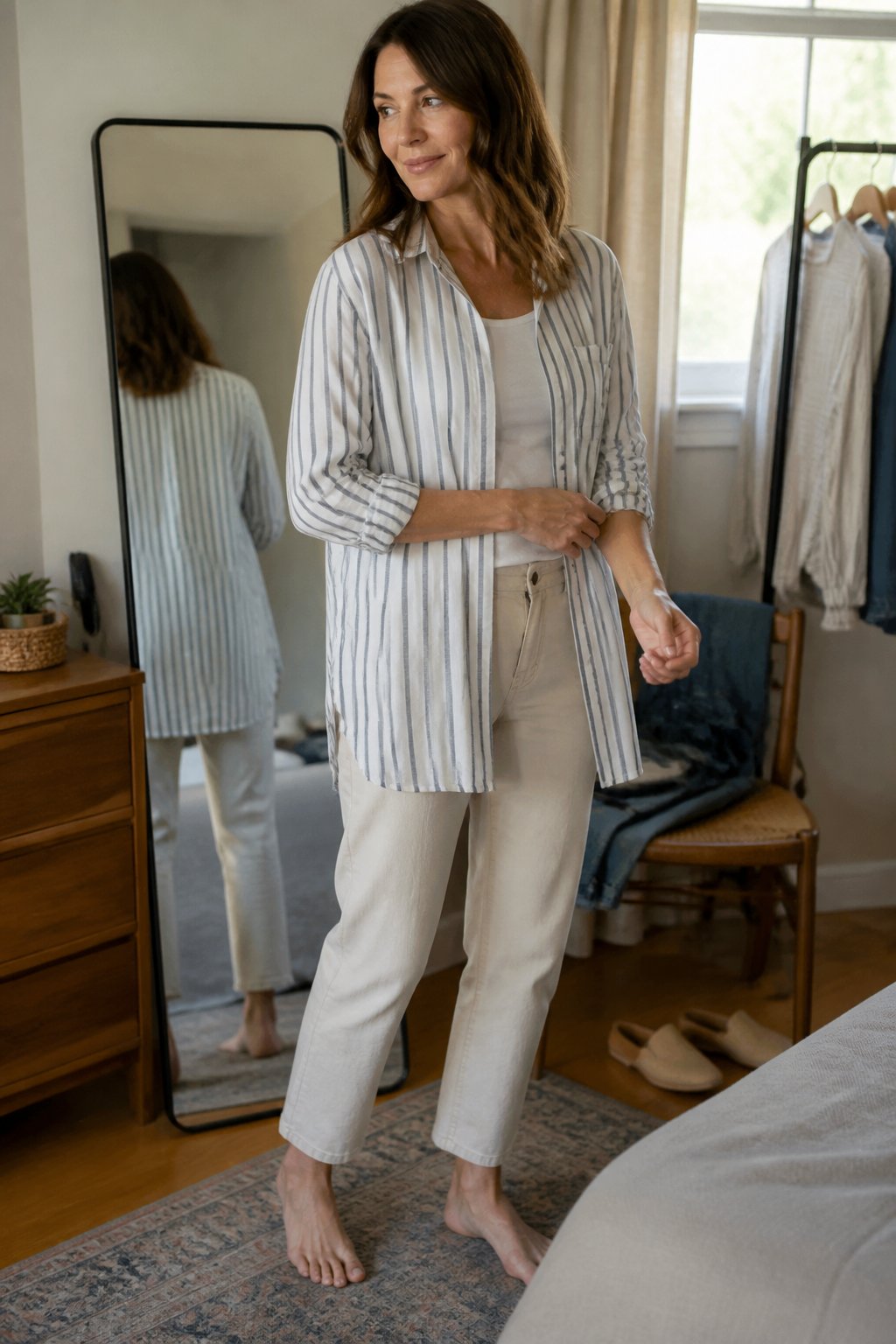
Vertical lines guide the eye up and down, helping your outfit look longer and more polished. Use open jackets, long cardigans, unbuttoned shirts, center pleats, or trousers with pressed creases to create this effect.
Monochromatic dressing strengthens the line. Try navy trousers with a slightly lighter blue top, or cream jeans with an ivory knit. Matching your shoes to your trousers can extend the look, especially with cropped styles.
Fit matters more than added length. Choose garments that skim your body without pulling, and avoid oversized layers that hide your shape. A long jacket can work well, but keep the shoulder seam in place and the hem clean.
Watch for broken lines from strong horizontal details, such as wide belts, contrasting hems, or bulky pockets. You can still wear them; place them with purpose and balance them with an open layer or a similar color. Try one vertical styling change with your next outfit.
15. Add interest with purposeful accessories
Use accessories to guide attention and add structure to your outfit. Choose one main detail, such as a bold necklace, patterned scarf, colorful shoes, or a defined belt. Keeping one focal point helps your look feel intentional instead of crowded.
Match the accessory to the effect you want. A long pendant can create a vertical line, while a waist belt can define your shape. A structured handbag can add balance to softer clothing, and earrings can draw attention toward your face.
Avoid choosing accessories only because they are trendy. For example, a large necklace may overwhelm a delicate neckline, while tiny jewelry may disappear beside bold prints. Try your outfit with one statement piece first, then add simple supporting items if needed.
Select accessories that make your clothes feel more like your own.
Understanding Proportions, Fit, And Personal Preferences
Dressing well starts with observing how clothing relates to your shoulders, waist, hips, torso, and legs. When you combine proportion with comfortable fit and personal taste, you can build outfits that look balanced and feel natural.
Why Body Shape Is A Starting Point, Not A Rule
Body-shape guides can help you notice useful details, such as whether your shoulders or hips create more visual width. They should not limit your choices. Two people with similar measurements may prefer different necklines, colors, lengths, or levels of coverage.
Use shape advice as a styling option, not a correction. If you like wide-leg trousers, try them with a shorter jacket or a tucked-in top to show your waist and keep the outfit balanced. If you prefer loose clothing, add structure through a firm fabric, a defined shoulder, or a neat shoe.
Your lifestyle matters just as much. A fitted blazer may suit your proportions but fail if you need to move freely during the day. Check how an outfit looks while sitting, walking, and reaching. Choose pieces that support your routine and reflect your preferences, rather than dressing to match a fixed body category.
How Fabric, Tailoring, And Silhouette Affect Balance
Fit affects appearance more than a clothing label or body-shape name. A shoulder seam should sit near your shoulder edge, sleeves should allow movement, and trousers should fall smoothly without pulling across the hips or pooling heavily at the ankle.
Fabric also changes the silhouette. Stiff materials create sharper lines, while soft knits and draped fabrics follow the body more closely. Use these effects with purpose. For example, a structured jacket can add definition to a fluid dress, while a lightweight top can soften tailored trousers.
Small alterations often make a large difference. A tailor can shorten sleeves, adjust a waistband, or raise a hem so the garment suits your proportions. Avoid buying a size that fits one area but hangs poorly elsewhere; choose the best fit at the shoulders, bust, or hips, then alter the remaining areas.
Building a Versatile Wardrobe With Confidence
A versatile wardrobe helps you dress for work, weekends, and social plans without buying more than you need. Choose comfortable pieces that suit your daily routine, then use color and accessories to create outfits that feel personal and balanced.
Choosing Pieces That Support Your Lifestyle
Start with the situations you dress for most. If you work in an office, choose tailored trousers, a soft blouse, a structured jacket, and comfortable loafers. If your days involve errands or travel, prioritize straight-leg jeans, polished knitwear, supportive shoes, and a lightweight jacket.
Select clothing that fits your body well without restricting movement. Look for adjustable waistbands, breathable fabrics, and lengths that work with your shoes. A well-fitting garment often looks more polished than an expensive piece in the wrong size.
Build around three outfit roles:
- Foundation: jeans, trousers, skirts, or simple dresses
- Layers: cardigans, blazers, overshirts, or jackets
- Finishing pieces: shoes, bags, belts, and jewelry
Avoid buying items that match only one outfit. Before purchasing, make sure you can create at least three combinations with clothes you already own.
Using Color And Accessories To Define Your Look
Choose a small color palette that makes dressing easier. Start with two or three neutrals, such as navy, cream, gray, brown, or black, then add one or two colors you enjoy wearing. This approach helps your wardrobe work together while still giving you room to show your personality.
Use color placement to guide attention. A bright scarf near your face can draw focus upward, while a darker outer layer can create a clean, simple line. You do not need to follow strict body-shape rules; wear contrast where it feels comfortable and intentional.
Accessories can change the mood of basic clothing. A leather belt and structured bag can sharpen jeans and a knit top, while simple sneakers and a crossbody bag create a relaxed outfit. Choose accessories that fit your lifestyle, and check comfort before style.
Try one new combination each week, using pieces you already own, and note which outfits make you feel most confident.
About the Author — Lena Harper
Lena Harper is a fashion writer and content strategist at Fashion Pops, known for creating thoughtful, trend-aware articles that feel both stylish and relatable. With a strong background in fashion journalism, she specializes in turning seasonal trends, outfit ideas, and styling concepts into easy-to-follow inspiration for modern women.
Her writing focuses on practicality without losing creativity — helping readers build outfits that feel current, wearable, and confident. When she’s not working on new articles, Lena enjoys exploring street style trends, discovering unique fashion finds, and curating inspiration boards that shape upcoming content at Fashion Pops.