What Is the 333 Rule for Outfits? Simplify Your Style in Minutes
Your closet can feel full while giving you nothing easy to wear. The 333 rule helps you replace daily outfit indecision with a smaller, more practical selection.

The 333 rule for outfits means choosing three tops, three bottoms, and three pairs of shoes to create multiple looks from nine versatile pieces. You’ll learn how to select compatible items, avoid limiting mistakes, and adapt the method to work, weekends, travel, or changing seasons.
Core Principles Of The 333 Method
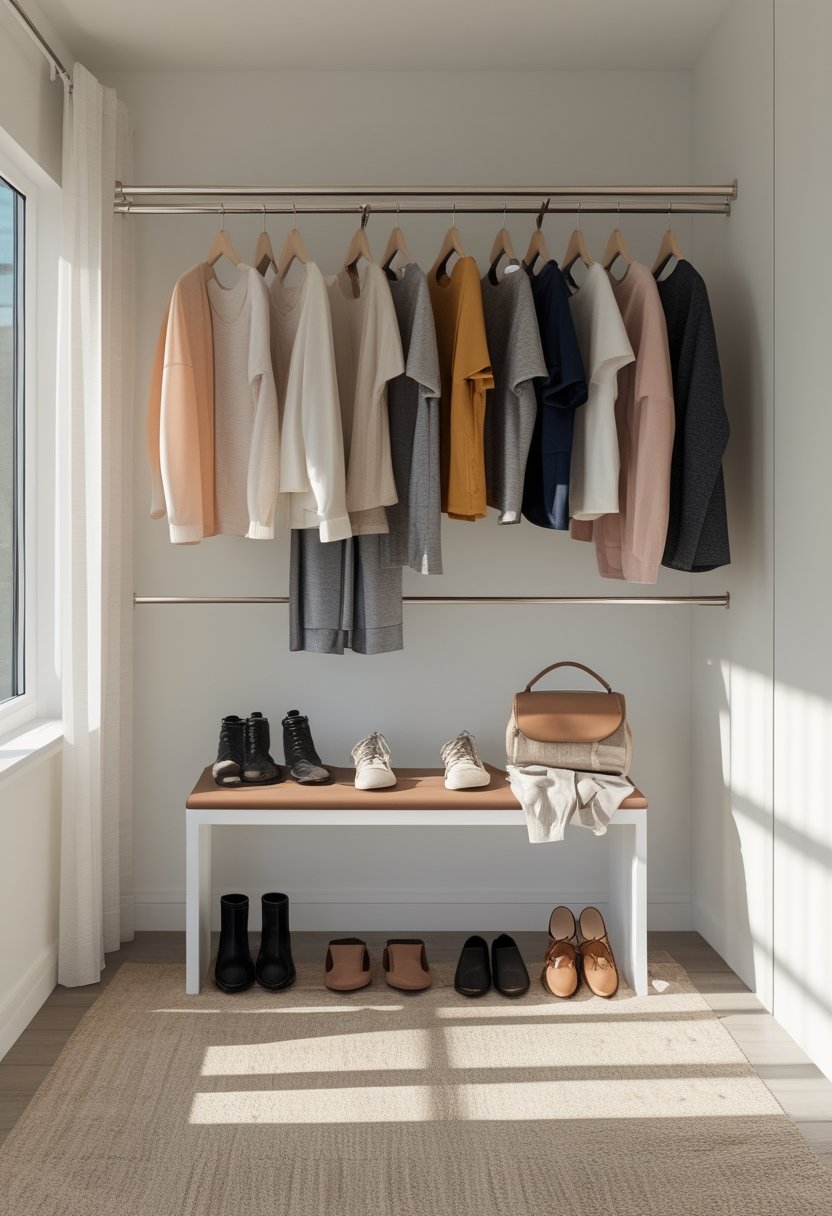
The 333 rule for outfits uses a small, coordinated wardrobe to simplify daily dressing. You focus on versatile pieces, defined limits, and a set period rather than buying more clothes.
The Three-Tops, Three-Bottoms, And Three-Shoes Framework
Choose three tops, three bottoms, and three pairs of shoes that work together across your existing wardrobe. For example, select a white shirt, a knit sweater, and a casual overshirt; pair them with dark jeans, tailored trousers, and chinos. Add sneakers, loafers, and ankle boots.
This nine-piece structure gives you multiple combinations because each item should coordinate with several others. Neutral colors and compatible silhouettes make mixing easier, while one patterned or brighter piece can add variety. Avoid choosing three items that serve the same purpose, such as three formal shirts.
Treat the framework as a styling guide, not an unbreakable formula. You may add a jacket, belt, or seasonal accessory when your climate or workplace requires it, but keep those additions intentional.
Typical Time Frame And Wardrobe Scope
The broader Project 333 version asks you to wear 33 selected items for three months. The count commonly includes clothing, shoes, outerwear, and accessories, while excluding underwear, sleepwear, workout clothing, and necessary personal items.
The three-month period usually matches a season, so you can choose pieces suited to expected temperatures and activities. Before starting, review your calendar for office days, travel, formal events, and weekends. A lightweight coat may matter more than an extra top in autumn, while breathable trousers may matter more in summer.
Store excluded items separately during the trial. This prevents accidental use and helps you identify genuine gaps rather than reacting to daily impulse.
How To Select The Nine Pieces
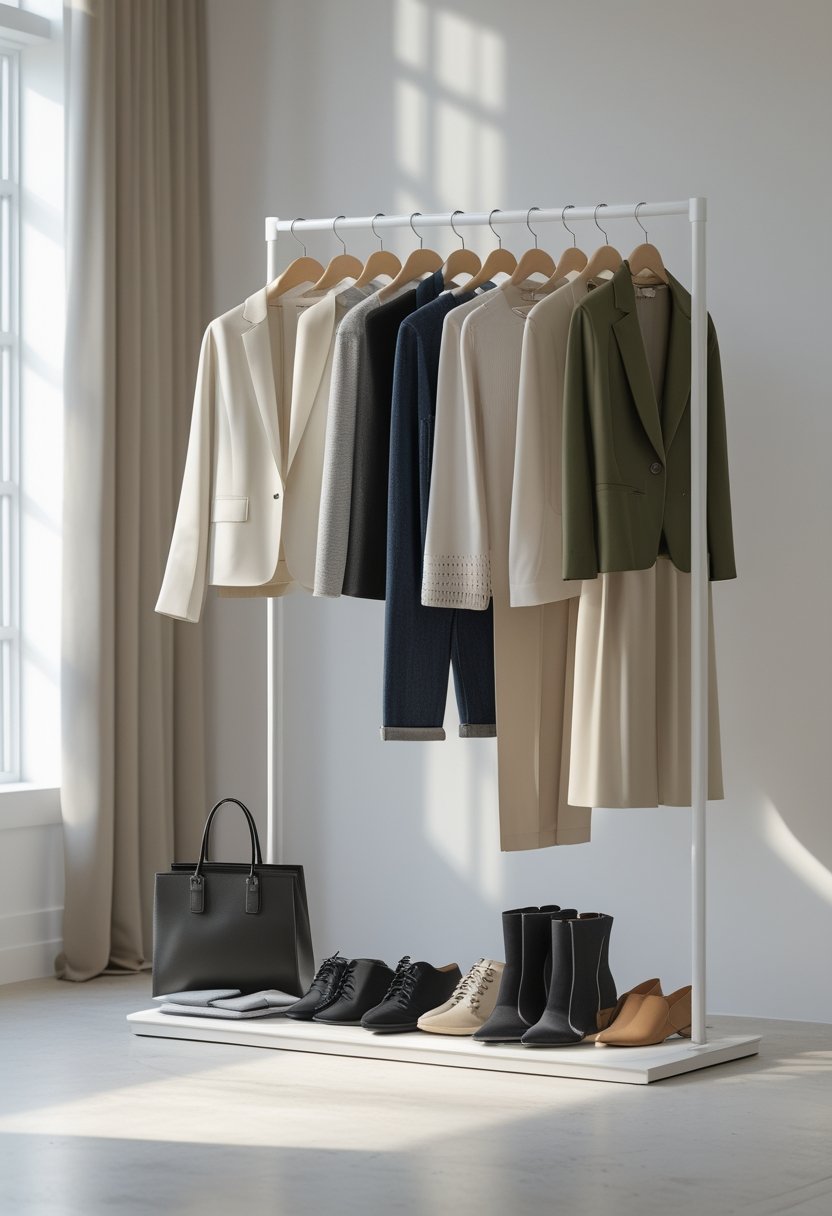
Choose items that coordinate in color, work across several settings, suit your weather, and support your daily routine. A practical selection usually includes three tops, three bottoms, and three pairs of shoes, although you can substitute layers when your wardrobe needs more outerwear.
Choosing A Cohesive Color Palette
Start with two neutral colors and one accent. For example, choose navy and cream as your base, then add olive, rust, or burgundy. This approach lets most pieces coordinate without making every outfit look identical.
Check each item against the others before packing your capsule. A cream shirt should work with navy trousers, olive jeans, and your chosen shoes. Avoid selecting three statement pieces in unrelated colors; they may look appealing individually but create few complete outfits.
Use patterns carefully. One striped top or checked bottom can add interest, while solid-colored pieces provide more combinations. Keep accessories outside the nine-piece count if the challenge allows them, but use them to change the appearance of repeated outfits.
Prioritizing Versatile Silhouettes
Select shapes that suit your body, comfort preferences, and usual dress code. A relaxed button-down, fitted knit top, and simple T-shirt offer more styling options than three tops with the same cut.
Balance proportions across the capsule. Pair wide-leg trousers with a closer-fitting top, or wear straight-leg jeans with a boxier shirt. Choose bottoms that work with all three tops rather than relying on one specific pairing.
Favor fabrics that resist excessive wrinkling and hold their shape. A dark straight-leg trouser, medium-wash jean, and neutral skirt or casual pant can cover work, errands, and informal plans. Avoid pieces that require special undergarments, frequent ironing, or very limited styling.
Accounting For Climate And Daily Activities
Build the nine pieces around your actual schedule, not an idealized week. If you walk frequently, choose supportive sneakers; if you commute to an office, include polished shoes and at least one refined top.
Consider temperature changes before choosing fabrics. In cool weather, replace one top with a lightweight sweater or layer. For hot conditions, select breathable cotton, linen blends, or moisture-managing fabrics and avoid heavy shoes that limit comfort.
Plan for your most common activities first. Three casual bottoms will not serve you well if you attend meetings daily, while three formal pieces may feel impractical on a weekend trip. Test each item with your expected footwear and outer layer before finalizing the nine.
Building Outfit Combinations
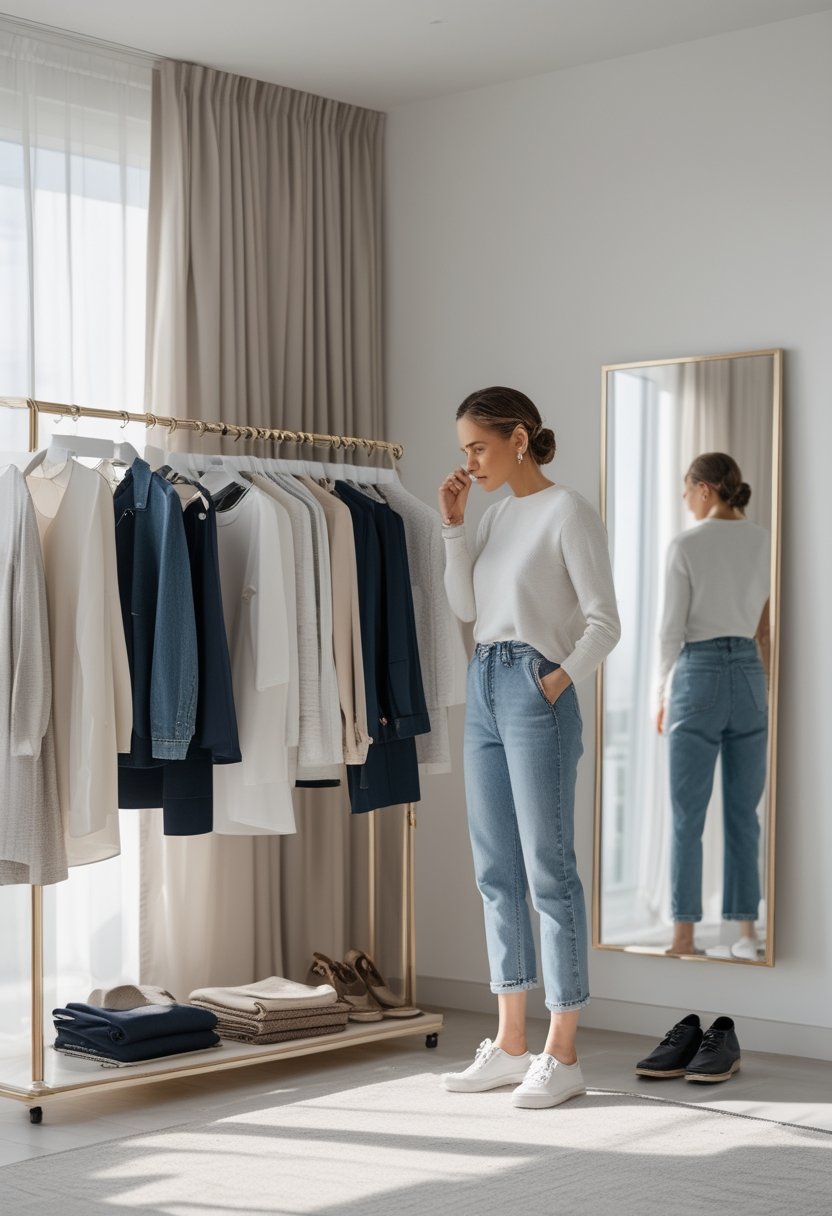
Choose pieces that coordinate across colors, proportions, and occasions. Small changes in layering, footwear, and accessories can create practical outfits without adding items to your core nine-piece selection.
Creating Variety From Limited Pieces
Start with three tops, three bottoms, and three pairs of shoes that share a clear color palette. For example, combine a white shirt, navy knit, and striped top with dark jeans, beige trousers, and a neutral skirt. Each top should work with at least two bottoms, while your shoes should suit different outfit levels.
Change the outfit’s structure, not just its colors. Tuck in a shirt, roll the sleeves, add a layer, or leave a knit untucked. Pair slim trousers with loafers for a polished look, then wear the same trousers with sneakers and a relaxed top.
Avoid choosing three statement pieces that compete with one another. A common mistake involves selecting attractive items that match nothing else. Test every piece in at least three combinations before including it.
Using Accessories Without Expanding The Core Wardrobe
Accessories add variation without changing the three-top, three-bottom, and three-shoe structure. Use a belt to define the waist, a scarf to introduce pattern, or simple jewelry to shift an outfit from casual to polished.
Select accessories that support several combinations rather than one specific look. A black belt, structured tote, neutral scarf, and small metal earrings can work with jeans, trousers, skirts, shirts, and knitwear.
You can also change the visual balance with practical styling details. Wear a crossbody bag for a casual outfit, carry a tote with tailored trousers, or add a scarf to repeat a color from your shoes. Keep accessories outside the core count so the wardrobe remains easy to track.
Benefits Of A Smaller Wardrobe
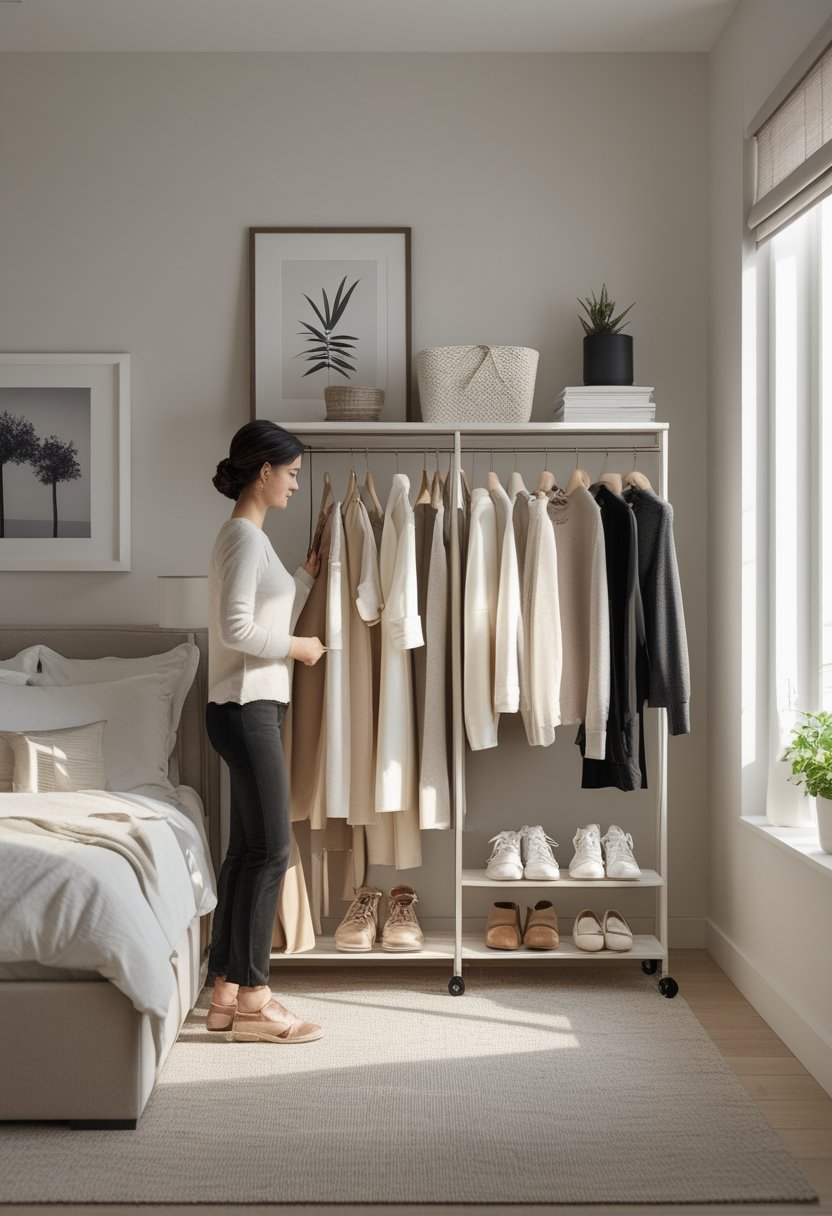
A smaller wardrobe can make daily dressing faster while helping you recognize which colors, fits, and clothing combinations suit your lifestyle. With fewer distractions, you can build outfits more deliberately and shop with clearer priorities.
Reducing Decision Fatigue
Choosing from 33 versatile items gives you fewer daily decisions than sorting through an overfilled closet. You can prepare reliable combinations in advance, such as dark trousers with three work-appropriate tops, then adjust the outfit with shoes or a jacket.
This structure helps when mornings feel rushed. Keep your most-used pieces clean, accessible, and suitable for your routine. Avoid counting rarely worn clothing simply to reach a target; formalwear, weather-specific items, and athletic gear may need separate treatment depending on your interpretation of the 333 rule.
You may also spend less time managing laundry, closet organization, and unworn purchases. The method works best when every selected item fits well, suits your current season, and combines easily with several others.
Identifying Personal Style Preferences
Repeatedly wearing a limited selection reveals useful patterns. After several weeks, you may notice that you consistently choose straight-leg trousers, muted colors, lightweight layers, or simple shoes because they match your comfort and schedule.
Track the pieces you reach for and those you avoid. If a patterned blouse remains untouched while the same neutral shirt enters rotation twice a week, that difference provides practical evidence about your preferences—not a reason to force more variety.
Use these observations before shopping. Define specific needs, such as “a washable navy layer for office outfits,” rather than buying another item that resembles something already in your wardrobe. A smaller collection makes gaps, duplicates, fit problems, and genuine favorites easier to identify.
Common Mistakes to Avoid With the 333 Outfit Rule
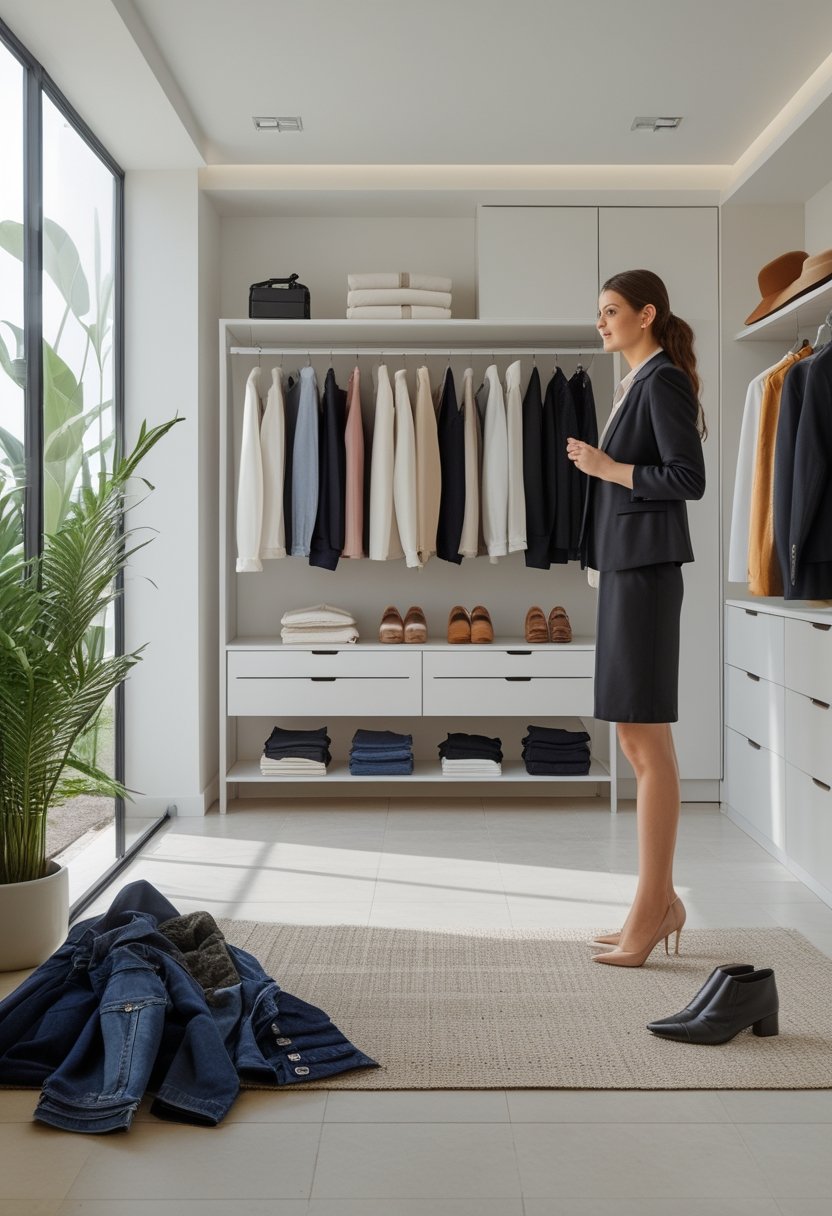
Choose pieces that coordinate across multiple outfits, and treat the 333 method as a flexible styling tool rather than a strict uniform. Small adjustments for weather, comfort, fit, and your daily activities will make the system more practical.
Selecting Items That Do Not Mix Well
Your three tops, three bottoms, and three pairs of shoes should work together in several combinations. Avoid choosing items that each require one specific partner, such as patterned trousers that only suit one top or formal shoes that clash with your casual clothes.
Start with a coordinated color palette. For example, navy, white, gray, denim, and one accent color can create more combinations than three unrelated statement pieces. Check each item against at least two others before including it.
Consider practical compatibility, too. A delicate blouse may not suit your everyday schedule, while suede shoes may become frustrating in wet weather. Try your planned outfits before removing other clothes from your wardrobe. If a combination feels uncomfortable, needs constant adjusting, or does not suit your routine, replace the problem item.
Treating the Guidelines as Rigid Rules
The 333 rule should simplify dressing, not create unnecessary restrictions. You can adapt the formula when your work requires formal clothing, your climate changes, or you need specialized items for exercise, travel, or caregiving.
You also do not need to count every accessory or undergarment unless that approach helps you. Keep essential items, such as a coat or work uniform, separate from your everyday outfit rotation when appropriate.
Avoid forcing yourself to wear pieces that do not fit well or reflect your style. If three pairs of shoes do not meet your needs, use four; if you prefer two bottoms, build around two. Treat the number as a planning guide, then judge the wardrobe by comfort, usefulness, and the outfits you can realistically wear.
Adapting the 333 Rule to Your Work, Travel, and Seasonal Needs
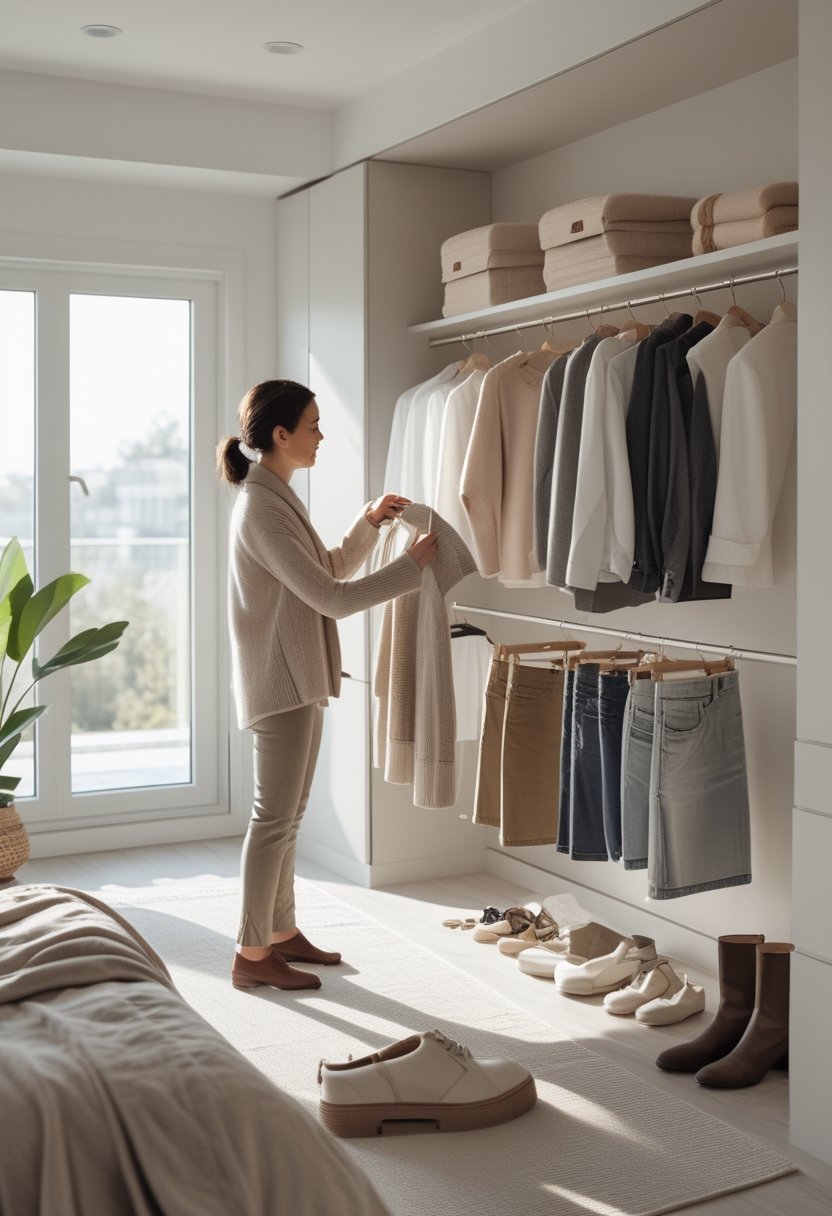
Your clothing choices should match your schedule, dress code, climate, and activities. Adjust the nine-piece formula when necessary, while keeping each item versatile enough to support several complete outfits.
Work And Professional Dress Codes
For office dressing, choose pieces that meet your workplace standards before prioritizing variety. A practical selection might include three polished tops, three tailored bottoms, and three structured layers or shoes, depending on your dress code.
If your office requires formal suiting, count a blazer or suit jacket as a layer and select trousers or skirts that coordinate with it. For business-casual settings, combine a button-down shirt, fine-knit top, tailored trousers, a dark skirt, and a neutral blazer.
Keep colors compatible: navy, black, gray, white, beige, and one accent shade create reliable combinations. Avoid choosing three statement pieces that compete with one another. If you commute or attend client meetings, reserve one washable, wrinkle-resistant outfit for demanding days.
Travel, Seasonal Changes, And Special Events
Build a travel-focused 333 capsule around your itinerary rather than an abstract clothing limit. Select lightweight tops, comfortable bottoms, and layers that handle changing temperatures; wear your bulkiest shoes and jacket during transit to save luggage space.
For seasonal changes, rotate capsules instead of forcing summer fabrics into cold weather. A fall selection might include three long-sleeved tops, three bottoms, and three layers, while accessories and undergarments remain outside the core count.
Special events may require one additional garment, such as a formal dress, suit, or dress shoe. Treat that item as an intentional exception, then choose the remaining pieces to support casual plans, sightseeing, or work commitments.
Getting Started With Your First 333 Outfit Challenge
Intent: Guide
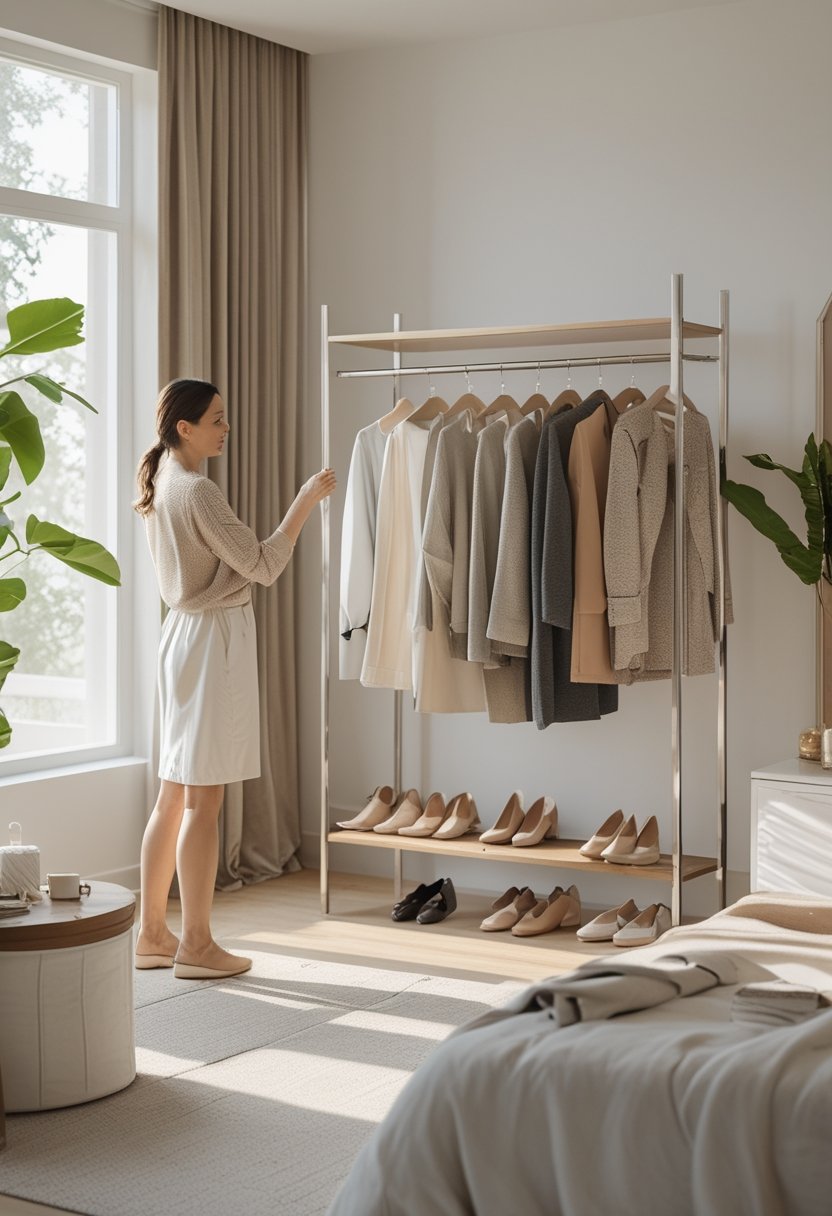
Start with one season and choose 33 clothing items, shoes, accessories, outerwear, and jewelry. Exclude underwear, sleepwear, and essential workout clothing if you use them separately.
- Review your routine: note work, weekends, weather, and special occasions.
- Choose versatile pieces: prioritize comfortable items that coordinate easily.
- Remove distractions: store nonselected items out of sight for three months.
- Record your choices: photograph outfits or keep a simple list.
Avoid counting items you rarely wear just to reach 33. If you work in an office, for example, include enough polished tops and trousers before adding statement pieces. You can adjust the rules for your climate, profession, or laundry schedule; consistency matters more than strictness.
About the Author — Lena Harper
Lena Harper is a fashion writer and content strategist at Fashion Pops, known for creating thoughtful, trend-aware articles that feel both stylish and relatable. With a strong background in fashion journalism, she specializes in turning seasonal trends, outfit ideas, and styling concepts into easy-to-follow inspiration for modern women.
Her writing focuses on practicality without losing creativity — helping readers build outfits that feel current, wearable, and confident. When she’s not working on new articles, Lena enjoys exploring street style trends, discovering unique fashion finds, and curating inspiration boards that shape upcoming content at Fashion Pops.