Curly Pixie Hairstyles for Older Women: 18 Stunning, Timeless Looks
Curly pixie hairstyles for older women can give you a polished look without forcing you to fight your natural texture. If your curls feel dry, uneven, or difficult to shape, the right short cut can make styling simpler while showing off your personality.
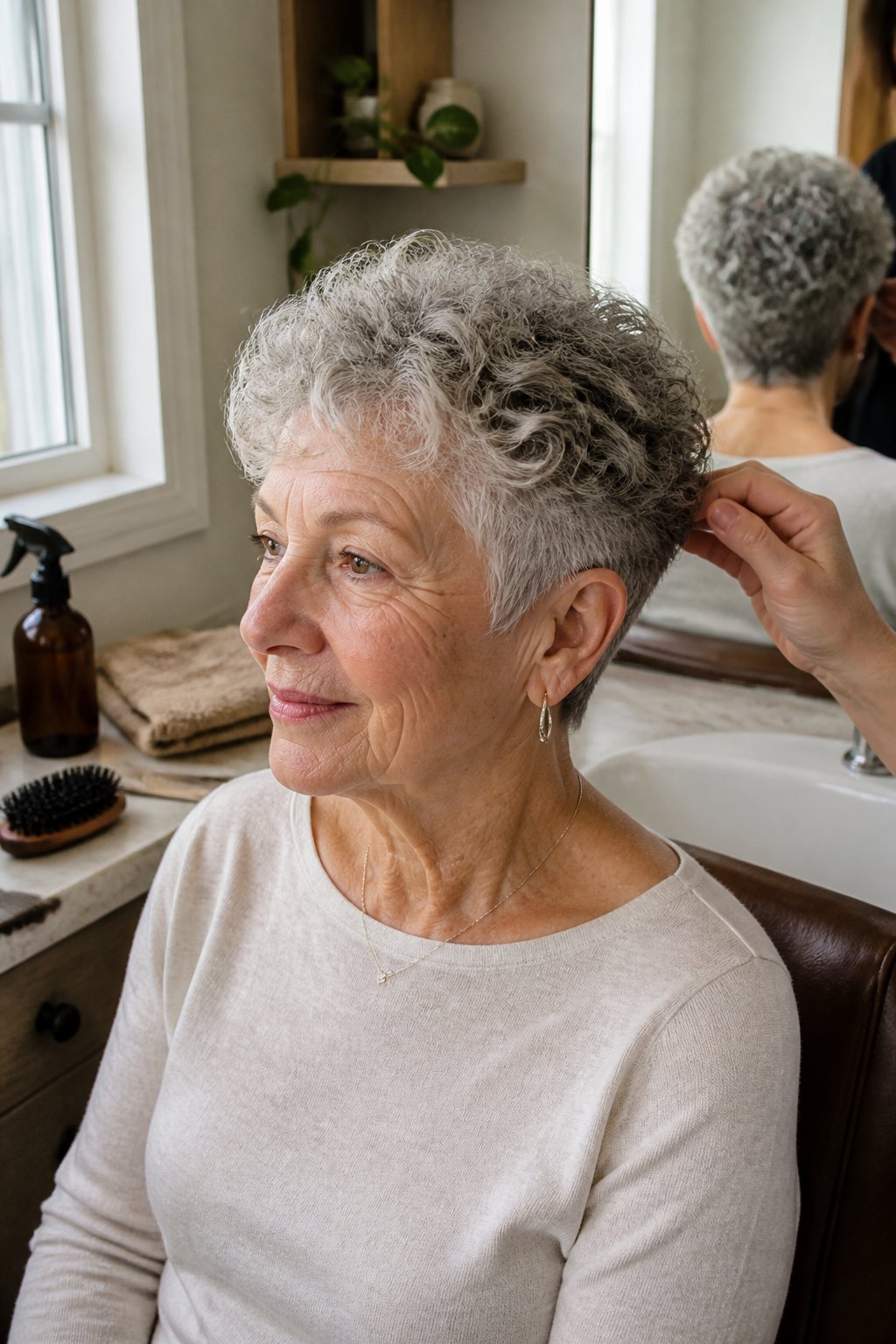
You can find a flattering curly pixie by matching the cut to your curl pattern, hair density, face shape, and preferred level of upkeep. Explore natural curls, silver and gray shades, soft bangs, tapered sides, layered tops, and fuller coily shapes. You’ll also learn how to choose the right structure and maintain definition without losing volume.
1. Classic Natural-Curl Pixie
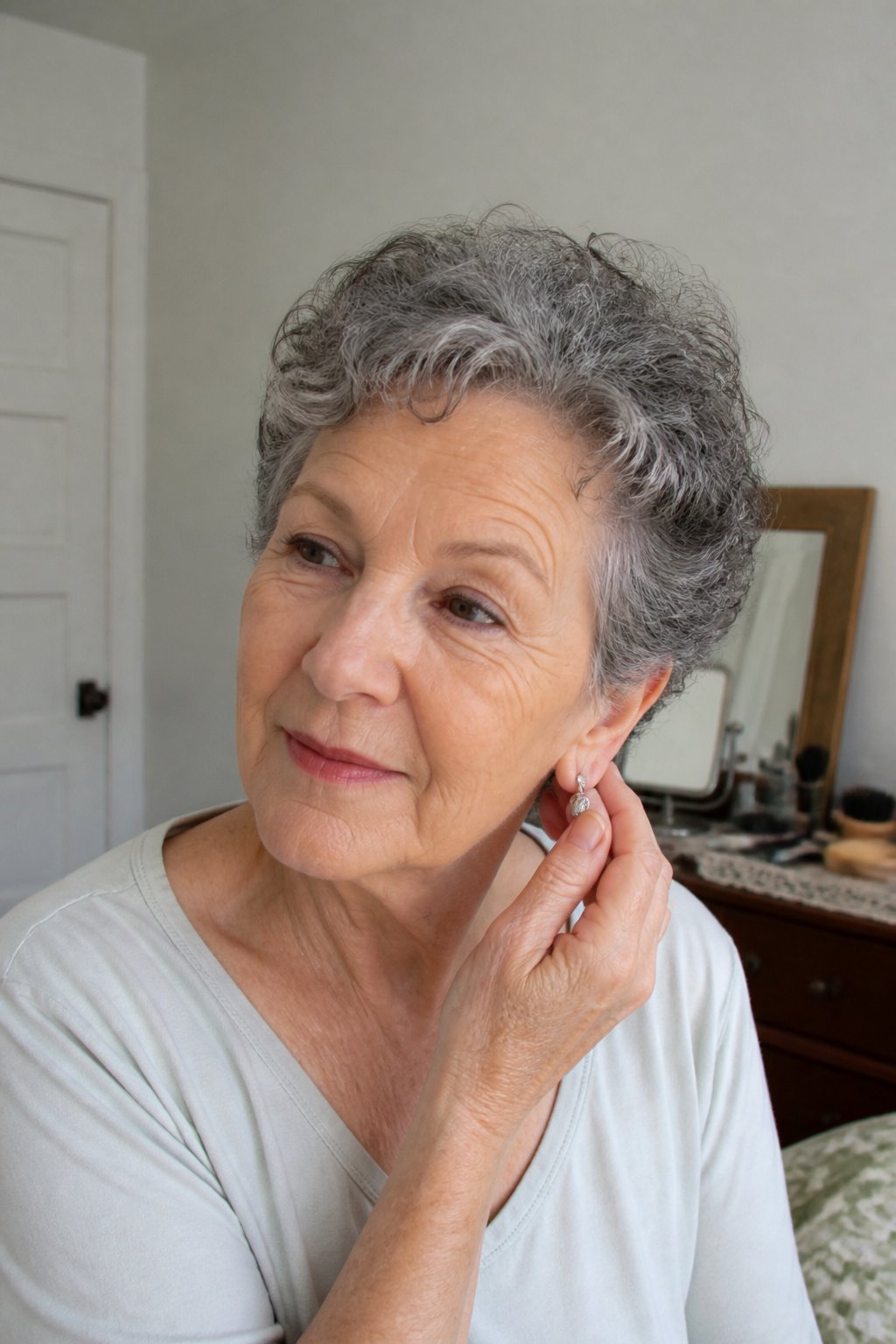
This classic curly pixie gives you a neat shape while letting your natural texture lead. Ask your stylist to keep soft length on top, taper the sides and back, and add light layers that prevent bulk without thinning your curls too much.
Style damp hair with a small amount of curl cream or mousse. Use your fingers to guide individual curls, then let your hair air-dry or use a diffuser on low heat. Avoid brushing dry curls, which can create frizz and break up their shape.
If your curls feel flat, ask for more height at the crown. If they look too round, your stylist can remove weight near the sides while keeping the top fuller. Bring a clear reference photo to your appointment so you can discuss the shape, curl pattern, and upkeep before cutting.
2. Tapered Gray Curly Pixie
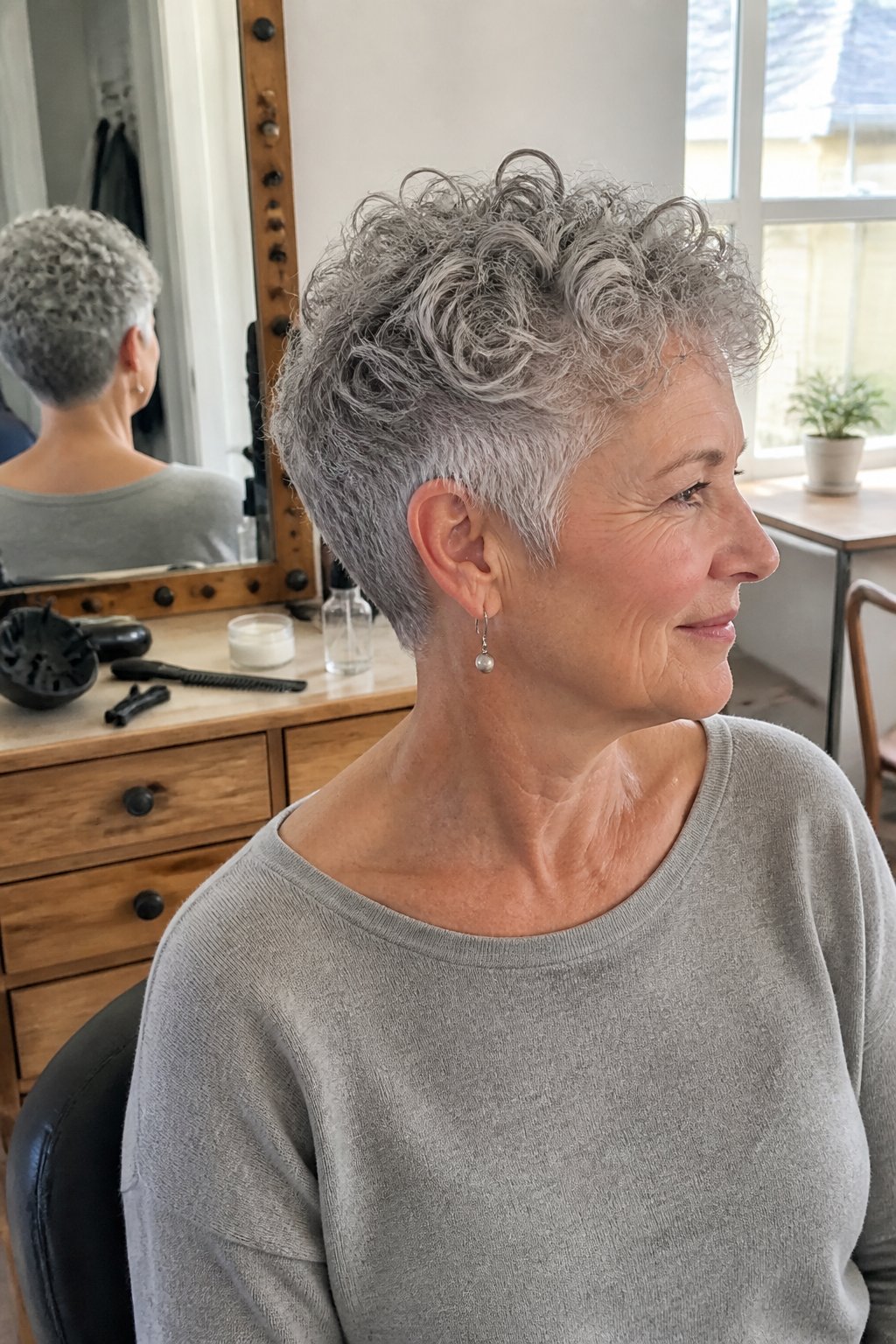
A tapered gray curly pixie gives you a neat shape while keeping your natural texture visible. Your stylist can trim the sides and back close to the head, then leave more length on top for soft curls, lift, and movement. This balance suits many face shapes and makes silver or salt-and-pepper hair look intentional.
Ask for gradual tapering instead of a sharp, disconnected undercut. A harsh line can make the style look severe, especially if your curls shrink as they dry. Your stylist should cut with your curl pattern in mind and check the length after the hair dries.
Use a small amount of lightweight curl cream or mousse to define the top. Scrunch gently, then air-dry or use a diffuser on low heat. Refresh flattened curls with damp fingers rather than adding too much product, which can make gray hair look dull and heavy.
Take a reference photo to show how much length and taper you want, then let your stylist shape the cut around your texture.
3. Layered Silver Pixie
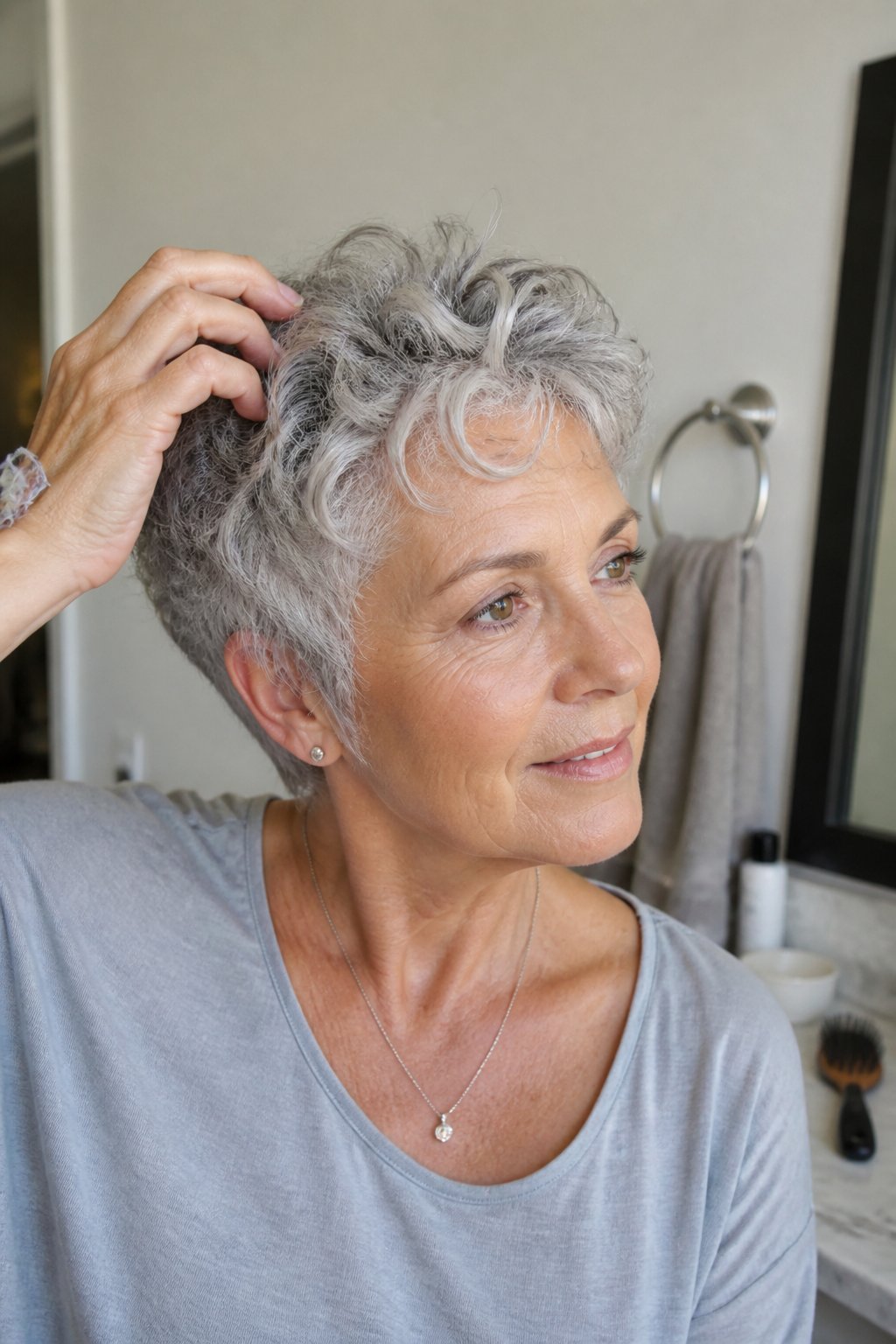
A layered silver pixie gives your curls shape, lift, and a soft frame around your face. Ask your stylist to keep the top slightly longer so your natural curl pattern can form without looking bulky.
This cut works well for fine or thinning hair because varied layers create movement. If your curls feel dense, request careful thinning only at the sides; removing too much can cause frizz and uneven volume.
For daily styling, apply a small amount of lightweight curl cream to damp hair. Scrunch gently, then let it air-dry or use a diffuser on low heat. Silver hair often looks polished with its natural color, though a purple shampoo used occasionally can reduce dull, yellow tones.
Bring a photo to your appointment and explain how much time you want to spend styling. Choose layers that support your curl pattern, then refresh the shape every six to eight weeks.
4. Curly Pixie with Side-Swept Bangs
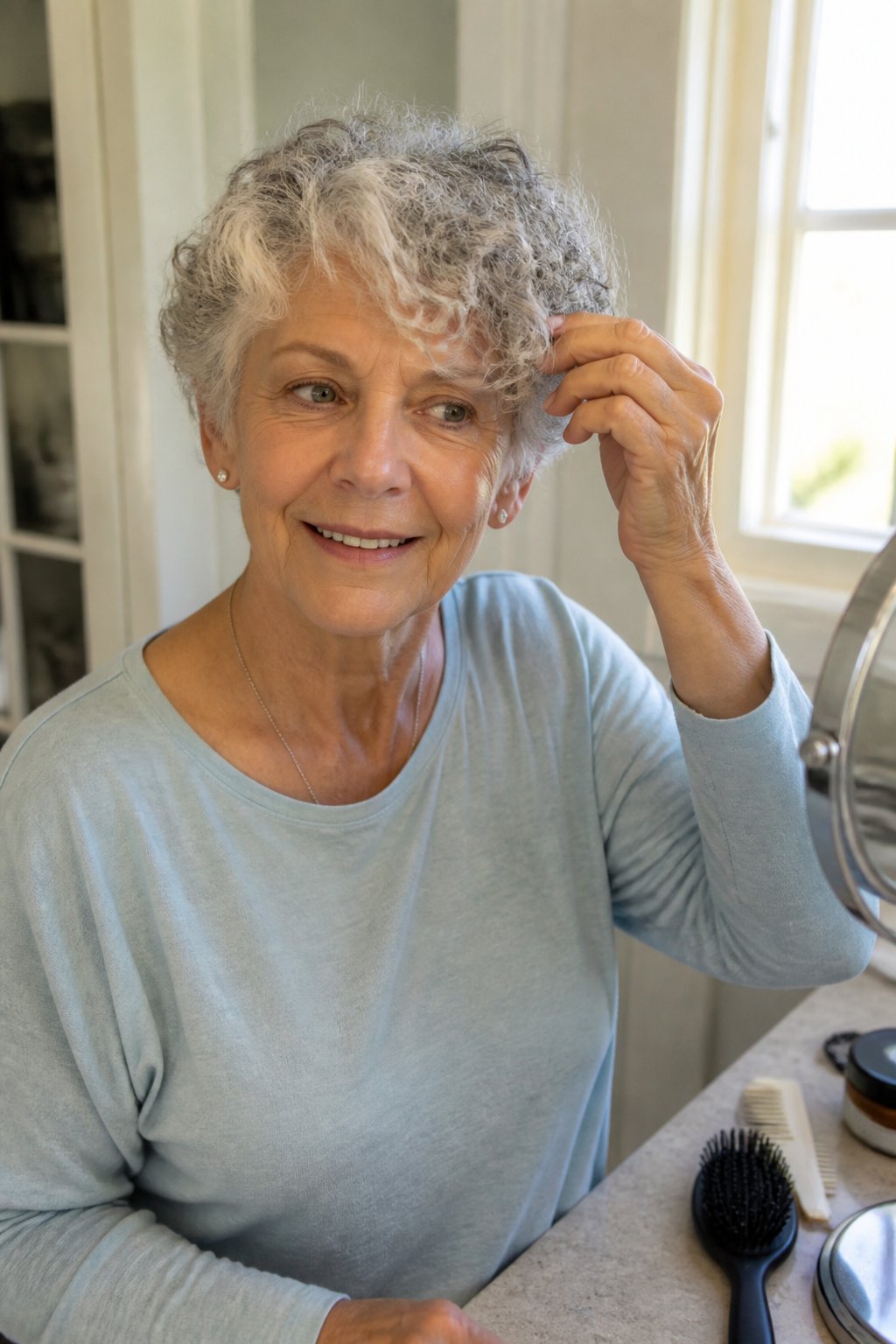
Choose a curly pixie with side-swept bangs when you want short sides and extra length around the face. The bangs soften the forehead, draw attention to the eyes, and give your curls room to show their natural shape.
Ask your stylist to keep the top slightly longer than the sides. This balance helps loose curls form a gentle sweep instead of sticking straight up. For fine hair, light layers can add lift, while thick curls may need careful thinning to prevent a bulky shape.
Avoid cutting the bangs too short when your curls shrink as they dry. A stylist should shape them while considering your curl pattern and how much moisture your hair holds. Use a small amount of curl cream, then air-dry or diffuse on low heat to reduce frizz.
Bring a photo that shows the bang length and curl shape you prefer, then ask your stylist to adjust the cut for your hair’s texture.
5. Short Tight-Curl Pixie
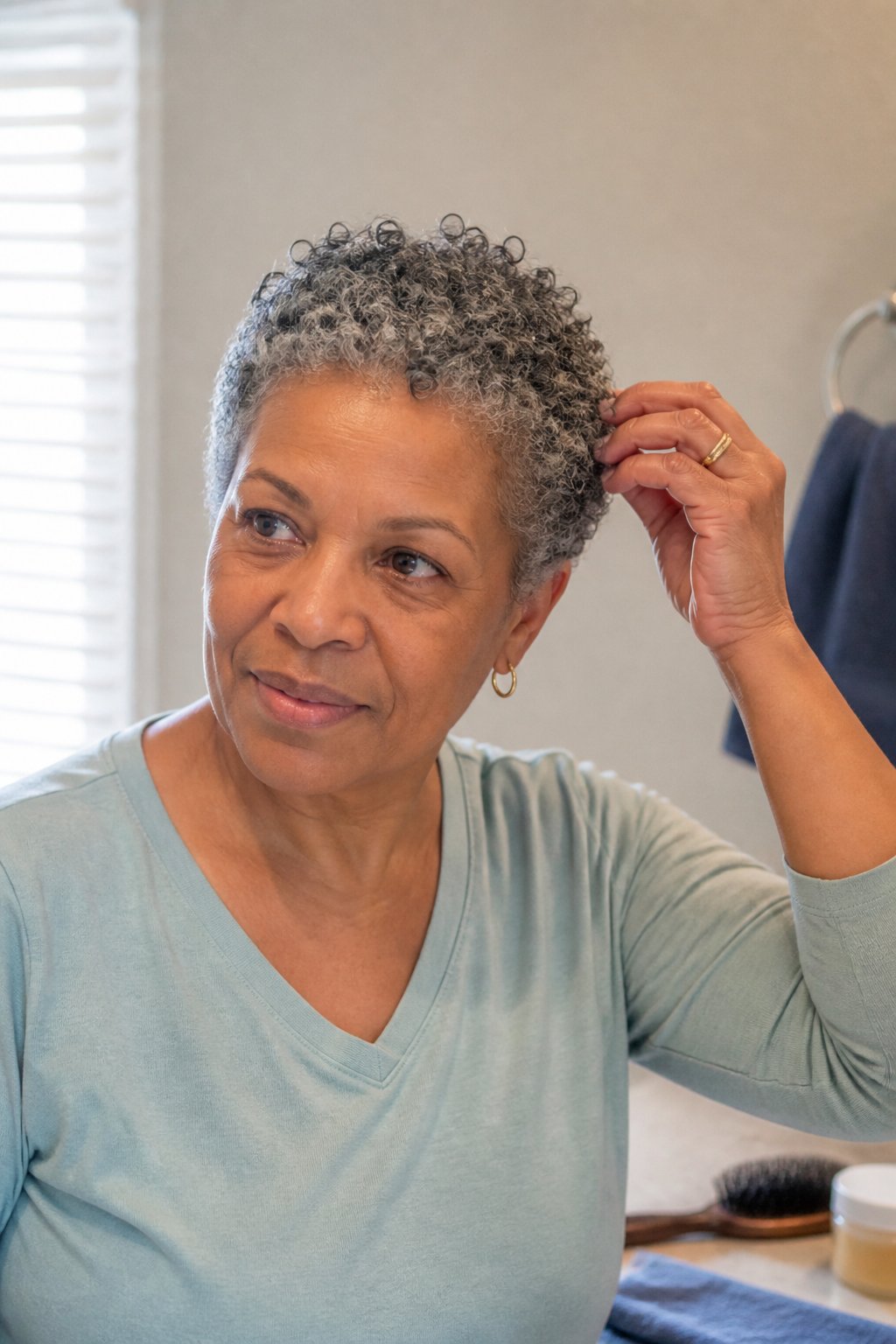
A short tight-curl pixie gives your natural curls a neat shape while keeping daily styling simple. Ask your stylist to leave slightly more length on top, so your curls keep their bounce instead of standing too close to the scalp.
For a polished look, apply a small amount of lightweight curl cream to damp hair. Scrunch gently, then let your hair air-dry or use a diffuser on low heat. Avoid brushing dry curls, which can create frizz and break up their shape.
Your face shape and curl pattern should guide the cut. A rounded top can soften angular features, while closely trimmed sides add definition to a fuller face. If your hair has become finer with age, avoid heavy products that weigh down the curls.
Bring a few reference photos to your appointment and ask for a shape that works with your natural texture.
6. Soft Blonde Curly Pixie
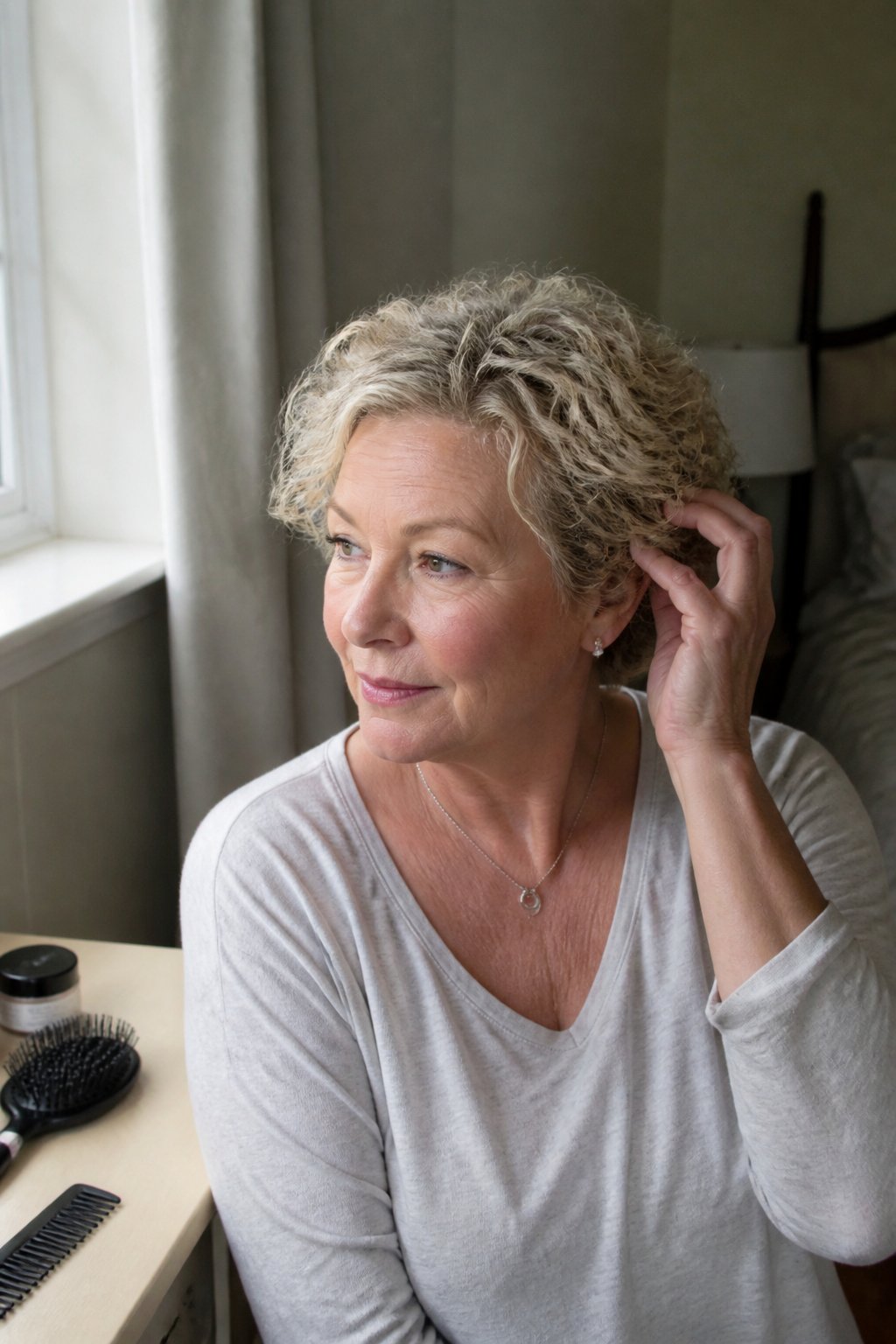
A soft blonde curly pixie gives you a light, polished style while keeping your natural texture visible. Ask your stylist for layered curls on top, gently tapered sides, and enough length around the crown to prevent a flat shape.
Choose a shade that suits your skin tone. Sandy blonde, beige, or warm honey highlights can brighten gray or darker hair without creating a harsh contrast. Soft, blended color usually grows out more naturally than thick, obvious streaks.
To style, apply a small amount of curl cream to damp hair, then let it air-dry or use a diffuser on low heat. Avoid brushing dry curls, since this can cause frizz and disturb their shape. If your hair is fine, use a lightweight mousse instead of heavy creams that may reduce volume.
Keep the neckline and sides trimmed regularly, while allowing the top curls to stay fuller. Ask your stylist to preserve curl movement rather than thinning the hair too much.
7. Textured Pixie for Fine Curls
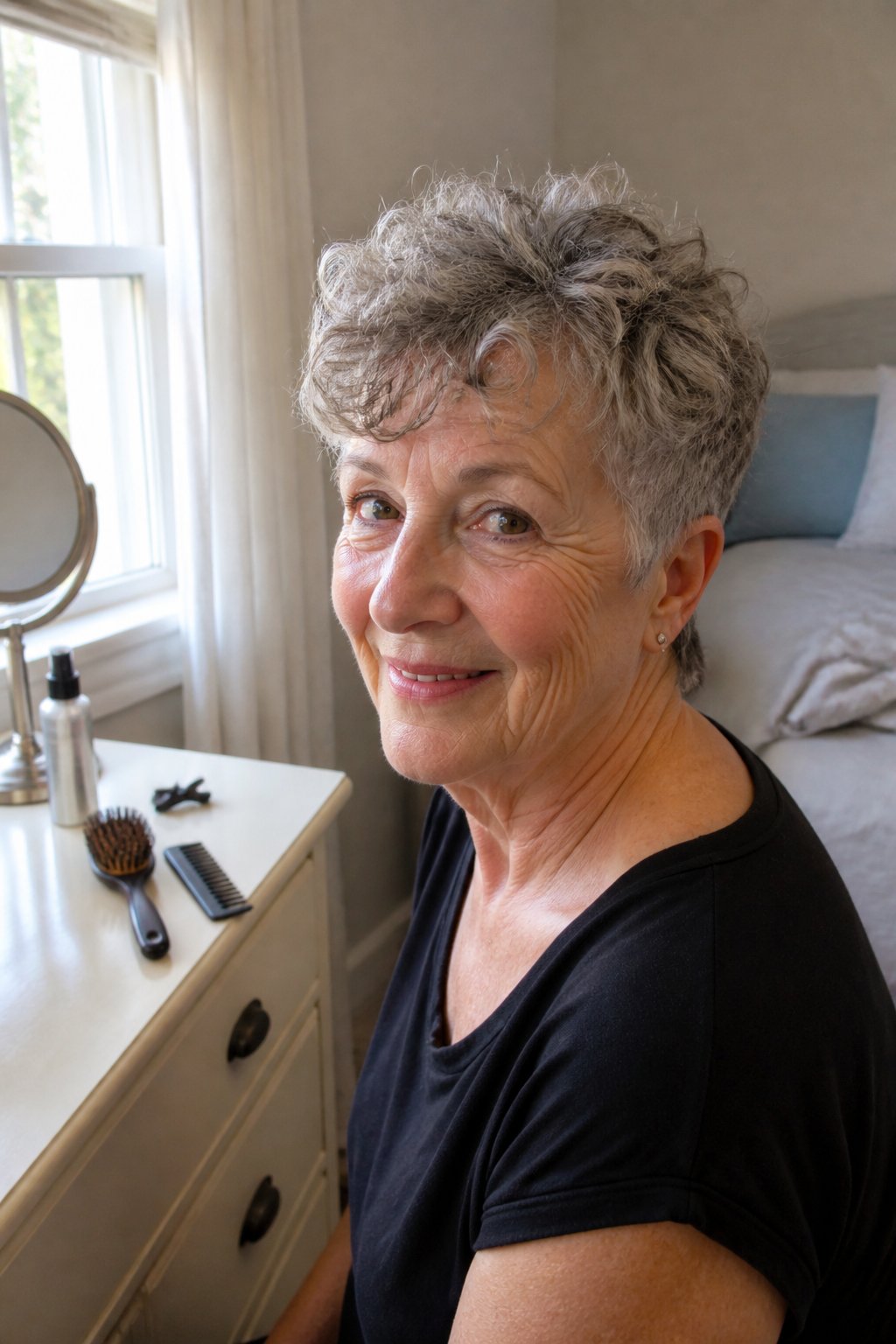
A textured pixie can give fine curls more lift, shape, and movement without adding heavy styling work. Ask your stylist for soft, choppy layers that follow your curl pattern rather than thinning the hair too much.
Keep the sides and back neatly shaped while leaving extra length on top. This contrast helps create the look of fuller hair and gives you room to define individual curls. A lightweight curl cream or mousse can add shape without weighing your hair down.
Avoid blunt, heavy layers, which may make fine curls look flat. Also, do not brush your hair when it is dry, since this can disrupt curl definition and create frizz. Use your fingers or a wide-tooth comb on damp hair, then let it air-dry or use a diffuser on low heat.
Ask for a cut that works with your natural texture, so your daily routine stays simple and comfortable.
8. Curly Pixie with Longer Top Layers
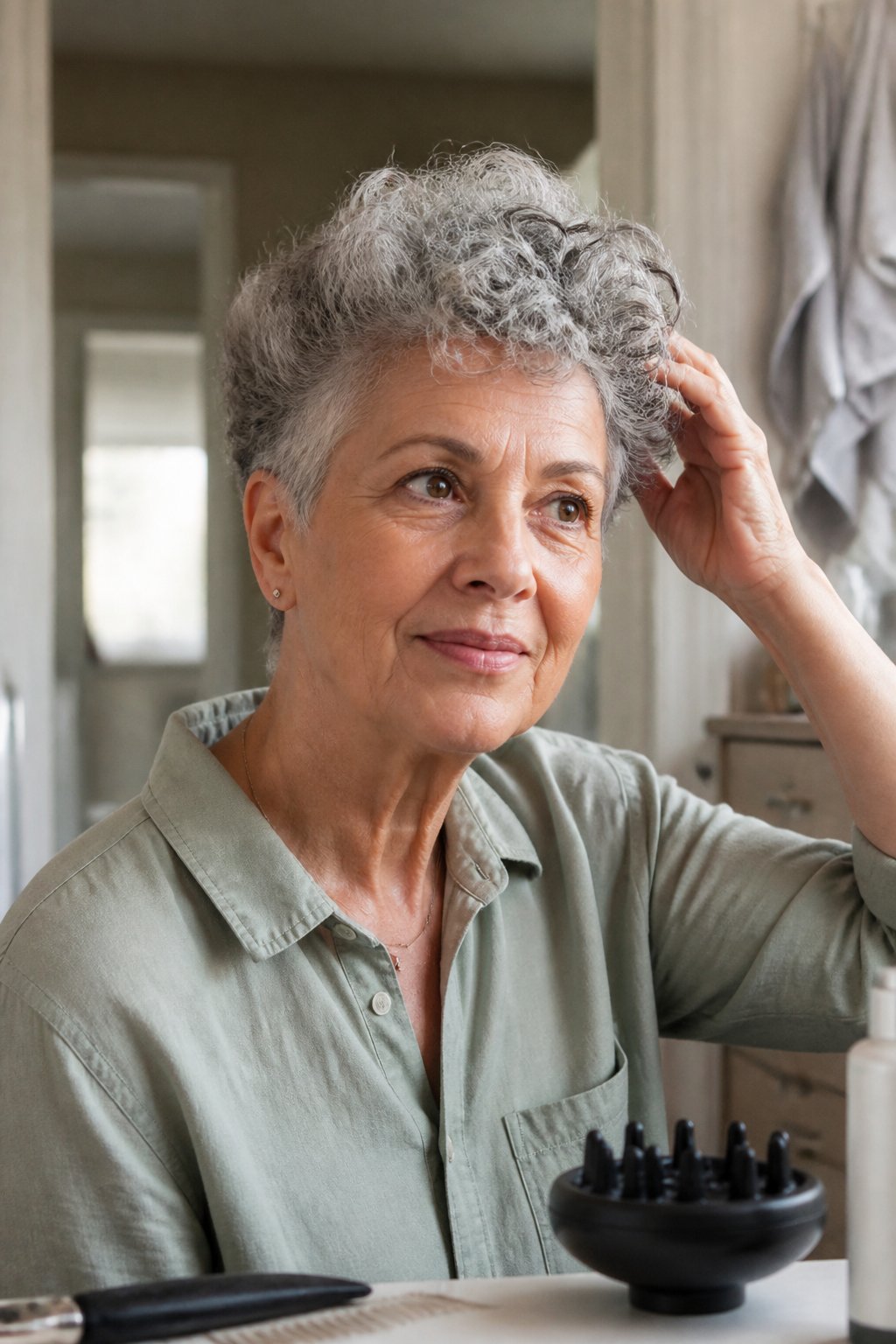
Choose longer top layers when you want a curly pixie that offers shape, movement, and flexible styling. Your stylist can keep the crown about 2–3 inches long while tapering the sides and back. This creates soft height without removing your curls’ natural character.
Ask for layers that follow your curl pattern instead of blunt cuts. A stylist should cut carefully, since curls shrink as they dry. Cutting too short can leave the top looking uneven or make the style harder to shape.
You can wear the longer layers forward as a soft fringe, swept to one side, or lifted slightly for added volume. Apply a small amount of lightweight curl cream to damp hair, then let it air-dry or use a diffuser on low heat.
Refresh the style between washes with water and a touch of styling cream, then gently reshape each curl with your fingers. Ask your stylist to preserve enough length for easy styling and a balanced silhouette.
9. Salt-and-Pepper Curly Pixie
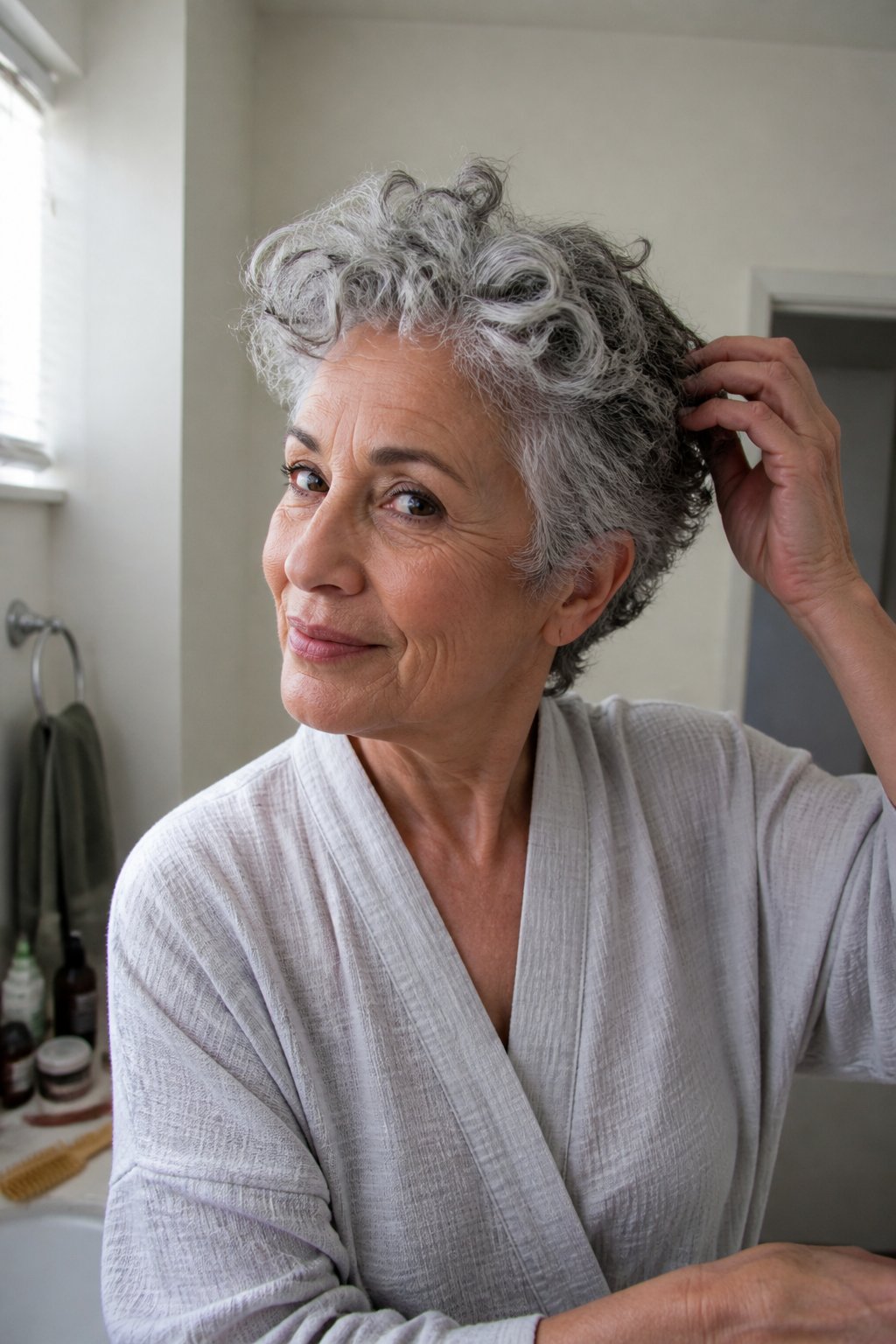
A salt-and-pepper curly pixie lets you show natural gray while keeping your curls light and defined. Ask your stylist for tapered sides and layered length on top. This shape adds movement without making your hair look bulky.
Your curl pattern should guide the cut. Looser curls may suit a softly tousled top, while tighter curls often benefit from slightly longer layers to prevent excess shrinkage. A side part or short fringe can also frame your face.
Use a lightweight curl cream or mousse on damp hair, then air-dry or use a diffuser on low heat. Avoid heavy waxes, which can flatten curls and make silver hair look dull. Schedule trims every six to eight weeks to keep the shape neat.
Bring a few reference photos to your appointment, including styles with a similar curl pattern, and ask your stylist to plan for shrinkage.
10. Curly Pixie with Undercut
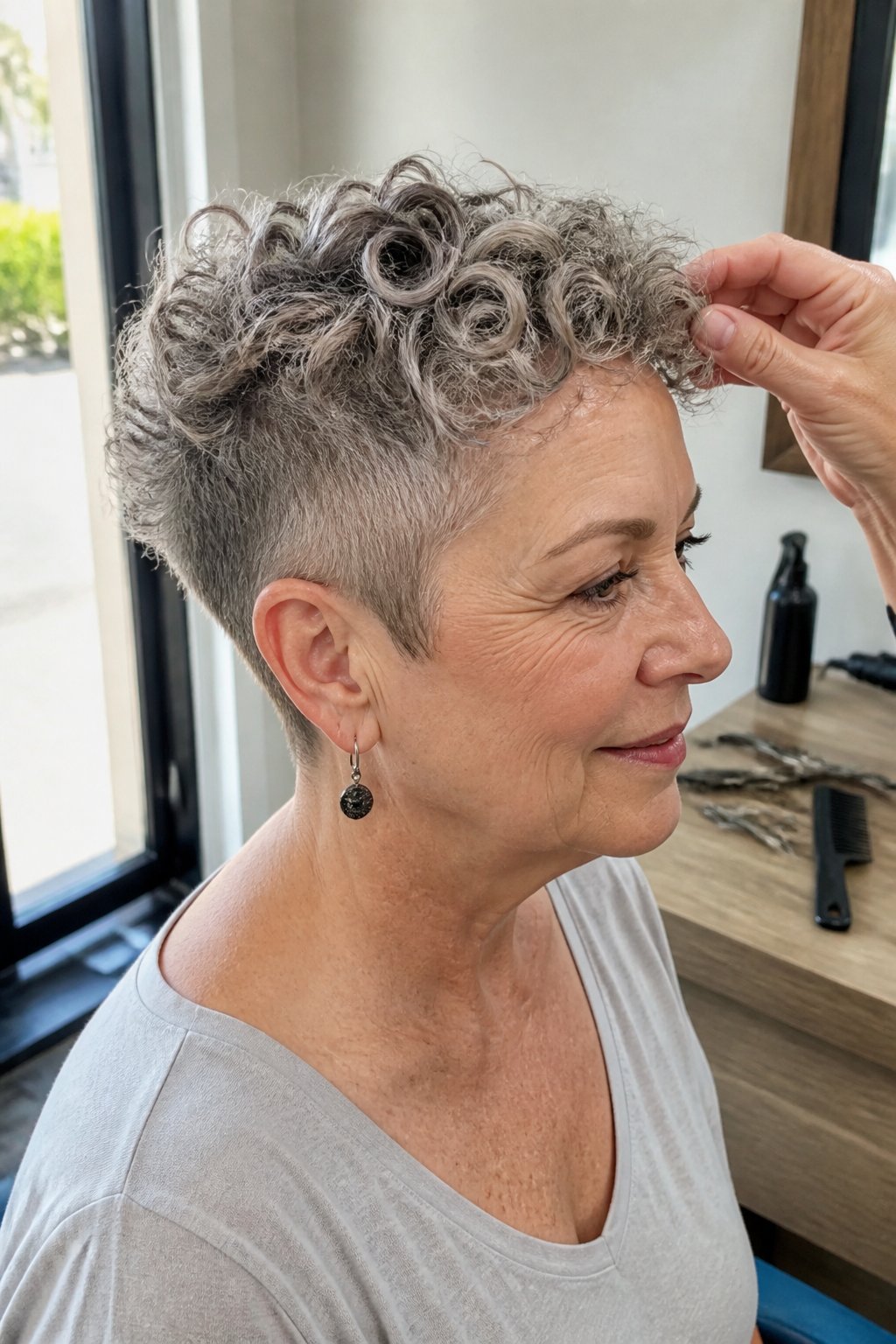
A curly pixie with an undercut gives you a clean shape while keeping your natural texture visible. The stylist clips the hair close at the nape and sides, then leaves longer curls on top for softness and volume.
Ask for a gradual transition instead of a sharp line if you prefer a classic look. This approach suits thick curls especially well because removing weight can make the top easier to manage. You can also keep the undercut subtle so it remains hidden when your curls fall naturally.
Avoid cutting the top too short, since curls often spring up after drying. Use a light curl cream and let your hair air-dry, or use a diffuser on low heat to reduce frizz. Show your stylist a photo and explain how much time you want to spend styling each morning.
Choose an undercut that matches your comfort level, curl pattern, and preferred maintenance routine.
11. Voluminous Coily Pixie
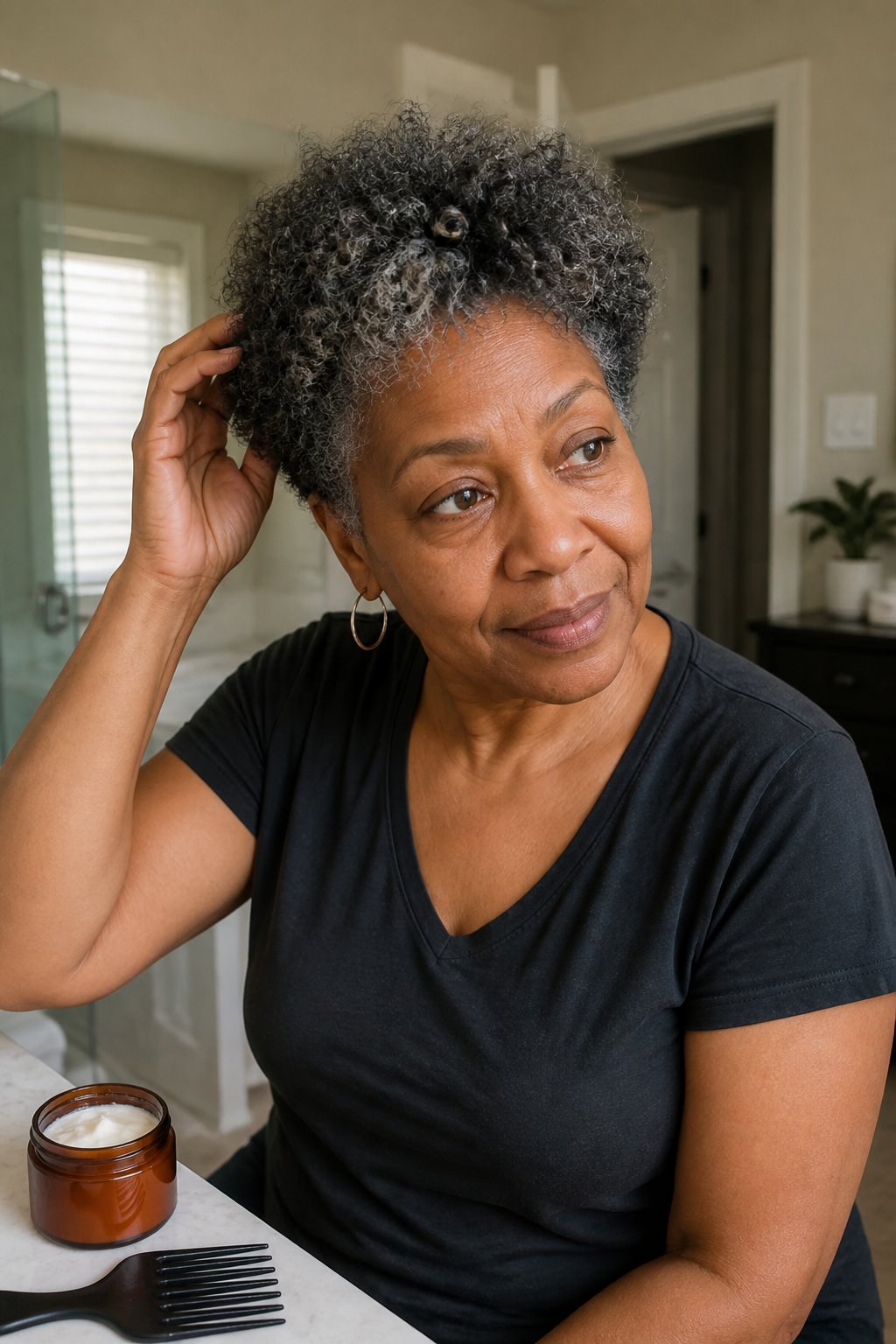
Choose a voluminous coily pixie when you want to showcase tight curls with a rounded, lifted shape. Keep the sides and nape neatly tapered, while leaving more length through the crown. This contrast creates height without making the cut difficult to manage.
Ask your stylist to shape the cut around your natural coil pattern. Dry cutting can help prevent unwanted shrinkage, but your stylist should still check the balance after the hair settles. Avoid removing too much weight from the crown, since over-thinning can make coily hair look uneven or reduce its fullness.
For daily styling, smooth in a lightweight leave-in conditioner, then apply a curl cream or gel in small sections. Let your hair air-dry or use a diffuser on low heat. Refresh flattened areas with water and a little product instead of adding more gel. Ask your stylist to adjust the taper as your curls grow.
12. Curly Pixie Bob
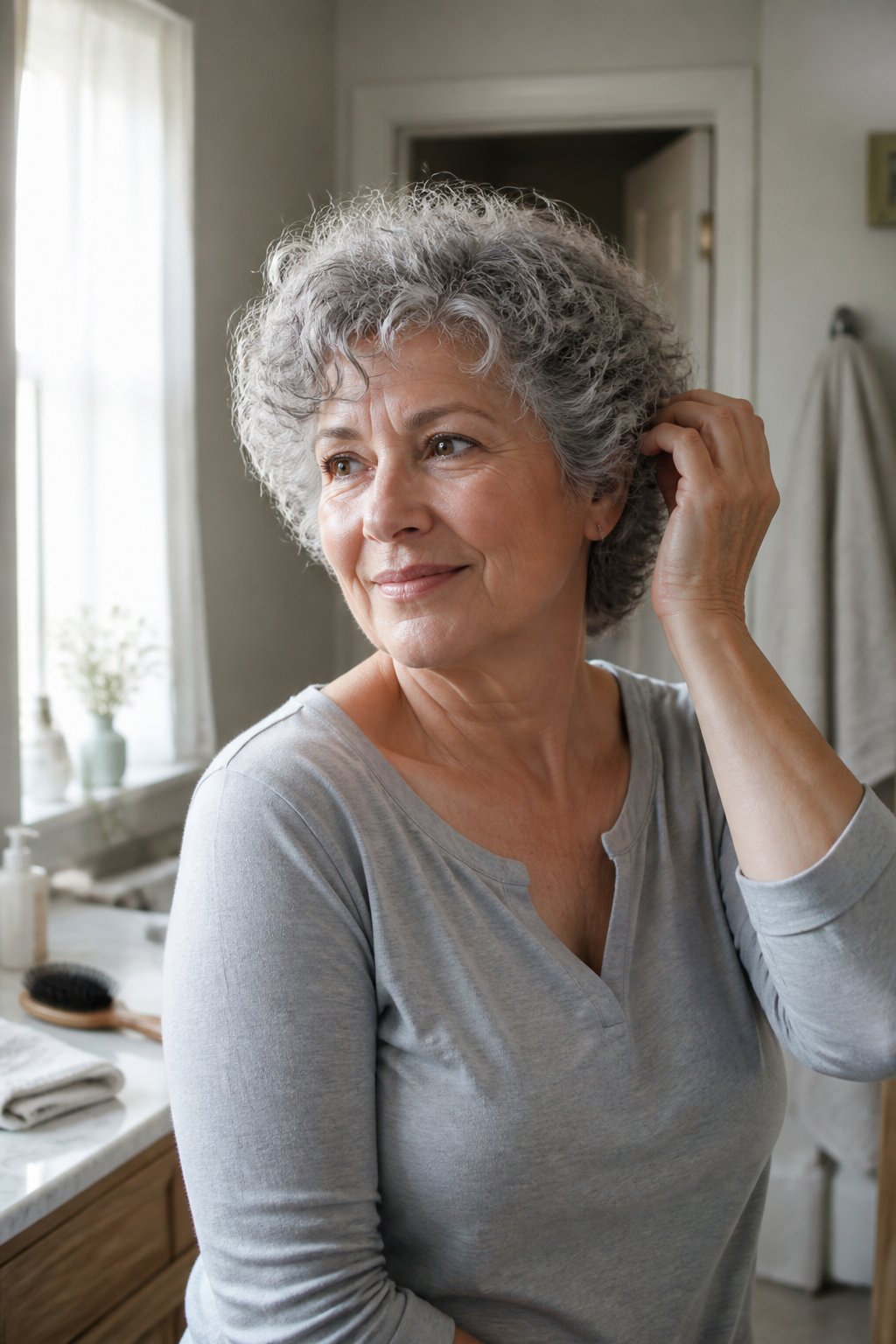
A curly pixie bob gives you the ease of a pixie with a little extra length around the sides and nape. This shape works well when you want your curls to frame your face without committing to an ultra-short cut.
Ask your stylist to keep the top soft and layered, while leaving enough length to show your curl pattern. A side part can add shape, and light layers can help fine curls look fuller. If your hair is thick, careful thinning may reduce bulk without making the ends look uneven.
Use a small amount of curl cream on damp hair, then let it air-dry or use a diffuser on low heat. Avoid brushing it when dry, since this can create frizz and break up the curl shape. Bring a photo to your appointment and discuss how your curls change as they dry.
13. Tousled Gray Pixie
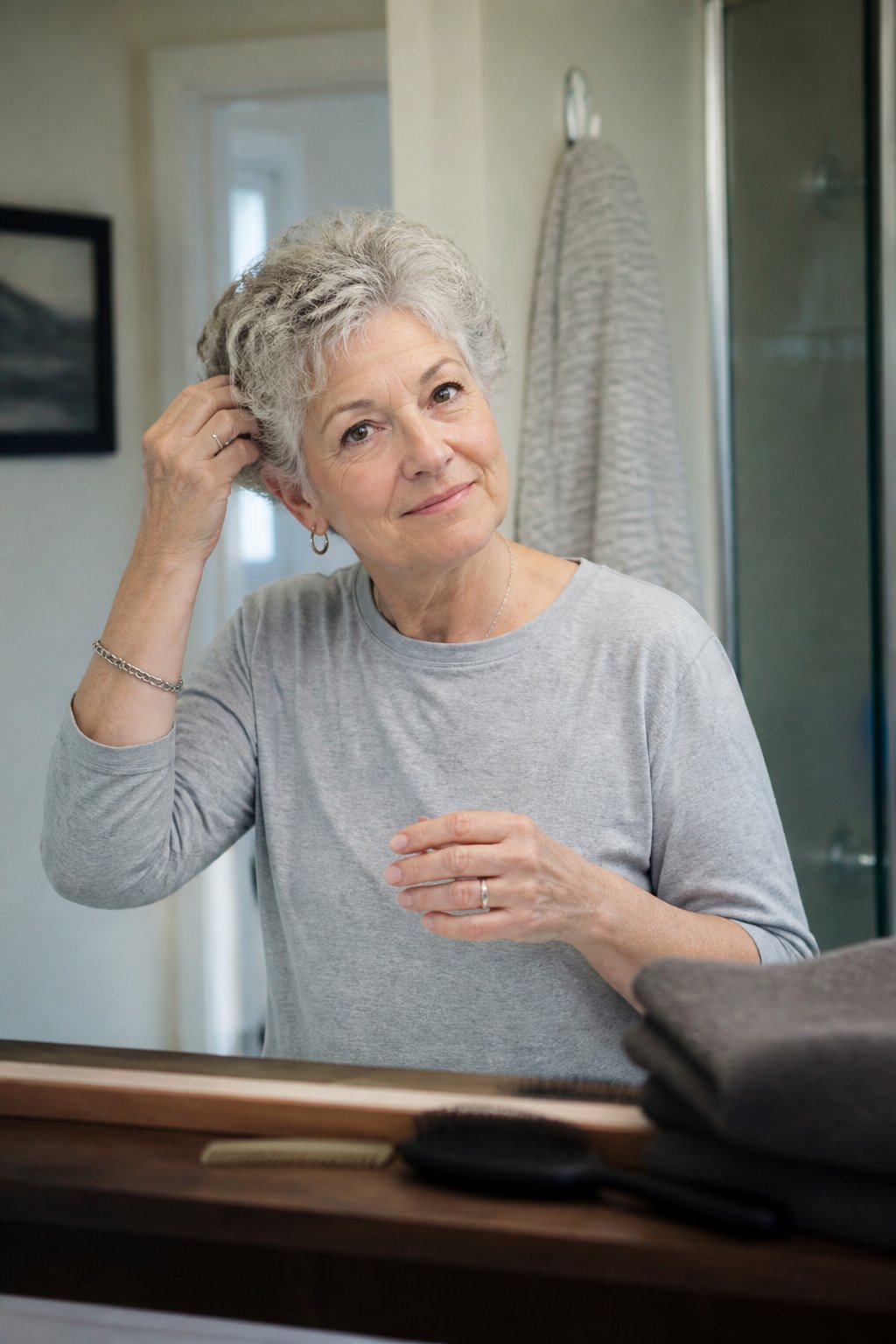
A tousled gray pixie gives you natural texture, soft movement, and an easy daily style. Ask your stylist for layered shaping that keeps the sides neat while leaving extra length on top for your curls.
After washing, gently squeeze out excess water and apply a lightweight curl cream or mousse. Let your hair air-dry, or use a diffuser on low heat. Scrunch the curls as they dry, then separate a few pieces with your fingers for a relaxed finish.
Avoid heavy waxes and thick oils, which can flatten gray curls and make them look dull. If your hair feels dry, use a small amount of leave-in conditioner instead. Regular trims also help maintain the shape without removing the texture that makes this pixie distinctive. Ask your stylist to adjust the layers to suit your curl pattern and face shape.
14. Side-Parted Curly Pixie
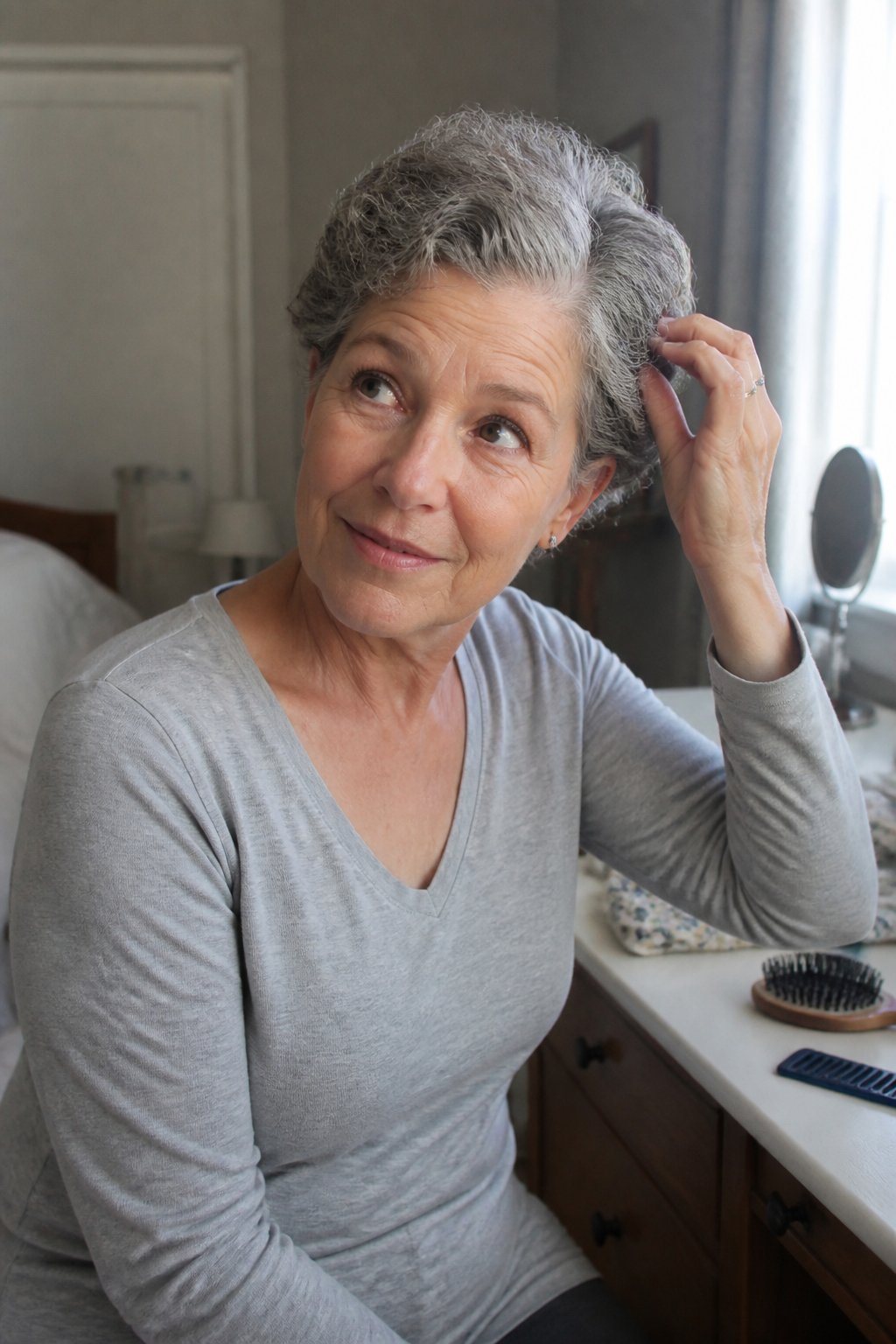
A side-parted curly pixie gives you lift, shape, and a soft frame around your face. Ask your stylist to place the part where your curls naturally separate, then add longer layers on top and shorter sides for balanced volume.
This cut works well for loose waves and tight curls. Your stylist should cut curls with shrinkage in mind, since dry hair may look shorter than expected. A slightly longer top also gives you more styling options as your curl pattern changes.
For daily styling, apply a small amount of curl cream to damp hair and shape each curl with your fingers. Let it air-dry or use a diffuser on low heat. Avoid brushing the hair when dry, which can create frizz and disturb the part.
Bring a clear photo to your appointment and ask for a shape that suits your hair density and face shape.
15. Rounded Curly Pixie
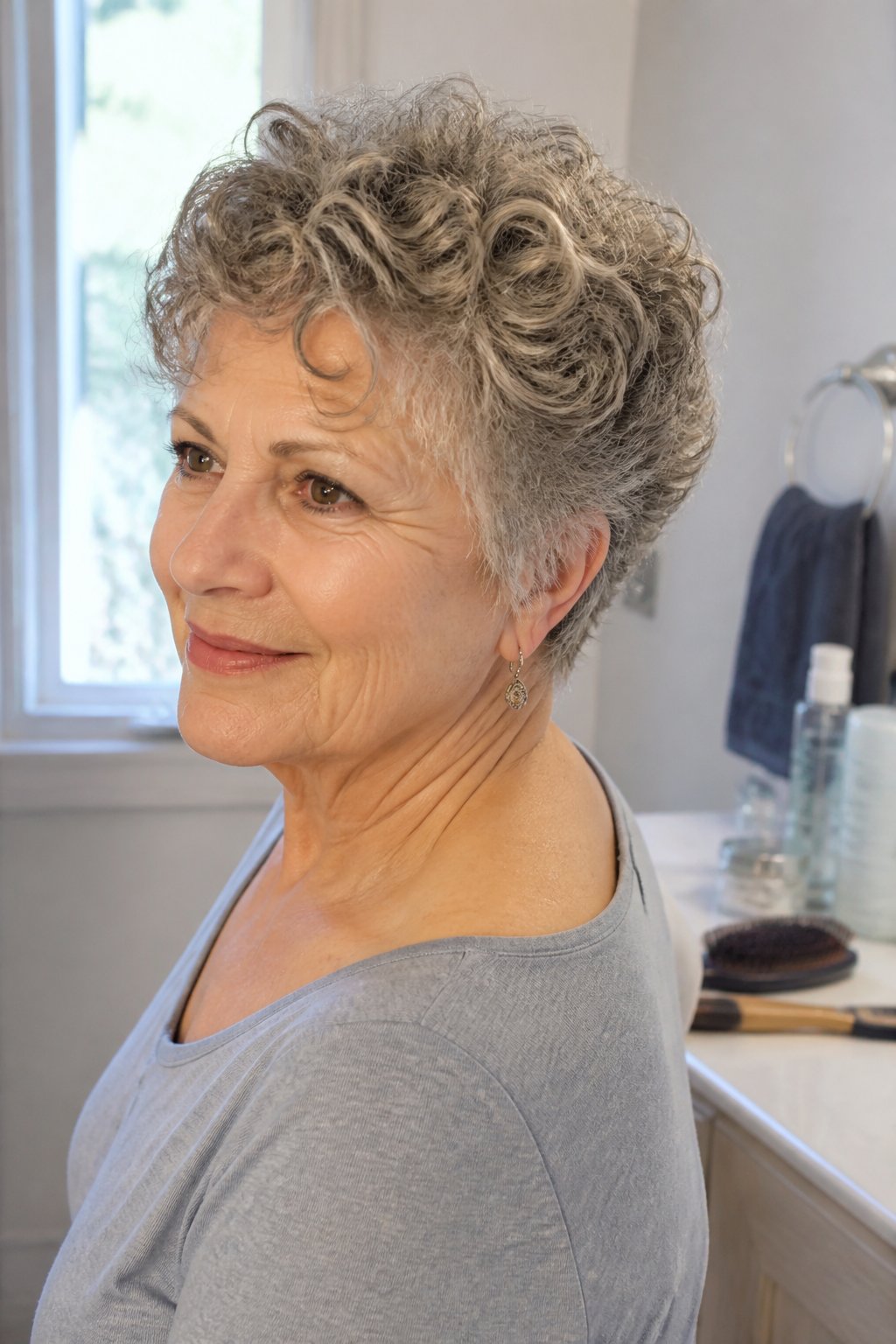
A rounded curly pixie gives your hair a soft, balanced shape while keeping daily styling simple. Ask your stylist for gentle layers through the crown and slightly shorter sides to prevent excess width around your cheeks.
This cut works well when your curls vary in size or lose definition with age. Your stylist can shape the hair while dry, which helps account for shrinkage and prevents an uneven result. Keep the top long enough for curls to form instead of turning into tight, unwanted volume.
For styling, apply a small amount of curl cream to damp hair, then let it air-dry or use a diffuser on low heat. Avoid heavy products, which can flatten fine curls. Refresh dry hair with water and a light leave-in spray.
Bring a front and side photo to your appointment, and ask for a shape that suits your curl pattern and face.
16. Platinum Blonde Curly Pixie
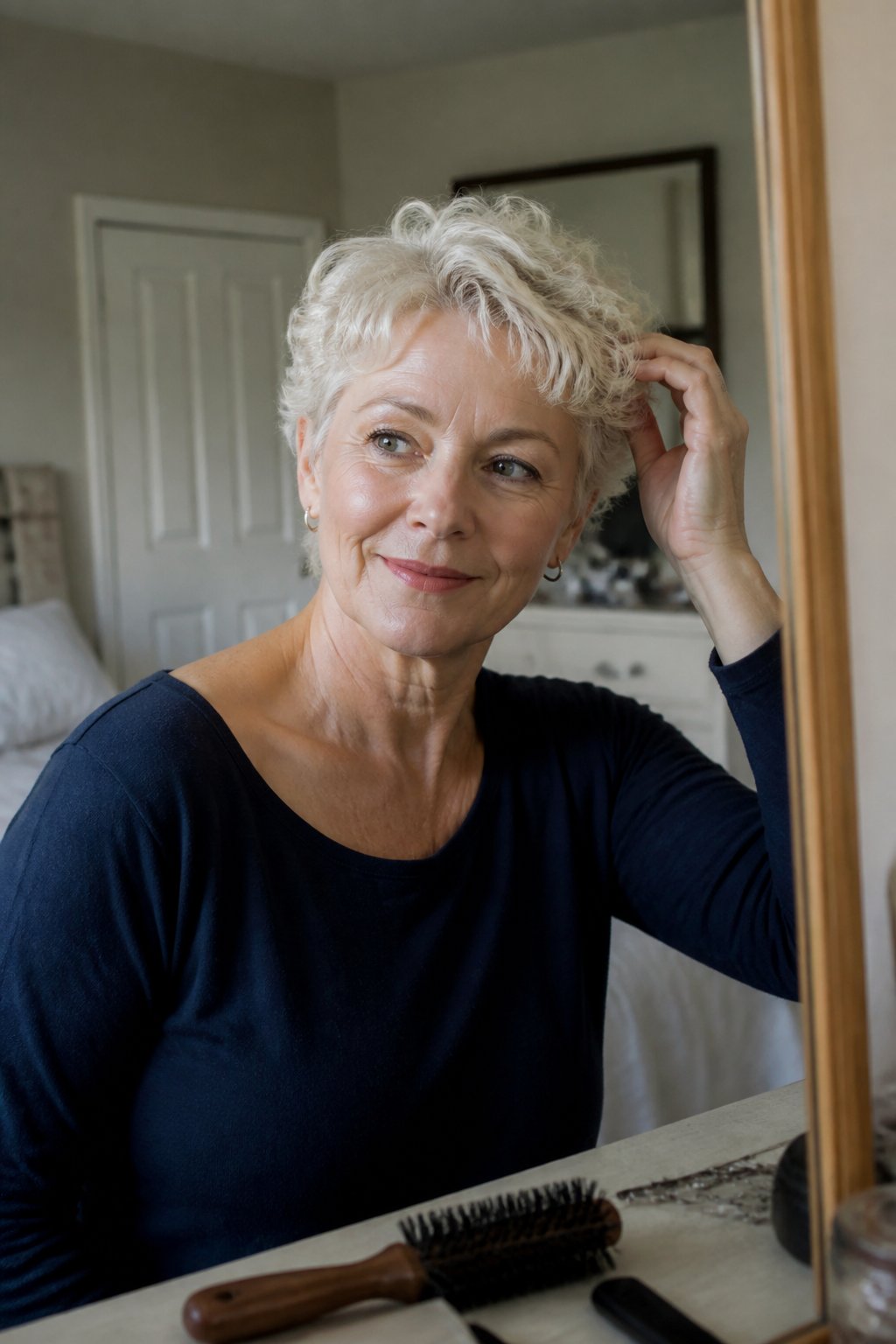
A platinum blonde curly pixie gives you a bright, polished look while showing off your natural texture. Ask your stylist to keep the sides neat and leave extra length on top so your curls can form soft volume around your face.
This color works best when your stylist considers your skin tone and natural hair condition. A slightly darker root can soften the contrast and make regrowth less noticeable. If your hair is fine or dry, avoid excessive bleaching, which can weaken curls and cause frizz.
Use a gentle shampoo, a moisturizing conditioner, and a lightweight curl cream. Scrunch the product into damp hair, then let it air-dry or use a diffuser on low heat. Schedule regular trims to keep the shape clean, and ask your stylist to refresh the tone before brassiness appears.
17. Curly Pixie with Wispy Bangs
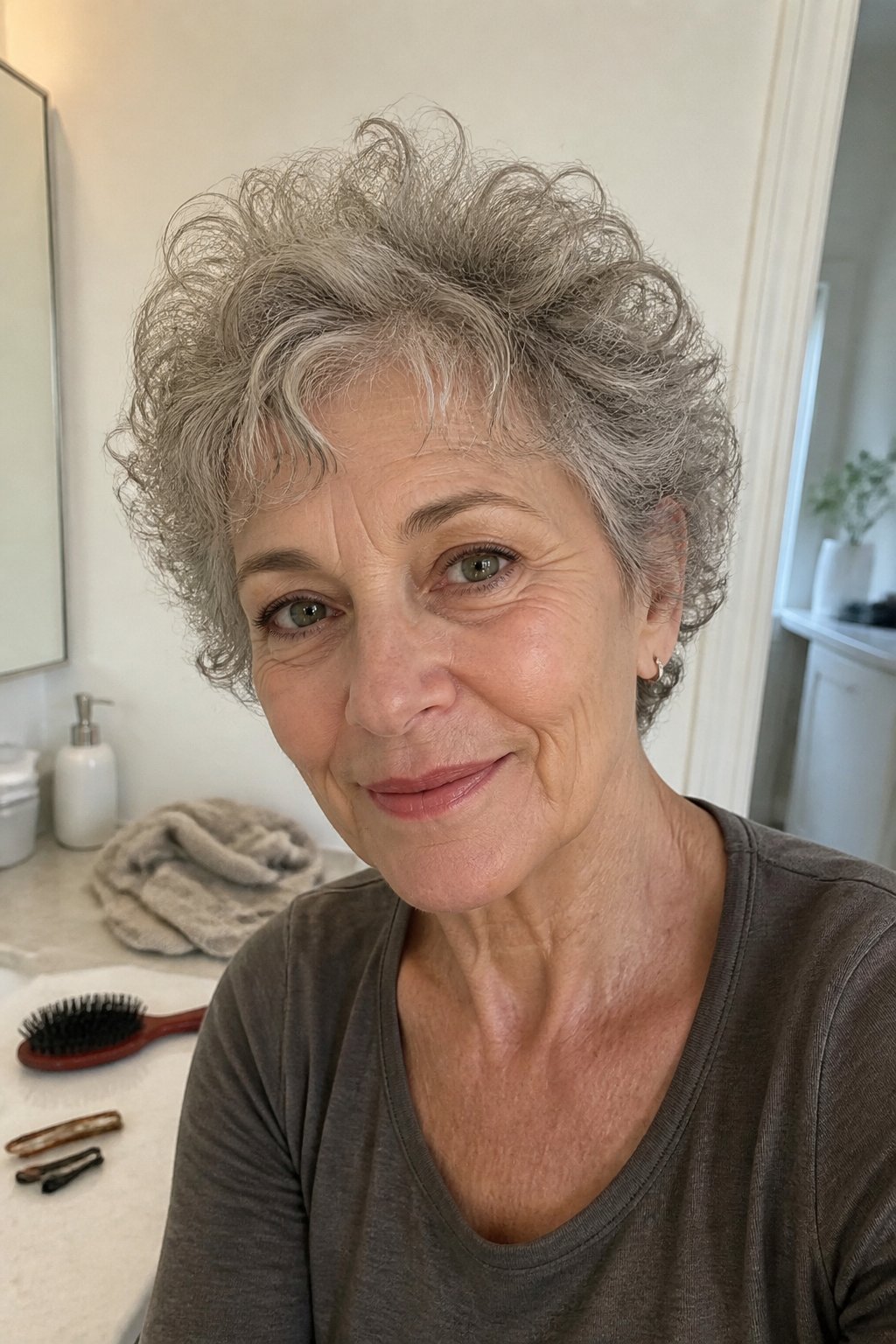
Choose a curly pixie with wispy bangs when you want soft framing without heavy styling. Light layers let your natural curls form around the forehead, while the short shape keeps the cut neat and easy to manage.
Ask your stylist to cut the bangs slightly longer at first. Curly hair often springs up after drying, and trimming too short can leave the fringe uneven or difficult to control. A side-swept finish also works well if you prefer less coverage across your forehead.
Use a small amount of lightweight curl cream on damp hair, then let it air-dry or use a diffuser on low heat. Avoid brushing the bangs when dry, since this can create frizz and break up the curl pattern.
Bring a photo that shows your curl texture, not just the haircut’s shape, so your stylist can adjust the layers to your hair.
18. Defined Ringlet Pixie
Choose a defined ringlet pixie when you want your natural curls to remain the main feature. This cut keeps the sides and back neat while leaving enough length on top for small, springy curls that frame your face.
Ask your stylist to shape the cut while considering your curl pattern, since curls often shrink as they dry. Too much thinning can create frizz or uneven gaps, so use light layering instead. A curl cream or lightweight gel can help each ringlet hold its shape without a stiff finish.
Apply product to damp hair, then gently scrunch and air-dry or use a diffuser on low heat. Avoid brushing dry curls, which can break their definition. Refresh flattened areas with water and a small amount of product. Choose this style for polished texture that still feels natural.
Choosing a Flattering Curly Pixie Shape
A flattering curly pixie balances your face shape, curl pattern, and hair density. Choose the length and layers carefully so your curls create soft movement instead of extra width or a flat crown.
Face Shape and Proportion
Your face shape can guide where you need volume and length. If you have a round face, keep the sides close and add height at the crown. A longer, softly curled top can make your face appear more balanced. For a long face, leave more fullness at the sides and avoid excessive height on top.
A square face often suits soft layers around the temples and forehead. These curls reduce harsh lines without hiding your features. If you have a heart-shaped face, a side-swept fringe or fuller sides near the jaw can balance a narrower chin.
Your neck length and facial proportions also matter. A tapered nape can lengthen a shorter neck, while a slightly longer back can add softness to a slender one. Ask your stylist to shape the cut while your hair is dry or account for curl shrinkage before removing too much length.
Curl Pattern and Hair Density
Your curl pattern determines how much layering your pixie needs. Loose waves and large curls usually benefit from light layers that create movement without making the shape look thin. Tight curls may need more controlled shaping, especially around the crown and sides, to prevent a rounded or bulky silhouette.
Hair density matters just as much. If your hair is fine or thinning, keep enough length on top to build fullness and avoid heavy thinning shears. Short, broken layers can make sparse areas more visible. For thick hair, a stylist can remove weight internally while preserving the outer curl pattern.
Tell your stylist how your curls behave after washing, drying, and sleeping. Bring a photo of your usual texture, and choose a shape that works with your natural curl rather than requiring daily heat styling.
Maintaining Definition and Volume
You can keep a curly pixie defined and full with balanced moisture, light styling products, and regular shaping. Small daily adjustments, such as refreshing curls with water instead of adding more product, help prevent limp roots and buildup.
Moisture and Styling Products
Apply a lightweight curl cream or leave-in conditioner to damp hair. Use a small amount—about a pea-sized portion for short hair—and spread it through your curls with your fingertips. Too much product can flatten the crown and make gray or fine hair look greasy.
Scrunch your curls gently, then air-dry or use a diffuser on low heat and low airflow. Avoid brushing dry curls, which can create frizz and reduce definition. To refresh your style the next morning, mist your hair with water and reshape a few curls rather than reapplying a full layer of cream.
If your hair feels dry, use a moisturizing treatment once a week. Choose products without heavy waxes or oils when your pixie loses volume easily.
Trimming and Everyday Care
Schedule a trim every four to six weeks to maintain the shape of your curly pixie. Ask your stylist to preserve length where your curls need room to form, especially at the crown. Over-thinning can make curls look uneven and reduce fullness.
Wash your hair when your scalp needs it, using a gentle shampoo and conditioner made for curly hair. Blot with a microfiber towel or soft T-shirt instead of rubbing with a terry towel. At night, use a satin pillowcase to reduce friction and protect curl shape.
Pay attention to flattened areas around your temples and crown. A quick water mist, fingertip lift at the roots, and brief diffuser session can restore volume without disturbing the rest of your hairstyle.
About the Author — Lena Harper
Lena Harper is a fashion writer and content strategist at Fashion Pops, known for creating thoughtful, trend-aware articles that feel both stylish and relatable. With a strong background in fashion journalism, she specializes in turning seasonal trends, outfit ideas, and styling concepts into easy-to-follow inspiration for modern women.
Her writing focuses on practicality without losing creativity — helping readers build outfits that feel current, wearable, and confident. When she’s not working on new articles, Lena enjoys exploring street style trends, discovering unique fashion finds, and curating inspiration boards that shape upcoming content at Fashion Pops.