What to Wear in San Francisco: 12 Chic Outfit Ideas
San Francisco can feel sunny on one block and cold, windy, or foggy on the next. If you pack only for the forecast, you may spend the day uncomfortable or carrying clothes you never use.
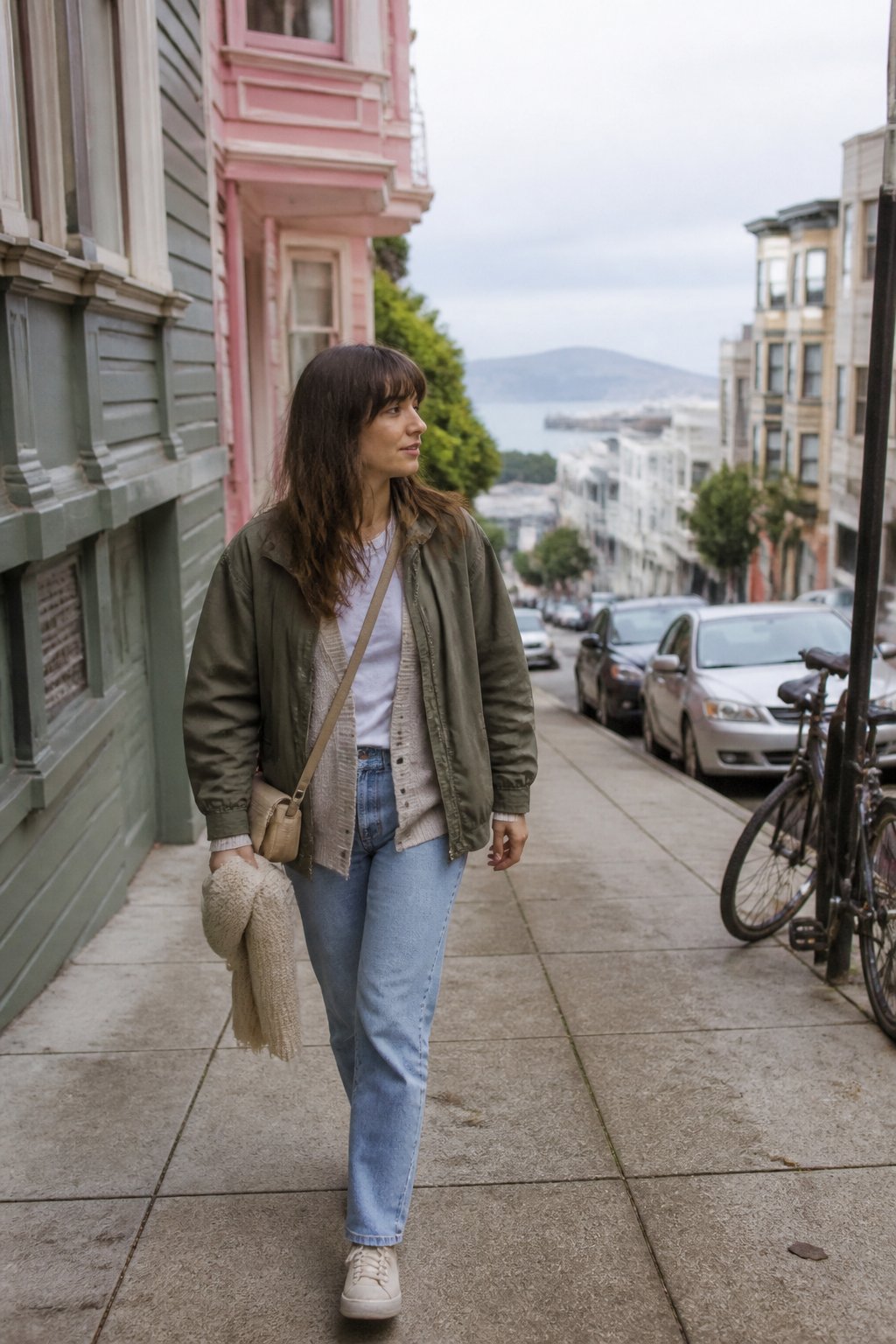
You can dress comfortably in San Francisco by choosing versatile layers that adapt to changing temperatures, fog, wind, and occasional rain. This guide will help you build practical outfits for walking, sightseeing, waterfront stops, and relaxed city evenings without overpacking.
1. Lightweight insulated jacket for cool mornings and evenings

A lightweight insulated jacket helps you handle San Francisco’s cool mornings, breezy evenings, and changing temperatures without carrying a bulky coat. Choose a packable style with a wind-resistant outer layer, light insulation, and a comfortable fit over a shirt or sweater.
Layer it over a T-shirt in summer or a thin sweater during cooler months. A hood can help during foggy, windy walks, while zippered pockets keep your phone and transit card secure. Pick a jacket that folds easily into a day bag when the afternoon warms up.
Avoid heavy winter coats unless the forecast calls for unusually cold weather. San Francisco rarely brings freezing temperatures, but exposed areas near the water can feel much colder than sunny neighborhoods inland. Choose a versatile jacket you can wear from morning coffee to an evening walk.
2. Water-resistant windbreaker for foggy, breezy weather
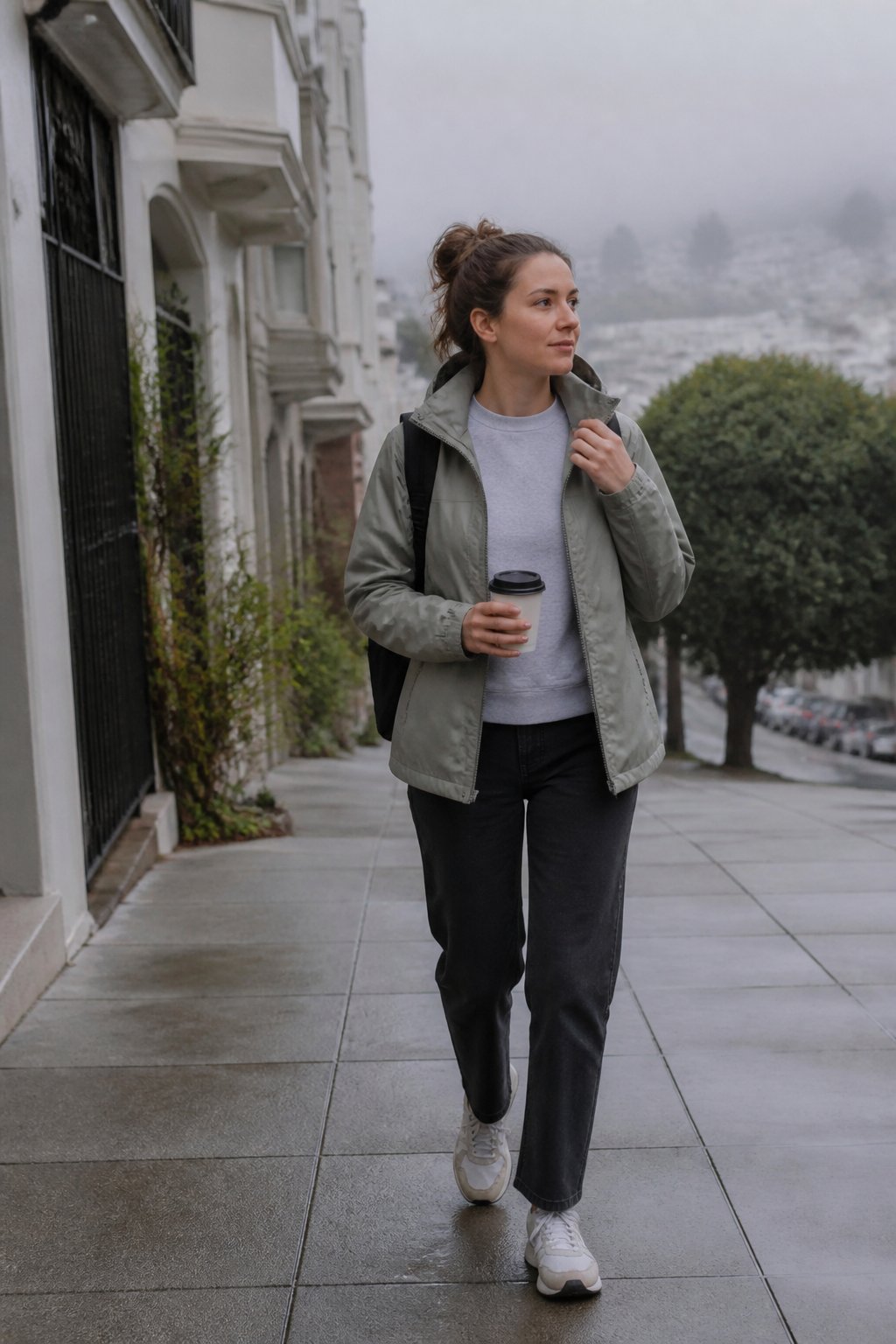
A water-resistant windbreaker gives you useful protection during San Francisco’s cool, windy days. Choose a lightweight jacket with a hood, adjustable cuffs, and breathable fabric so you can wear it over a shirt or thin sweater.
Fog can leave your clothes damp, especially near the Golden Gate Bridge, Ocean Beach, or the Embarcadero. A windbreaker helps block the chill and handles light mist, but it may not replace a fully waterproof rain jacket during heavy rain.
Pack one that folds into your day bag when the afternoon warms up. Avoid thick, insulated styles unless you plan to spend hours outside; layering gives you more control as the weather changes. Look for secure pockets for your phone and transit card, then wear your windbreaker whenever coastal wind picks up.
3. Layering-Friendly Merino Wool Sweater
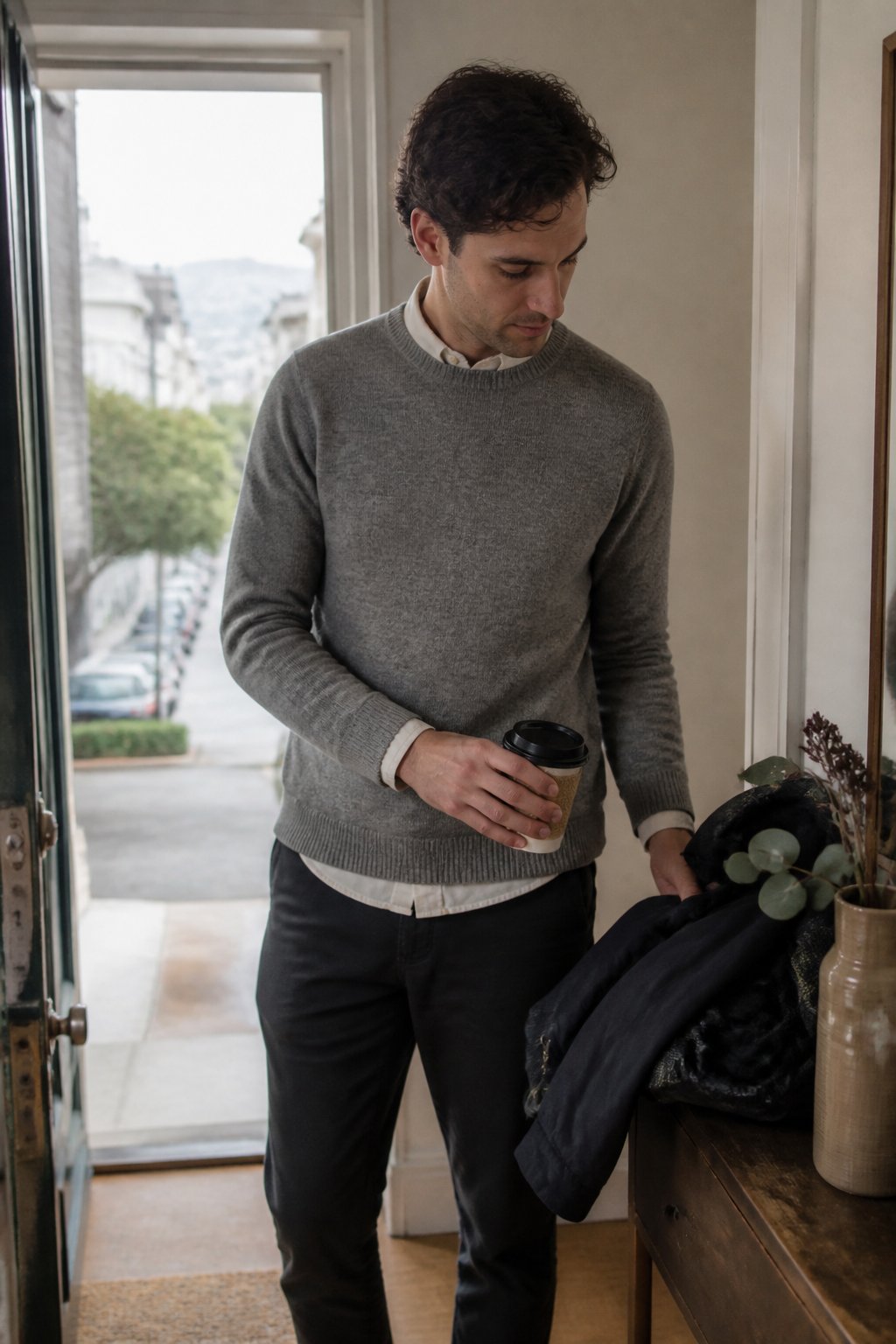
A lightweight merino wool sweater gives you warmth without adding much bulk, making it useful for San Francisco’s changing weather. Wear it over a moisture-wicking T-shirt and under a light rain jacket or windbreaker.
Choose a regular or slim fit so you can add outer layers without feeling restricted. A crew neck works well for casual outfits, while a fine-gauge V-neck suits a collared shirt or dressier trousers. Merino also manages moisture better than cotton, which helps during long walks or crowded transit rides.
Avoid wearing a thick sweater as your only warm layer. You may feel comfortable near the waterfront but too warm when the sun appears. Pack a lightweight sweater in your day bag, and choose darker colors if you expect to wear it often. Pair it with comfortable walking shoes and trousers for an easy outfit that adapts throughout the day.
4. Breathable cotton T-shirt for sunny afternoons
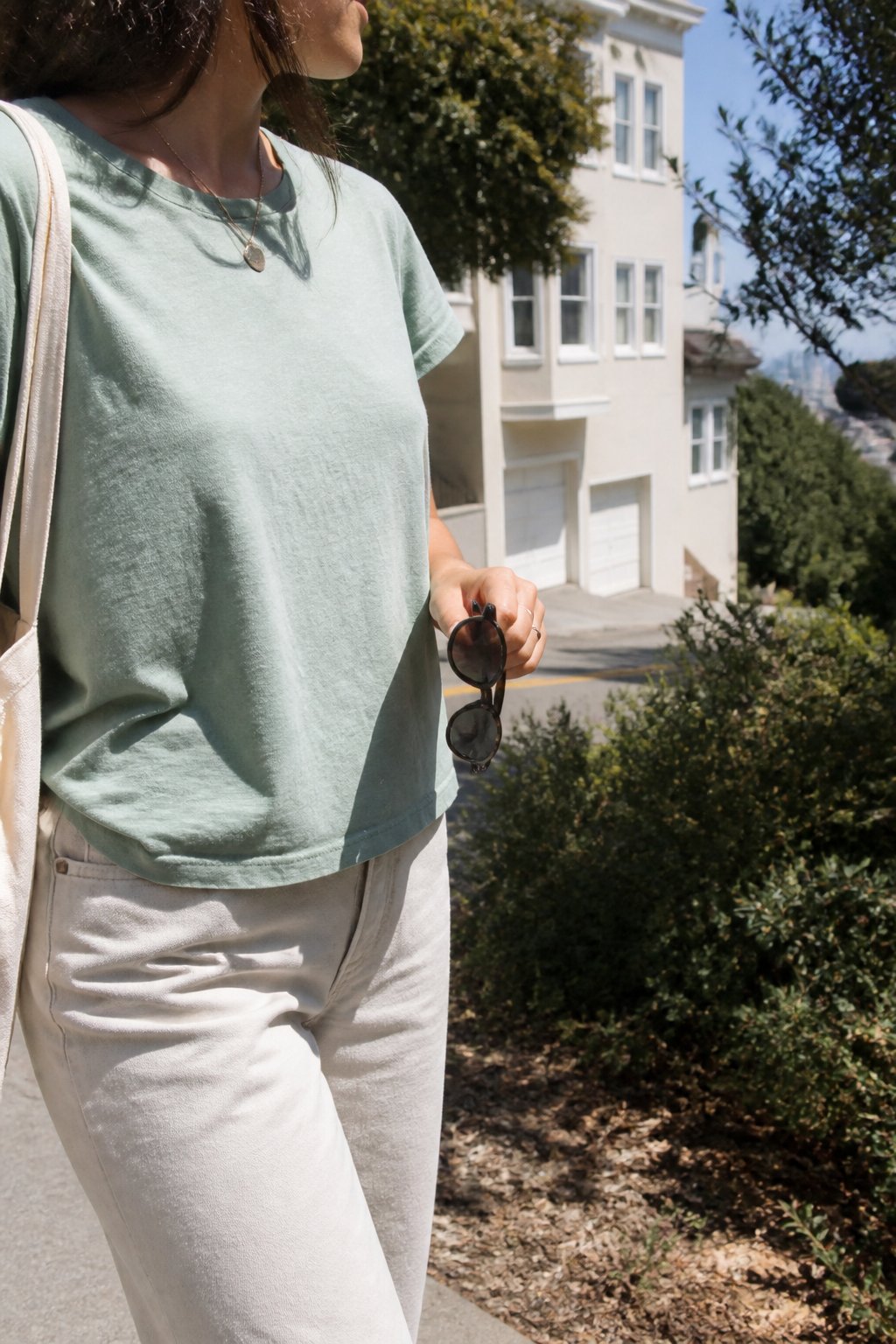
Choose a lightweight cotton T-shirt for sunny afternoons in San Francisco. Cotton allows airflow and feels comfortable when the temperature rises, while a relaxed fit keeps fabric from clinging to your skin.
Wear the shirt with chinos, jeans, or shorts, depending on your plans. A white, navy, or muted striped T-shirt works well for sightseeing and casual meals. If you expect strong sun, add a cotton overshirt, sunglasses, and a hat.
Avoid thick cotton or tight fits, which can hold heat and feel damp after walking uphill. San Francisco weather can shift quickly, so pack a light jacket for foggy mornings and breezy evenings. Choose a soft, breathable T-shirt that layers easily before you head out.
5. Dark straight-leg jeans for versatile city outfits
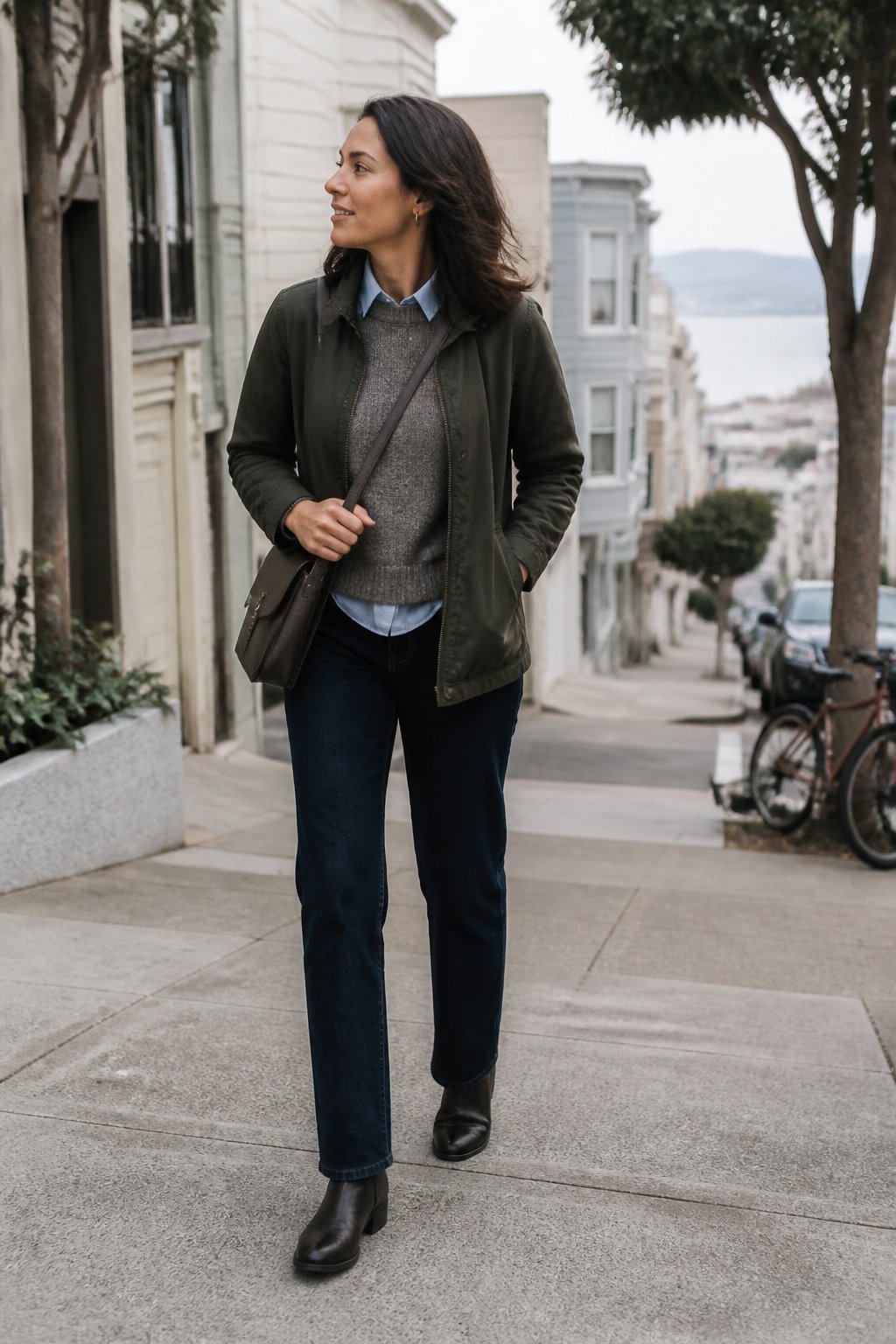
Dark straight-leg jeans give you a polished base for San Francisco’s changing plans and weather. Choose a mid- or high-rise pair with enough room to walk comfortably, then add a tucked white T-shirt, a warm overshirt, and clean sneakers for errands or waterfront walks.
For cooler mornings, layer a thin sweater under a trench coat or denim jacket. Ankle boots work well when streets are damp, while loafers create a sharper look for dinner or a creative workspace. Keep your layers easy to remove when the afternoon warms up.
Avoid jeans that stack heavily over your shoes, since excess fabric can become awkward on steep streets. A simple belt and a crossbody bag can add structure without making the outfit feel too formal. Pack a light scarf if you plan to stay out after sunset.
6. Comfortable Walking Sneakers With Good Traction
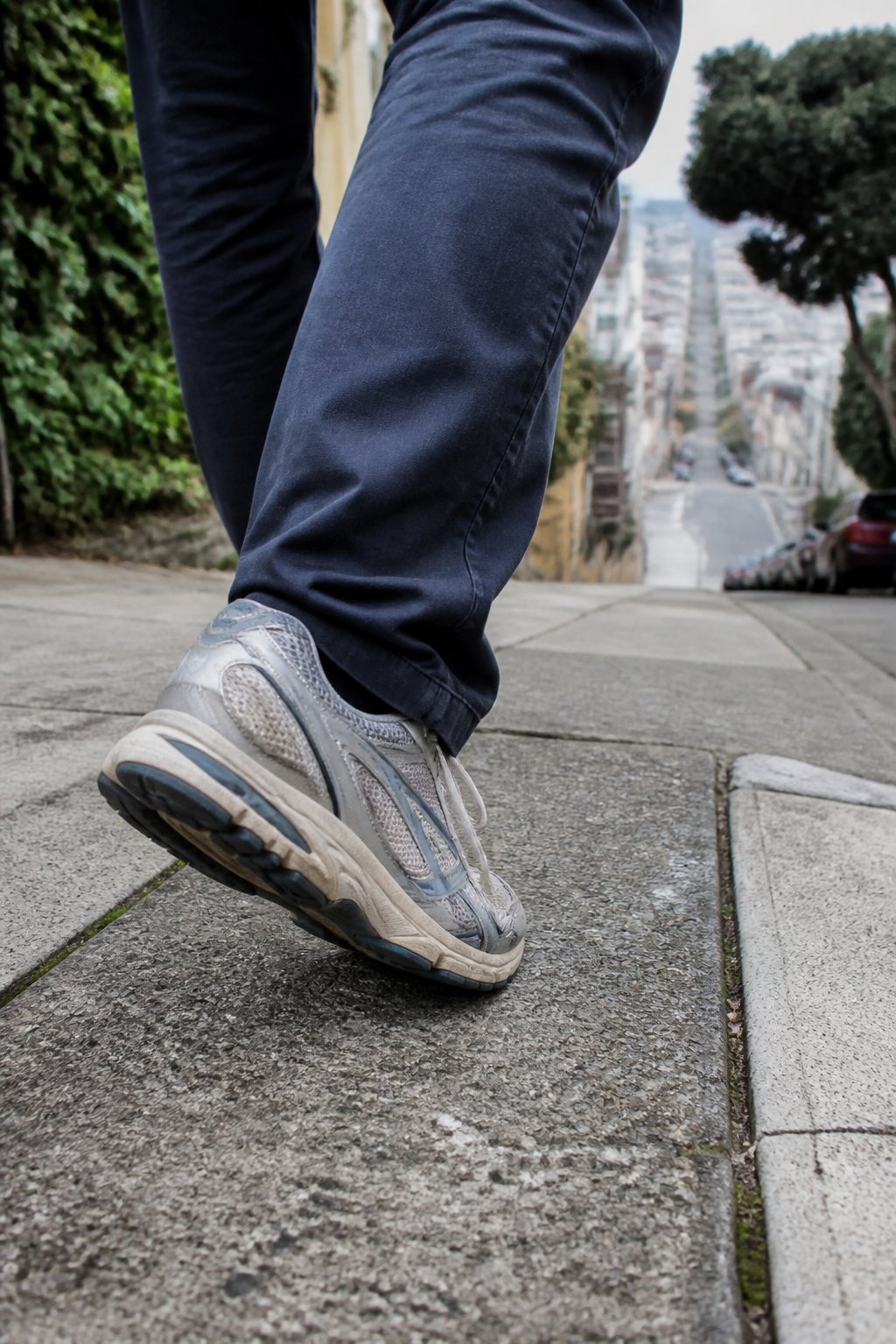
Choose walking sneakers with cushioning, firm support, and a grippy outsole for San Francisco’s hills and pavement. A breathable upper helps during long walks, while a water-resistant finish can handle light rain and fog.
Test the fit before your trip, especially if you have wide feet or plan to wear thicker socks. Your toes should have room to move, and your heel should stay secure without rubbing. Avoid smooth soles, loose slip-ons, and brand-new shoes that might cause blisters.
A lightweight hiking shoe, such as the Merrell Moab 3, can work well for steep streets and mixed routes. For city-only plans, select a supportive sneaker that bends near the toes but does not twist easily through the middle. Wear your chosen pair on several shorter walks before traveling.
7. Ankle boots for polished, weather-ready outfits

Ankle boots give you a polished base for San Francisco’s changing weather. Choose leather or treated suede with a low block heel or sturdy flat sole, then pair them with straight-leg jeans, a tucked sweater, and a light waterproof jacket.
For work, wear pointed-toe boots with ankle-length trousers and a fine-knit top. A midi skirt also works well; add opaque tights when wind moves through the city. Chelsea boots suit casual days with cropped jeans, while heeled styles add shape without sacrificing comfort.
Avoid pairing bulky boots with wide trousers that pool over the ankle. That combination can look heavy and collect rain. Instead, let a small strip of ankle show or choose trousers that rest neatly above the boot.
Pack wool socks for cooler evenings, and check the sole before walking steep streets. A grippy tread matters on wet sidewalks, especially when you move between neighborhoods.
8. Lightweight Scarf for Chilly Waterfront Areas
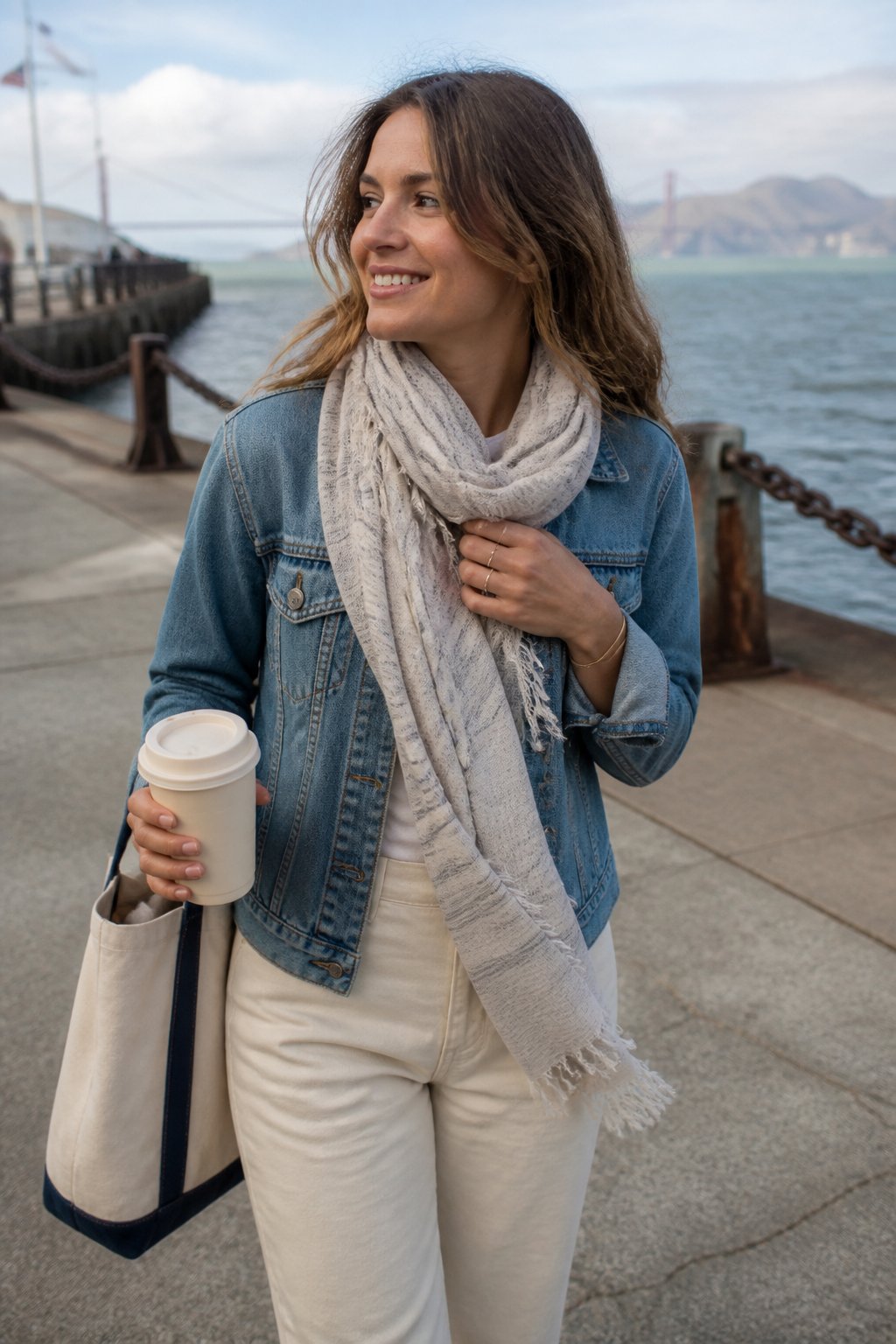
A lightweight scarf adds useful warmth near San Francisco’s waterfront, where wind can make mild weather feel colder. Choose cotton, linen, or a thin wool blend that folds easily into your bag.
Wear it loosely over a T-shirt or button-down during a morning walk along the Embarcadero. You can also wrap it around your neck after sunset without adding a bulky layer.
Avoid thick winter scarves unless you visit during a particularly cold spell. They take up space and may feel uncomfortable when the afternoon warms up. Pick a neutral color that works with your jacket, jeans, or casual dress, then keep it within reach as you explore the waterfront.
9. Packable rain jacket for occasional showers
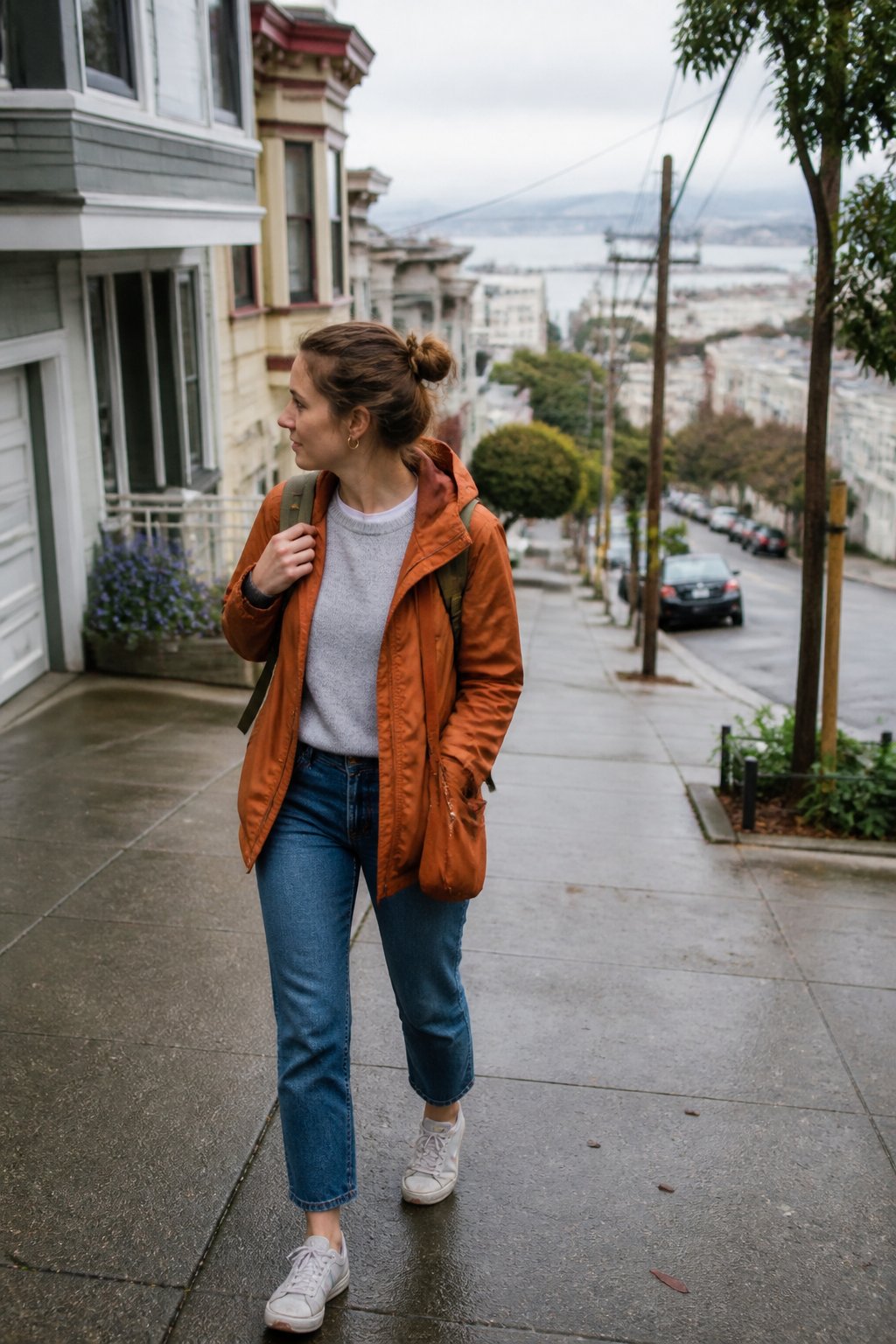
A packable rain jacket gives you practical protection when San Francisco’s weather shifts during the day. Choose a lightweight, water-resistant jacket with a hood, secure pockets, and enough room for a sweater underneath.
This layer works well for winter rain, sudden drizzle, and breezy walks near the waterfront. It should handle light showers, but do not treat a thin travel jacket like a full storm shell; heavy rain may pass through seams and zippers.
Pack it in your day bag instead of wearing it from morning to night. You can add it over a T-shirt, button-down shirt, or fleece when temperatures drop. Avoid jackets that lack ventilation, since walking uphill or using public transit can make you warm quickly.
Look for a jacket that folds into its own pocket and dries easily. Test the hood and zippers before your trip so you can use it without stopping when rain starts.
10. Relaxed button-down shirt for casual layering
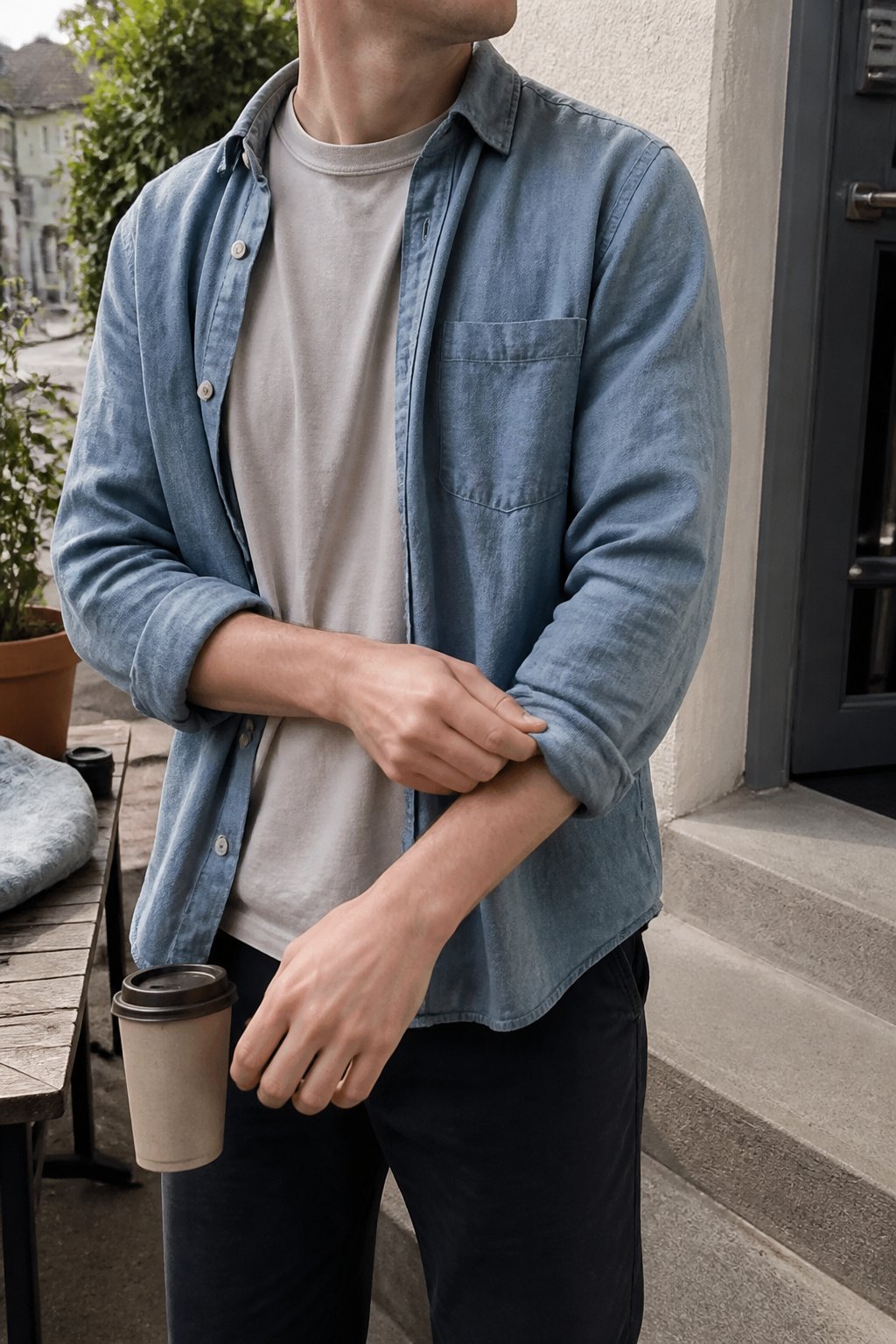
A relaxed button-down shirt gives you an easy layer for San Francisco’s changing weather. Wear a cotton or linen shirt open over a T-shirt, then add jeans, chinos, or casual shorts. Choose breathable fabric and a loose fit so you can remove the layer when the afternoon warms up.
For a simple city outfit, try a white T-shirt, straight-leg jeans, sneakers, and an olive or blue button-down. Roll the sleeves and leave the shirt untucked for a casual look. You can also tie it at the waist during sunny walks, then put it back on when the wind picks up.
Avoid heavy fabrics that feel bulky under a jacket. Pack the shirt in your day bag for trips through neighborhoods such as the Mission or North Beach, where temperatures can shift quickly. Choose a layer you can wear comfortably from morning coffee to an evening meal.
11. Warm beanie for colder winter days
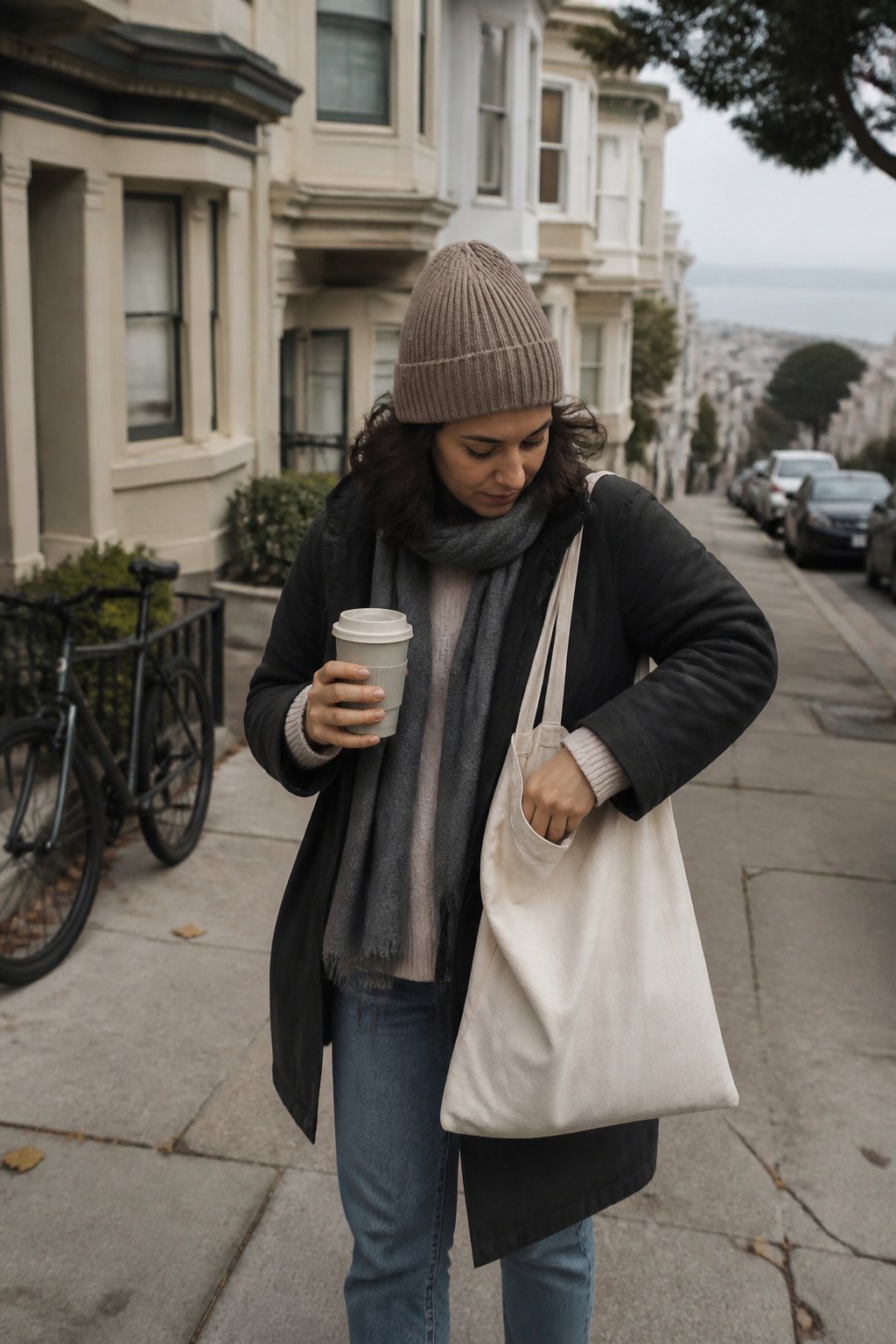
A warm beanie can make chilly San Francisco walks more comfortable, especially near the waterfront, Golden Gate Park, or Twin Peaks. Choose a soft wool or fleece-lined style that covers your ears without feeling tight.
Winter temperatures rarely reach freezing, but wind, fog, and damp weather can make the air feel colder. Wear your beanie with a light sweater, water-resistant jacket, and comfortable walking shoes. A neutral color, such as black, gray, or navy, pairs easily with most outfits.
Avoid packing only a thick winter hat. You may feel too warm during sunny afternoons, so choose a breathable beanie that fits into a coat pocket or small bag. For rainy days, wear it under a hood to help keep your head warm and dry.
Pack one before you leave, especially if you plan to spend long periods outdoors.
12. Sunglasses for bright, fog-free afternoons
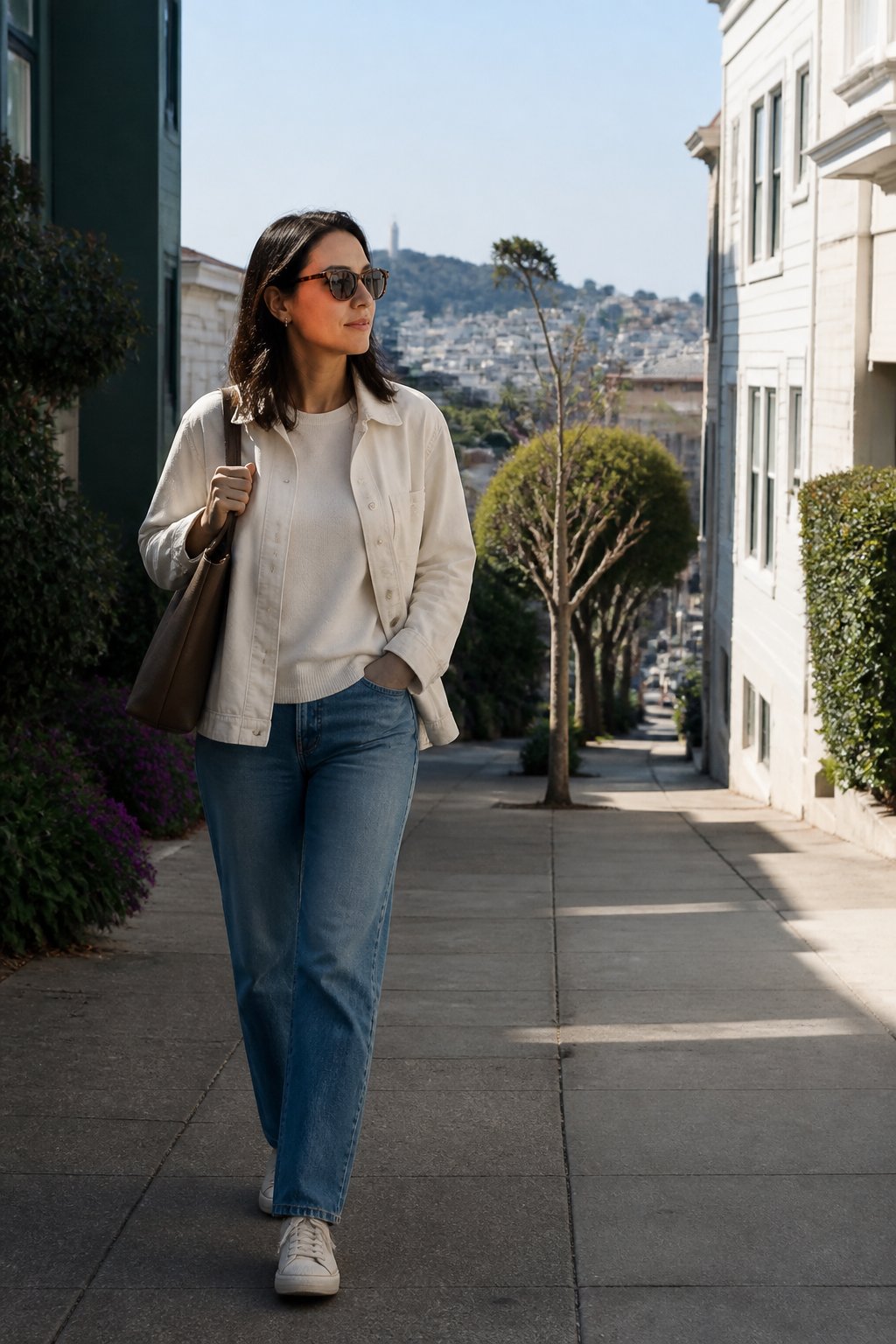
Bright San Francisco afternoons can catch you off guard, especially near the Embarcadero, Mission, or SoMa. Pack sunglasses with polarized lenses to reduce glare from water, pavement, and glass buildings.
Choose a medium or dark lens that blocks 100% of UVA and UVB rays. Gray lenses keep colors natural, while brown lenses can add contrast on bright streets. Look for a secure fit if you plan to walk up steep hills or ride a cable car.
Do not rely on sunglasses alone during foggy mornings. Keep them in a small case, then put them on when the sky clears. A common mistake is packing only fashion frames with limited UV protection; check the label before you buy. A durable pair makes sunny walks more comfortable without taking up much space.
San Francisco’s Microclimates and Seasonal Conditions
San Francisco can shift from sunny and mild to cool, windy, or foggy within a short trip across town. Pack light layers, a wind-resistant outer layer, and shoes that handle hills and occasional rain.
How Fog, Wind, and Sun Vary by Neighborhood
Your neighborhood plans should guide your clothing choices. The Mission District, SoMa, and the East Cut often feel warmer and sunnier, while the Outer Sunset, Outer Richmond, and Ocean Beach can stay cool, foggy, and windy. Pacific Heights and Twin Peaks may also feel breezy because of their elevation and exposed streets.
Morning fog can linger near the coast, then clear by afternoon. However, the temperature may drop quickly after sunset, even during summer. A common mistake involves leaving your jacket at the hotel after seeing sunshine downtown. Carry a packable sweater or fleece, plus a light windbreaker, so you can adjust without changing outfits.
Wear breathable layers rather than one heavy coat. Choose comfortable shoes with good grip for steep sidewalks, and consider sunglasses because bright sun can appear soon after the fog lifts.
Seasonal Temperature Patterns and Rainy Months
San Francisco has mild temperatures throughout the year, but its seasons do not match the usual California pattern. Summer is often cool near the coast, with daytime temperatures commonly in the 60s Fahrenheit and chilly evenings. September and October frequently bring warmer, clearer days, especially inland.
Winter usually brings the most rain, mainly from December through March. Temperatures often remain moderate, but wet streets, wind, and damp evenings make a water-resistant jacket useful. Spring can feel cool and breezy, while late spring and early summer often bring morning fog.
| Season | Useful clothing |
|---|---|
| Summer | Sweater, light jacket, long pants |
| Fall | Layers, light coat, comfortable shoes |
| Winter | Waterproof shell, warm layer, compact umbrella |
| Spring | Windbreaker, sweater, quick-drying layers |
Check the forecast for each day and pack for both sun and chill, especially if you plan to cross several neighborhoods.
Practical Layering and Comfort Considerations
San Francisco’s cool mornings, mild afternoons, wind, and fog make flexible clothing more useful than heavy seasonal outfits. Pack light layers and supportive shoes so you can adjust your comfort while walking, riding transit, or spending time outdoors.
Preparing for Temperature Changes Throughout the Day
Start with a breathable base layer, such as a cotton T-shirt, merino wool top, or lightweight long-sleeve shirt. Add a sweater, fleece, or overshirt for cooler streets, then carry a wind-resistant jacket for breezy evenings and exposed areas near the bay.
A compact scarf can protect your neck without taking much space in your bag. Choose layers that you can remove easily rather than one thick coat. Even summer visitors often need a jacket after sunset, especially in neighborhoods affected by fog.
A useful daily combination includes:
- T-shirt or thin long-sleeve top
- Lightweight sweater or overshirt
- Packable jacket
- Jeans, trousers, or another midweight bottom
Avoid relying on shorts and sandals alone. Warm sunshine can feel misleading when the wind rises, and weather can differ between sunny inland areas and cooler waterfront streets.
Choosing Footwear for Hills, Walking, and Transit
Choose shoes with firm soles, strong grip, and reliable cushioning. Supportive sneakers, walking shoes, or comfortable flats work well for steep sidewalks, long distances, and frequent stops on buses, trains, and cable cars.
Break in your shoes before the trip. New footwear can cause blisters quickly when you combine hills with several miles of walking. Wear moisture-wicking socks and bring a spare pair if you expect a full day outdoors.
Leave delicate heels and smooth-soled shoes for short evening plans. San Francisco’s slopes, uneven pavement, and occasional wet surfaces make them uncomfortable and less stable. If you prefer boots, select low-heeled styles with rubber soles and enough room for thicker socks. Your best travel shoes should let you walk from a neighborhood café to a transit stop without needing a change.
About the Author — Lena Harper
Lena Harper is a fashion writer and content strategist at Fashion Pops, known for creating thoughtful, trend-aware articles that feel both stylish and relatable. With a strong background in fashion journalism, she specializes in turning seasonal trends, outfit ideas, and styling concepts into easy-to-follow inspiration for modern women.
Her writing focuses on practicality without losing creativity — helping readers build outfits that feel current, wearable, and confident. When she’s not working on new articles, Lena enjoys exploring street style trends, discovering unique fashion finds, and curating inspiration boards that shape upcoming content at Fashion Pops.