12 Things Hair Toner Actually Does to Brassy Hair: Benefits, Tips & Truths ✨💜
If your blonde, balayage, or highlighted hair has started looking orange, yellow, or warmer than you wanted, hair toner may be the solution you have been hearing about. But what does toner actually do to brassy hair, and how does it change your color? Toner works by depositing color pigments that help neutralize unwanted warm tones, creating a more balanced and polished shade. It does not usually lighten your hair like bleach, and the results are temporary because toner gradually fades with washing. Here are 12 things toner can actually do for brassy hair, along with simple tips to help you understand and maintain your color.
1. Toner Neutralizes Unwanted Brassy Tones
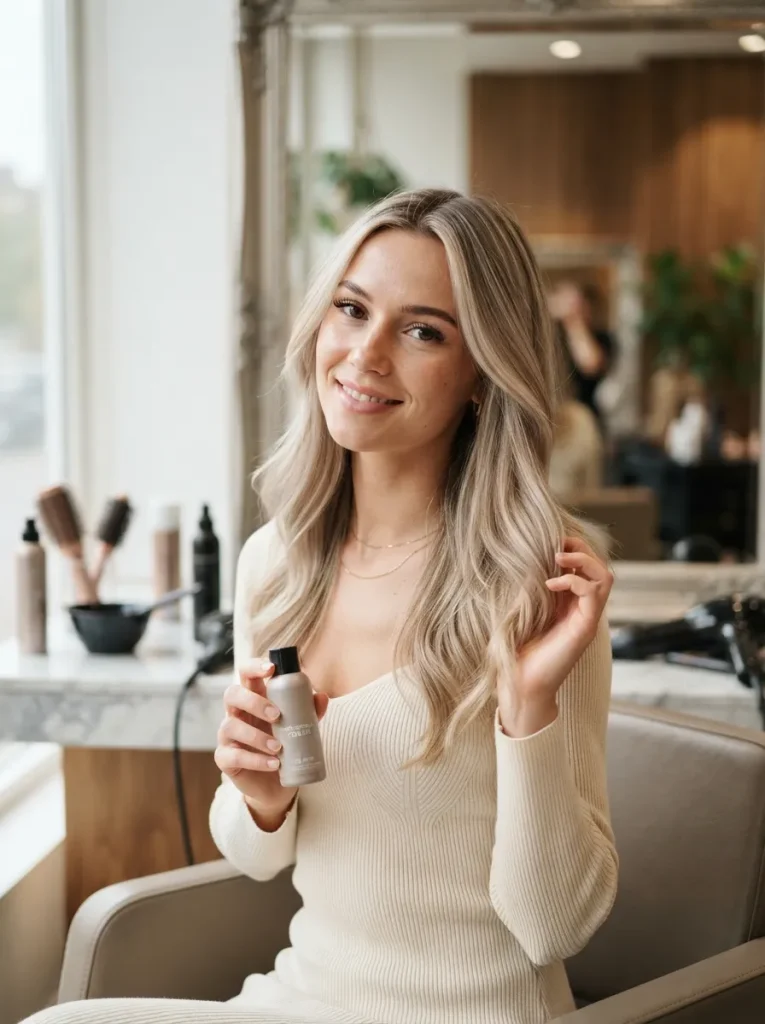
The biggest job of toner is to neutralize unwanted warmth that appears in blonde, highlighted, or lightened hair. Depending on the undertone, a toner may use violet, blue, or other pigments to visually balance yellow, orange, or coppery tones. This can make the hair look cooler, cleaner, and more refined without completely changing your base color. Toner is especially useful after lightening because warm pigments often become more visible as the natural color is lifted. The result can make freshly colored hair look much closer to the shade you originally wanted.
2. It Can Make Blonde Hair Look Cooler
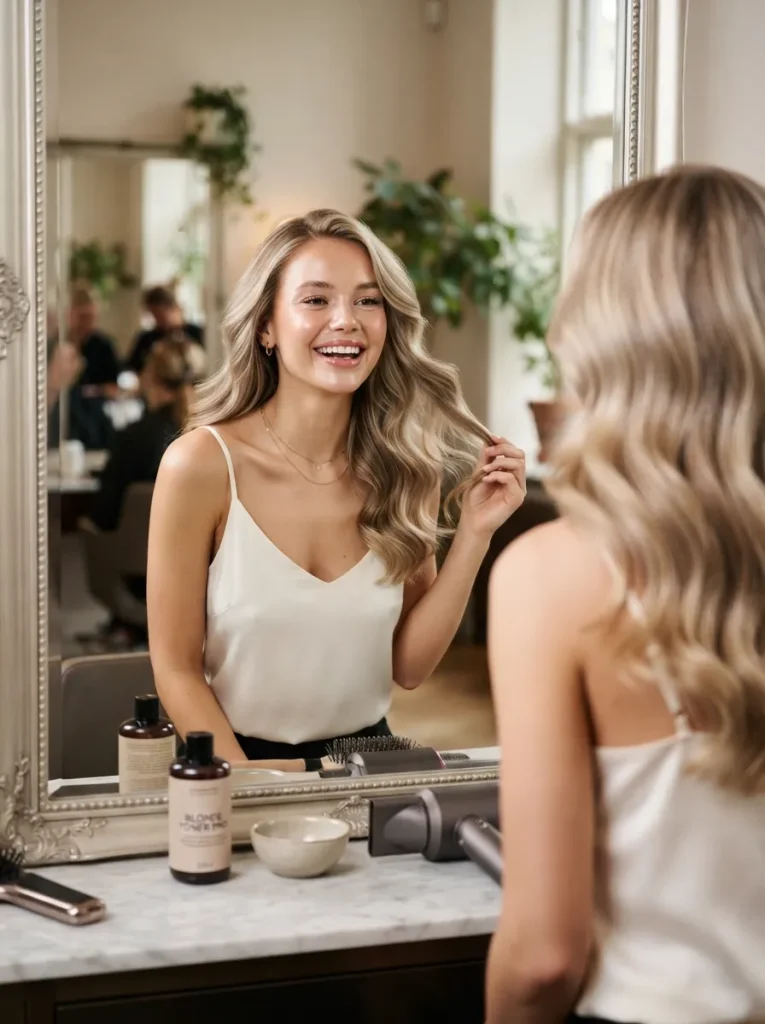
If your blonde has become warmer than you prefer, toner can help shift its appearance toward a cooler shade. A carefully selected formula can reduce visible yellow, orange, or golden warmth depending on the underlying tone. This can make blonde hair appear more neutral, beige, ash, or icy without necessarily making the hair lighter. The final effect depends on your starting color and the specific toner used. A professional colorist can choose a formula based on the undertones actually present in your hair.
3. Toner Can Reduce Orange Hair
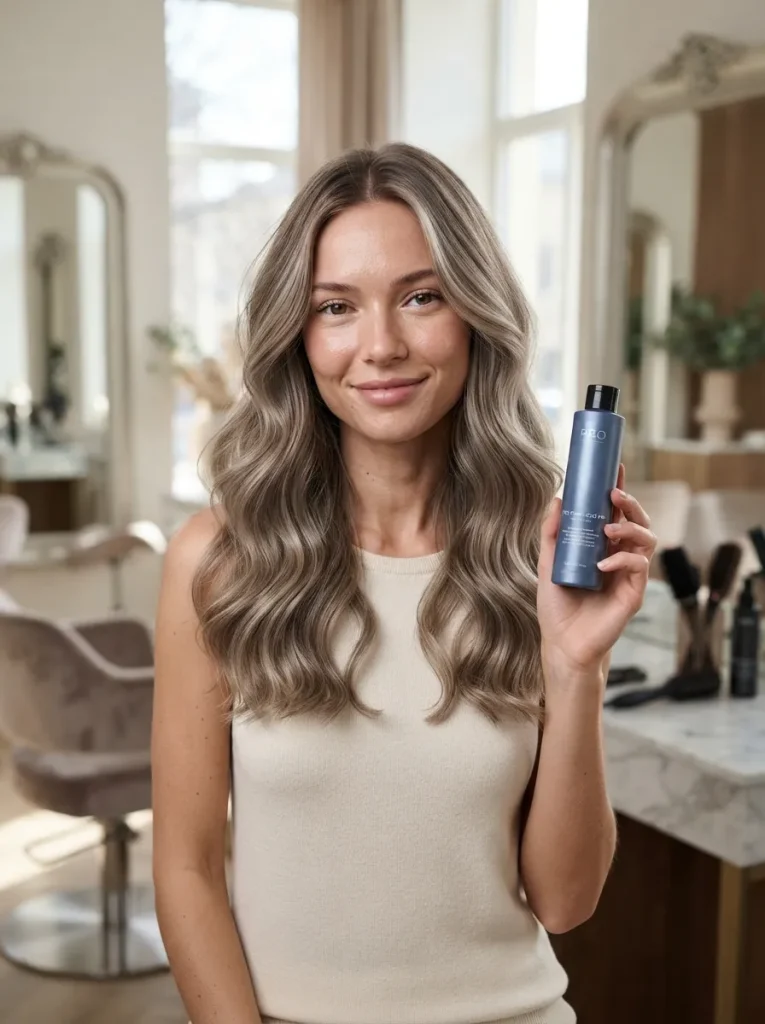
Orange or coppery warmth can be particularly noticeable in darker blonde and highlighted hair. A toner with appropriate blue-based pigments can help visually neutralize some of those orange tones. This can make the color appear more balanced instead of overly warm or coppery. However, toner cannot always completely remove strong unwanted warmth, especially when the hair has not been lightened enough for the desired shade. Sometimes additional professional lightening or color correction is necessary before the final tone can be achieved.
4. It Can Tone Down Yellow Blonde Hair
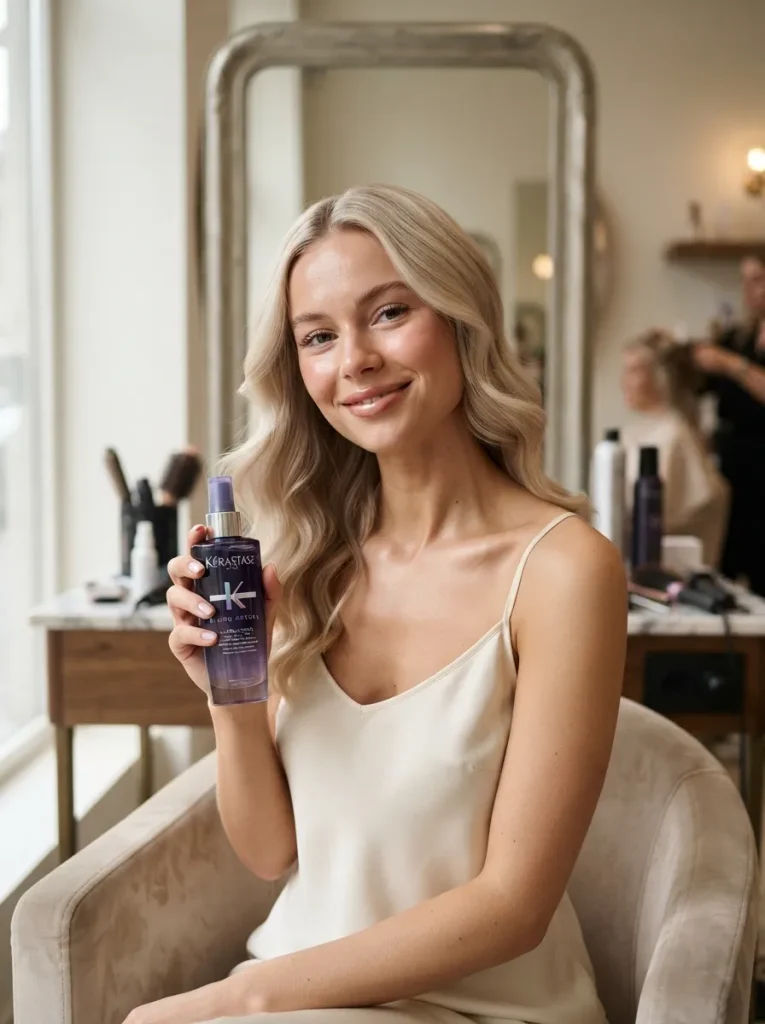
Not all brassiness is orange, and yellow warmth requires a different tonal approach. Violet or purple-based toners are commonly used to visually balance excessive yellow in lighter blonde hair. When the correct tone is selected, the result can look softer, cleaner, and more neutral. This is one reason professional colorists consider the underlying pigment before choosing a toner. Using the wrong color family can produce a result that does not match your desired blonde.
5. Toner Does Not Usually Lighten Hair

One common misconception is that toner makes hair lighter, but toner and bleach serve very different purposes. Lightening products remove or alter pigment so the hair can reach a lighter level, while toner mainly adjusts the visible tone of hair that has already been lightened. Toner can make blonde hair appear brighter or cleaner because unwanted warmth has been reduced. However, it cannot turn significantly dark or orange hair into a pale blonde by itself. Understanding this difference can help you avoid expecting a toner to perform the job of a lightener.
6. It Can Make Highlights Look More Blended
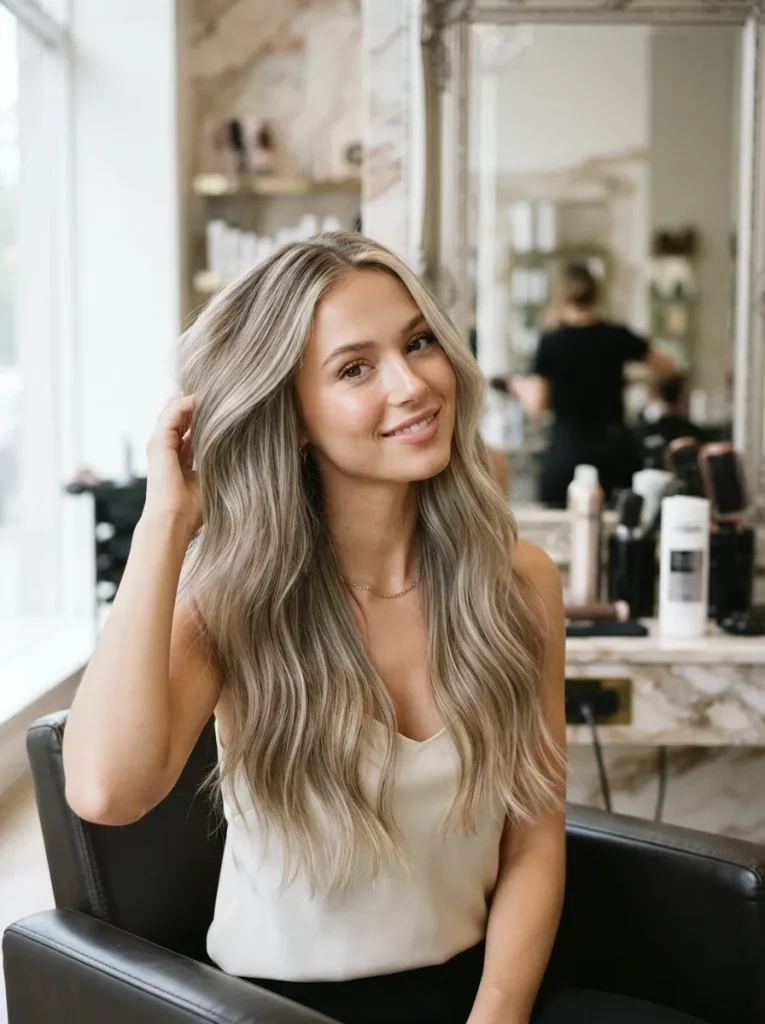
Fresh highlights can sometimes look overly warm or slightly disconnected from the rest of the hair as the color begins to fade. Toner can help refine the tone so highlighted sections blend more naturally with the surrounding hair. This is particularly useful for balayage, dimensional blondes, and multi-tonal highlights where several shades need to work together. A well-chosen toner can soften harsh-looking warmth without removing the dimension that makes highlights attractive. The finished color can therefore look smoother, more cohesive, and salon-fresh.
7. Toner Can Give Hair a More Glossy-Looking Finish
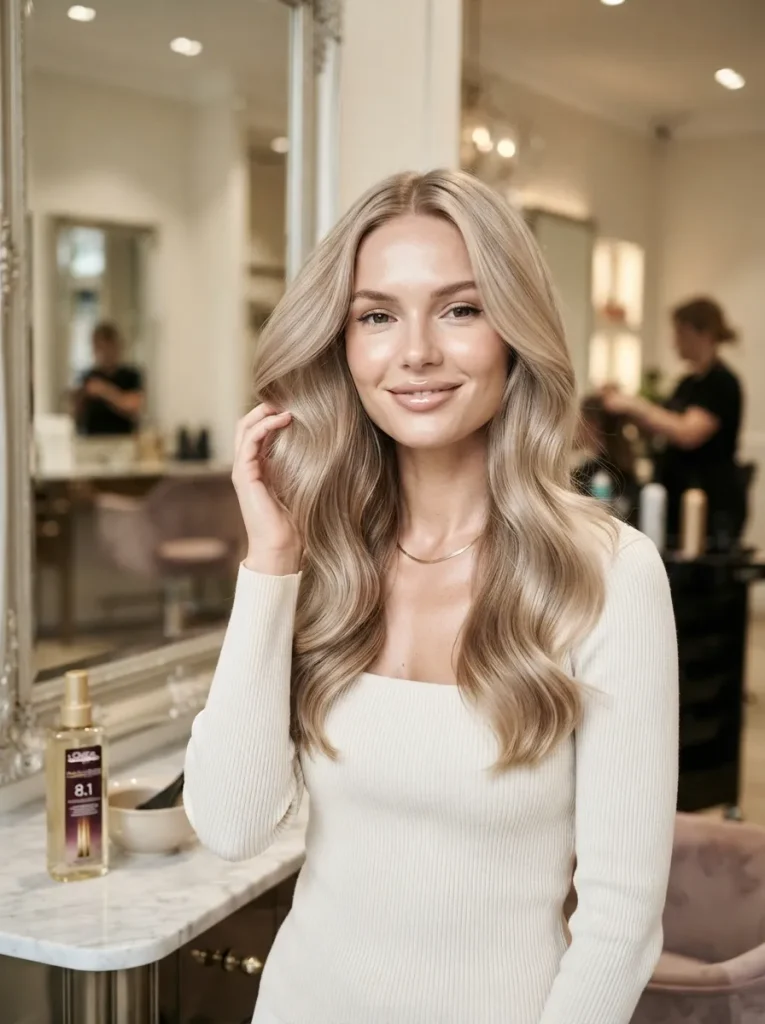
A freshly toned color often looks more polished because the unwanted warmth has been refined and the overall shade appears more balanced. Many professional toning services also leave the hair looking smooth and glossy, depending on the specific formula and service used. However, shine itself is not proof that the toner has repaired damaged hair. Colored and lightened hair still needs proper conditioning and protection to maintain a healthy-looking appearance. Combining tonal maintenance with moisturizing care can help your blonde look both beautiful and polished.
8. The Results Are Temporary
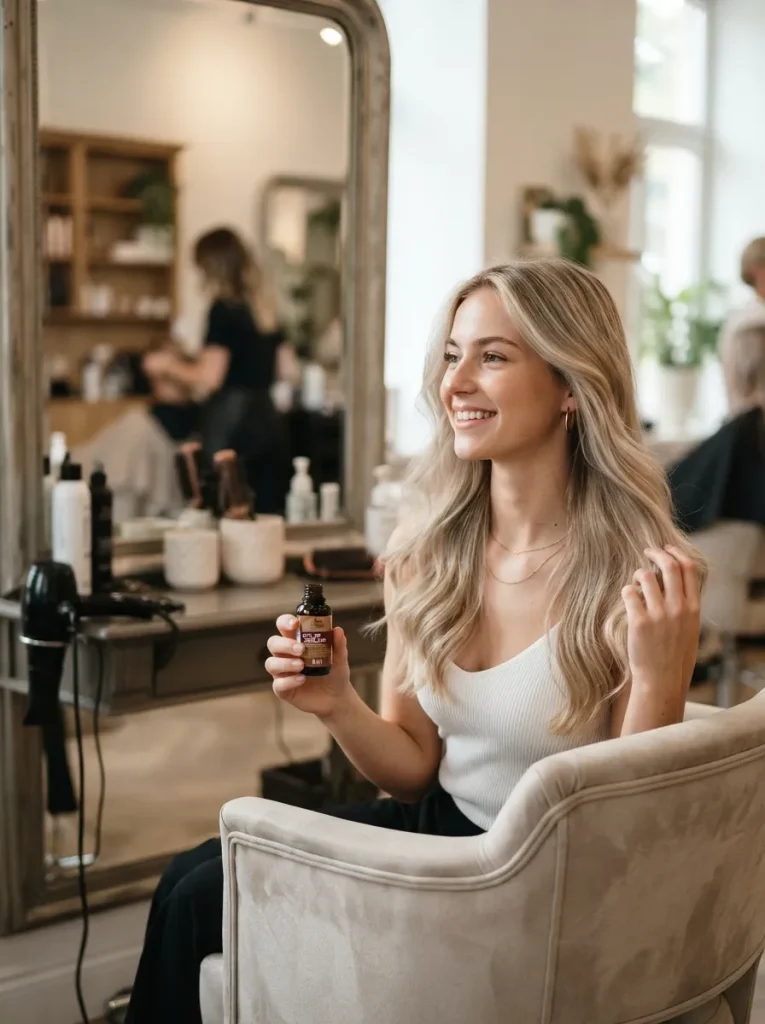
Toner is not a permanent solution because the deposited pigments gradually fade as you wash and style your hair. How long the effect lasts can depend on the toner formula, hair porosity, shampoo habits, heat exposure, and how often you wash your hair. As the toner fades, some of the underlying warmth may become visible again. This does not necessarily mean the color treatment failed; it is simply part of how tonal maintenance works. Regular color-safe care can help you keep the desired tone looking fresh for longer.
9. It Can Help Maintain Salon Color Between Appointments
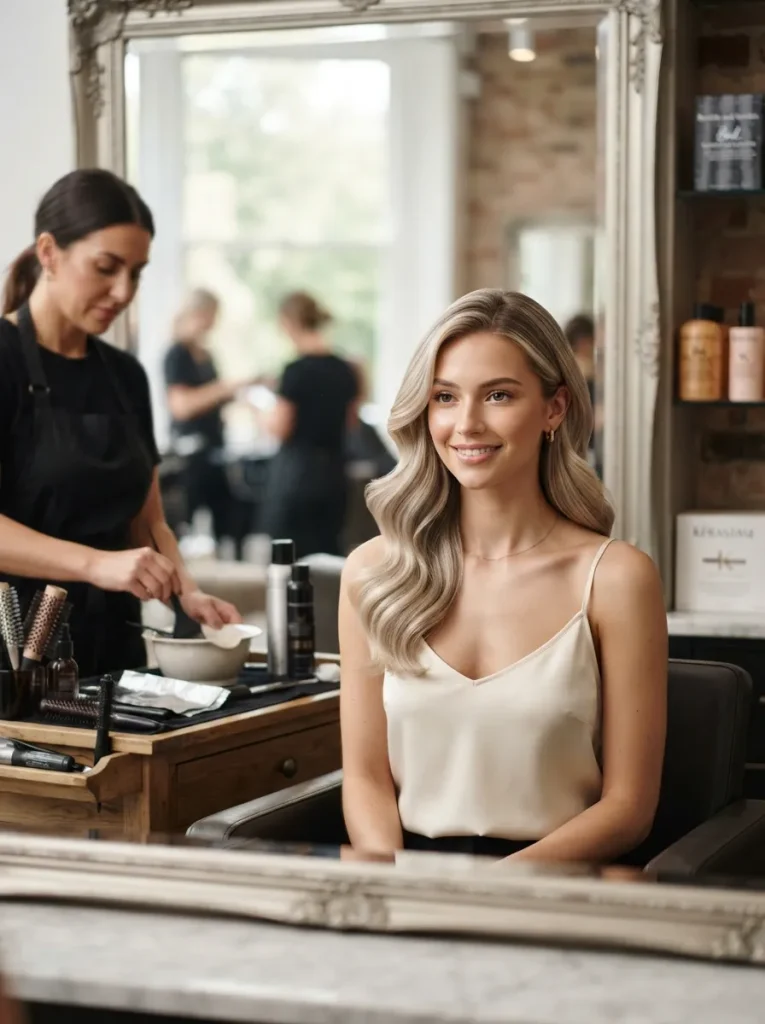
Toner can be an important part of maintaining a specific blonde shade after a professional color service. As your original toner fades, the underlying warm tones may become more noticeable, making the color look different from when you first left the salon. A new toning service can refresh the overall appearance without necessarily requiring another full lightening process. This can be especially helpful for people who want to maintain beige, ash, cool, or neutral blonde tones. Your stylist can determine when another toner is appropriate based on your current color and hair condition.
10. The Right Toner Depends on Your Hair’s Undertone
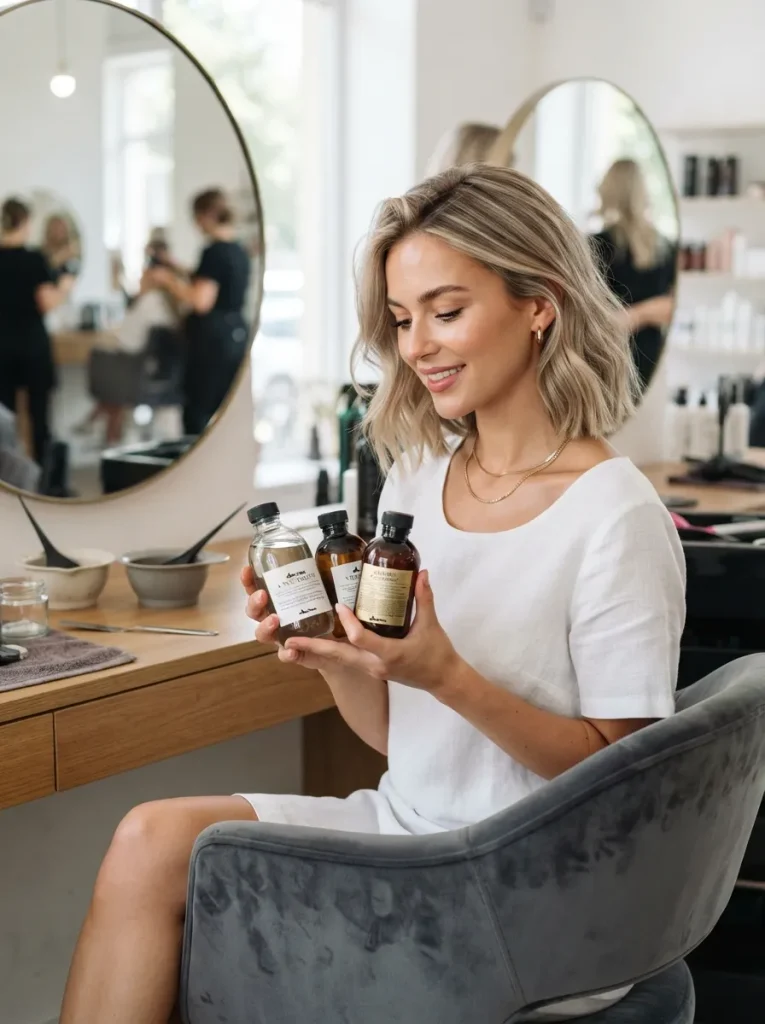
Choosing a toner is not simply about picking the shade that looks prettiest on the bottle. The right formula depends on the underlying pigment visible in your hair and the final color you want to achieve. Violet-based products can be useful for yellow tones, while blue-based formulas are commonly used for orange warmth, although professional formulations can be more nuanced. Hair porosity also affects how strongly a color may deposit. This is why professional color analysis can make such a difference when you are trying to correct stubborn brassiness.
11. Over-Toning Can Change the Look of Blonde Hair
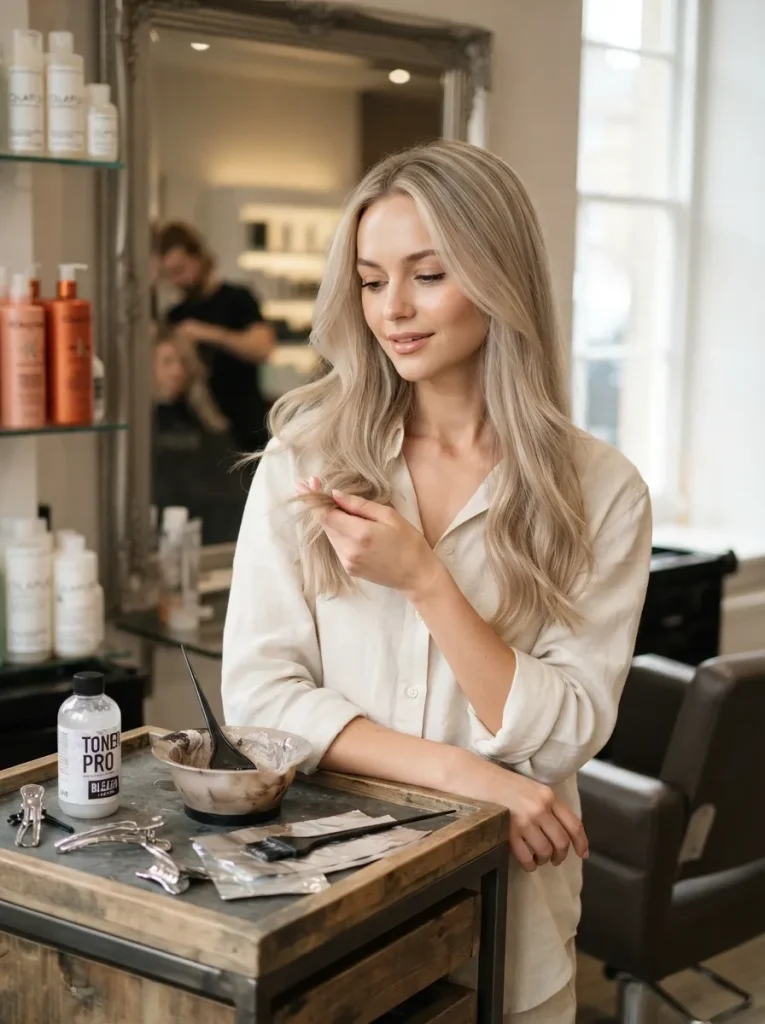
More toner is not always better, especially when hair is highly porous or already quite light. Excessive pigment can sometimes make blonde hair appear overly cool, grayish, dull, or noticeably different from the intended shade. This is one reason following the recommended processing time and professional instructions matters. Hair does not necessarily need toner every time it looks slightly warmer. A colorist can help determine whether your hair actually needs another toning service or simply routine maintenance.
12. Toner Works Best as Part of a Blonde Maintenance Routine
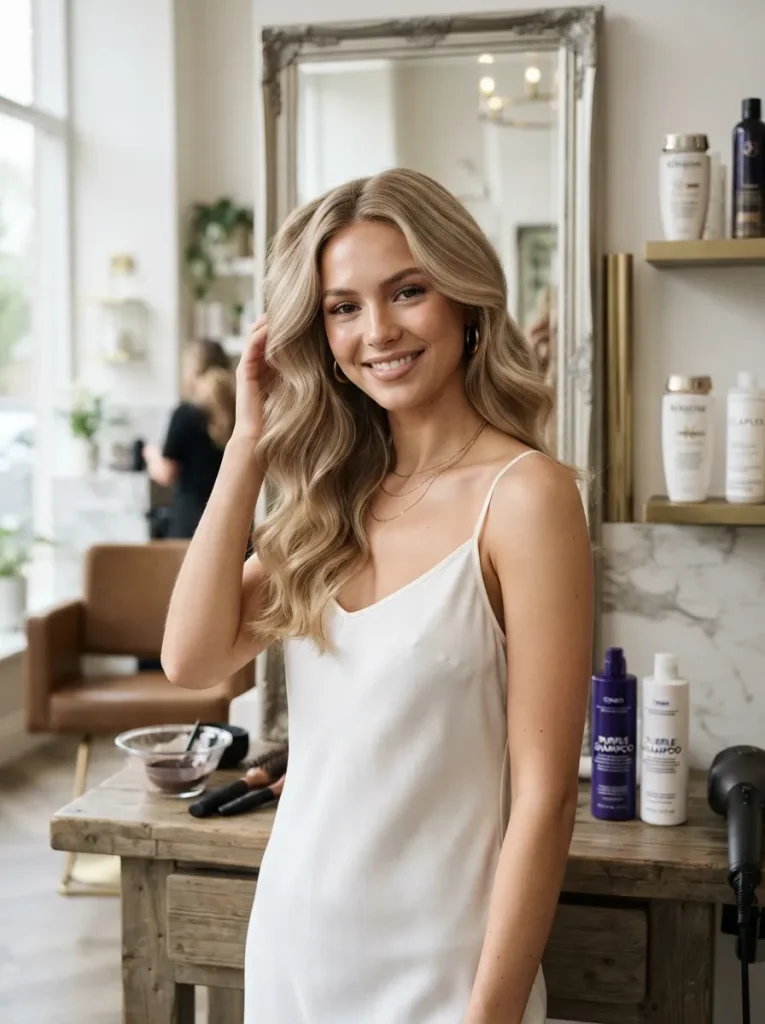
The best way to think about toner is as one part of an overall blonde maintenance routine rather than a one-time miracle fix. Proper shampoo, conditioner, heat protection, regular trims, and protection from excessive environmental damage can all help your color stay attractive. Color-safe products may also help reduce unnecessary fading between salon visits. If brassiness returns quickly, it can be useful to discuss the issue with your stylist rather than repeatedly applying toner without understanding the cause. With the right routine, toner can help your blonde remain balanced, fresh, and beautifully polished.
Conclusion
Hair toner can be a simple but powerful way to refresh blonde and highlighted hair when unwanted warmth starts taking over. It can help neutralize yellow, orange, or coppery tones and make your color look cooler, more balanced, and polished. Remember that toner does not usually lighten hair and its results are temporary, so it works best as part of an ongoing color-maintenance routine. Choosing the right toner for your specific undertone is also important to avoid over-toning or getting a shade you did not expect. Save this guide for your next salon visit so you know exactly what toner does to brassy hair before refreshing your blonde. ✨💜
About the Author — Lena Harper
Lena Harper is a fashion writer and content strategist at Fashion Pops, known for creating thoughtful, trend-aware articles that feel both stylish and relatable. With a strong background in fashion journalism, she specializes in turning seasonal trends, outfit ideas, and styling concepts into easy-to-follow inspiration for modern women.
Her writing focuses on practicality without losing creativity — helping readers build outfits that feel current, wearable, and confident. When she’s not working on new articles, Lena enjoys exploring street style trends, discovering unique fashion finds, and curating inspiration boards that shape upcoming content at Fashion Pops.