12 Things Protein Treatment Actually Does to Curly Hair: Benefits, Tips & Truths 🌀✨
If your curls feel weak, limp, frizzy, or difficult to manage, you may be wondering what protein treatment does to curly hair and whether your strands actually need one. Protein treatments can temporarily strengthen weakened hair, improve the appearance of curl definition, and help damaged curls feel more resilient. They can be especially useful for hair affected by heat styling, coloring, bleaching, or frequent manipulation. However, too much protein can sometimes make curls feel stiff or dry, so finding the right balance is important. Here are 12 things protein treatment can actually do for curly hair, along with practical tips to help you get the best results.
1. Protein Treatment Can Strengthen Weak Curly Hair

Curly hair can be more vulnerable to breakage because the natural bends in each strand create areas that can become weaker over time. A protein treatment may temporarily reinforce weakened strands and make them feel stronger and more resilient. This can be especially helpful if your curls have been exposed to heat, coloring, bleaching, or frequent styling. Stronger-feeling strands may also handle detangling and everyday manipulation better. While protein cannot permanently repair severely damaged hair, it can improve the temporary feel, structure, and manageability of compromised curls.
2. It Can Help Damaged Curls Feel More Resilient

Damaged curls often feel weak, rough, overly soft, or fragile after repeated heat and chemical treatments. Protein can temporarily support weakened areas of the hair fiber, helping strands feel more substantial and resilient during styling. This may make curls seem less delicate when they are being detangled or shaped. The effect is temporary rather than a permanent repair of the hair structure. For curls that genuinely need additional structural support, an appropriate protein treatment can be a useful part of a balanced routine.
3. Protein May Improve Curl Definition
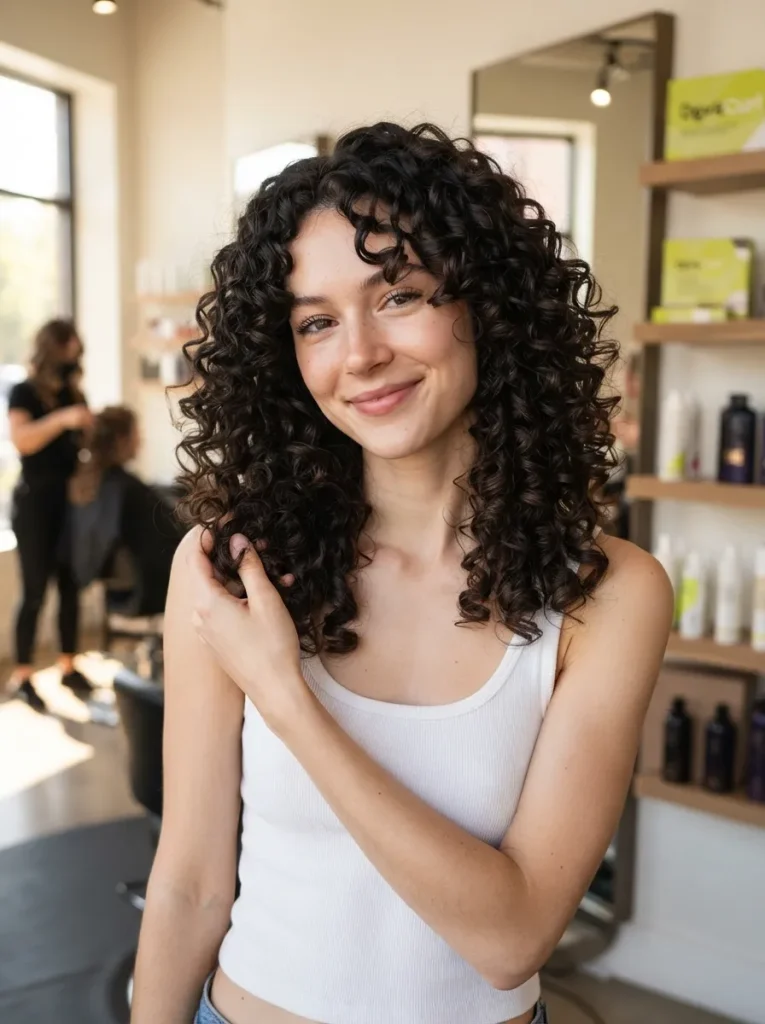
When curly hair becomes weakened or damaged, its natural pattern can sometimes appear stretched, limp, or less organized. A protein treatment may help strands feel more structured, which can make existing curls appear springier and more defined. This does not create a new curl pattern, but stronger-feeling strands may display their natural texture more clearly. The effect can be particularly noticeable when damage has caused curls to lose some of their bounce. Pairing protein with suitable moisturizing and styling products can help maintain soft, defined curls.
4. It May Reduce the Feeling of Hair Weakness

If your curls feel unusually fragile during washing, detangling, or styling, they may benefit from additional strengthening support. Protein treatments can temporarily improve the feel of weakened strands and make them seem more resilient during everyday handling. This can be useful for curls that have experienced bleaching, coloring, heat, or repeated mechanical stress. Stronger-feeling hair may feel less delicate and easier to style without excessive manipulation. However, continued breakage can have several causes, so protein should not be considered a guaranteed solution for every hair problem.
5. Protein Can Support Curls After Heat Damage

Frequent use of flat irons, curling irons, and high-heat blow-drying can weaken curly hair over time. A protein treatment may temporarily provide additional structural support to strands that have become compromised from heat exposure. This can make the hair feel stronger and sometimes help curls appear more resilient after styling damage. However, protein cannot completely reverse severe heat damage or restore strands that have already broken away. Using heat protection and giving your curls regular breaks from hot tools remains essential.
6. It Can Make Overly Soft Curls Feel More Structured

Some curls become extremely soft, limp, or stretchy and struggle to maintain their natural shape. Protein can provide temporary structural support that may help these strands feel firmer and more springy. The goal is not to make curls hard or stiff but to give weakened hair enough support to behave more naturally. This can be particularly helpful when excessive softness is connected with damage or repeated chemical processing. If your curls are already dry or brittle, however, adding more protein may not be the right choice.
7. Protein May Improve the Appearance of Damage-Related Frizz

Frizz can come from humidity, dryness, natural curl texture, friction, and damage, making it difficult to identify one single cause. When damaged strands become rough and uneven, they can contribute to a more frizzy appearance. Protein may temporarily improve the feel and surface appearance of weakened hair, which can make certain types of damage-related frizz less noticeable. It will not eliminate natural frizz completely because some texture and flyaways are normal for curly hair. Combining strengthening care with moisture and suitable styling products can create a smoother-looking result.
8. It Can Make Curly Hair Easier to Manage

Weak or highly damaged curls can become difficult to detangle, style, and maintain throughout the week. By temporarily reinforcing compromised strands, protein treatments may make hair feel more manageable during the styling process. Some people notice that their curls feel less fragile when applying conditioner, detangling, or forming their natural curl pattern. Better manageability can make wash days feel easier and reduce frustration caused by overly delicate hair. The effect is temporary, so gentle handling and consistent conditioning are still important.
9. Protein Can Support Chemically Treated Curls
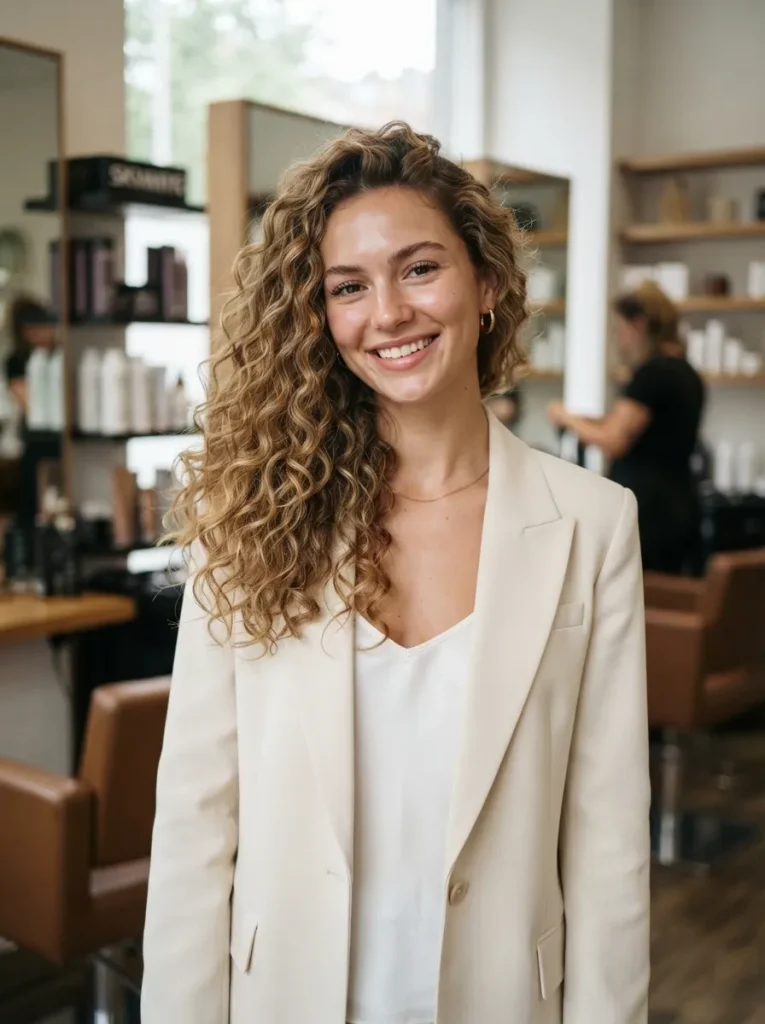
Bleaching, coloring, relaxing, and other chemical processes can affect the structure and strength of curly hair. Protein treatments may provide temporary reinforcement when chemically treated strands have become weaker or more fragile. This can help the hair feel more supported while you work on improving your overall hair-care routine. The treatment may also make damaged curls appear more polished and manageable. However, severely chemically damaged hair cannot be completely restored with a protein product, so professional care may still be necessary.
10. It May Help High-Porosity Curls Feel Stronger
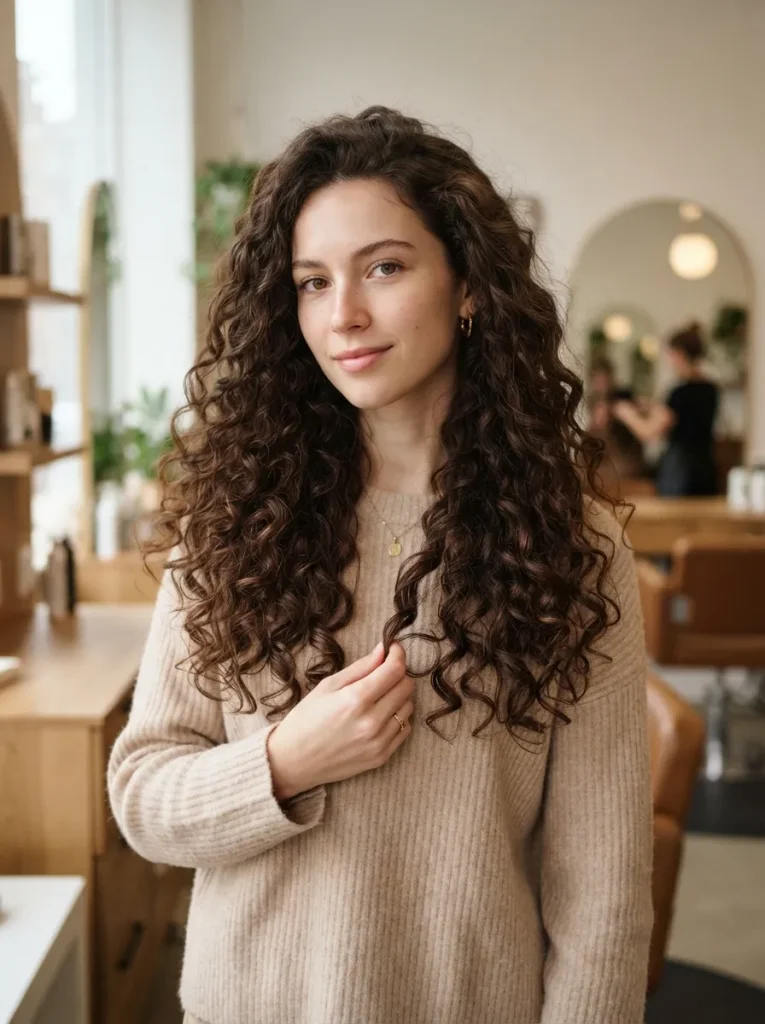
High-porosity curls can lose moisture quickly, particularly when the hair cuticle has been affected by damage. Protein treatments may help these strands feel more supported and can sometimes improve their texture and manageability. This can be useful when high-porosity hair is also weak, overly soft, or prone to breakage. However, having high-porosity hair does not automatically mean you need frequent protein treatments. Your hair’s current condition and response should always determine how often strengthening products are appropriate.
11. Too Much Protein Can Make Curls Feel Stiff
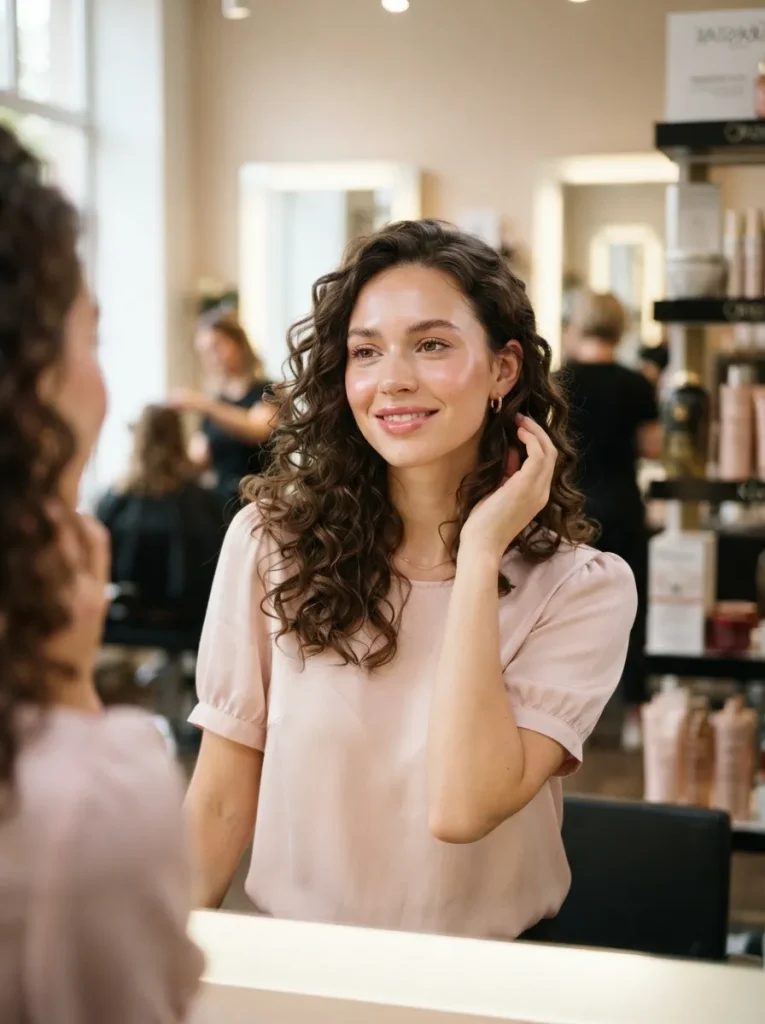
Protein can be beneficial, but using it too frequently can have the opposite effect for some curly hair types. Excessive protein may leave curls feeling stiff, rough, dry, or less flexible instead of soft and bouncy. If your hair suddenly feels crunchy or unusually difficult to moisturize after repeated protein treatments, it may be time to reduce strengthening products. This does not mean protein is bad for curly hair, but it does show why balance is so important. Curly hair needs structural support as well as enough moisture to remain flexible and comfortable.
12. Protein Works Best When Balanced With Moisture
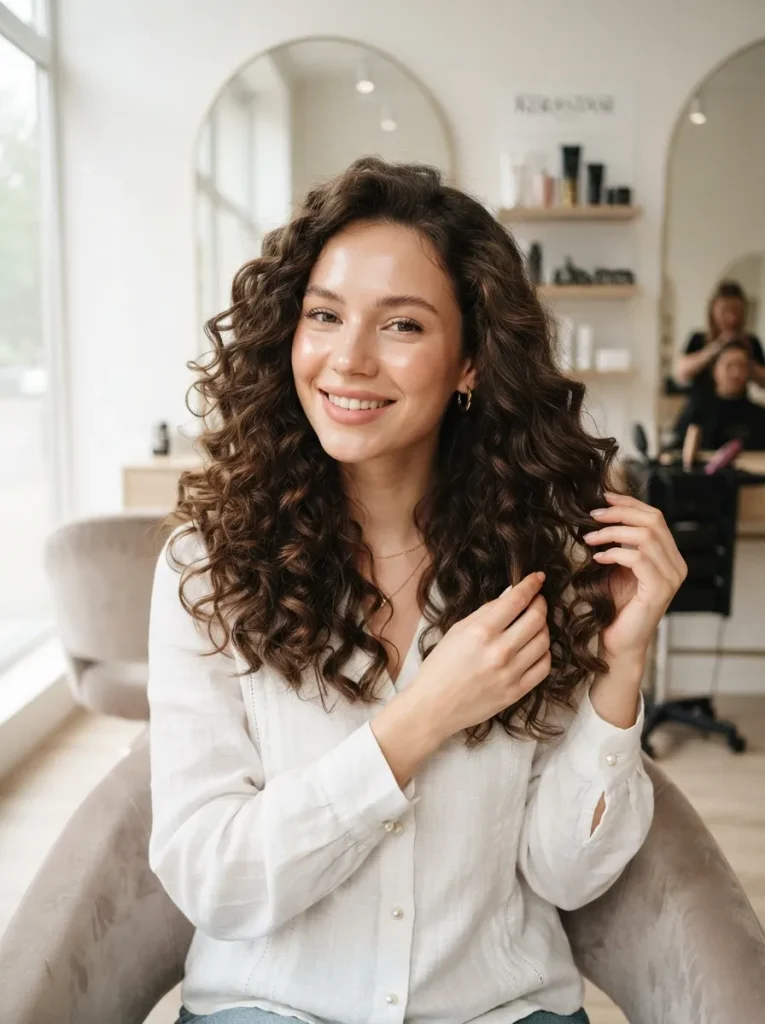
The most important thing to understand about protein treatment for curly hair is that strengthening and moisture need to work together. Protein may help weakened curls feel stronger and more structured, while moisturizing products help them stay soft, flexible, and comfortable. The ideal balance can change depending on your curl pattern, porosity, damage level, chemical history, and styling habits. There is no universal protein schedule that works perfectly for every curly-haired person. Paying attention to whether your curls feel soft, bouncy, strong, dry, or stiff is one of the best ways to decide what they need next.
Conclusion
Protein treatments can be a useful addition to a curly-hair routine when your strands need extra structural support. They may help damaged curls feel stronger, improve definition, reduce the feeling of weakness, and make styling more manageable. However, too much protein can leave some curls stiff or dry, which makes balancing strengthening care with moisture especially important. The best approach is to introduce protein gradually and pay attention to how your own curls respond. Save this guide for your next wash day and use your hair’s texture and condition to decide what kind of care it needs. 🌀✨
About the Author — Lena Harper
Lena Harper is a fashion writer and content strategist at Fashion Pops, known for creating thoughtful, trend-aware articles that feel both stylish and relatable. With a strong background in fashion journalism, she specializes in turning seasonal trends, outfit ideas, and styling concepts into easy-to-follow inspiration for modern women.
Her writing focuses on practicality without losing creativity — helping readers build outfits that feel current, wearable, and confident. When she’s not working on new articles, Lena enjoys exploring street style trends, discovering unique fashion finds, and curating inspiration boards that shape upcoming content at Fashion Pops.