Skunk Stripe Hair: 10 Bold Color Ideas to Transform Your Look
You want a bold, fresh change that still feels like you. Skunk stripe hair gives you a clear, wearable way to mix contrast and personality—whether you crave a bright front streak, a hidden pop under layers, or a soft pastel peekaboo.
Discover which stripe styles fit your face and lifestyle, plus how to keep your color vivid and your hair healthy.

This guide covers classic and modern skunk stripe looks, the science behind color, and hands-on care tips. Expect practical how-tos, styling ideas, and real-life fixes from pros when things don’t go as planned.
1. Classic Black-and-Platinum Skunk Stripe: Step-by-Step Tutorial
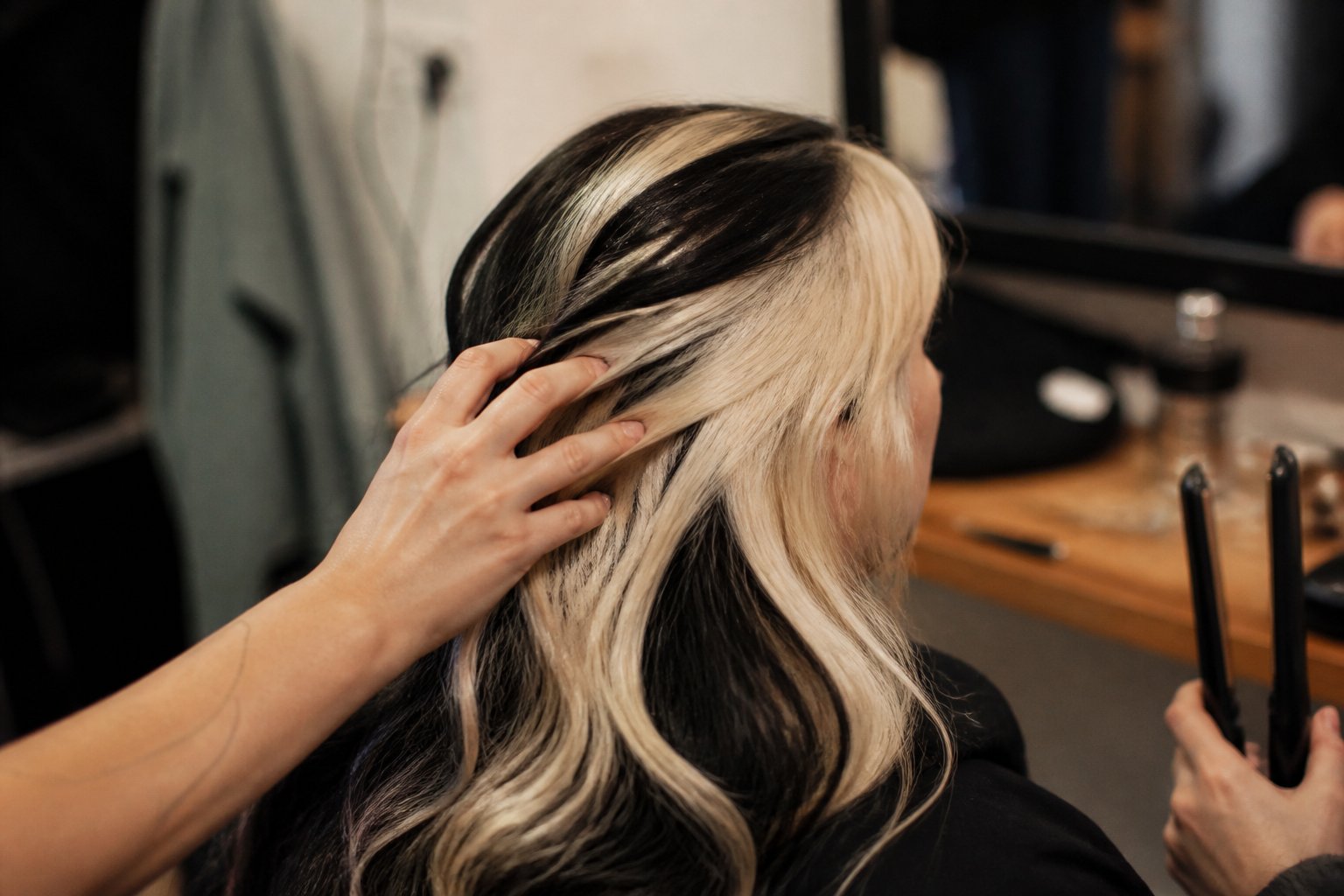
Intent: tutorial. Pair jet-black hair with a sharp platinum streak at the front hairline for instant, face-framing drama.
Ask your colorist for a clean, narrow slice of platinum, centered or just off-center to flatter your face shape. Pre-lightening is a must—bring a deep-conditioning plan and purple shampoo to keep brass away.
Common mistakes: bleaching too wide a section or skipping strand tests, which leads to uneven tone or damage. A pro will lift only the stripe and softly blend edges for a lived-in, lower-maintenance finish.
Try a thin platinum curtain with curtain bangs or a bold center streak with blunt bangs. Always bring reference photos and discuss upkeep to ensure your style matches your vision.
2. Pastel Pink Peekaboo Skunk Stripe: Subtle Color Tutorial
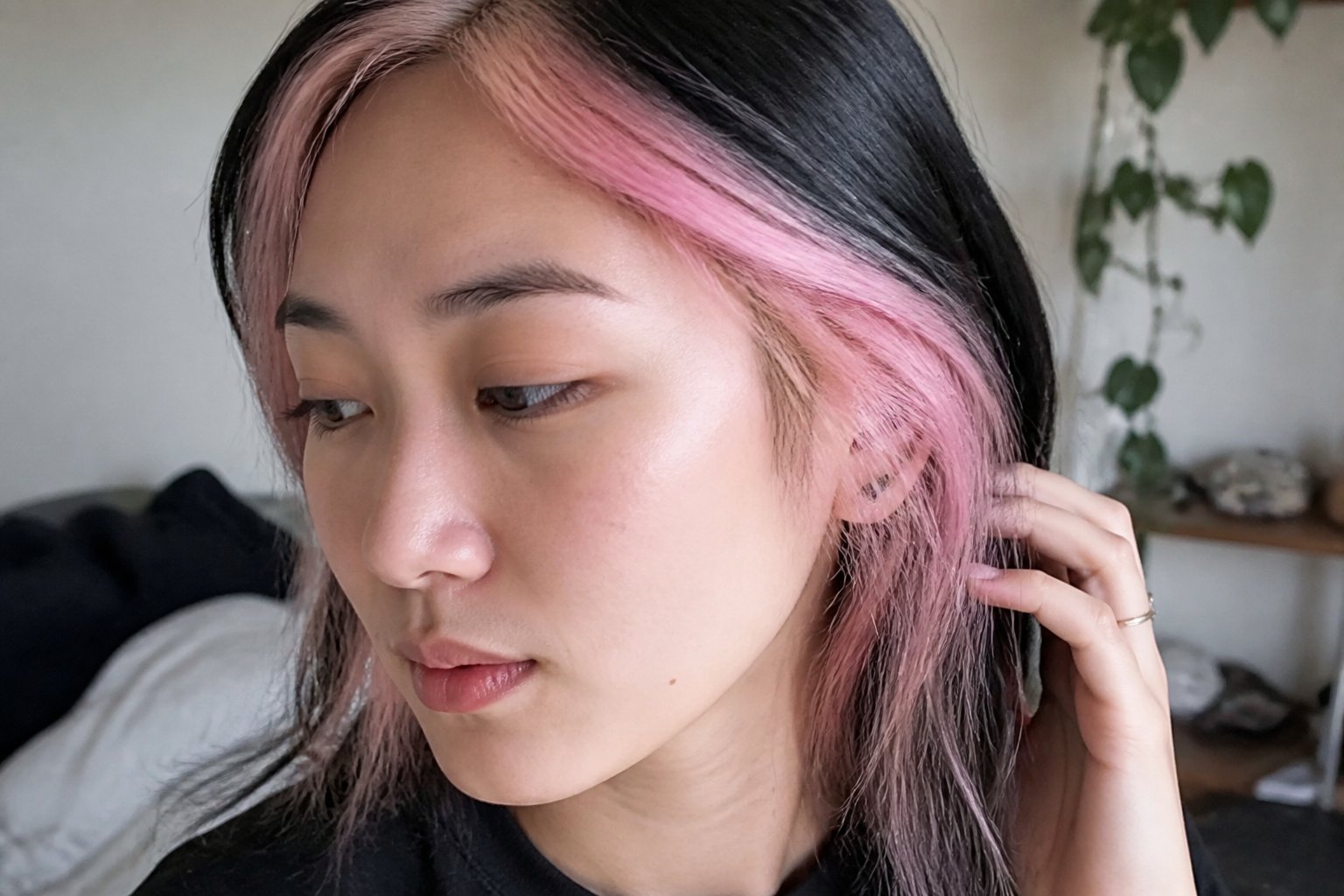
Intent: tutorial and idea. A pastel pink peekaboo stripe adds a soft color flash without the commitment of full-head dye.
Place the stripe as an underlayer behind one ear or weave a thin ribbon through face-framing pieces for a subtle reveal. Lighten only the sections you plan to color, watching for brassiness—pastel pink needs a pale, cool base.
Use a semi-permanent pastel dye and refresh every 4–6 weeks. For a softer effect, blend pink into silver or ash tones.
Show your stylist a photo and ask for a thin, peekaboo placement. Start small; you can always widen the stripe if you want more impact next time.
3. Silver-Gray Face-Framing Skunk Stripe: Modern Styling Guide
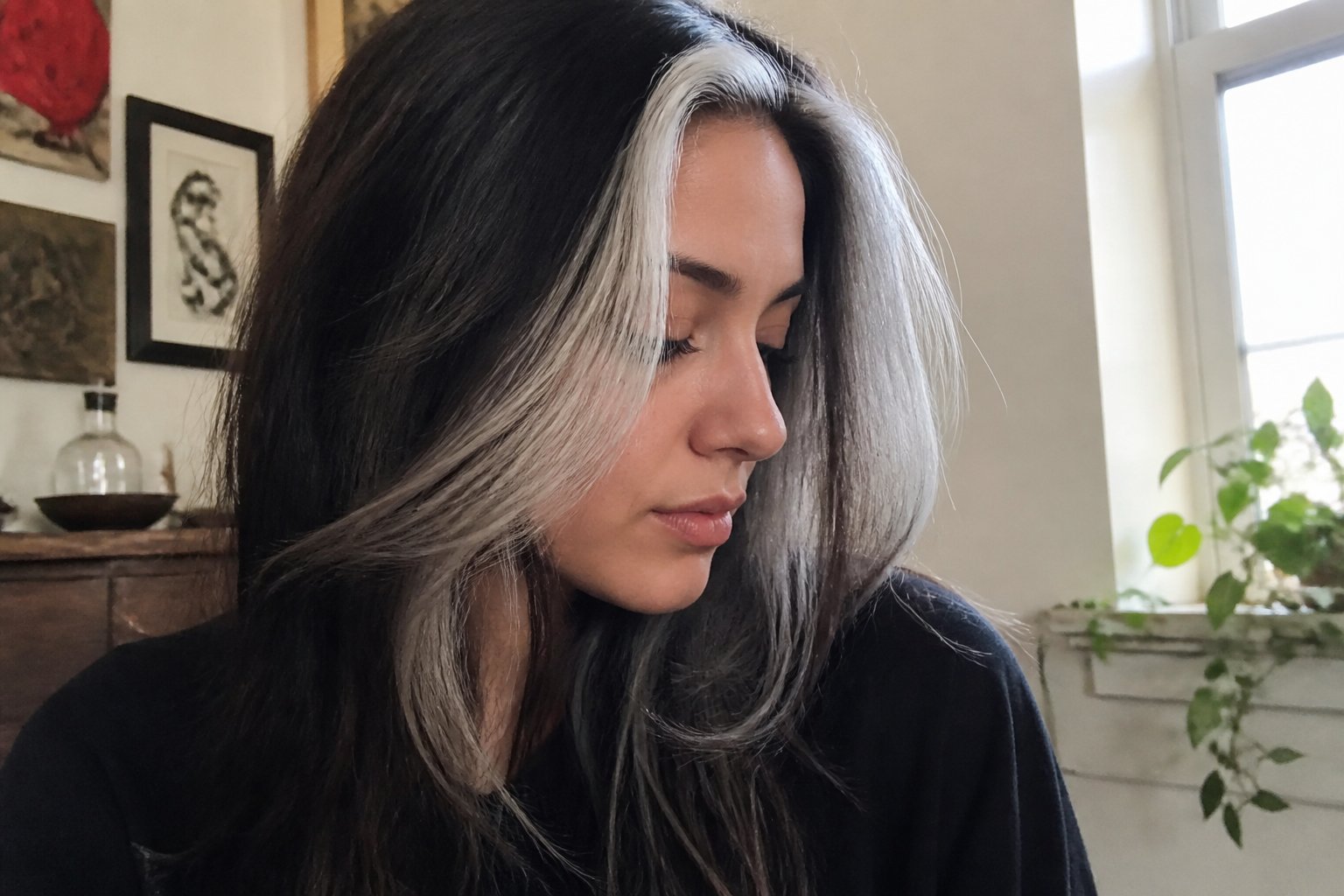
Intent: styling guide. Choose a silver-gray stripe at the front to brighten your face and spotlight your eyes.
Always start with a strand test. Silver needs pre-lightened hair to avoid green or muddy tones—expect to lift, then tone with a violet-based formula.
Style with loose waves for contrast or sleek straight hair for edge. A medium-width stripe balances boldness and wearability; too thin can get lost, too thick can overwhelm.
Maintain with purple shampoo and gentle touch-ups every 6–8 weeks. Use bond-builders if coloring at home. Try this for a modern, face-brightening update that grows out gracefully.
4. Reverse Dark-Rooted Blonde Stripe: Placement and Upkeep Guide
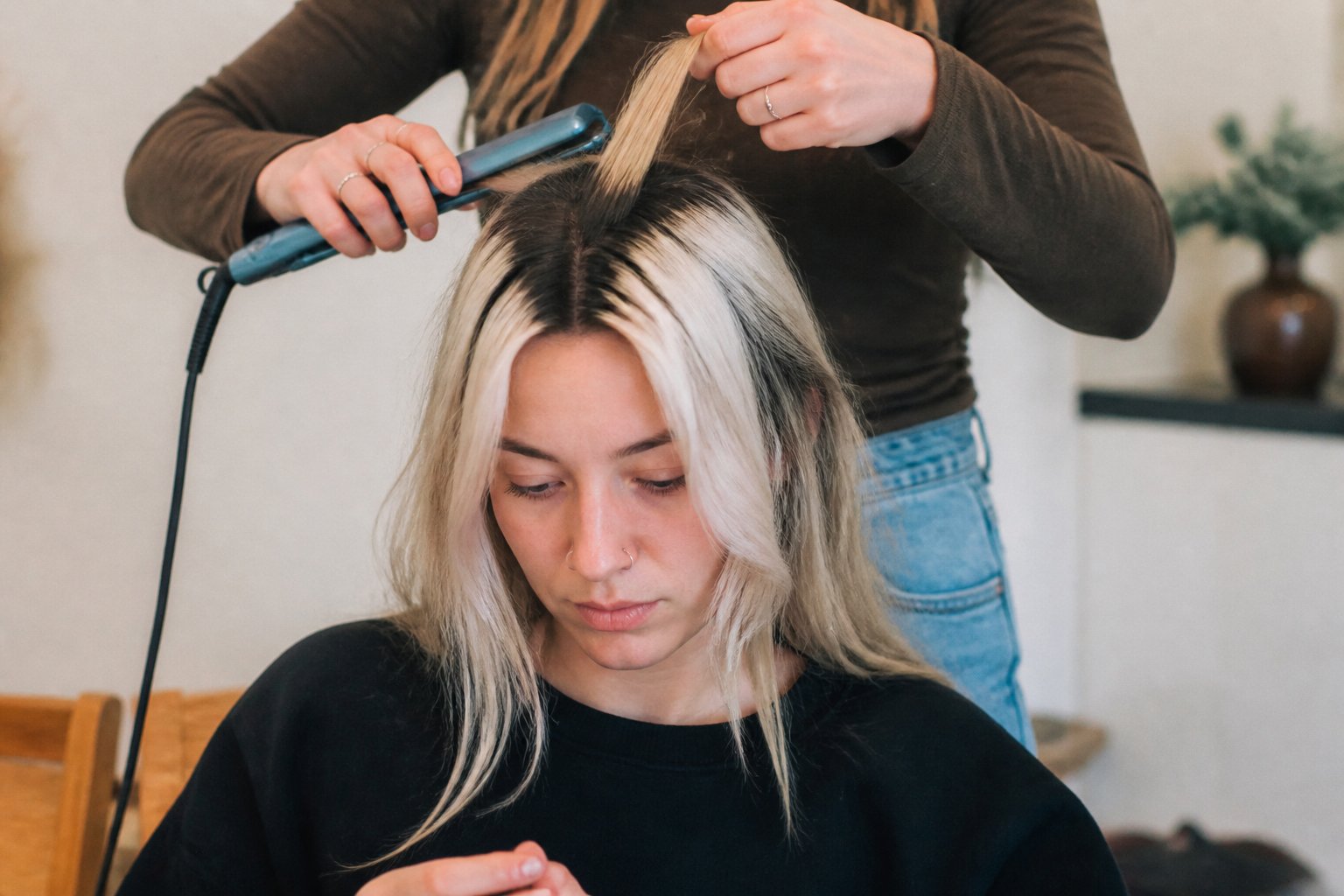
Intent: guide. Wear a reverse skunk stripe with dark roots and a bold blonde streak for a modern twist on contrast.
Decide on placement: a center stripe for impact, face-framing for softness, or a peekaboo panel for subtlety. Ask your colorist for a root shadow so the dark grows out naturally and the blonde stays crisp.
Lighten the stripe in stages to avoid brassiness. Weekly protein treatments and purple shampoo keep blonde bright and strong.
Avoid making the stripe too wide or skipping toner—narrow, cool-toned stripes look fresh. Test a temporary dye first if you’re on the fence, then book a salon session for the full look.
5. Teal and Navy Double Skunk Stripe: Creative Color Guide
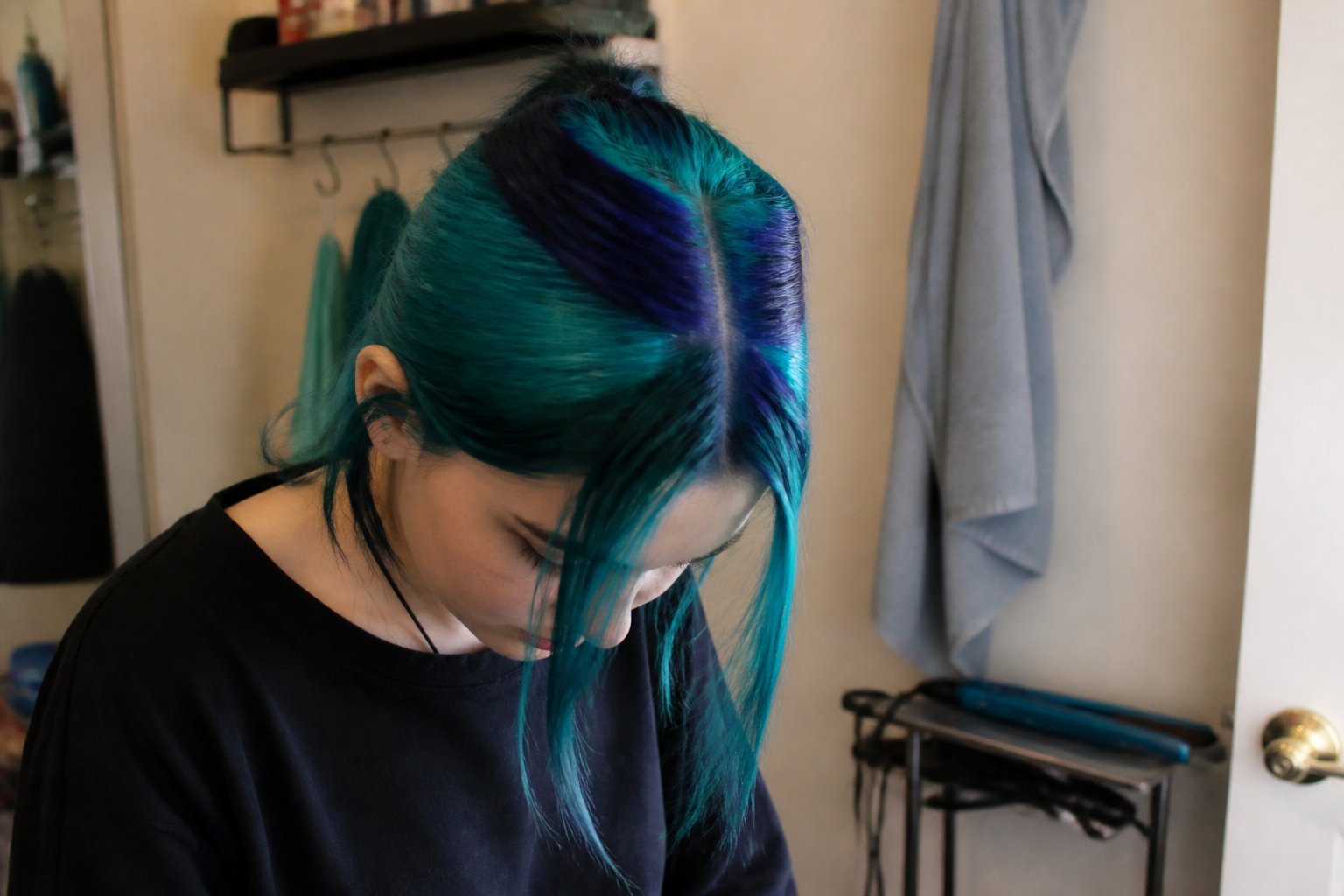
This guide helps you create a teal and navy double skunk stripe that’s both polished and wearable. Plan placement so the two stripes sit evenly on each side of your part or frame your face for symmetry.
Bleach carefully to avoid brassiness—ask a pro if you’re unsure. Apply cool-toned navy to one stripe and vivid teal to the other, using small foils to prevent color bleed.
Work in thin layers and check saturation often to avoid blotchy results. Rinse with cold water and use sulfate-free shampoo to keep colors vibrant.
Style stripes forward for a bold face frame or sweep them back for subtle contrast. Bring a reference photo like this one to your stylist for best results.
6. Rose Gold Hidden Underlayer Stripe: Subtle Statement Tutorial
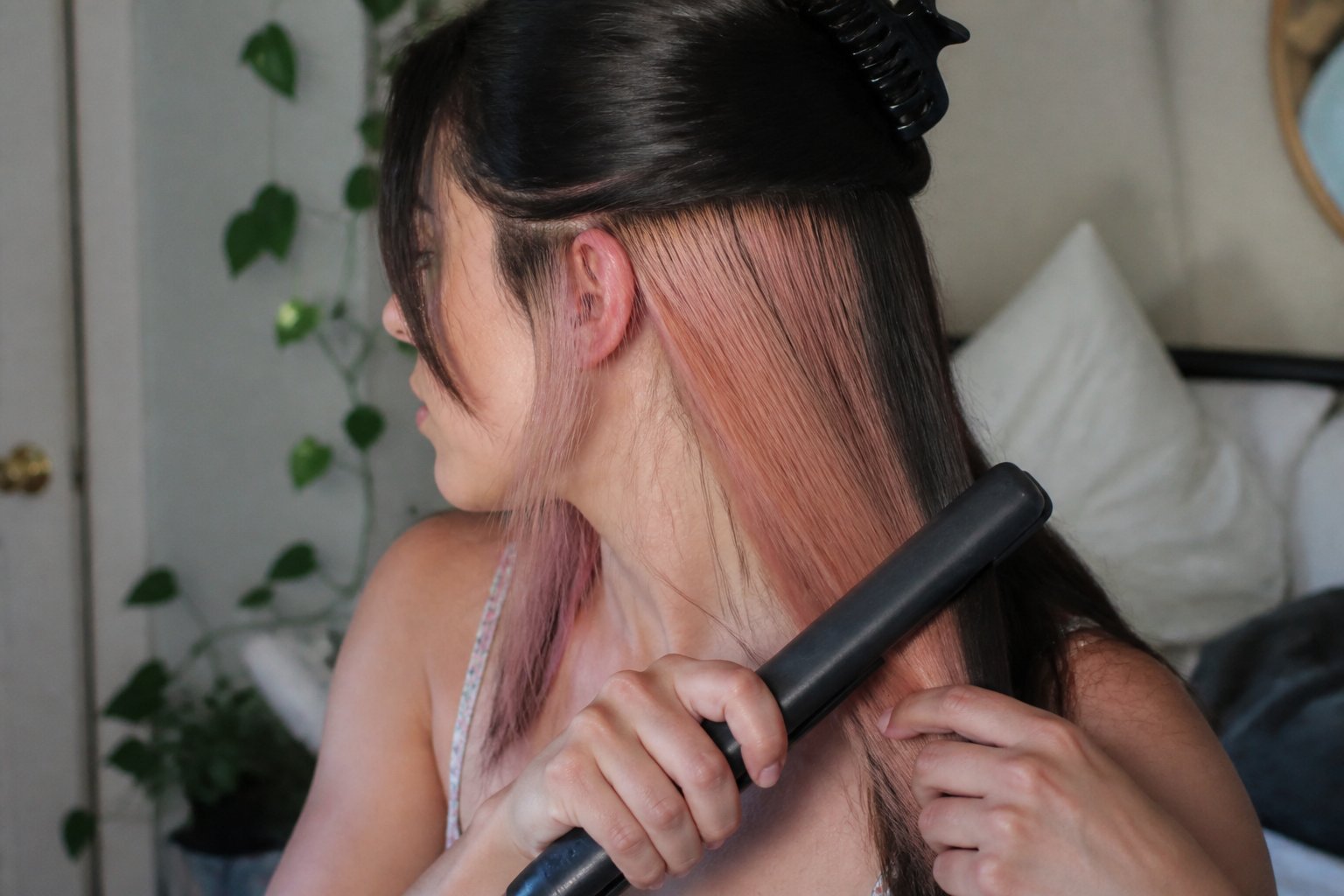
Intent: tutorial and idea. A rose gold underlayer offers a subtle skunk stripe that glows with movement and light.
Ask your colorist to place a thin vertical band beneath the top layer so it peeks out at the crown and ends. This keeps the look sophisticated and easy to wear.
Expect some bleaching if your hair is dark. Use purple shampoo and color-safe conditioner to keep rose gold from turning brassy.
Keep the stripe placement high for more movement—too low and it gets lost. Try loose waves or a half-up knot to show off the hidden color, and adjust width or tone at your next visit for a custom look.
7. Chunky Buzzed-Side Skunk Stripe: Bold Everyday Tutorial
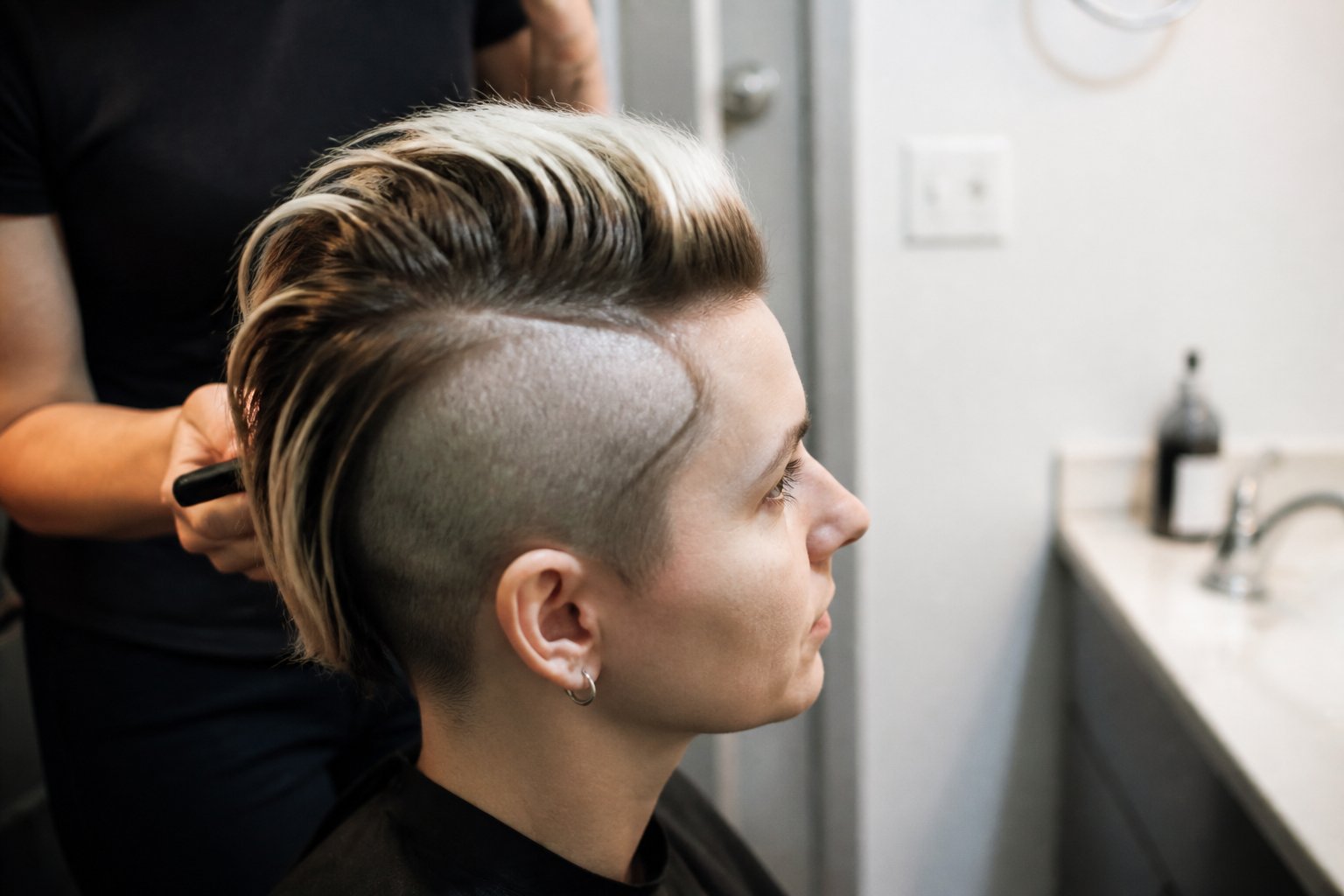
This tutorial is for a bold, low-maintenance look that stands out daily. Ask your stylist to leave a thick, contrasting stripe above a buzzed side for sharp, graphic impact.
Pair platinum or bright color with dark hair for maximum contrast. Keep the buzzed side at a #1 or #2 for the stripe to pop, and plan on touch-ups every 6–8 weeks to maintain the edge.
Don’t make the stripe too thin or let the buzz grow too long—both weaken the effect. Bring clear photos and discuss damage control; a toner and deep-conditioning routine help prevent brassiness and breakage.
If you want options, try a clip-in stripe or plan for a grown-out phase. Notice how the shape frames your face, and tweak placement at your next visit to suit your features—your boldest look is just a style away.
8. How to Nail a Subtle Ash-Brown Baby Stripe Near Your Part
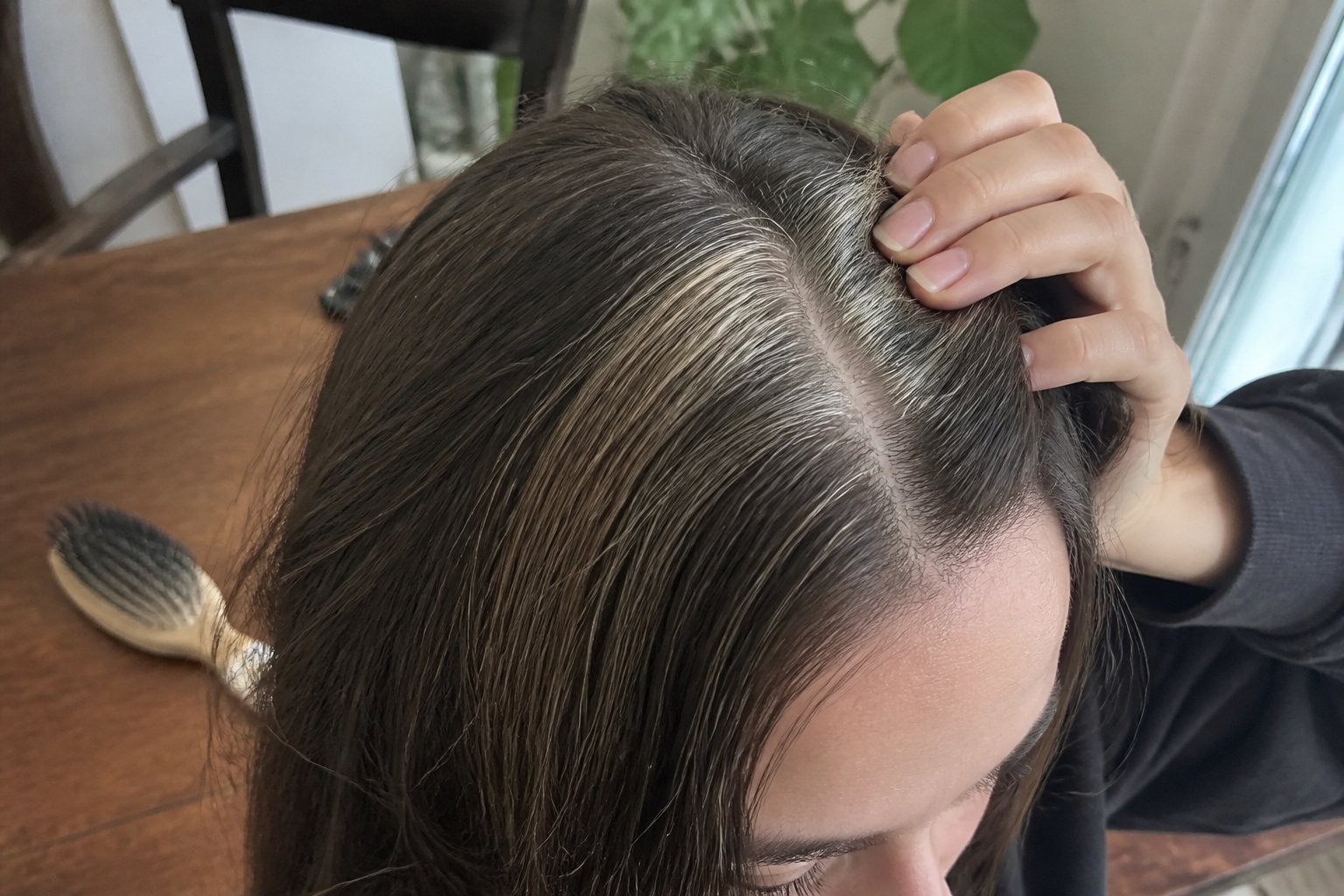
Intent: tutorial and idea.
For a modern, understated skunk stripe, ask your colorist for a thin ash-brown streak right at your part. This technique frames your face softly and keeps contrast minimal, blending seamlessly with most brunette bases.
Tell your stylist you want a narrow, face-framing highlight that mimics a sunlit shimmer—think a single fine line that tracks your natural hairline. Avoid stripes that are too wide or warm; these can look harsh or brassy instead of chic.
If you’re new to stripes, do a daylight photo test before leaving the salon to check the blend. Maintain your subtle stripe with a clarifying shampoo and purple toner if brassiness pops up, and always plan for gentle touch-ups.
Done right, this look is low-maintenance and flattering—perfect for a quiet statement. Ready to try it? Bring a reference photo and chat with your colorist about placement and tone to make it truly yours.
9. Step-by-Step Guide to Electric Blue Curtain Skunk Stripes
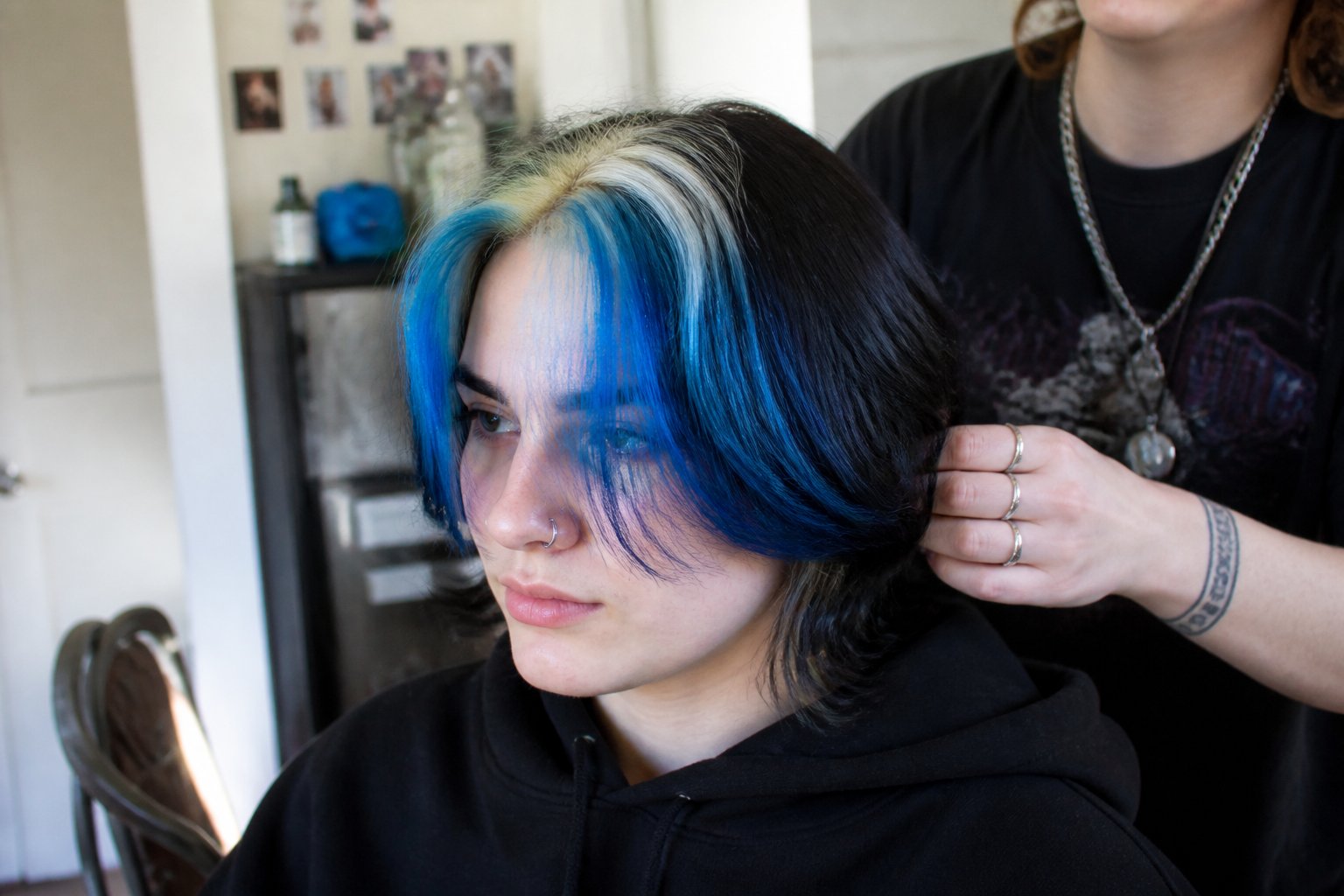
Intent: tutorial and styling guide.
To spotlight your features, create curtain skunk stripes by placing electric blue panels along your center part. These bold streaks act like a frame for your cheekbones and eyes, with the rest of your hair left dark for dramatic contrast.
Bleach just the thin sections you’ll color—overdoing it risks breakage. Lift only to a pale yellow before applying a cool-toned electric blue, blending deep and neon blues for depth and interest on dark bases.
A common pitfall is making the stripes too wide or uneven, which can overwhelm your face. Ask your stylist for a trial placement or use clip-ins to preview the effect before committing.
Keep your blue vibrant with sulfate-free shampoo and cold water rinses, and refresh the color every 6–8 weeks with a color-depositing mask. Want that salon-fresh pop? Prioritize regular maintenance and precise placement for a bold, balanced finish.
10. Guide to Wearing a Copper-Red Single Front Stripe
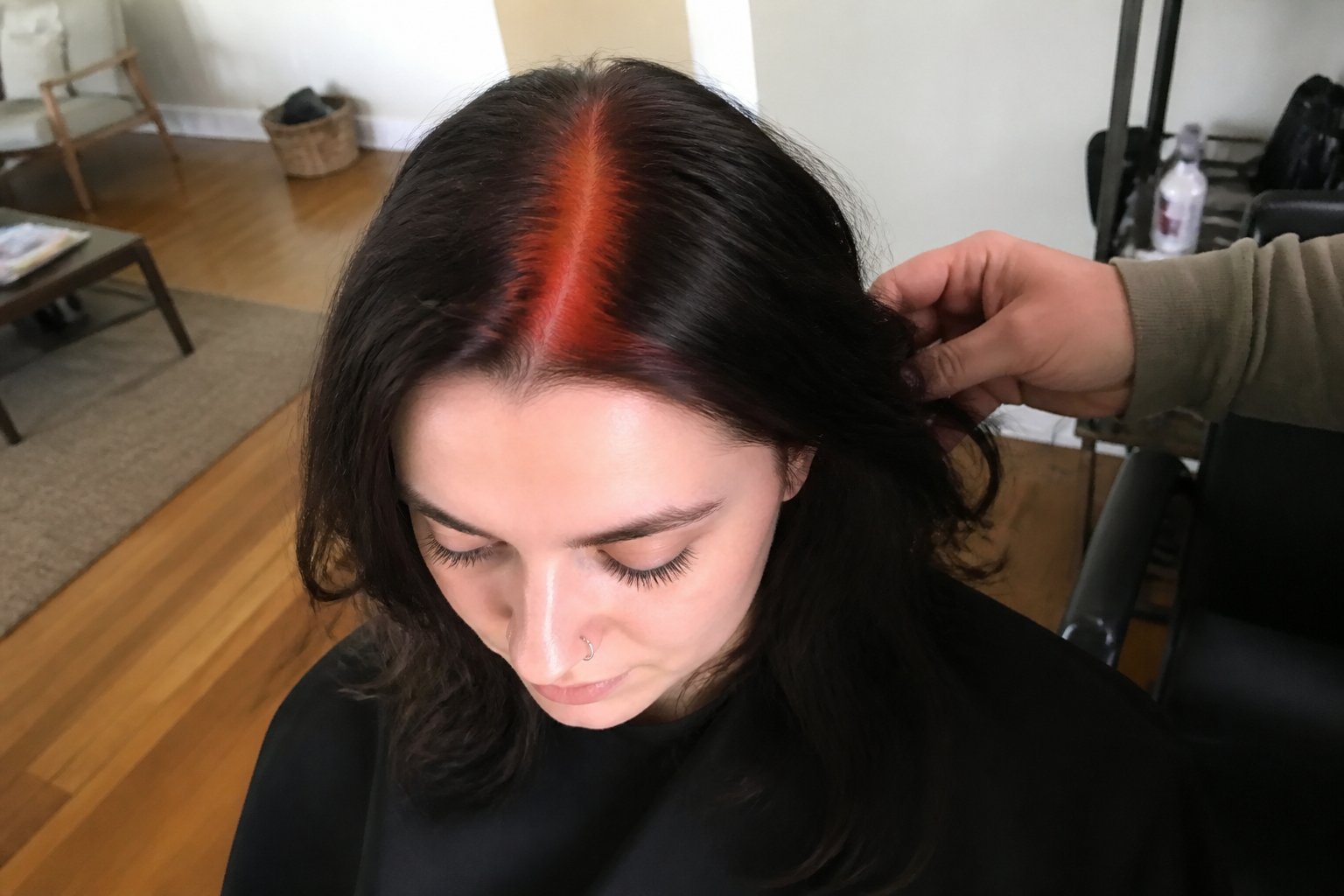
This guide helps you pull off a bold copper-red stripe at the front—think of it as a statement that draws the eye without taking over your whole look. Place a single panel at your hairline or just off-center, choosing a narrow stripe for subtlety or a wider one for extra drama.
Before coloring, always pre-lighten the section to an even base; skipping this step can leave you with brassy or uneven results, especially if your hair is naturally dark. Use a toner to get that rich, true copper-red, and style the stripe forward to show off the color or sweep it back for a softer edge.
If you’re unsure about commitment, try a temporary dye or a clip-in piece first to experiment with placement and width. For the best match to your skin tone, ask your colorist for swatches and tweak the warmth until it feels just right.
With the right prep and shade, a copper-red stripe is a standout look that’s easy to personalize—bring inspiration photos and don’t be afraid to adjust until it feels like you.
Understanding Hair Pigmentation: Why Stripes Stand Out
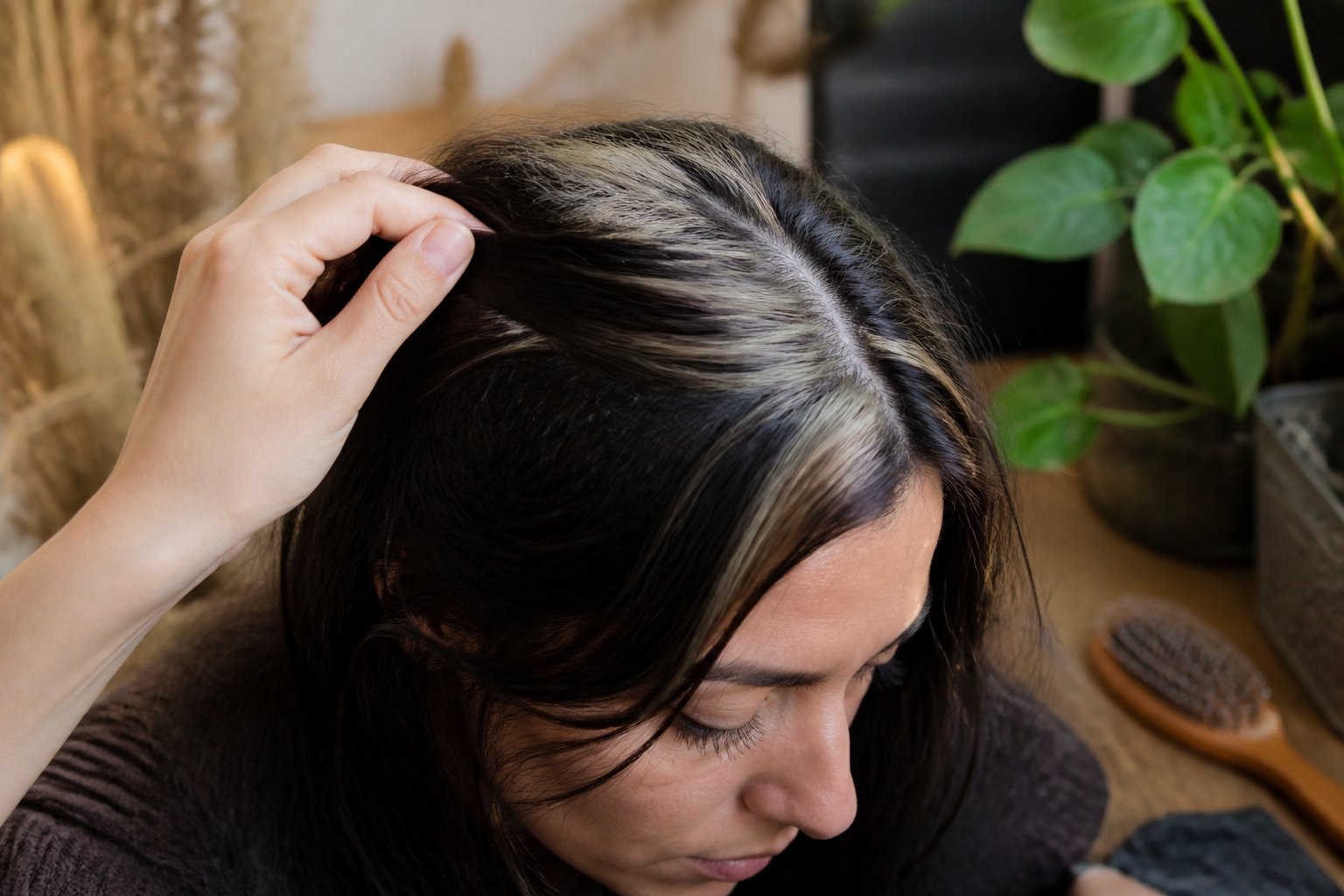
Intent: educational guide.
Ever wonder why hair can hold such different colors—even on the same head? It’s all about pigment types, follicle activity, and hair structure working together to create natural shades and striking contrasts.
How Genetics Shape Your Hair’s Color Patterns
Genetics set your base color and how pigment is distributed across your scalp. Eumelanin gives brown or black hues; pheomelanin brings in red or yellow tones, and their mix determines your unique shade.
Hair follicles produce melanin in varying amounts, which is why some people get natural highlights or early grays. Don’t expect a single gene to predict your color—multiple genes and even age or hormones can shift your shade over time.
If you’re planning a custom stripe, tell your colorist about your natural color variation so they can blend and place the stripe for the best effect. It’s all about matching contrast and making the look feel intentional.
Tutorial: What Causes Natural and Artificial Color Streaks
Natural streaks often come from changes in melanocyte activity—think injury, genetic mosaicism, or conditions like poliosis that cause white patches. These are medical, not style choices, but they show how localized pigment loss creates bold stripes.
Artificial stripes rely on careful bleaching and color deposit. Bleach strips eumelanin, so dark hair needs staged lifts to avoid brassiness and damage. Over-bleaching the roots is a common mistake that leads to breakage and patchy regrowth.
For healthy, even stripes, work with a pro who can test your hair’s lift level and plan maintenance with bond-building treatments. Make sure to stage your lifts, use toners, and plan for root touch-ups based on your growth rate.
Ready to try a stripe? Start with a consultation and bring inspiration photos—knowledge is your best tool for a healthy, standout result.
Hair Care Guide for Maintaining High-Contrast Color Patterns
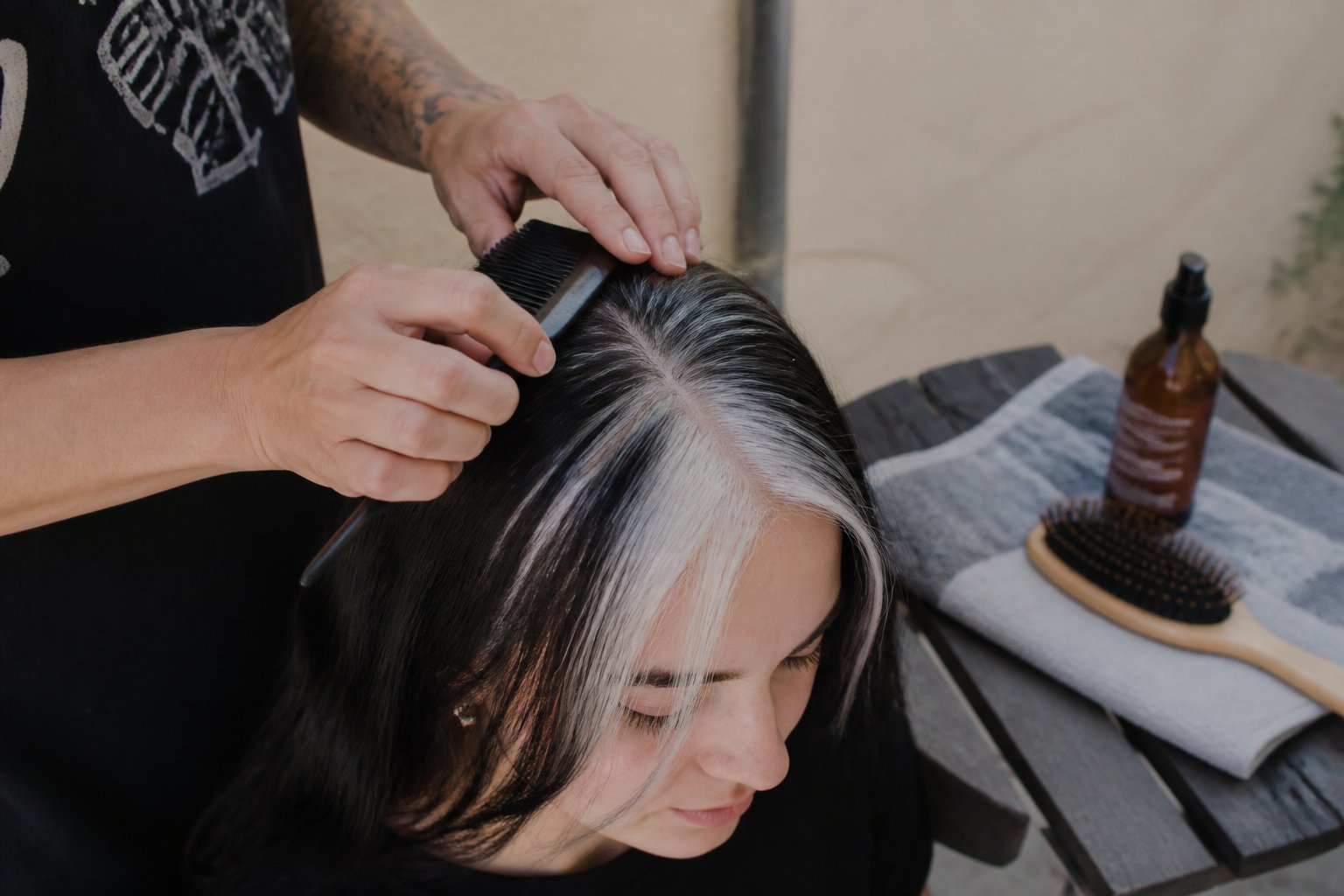
Intent: practical tutorial.
Keeping skunk stripes crisp and healthy takes thoughtful care—especially when you’re balancing light and dark sections. Start with a sulfate-free color-protecting shampoo to lock in pigment, and use a purple or blue toning shampoo weekly if you have platinum or silver stripes to fight brassiness.
For bleached sections, a protein-rich mask every few weeks helps rebuild strength. Keep your dark hair soft with a moisturizing shampoo, but avoid heavy products that blur the contrast between tones.
Always set heat tools to 300°F (150°C) or lower on lightened hair, and protect with a thermal spray. Treat each section’s needs individually—one-size-fits-all products can dull your stripe’s impact.
Want your color to last? Stick to gentle routines and regular trims, and don’t hesitate to ask your stylist for product recommendations tailored to your unique pattern. Your bold look deserves pro-level care every step of the way.
Preventing Fading and Maintaining Vibrancy
Intent: Guide to daily habits and simple fixes for extending hair color life.
Washing your hair less often is a game-changer—aim for just 2–3 times per week. When you do wash, always rinse with cool water to help seal the cuticle and lock in pigment.
Color-depositing conditioners are a stylist’s secret for keeping stripes bold. Choose one that matches your tone: white or ash for lighter streaks, and clear or neutral for darker hair, using it every 1–2 weeks to refresh vibrancy between salon visits.
Sun and chlorine can be color’s worst enemies. Protect your hair by wearing a hat in direct sunlight and spritzing on a UV-protectant spray before outdoor activities.
Before swimming, soak your hair in tap water and apply a silicone-based conditioner to shield it from chlorine absorption. This simple habit can prevent that dreaded greenish tint and keep your stripes looking crisp.
For root touch-ups and sharp edges, schedule salon retouches every 8–12 weeks for face-framing stripes. If you prefer DIY, use a narrow tail comb and a low-volume developer for precise at-home bleaching.
When you notice uneven fading, ask your stylist for a demi-permanent gloss to even out the tone without extra damage. Start these habits now to keep your color intentional and vibrant—your future self (and your hair) will thank you.
About the Author — Lena Harper
Lena Harper is a fashion writer and content strategist at Fashion Pops, known for creating thoughtful, trend-aware articles that feel both stylish and relatable. With a strong background in fashion journalism, she specializes in turning seasonal trends, outfit ideas, and styling concepts into easy-to-follow inspiration for modern women.
Her writing focuses on practicality without losing creativity — helping readers build outfits that feel current, wearable, and confident. When she’s not working on new articles, Lena enjoys exploring street style trends, discovering unique fashion finds, and curating inspiration boards that shape upcoming content at Fashion Pops.