Mountain Biking Outfits: 15 Bold Looks for Every Trail
The wrong mountain biking outfit can leave you soaked, uncomfortable, or poorly protected before the trail gets challenging. Choosing the right layers and gear helps you focus on handling the terrain instead of adjusting your clothing. A good riding outfit should move easily with your body, manage sweat, and provide enough coverage for the conditions you expect to encounter.
You’ll learn how to choose mountain biking outfits that balance comfort, weather protection, mobility, and trail-ready safety. Explore practical options for warm rides, wet conditions, technical trails, and different pedal systems so you can build an outfit that suits your riding style.
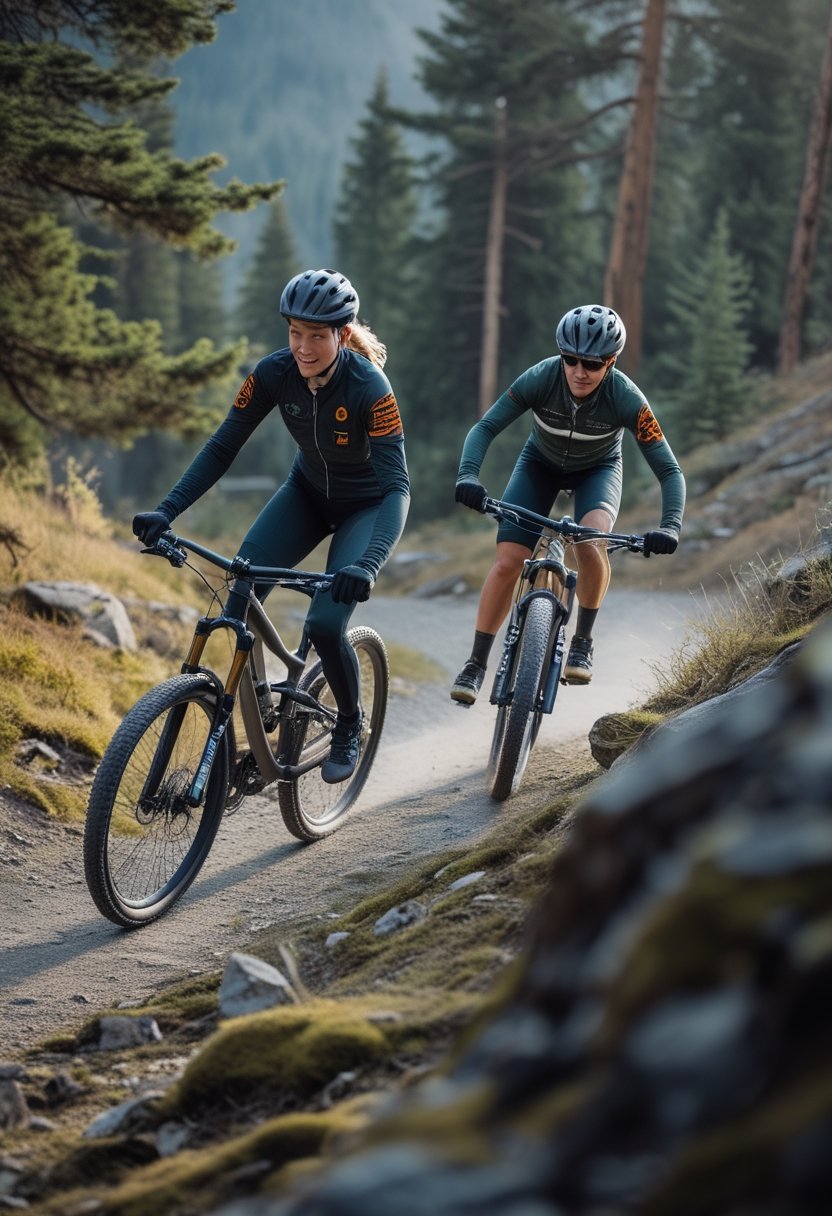
You’ll learn how to choose mountain biking outfits that balance comfort, weather protection, mobility, and trail-ready safety. Explore practical options for warm rides, wet conditions, technical trails, and different pedal systems so you can build an outfit that suits your riding style.
1. Moisture-wicking mountain bike jersey
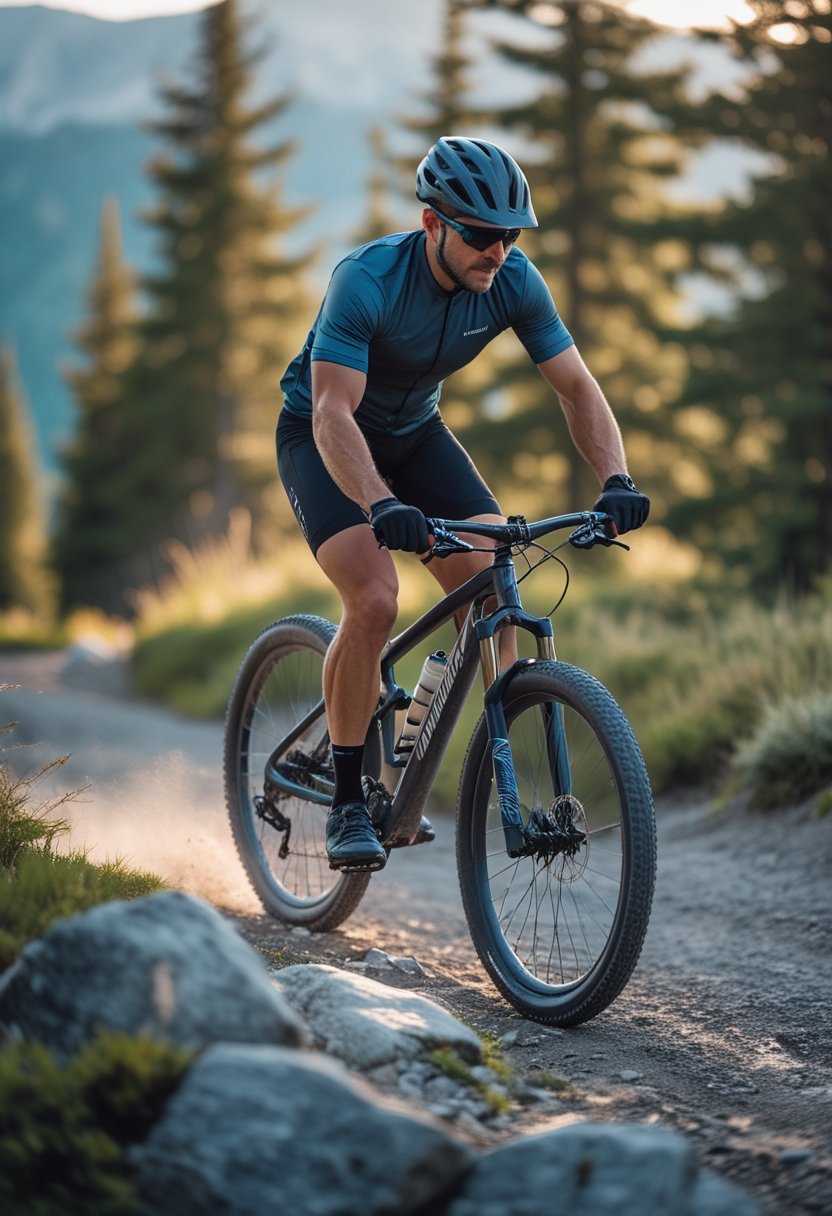
Choose breathable fabric to manage sweat and preserve comfortable movement. A moisture-wicking mountain bike jersey is a reliable foundation for almost any trail outfit. Choose breathable technical fabric that pulls moisture away from your skin and dries quickly during demanding climbs. A relaxed cycling-specific fit gives your shoulders and arms enough freedom to move while keeping excess fabric from getting in the way. Short sleeves are useful for warm-weather rides, while long sleeves provide additional coverage when the trail is cooler or surrounded by dense vegetation.
Look for details such as mesh ventilation zones, a slightly longer back, and comfortable seams that will not rub under a hydration pack. Avoid heavy fabrics that stay wet after you sweat because they can become uncomfortable when temperatures drop during a descent. Pair a lightweight jersey with durable shorts, full-finger gloves, and a ventilated helmet for an easy warm-weather combination that keeps the focus on the trail.
2. Padded liner shorts: guide for comfortable mountain biking
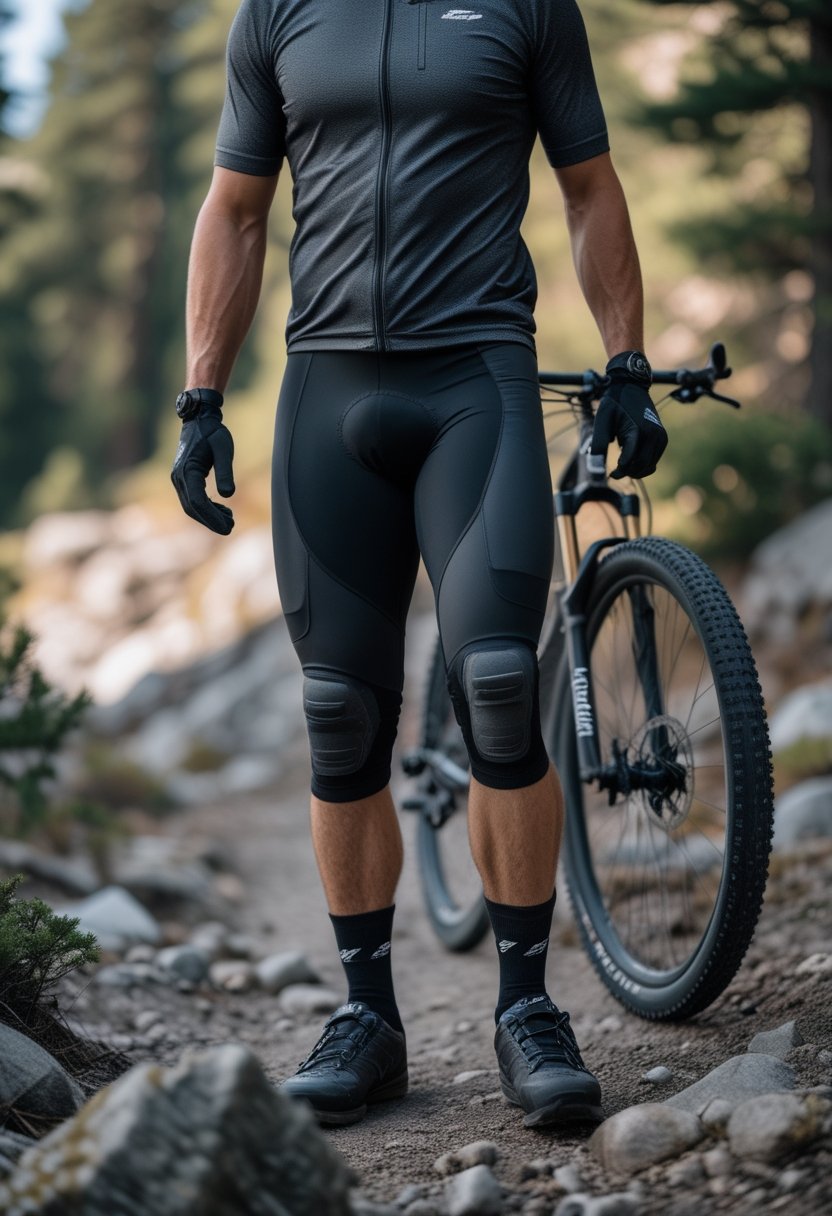
Choose breathable padding, a secure fit, and flat seams. Avoid bulky chamois; test movement before committing to long rides. Padded liner shorts add cushioning and help reduce friction during long periods in the saddle. Choose breathable padding with a secure fit so the chamois stays correctly positioned while you pedal, stand, and shift your body on technical terrain. Flat seams and a smooth waistband can make a noticeable difference on longer rides because they reduce the chance of irritation. The best liner should feel supportive without being so bulky that it restricts movement.
Avoid assuming that thicker padding automatically means greater comfort. A poorly shaped or overly bulky chamois can create pressure points and become more distracting than helpful. Test your liner on a shorter ride before using it for an all-day adventure, and wear it with the outer shorts you normally use. A comfortable padded liner underneath relaxed mountain bike shorts creates a practical combination for riders who want saddle support without sacrificing a casual trail-ready appearance.
3. Durable mountain bike shorts: choose stretch, ventilation, and protection
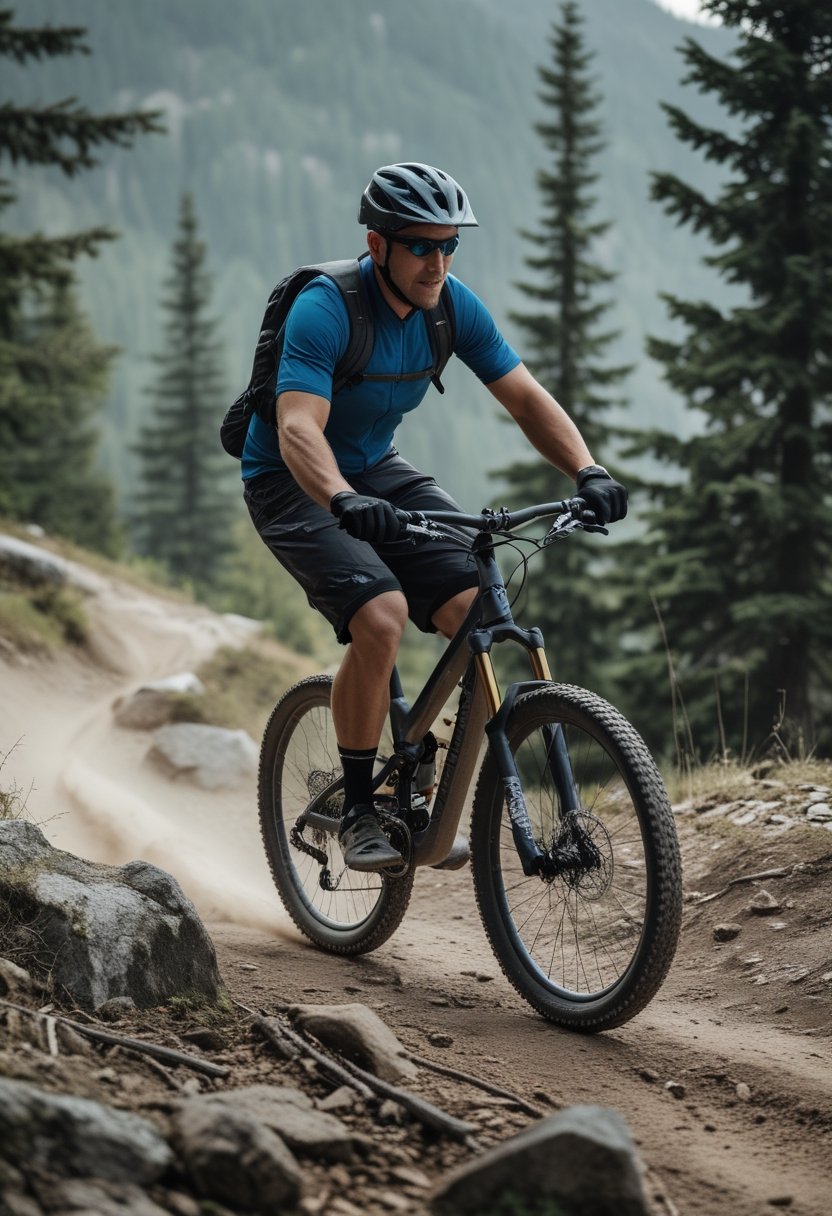
Choose reinforced, quick-drying fabric with secure pockets and an adjustable waist. Durable mountain bike shorts are designed to handle the movement and rough conditions associated with trail riding. Look for quick-drying fabrics with a good amount of stretch so you can pedal freely, stand on the pedals, and move behind the saddle on steep descents. An adjustable waistband helps keep the shorts secure, while zippered pockets give you a convenient place for small essentials. Reinforced construction is especially useful if your routes frequently include rocks, branches, and rough surfaces.
Ventilation becomes particularly important when riding in warm weather or climbing for extended periods. Some shorts use breathable panels or lighter sections to release heat while maintaining durability where you need it most. Pair them with a moisture-wicking jersey and padded liner for a comfortable everyday trail outfit. If you ride across changing terrain, prioritize versatile shorts that are comfortable both on the bike and during short walking sections.
4. Abrasion-resistant trail pants
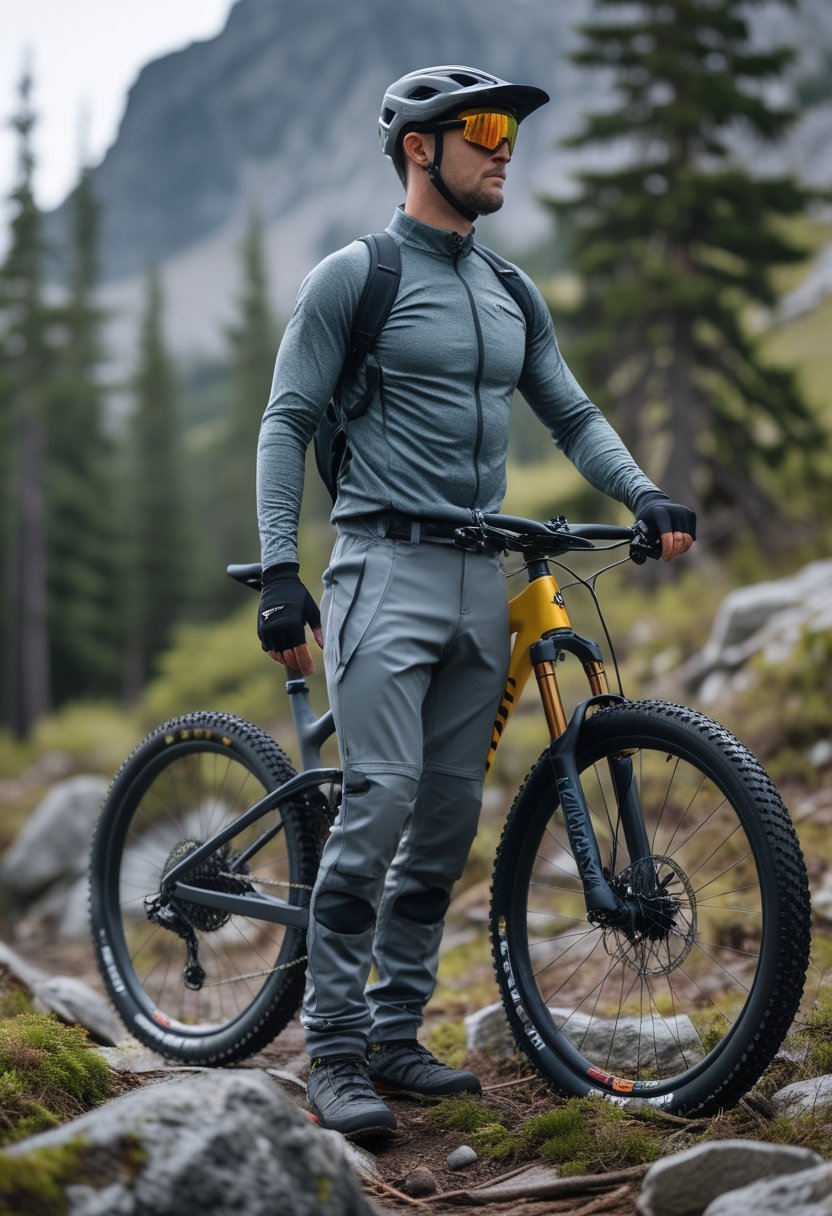
Abrasion-resistant trail pants are a smart choice for cooler rides and routes with dense vegetation, rocks, and branches. Look for flexible fabrics that provide some protection against scrapes without feeling stiff while you pedal. Articulated knees and stretch panels can make climbing and descending easier, while a tapered lower leg helps keep loose material away from the drivetrain. Secure pockets are also useful for carrying small items without creating excessive bulk.
The goal is protection without unnecessary weight. Instead of choosing heavily insulated pants for every cold ride, consider a lightweight pair that can work over a breathable base layer. This gives you more flexibility as temperatures change throughout the day. Pair trail pants with a long-sleeve jersey, protective knee pads, and full-finger gloves when you want additional coverage for technical routes.
5. Breathable Cycling Base Layer
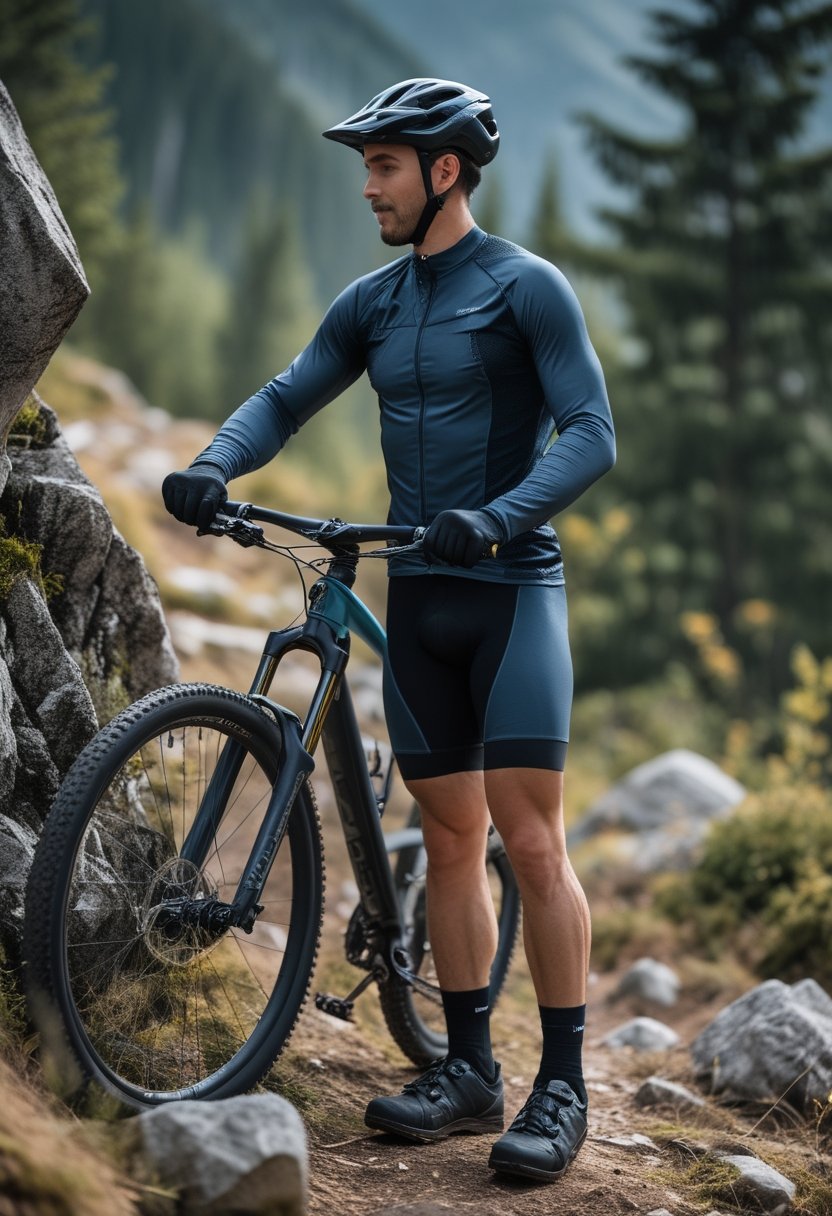
Avoid cotton, which holds sweat and chills you during descents. A breathable cycling base layer creates a comfortable first layer against your skin and can make temperature changes easier to manage. Choose moisture-wicking mesh or lightweight technical material that moves sweat away from your body during climbs. A close-fitting design is generally easier to layer beneath a jersey because it reduces bunching around the waist, shoulders, and arms. For cooler weather, a slightly warmer technical layer can provide extra insulation without requiring a bulky jacket.
Avoid cotton when you expect to sweat heavily. Cotton absorbs moisture and can remain damp, which may leave you feeling chilled once you stop climbing or begin a fast descent. A technical base layer dries more quickly and works well beneath both jerseys and lightweight shells. For a versatile outfit, combine it with durable shorts during mild conditions or trail pants and a waterproof shell when temperatures and weather become less predictable.
6. Lightweight waterproof shell: guide for staying dry
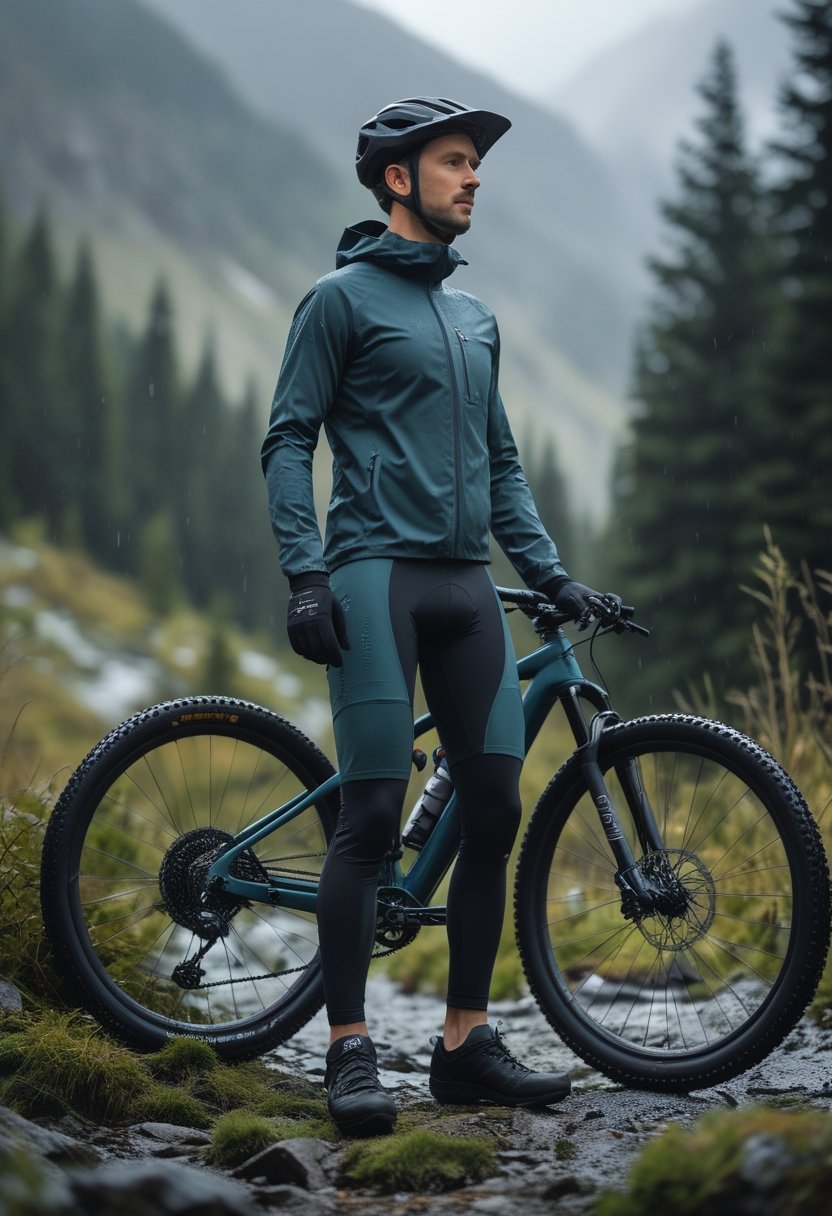
A lightweight waterproof shell can be one of the most useful additions to a mountain biking outfit when rain is possible. Look for a cycling-specific cut that allows comfortable movement in the riding position without excessive fabric around the torso and arms. Sealed seams, adjustable cuffs, and useful ventilation features can improve performance in wet conditions. A lightweight construction is particularly convenient because you can pack the shell and put it on only when the weather changes.
Waterproofing should not come at the expense of breathability. During difficult climbs, body heat and sweat can build up quickly inside a poorly ventilated jacket. Pair the shell with a moisture-wicking base layer and quick-drying outer clothing to create a flexible wet-weather system. If rain is expected but conditions are mild, carrying the shell in your hydration pack can be more comfortable than wearing it from the start of the ride.
7. Full-finger cycling gloves: grip, protection, and ventilation
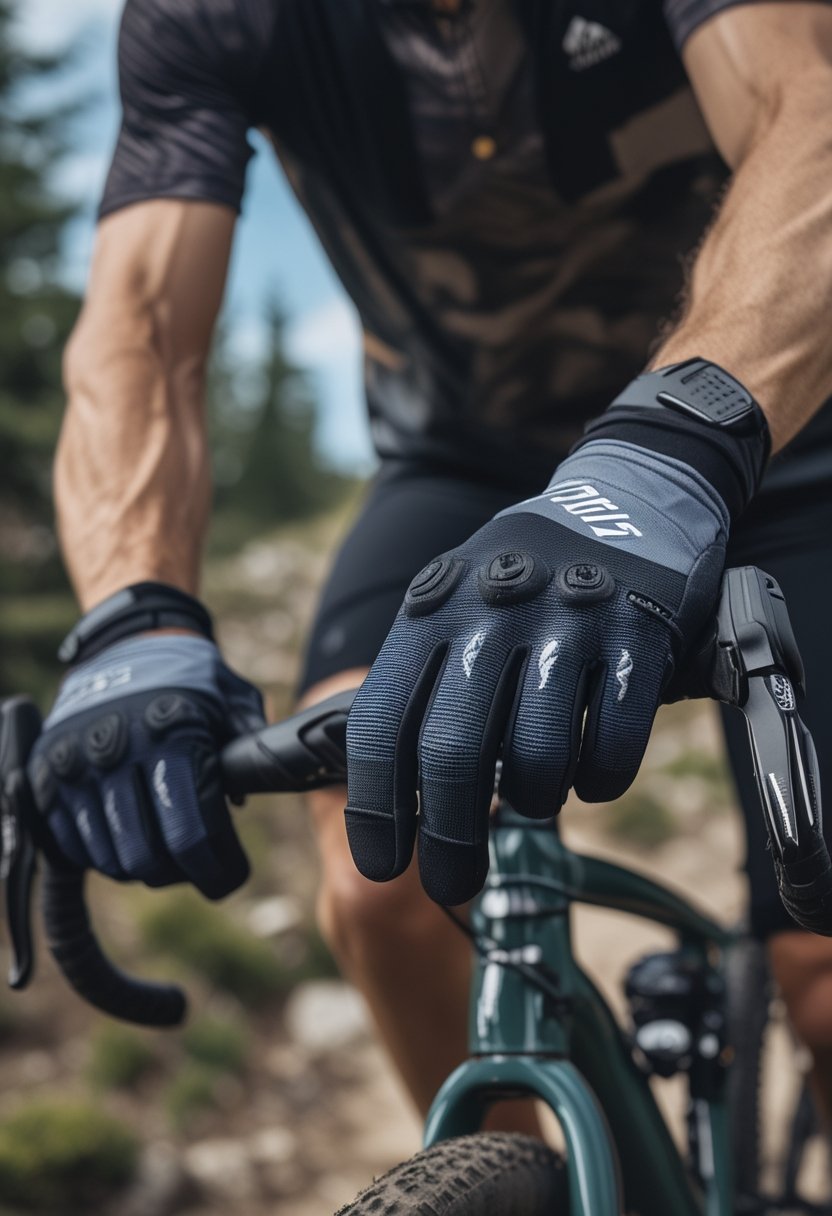
Full-finger cycling gloves provide hand coverage while helping you maintain a secure grip on the handlebars. Choose a snug design that allows your fingers to operate the brakes and controls naturally without excess material bunching around the fingertips. Breathable fabric helps prevent overheated hands, while padded palms can add comfort during rides over rough surfaces. Reinforced sections can also make the gloves more durable when riding through branches or rocky terrain.
Look for features that match how you ride. Touchscreen-compatible fingertips are convenient if you frequently use a phone or cycling computer, while adjustable wrist closures help prevent the gloves from shifting. Before a long ride, grip your handlebars while wearing the gloves and check that there are no uncomfortable pressure points. A well-fitting pair should feel secure without making your hands feel restricted.
8. Ventilated mountain bike helmet
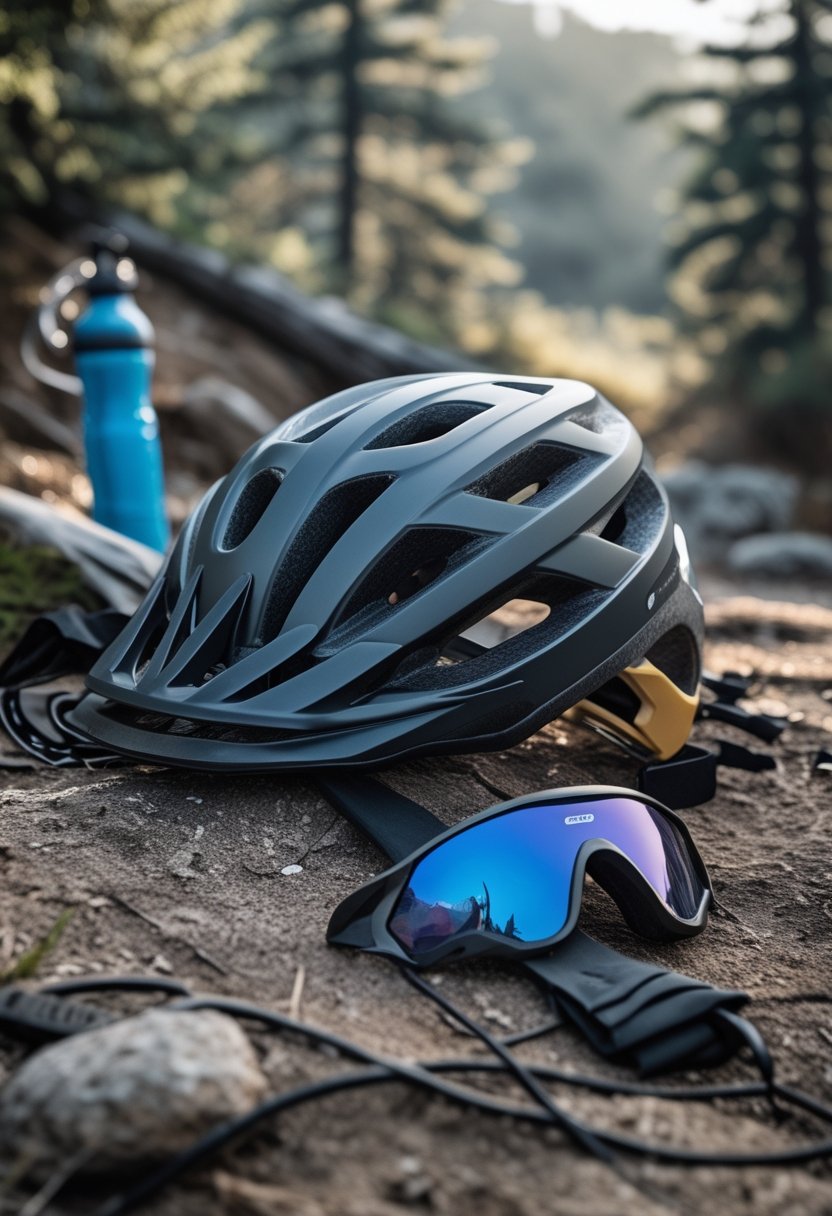
Choose a lightweight, well-ventilated helmet with adjustable fit and MIPS protection. A ventilated mountain bike helmet is an essential part of a trail-ready outfit because it combines head protection with airflow. Choose a helmet with an adjustable retention system so it stays stable without feeling excessively tight. Good ventilation can help release heat during long climbs, while a visor can provide shade and help shield your eyes from low-angle sunlight or trail debris. Mountain bike-specific designs may also provide coverage suited to trail riding.
Fit should always come before appearance. The helmet should sit securely and comfortably on your head without shifting when you move. If you choose a model with MIPS or another rotational-impact protection system, make sure it still fits correctly and comfortably. Try the helmet alongside your usual sunglasses before riding so you can confirm that the two pieces work together without pressure or interference.
9. Protective knee pads
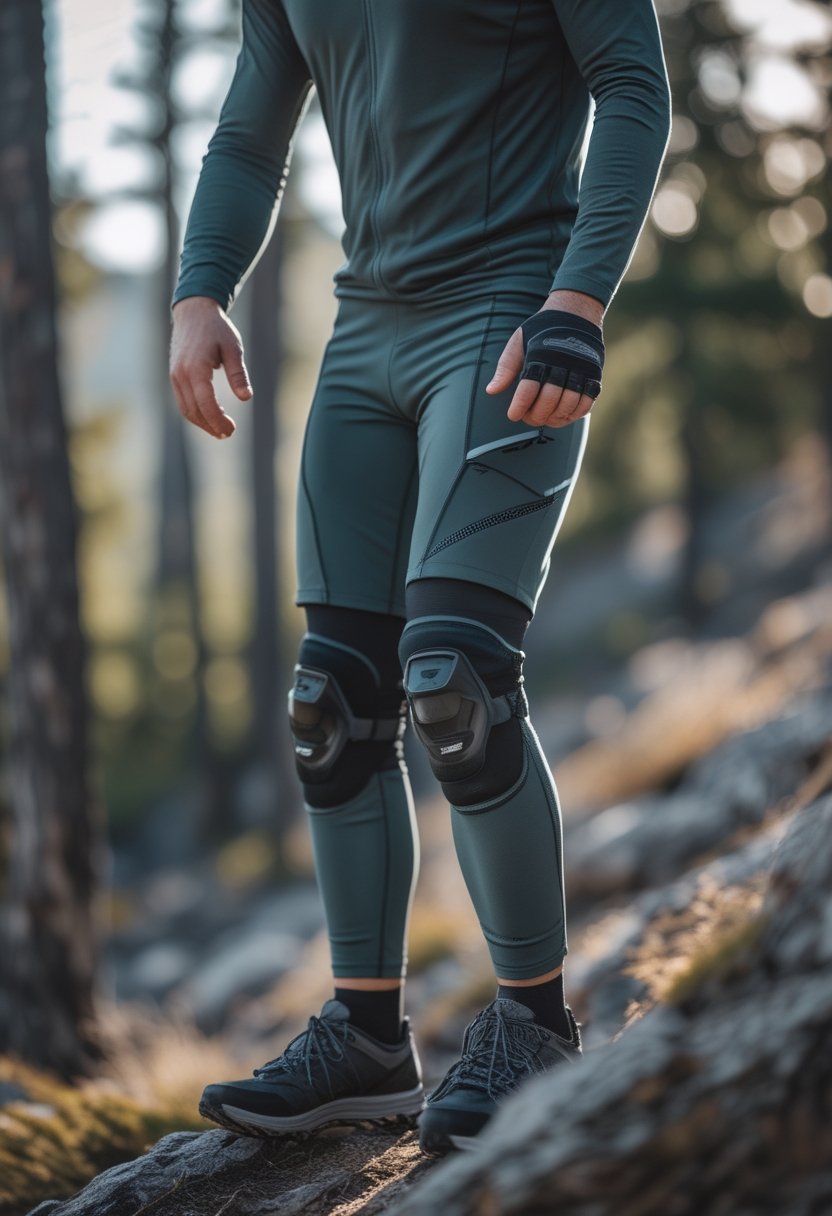
Choose breathable, snug pads matching your terrain and riding style. Protective knee pads can add useful coverage on technical trails where falls, rocks, roots, and unexpected contact with the ground are possible. Choose a breathable design that stays securely over the knee while allowing you to bend and extend your legs naturally. Flexible impact protection is particularly helpful for riders who want protection without the restrictive feeling of heavy armor. Low-profile construction can also make the pads easier to wear beneath or alongside trail clothing.
Your terrain and riding style should determine the level of protection you choose. Lightweight pads can work well for regular trail rides, while more substantial protection may be preferable for particularly technical routes. Test the pads while pedaling and standing on the bike to make sure they do not slide downward or pinch behind the knee. When the fit is right, knee pads can become a comfortable everyday part of a technical mountain biking outfit.
10. Elbow pads for technical trails
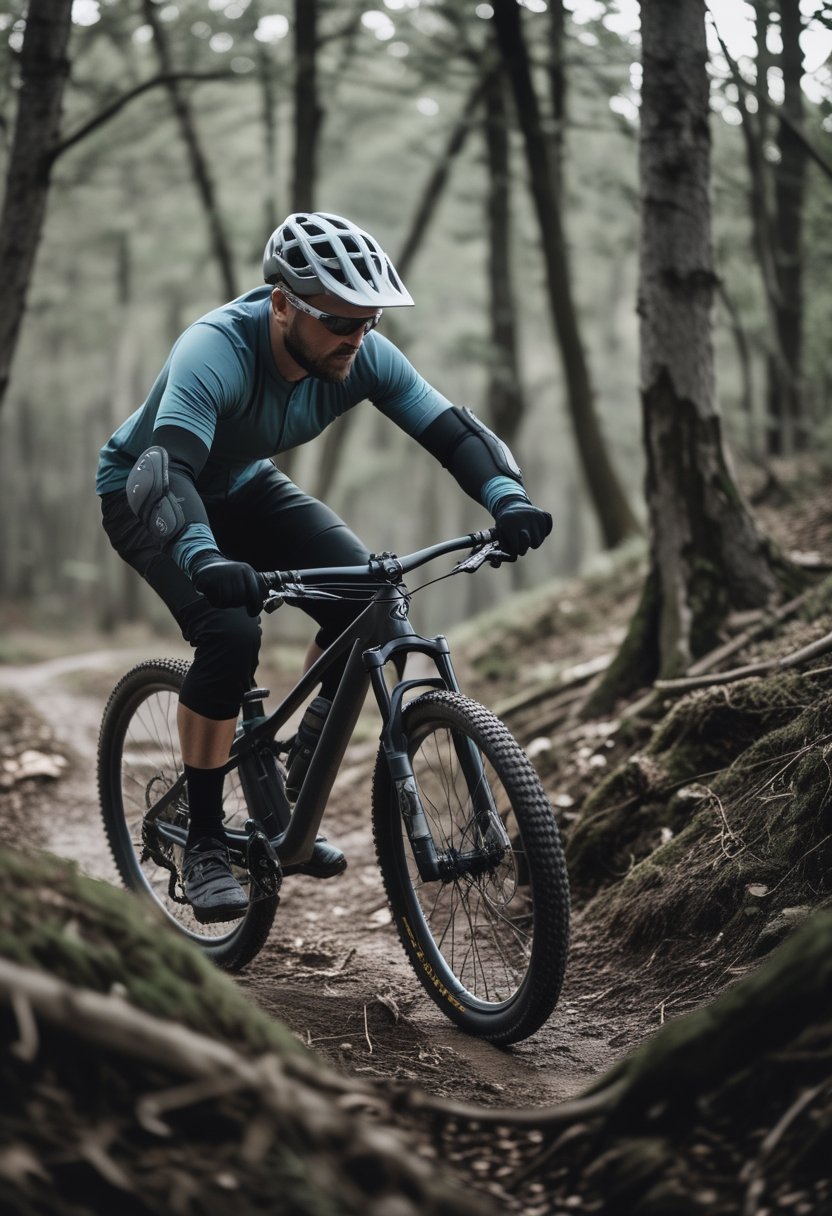
Choose breathable, secure pads with flexible impact protection. Elbow pads provide additional protection for riders who regularly tackle rocky descents, narrow trails, or technical sections. Choose flexible padding that allows your arms to bend naturally while keeping the protective section centered over your elbows. Breathable materials can make the pads more comfortable during warm-weather rides, while adjustable straps or fitted sleeves help keep them from shifting.
Before taking new elbow pads onto a demanding route, wear them while practicing your normal riding position. Reach toward the handlebars, bend your arms, and move your shoulders to see whether the pads stay in place. If they restrict your movement or slide during these basic motions, try another size or construction. Combining elbow pads with knee protection, full-finger gloves, and a suitable helmet creates a more comprehensive outfit for challenging trails.
11. Merino wool riding socks
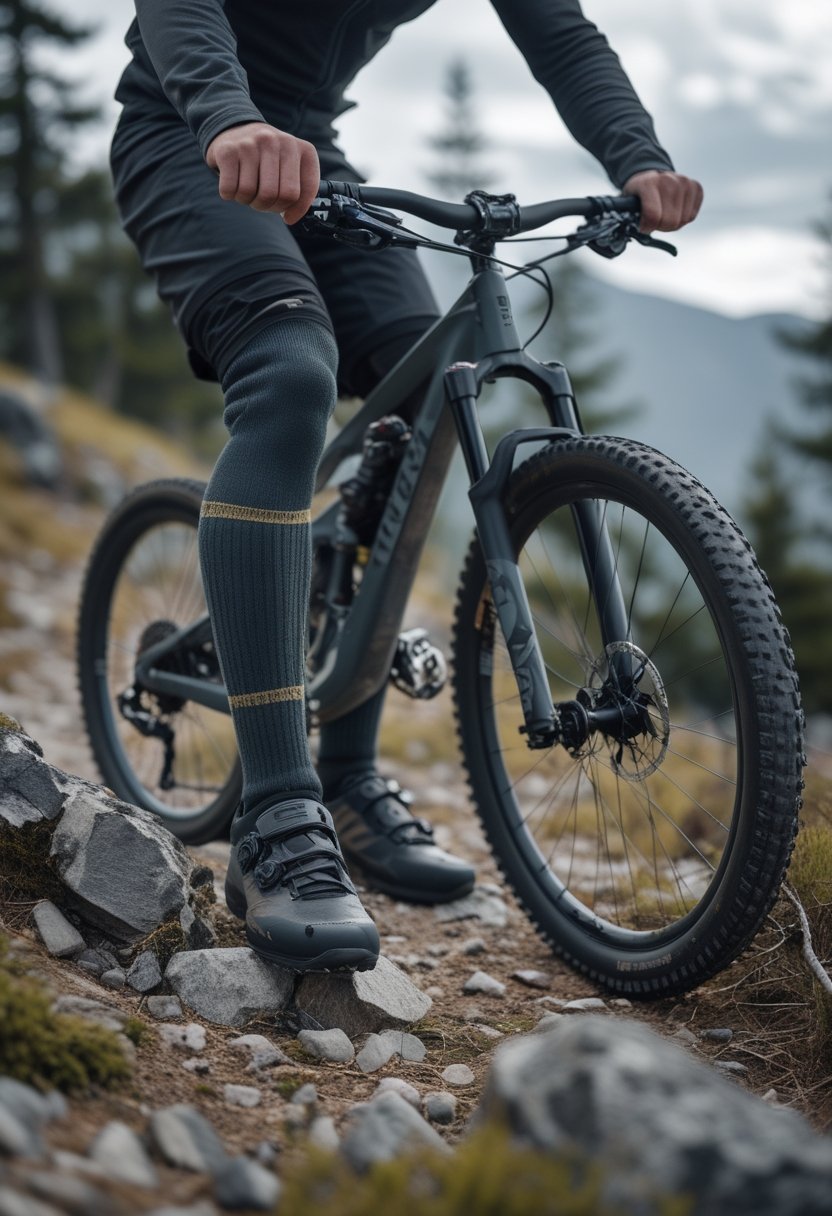
Merino wool riding socks are a comfortable option for riders who want moisture management and temperature regulation from their socks. Choose a cycling-specific pair with a secure fit and a thickness that works comfortably inside your shoes. A smooth toe area can help reduce irritation, while supportive construction keeps the socks from bunching during repeated pedaling. For cooler conditions, a slightly higher cuff can provide additional ankle coverage.
Avoid pairing overly thick socks with already snug cycling shoes because cramped footwear can create pressure and discomfort. Lightweight merino blends can be useful during warmer rides, while thicker versions can work better when temperatures drop. Carrying an extra pair is also worthwhile on longer adventures where rain, stream crossings, or wet trails could leave your feet damp. Comfortable socks may seem like a small detail, but they can make a long ride considerably more enjoyable.
12. Flat-pedal mountain bike shoes
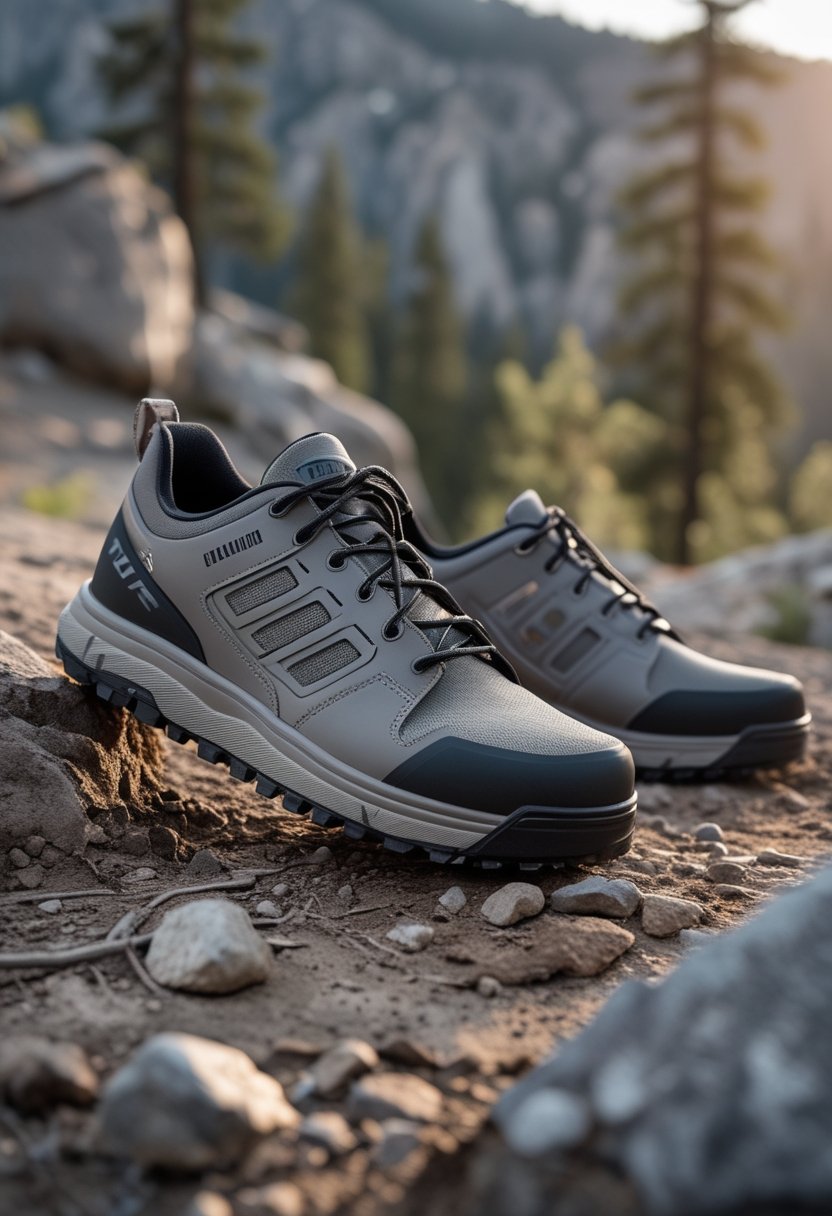
Choose sticky rubber soles, secure fit, and reinforced uppers for confident trail control. Flat-pedal mountain bike shoes are designed to provide a stable connection between your feet and flat pedals. Look for sticky rubber soles that grip the pedal surface, a secure upper, and enough stiffness to provide support without making the shoes uncomfortable to walk in. Reinforced toe areas can offer additional durability when riding through rocky terrain. The right shoe should keep your foot stable while still allowing you to reposition it when needed.
Fit is especially important because your feet can move constantly during technical riding. Your heel should stay secure without excessive pressure, and your toes should have enough room to move naturally. Pair flat-pedal shoes with breathable riding socks and durable mountain bike shorts for a straightforward trail outfit. They are particularly practical for riders who value quick foot placement and want the option to put a foot down easily when navigating difficult sections.
13. Clipless Mountain Bike Shoes
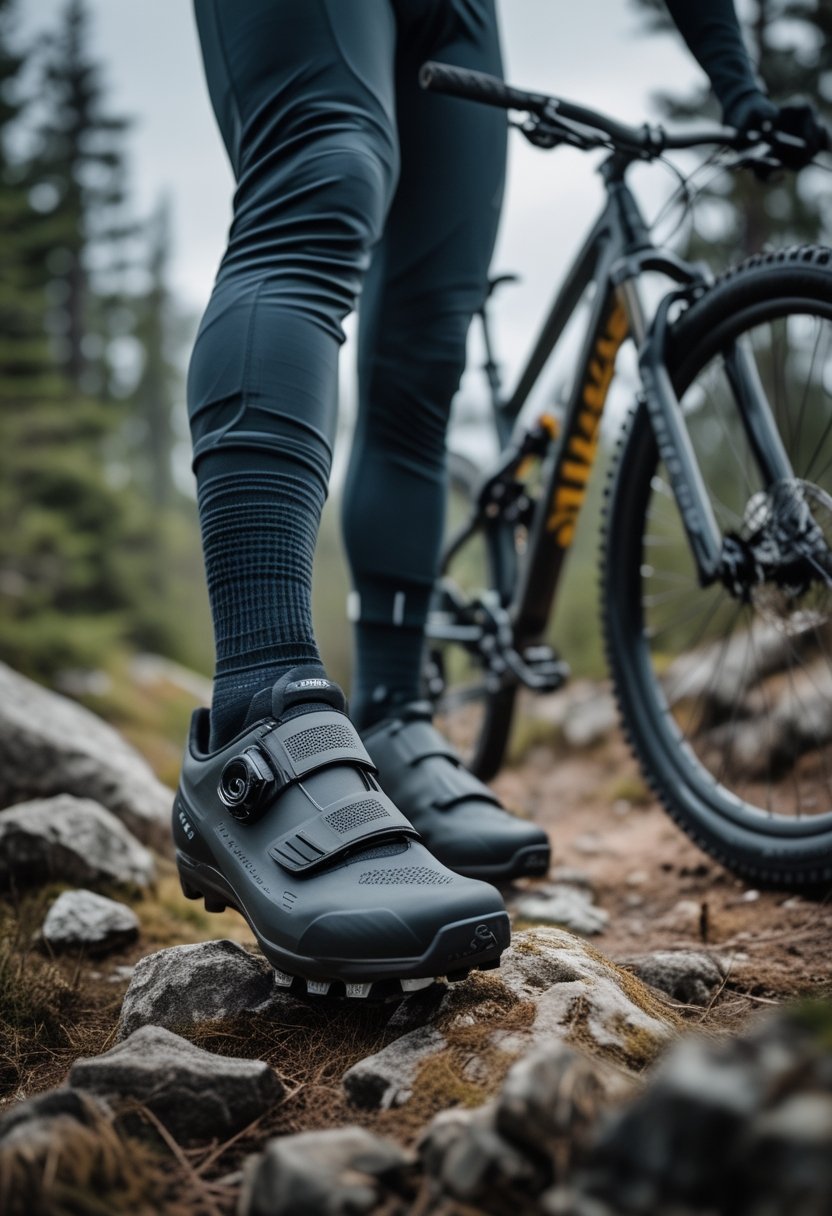
Choose SPD-compatible shoes with grippy soles, secure closures, and proper fit. Clipless mountain bike shoes provide a secure connection to compatible clipless pedals and can be useful for riders who prefer a consistent foot position. When selecting a pair, check that the shoe works with your pedal system, such as an SPD-compatible setup. A secure closure, supportive upper, and appropriately stiff sole can provide a comfortable balance between pedaling performance and trail mobility. Mountain bike-specific shoes are generally more practical for walking than road cycling shoes.
If you are new to clipless pedals, spend time practicing before taking the setup onto a difficult trail. You should be able to clip in and release your feet smoothly and confidently. Make sure the shoes fit comfortably with your usual socks and do not create pressure around the toes or heel. Once you are comfortable with the system, clipless shoes can become a reliable part of a technical riding outfit.
14. UV-Protective Riding Sunglasses Guide
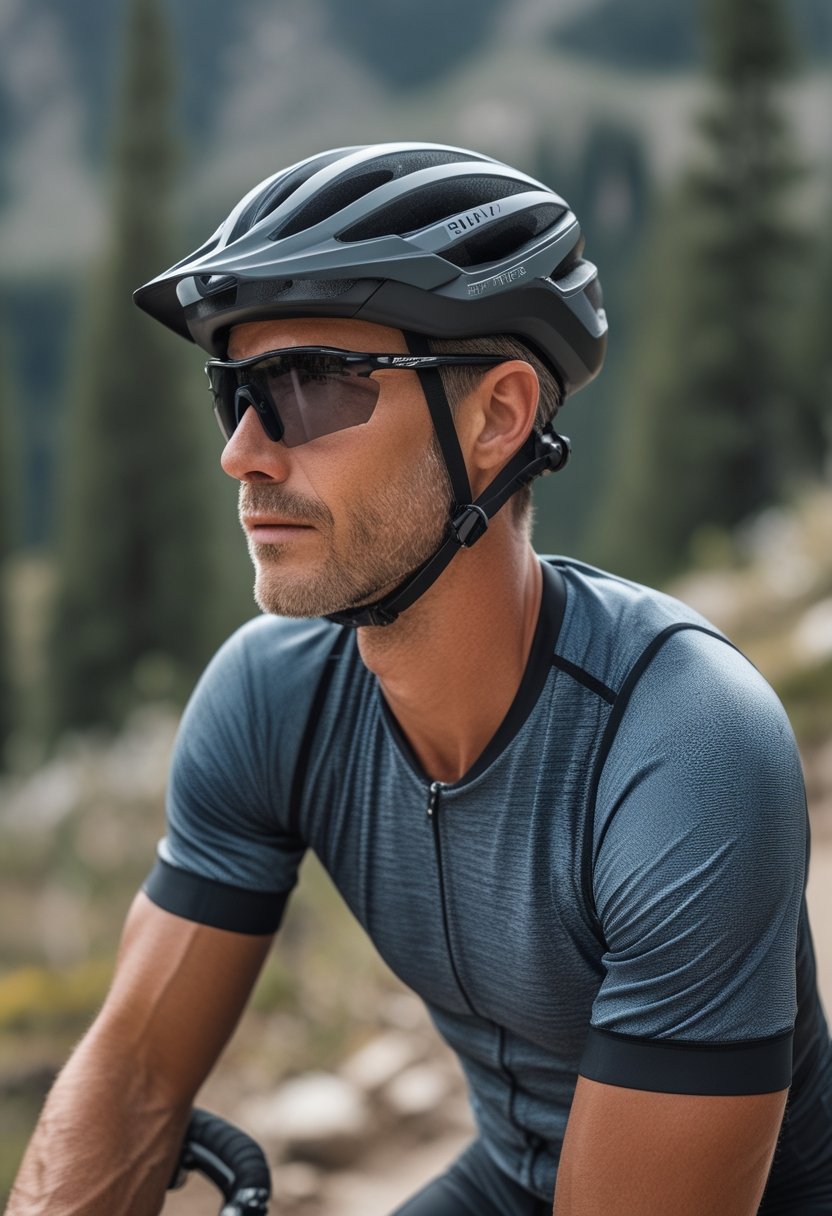
Choose full-coverage lenses offering 100% UV protection and secure fit. UV-protective riding sunglasses help shield your eyes from sunlight, wind, dust, insects, and small pieces of trail debris. Choose lenses offering 100% UV protection and a secure frame that will not easily slip as you sweat or ride over rough terrain. Full-coverage or wraparound designs can provide useful protection around the sides of the eyes, while adjustable nose pieces and grippy frame elements can improve stability.
Lens choice should also reflect where you normally ride. Darker lenses can feel comfortable in bright open areas, while lighter or adaptable options may work better when your route moves between sunlight and dense forest shade. Photochromic lenses can adjust their tint as lighting conditions change, making them convenient for mixed terrain. Always test your sunglasses with your helmet before a long ride to ensure there is no uncomfortable pressure around your temples or nose.
15. Lightweight Hydration Pack
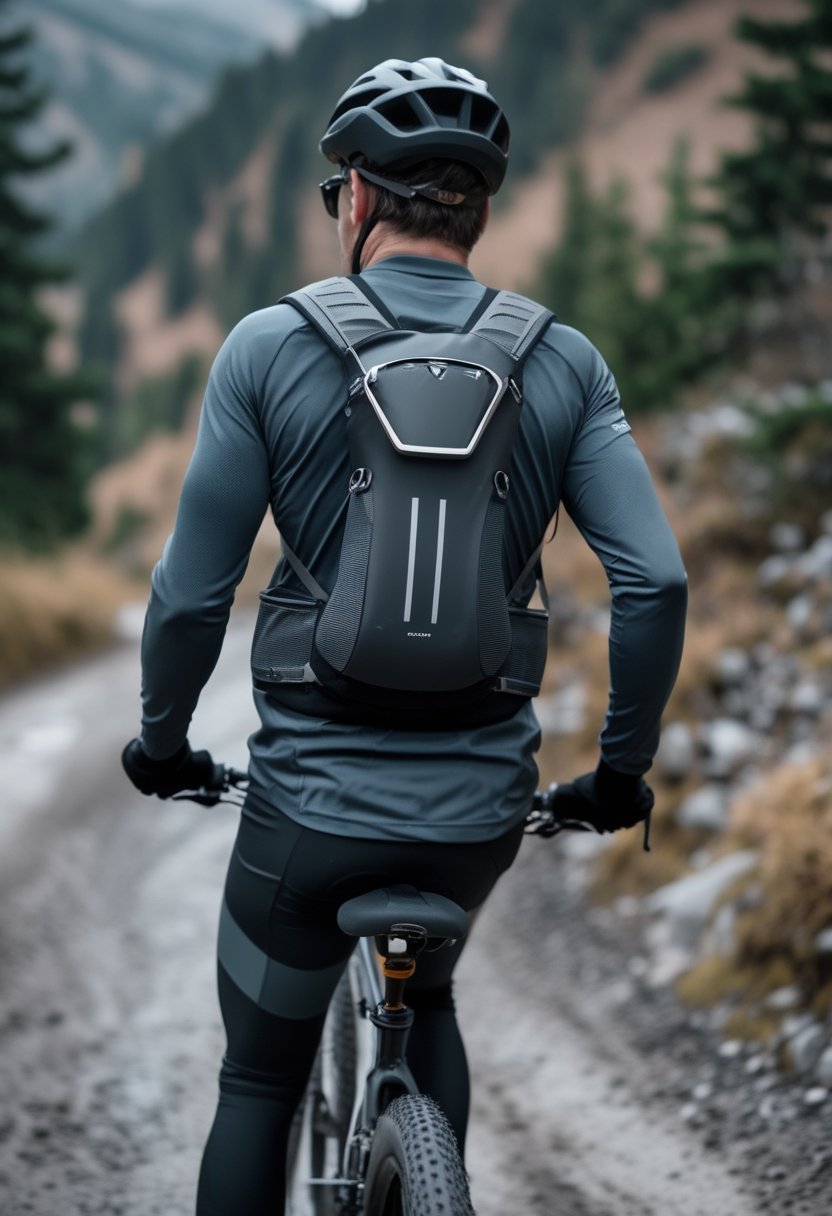
Choose a stable pack with a two-liter reservoir and essential storage. A lightweight hydration pack is a practical addition to a mountain biking outfit when you need water and storage without carrying a large backpack. A compact pack with a two-liter reservoir can provide useful hydration capacity for many rides, while small compartments can hold snacks, repair essentials, a phone, keys, or an extra layer. Look for adjustable shoulder and chest straps that keep the pack stable when riding over rough terrain.
Keep the contents organized and avoid adding unnecessary weight. Frequently used items should be easy to access, while emergency or repair equipment can stay in dedicated compartments. On shorter rides, a smaller hydration solution may be enough, but longer or more remote routes may require additional storage. Pair the pack with breathable clothing and properly fitted protective gear to finish a practical trail outfit that keeps you prepared without feeling overloaded.
About the Author — Lena Harper
Lena Harper is a fashion writer and content strategist at Fashion Pops, known for creating thoughtful, trend-aware articles that feel both stylish and relatable. With a strong background in fashion journalism, she specializes in turning seasonal trends, outfit ideas, and styling concepts into easy-to-follow inspiration for modern women.
Her writing focuses on practicality without losing creativity — helping readers build outfits that feel current, wearable, and confident. When she’s not working on new articles, Lena enjoys exploring street style trends, discovering unique fashion finds, and curating inspiration boards that shape upcoming content at Fashion Pops.